


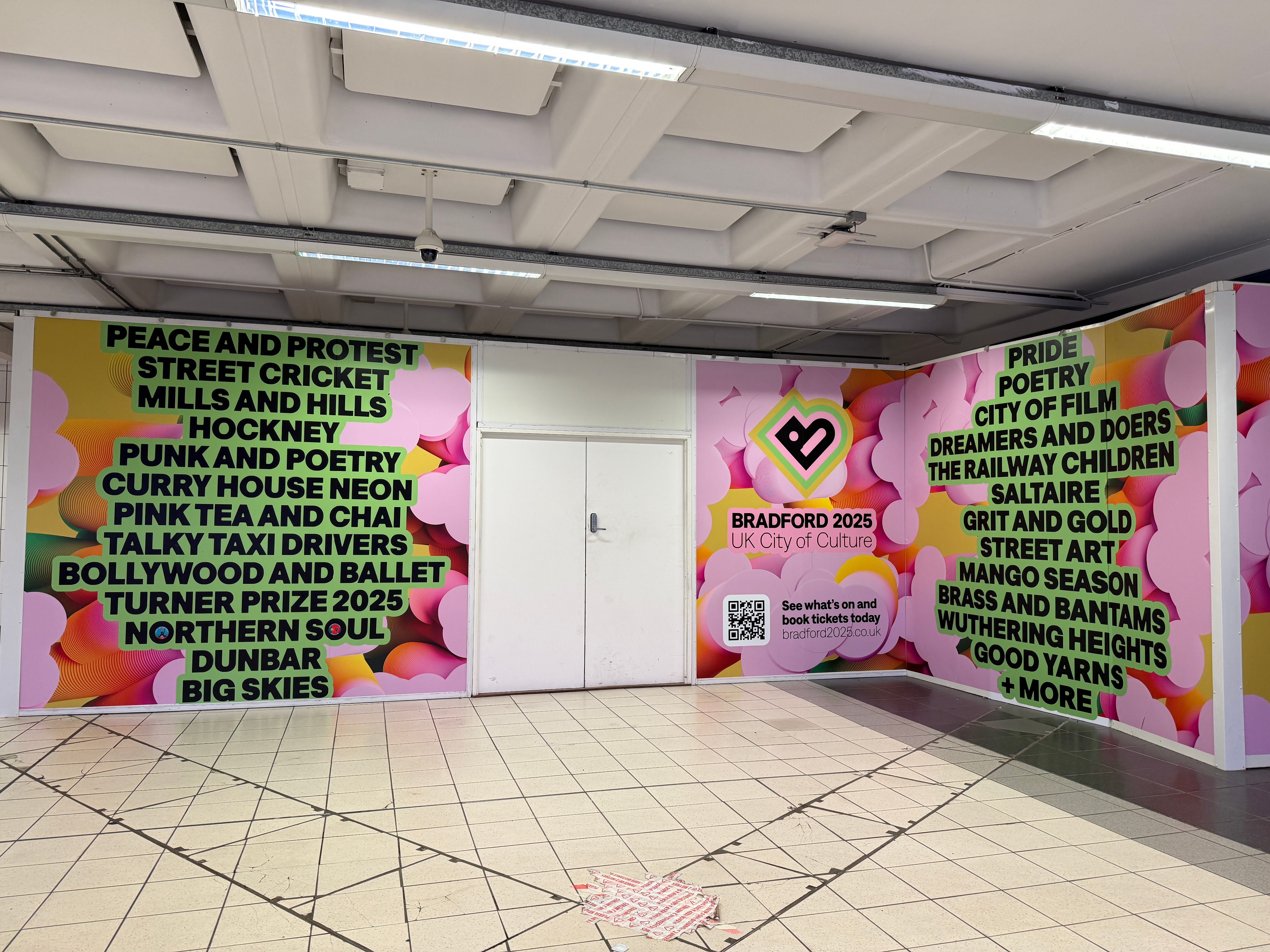
Following the success of Liverpool as European Capital of Culture in 2008, the then Culture Secretary Andy Burnham announced the government was looking to establish a British equivalent.
Every four years, areas would compete to hold the title of UK City of Culture, with the winner receiving a cash boost and the opportunity to host events such as the Turner Prize, the Brit Awards, the Man Booker Prize and the Stirling Prize.1 Burnham, now King of the North (aka Mayor of Manchester), thought that the arts were too London-centric and that, given the levels of state funding, the provinces should get a piece of the action.
Derry-Londonderry was selected as the UK’s first City of Culture. My wife and I visited in 2013 and were impressed by how well they had integrated art into historically charged sites such as old barracks. It was also nice to have an arbitrary excuse to visit a new place.
In 2017, we met up with friends in Hull and enjoyed a pleasant weekend of wandering around the gentrified docks and town centre.
COVID disrupted Coventry’s plans in 2021. However, during a family visit, we managed to pop into the Turner Prize exhibition, which for some reason consisted entirely of collectives.
Having seen all these previous cities of culture, I felt obliged to make the trip to Bradford.
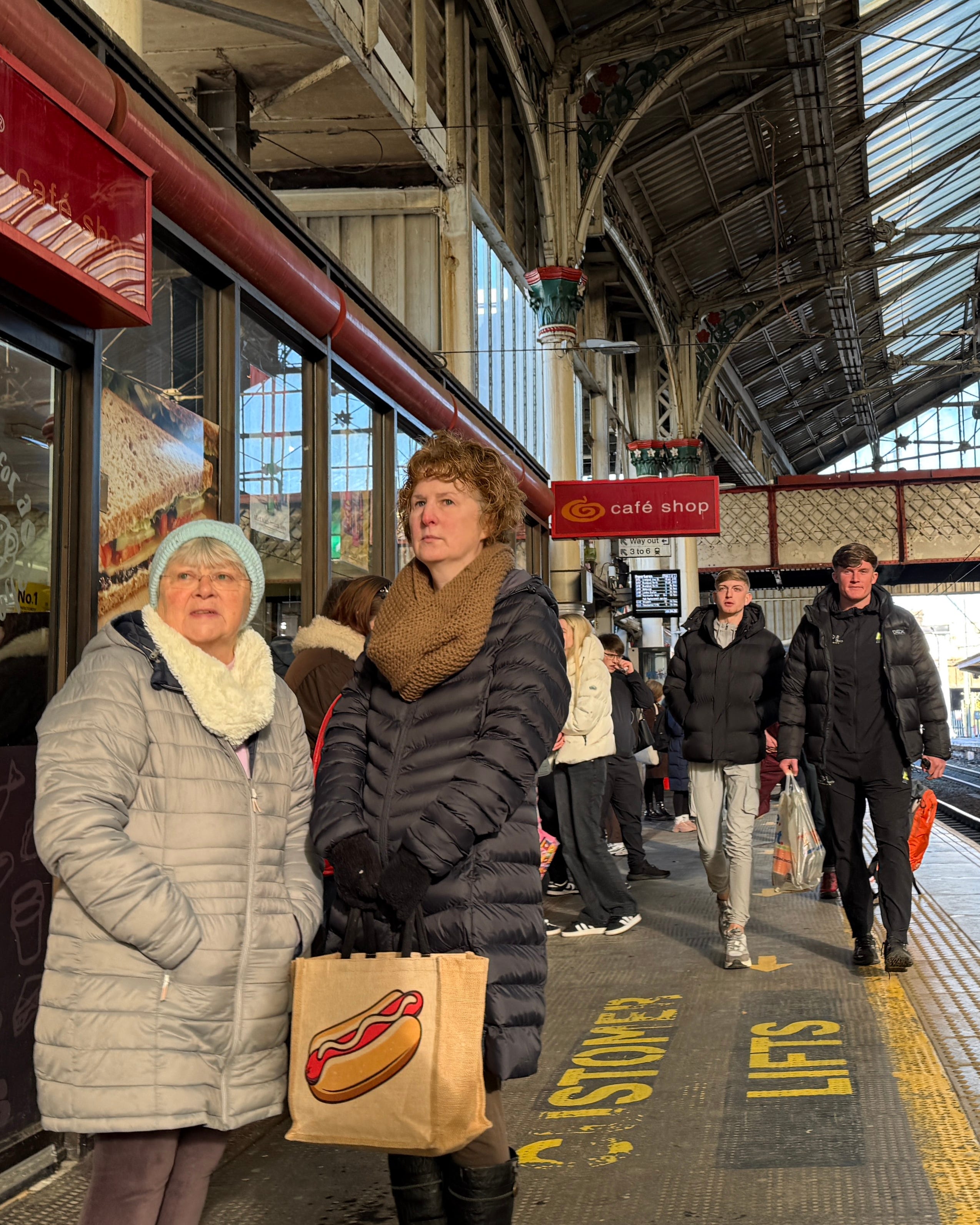
My day started badly with a delayed train—how very British!—and I worried that I wouldn’t make it to Bradford, but we departed a mere 30 minutes later than scheduled.
At Preston, I chatted with JJ, who was on his way to Burnley. I mentioned that I was going to Bradford. He grimaced:
“Bradford is a proper shithole. You don’t want to go to Bradford. Whoever chose it for City of Culture must need their head seeing to … though if you want a curry, go to Akbar’s.”
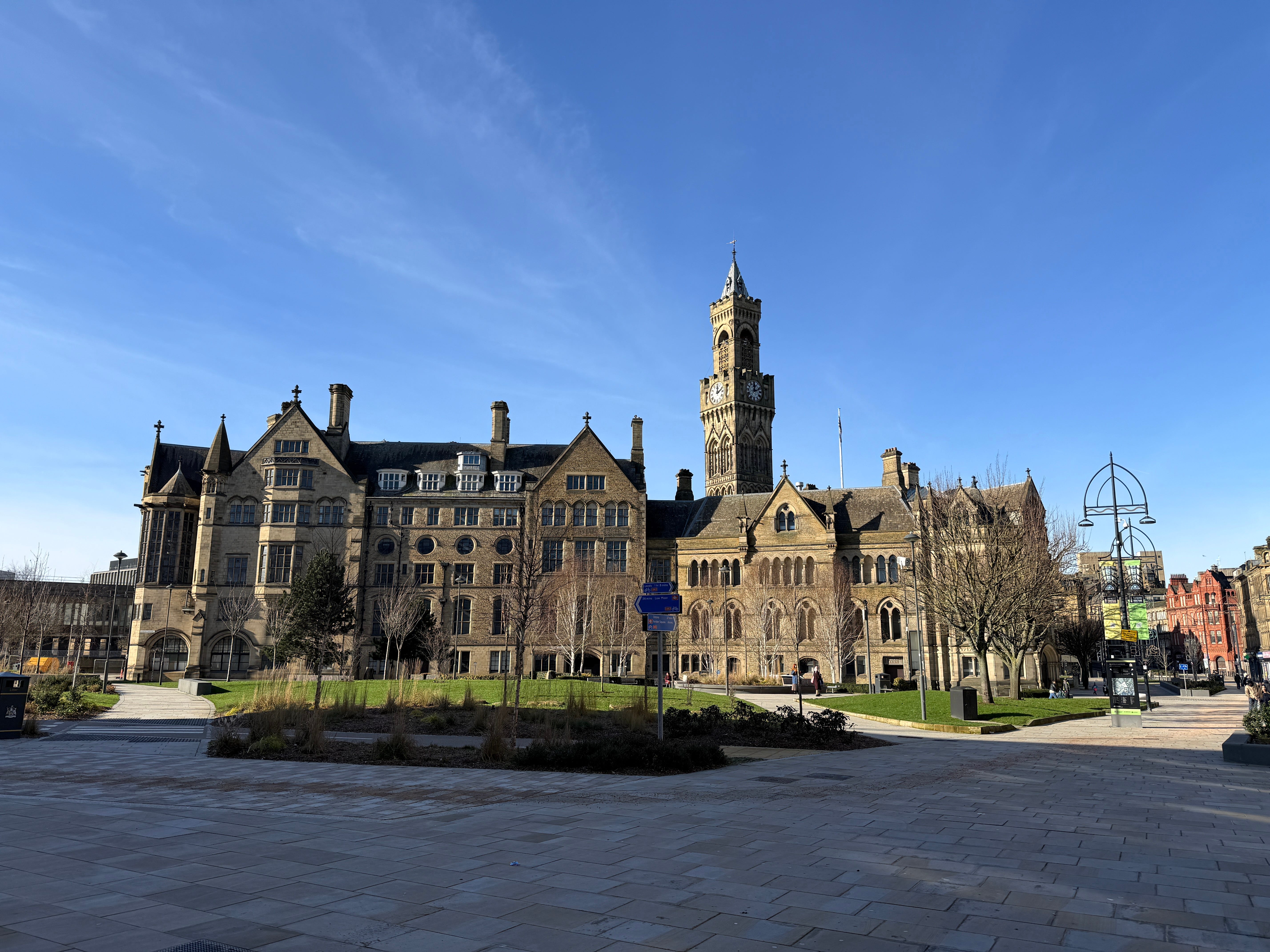
Contrary to JJ, my initial impressions of Bradford were positive. The council had done a good job of pedestrianising the town centre with a huge, welcoming square after exiting the station. It felt clean and functional, far from the vision of Britain—aka The Yookay—one sees on X.
The Yookay, for those who haven’t been keeping up with the dozens of explainer articles,2 was originally coined by Welsh critic Raymond Williams to convey the alienation of communities from neoliberalism. The phrase now flourishes as a term to describe the weird hybrid culture emerging in Britain after mass migration.
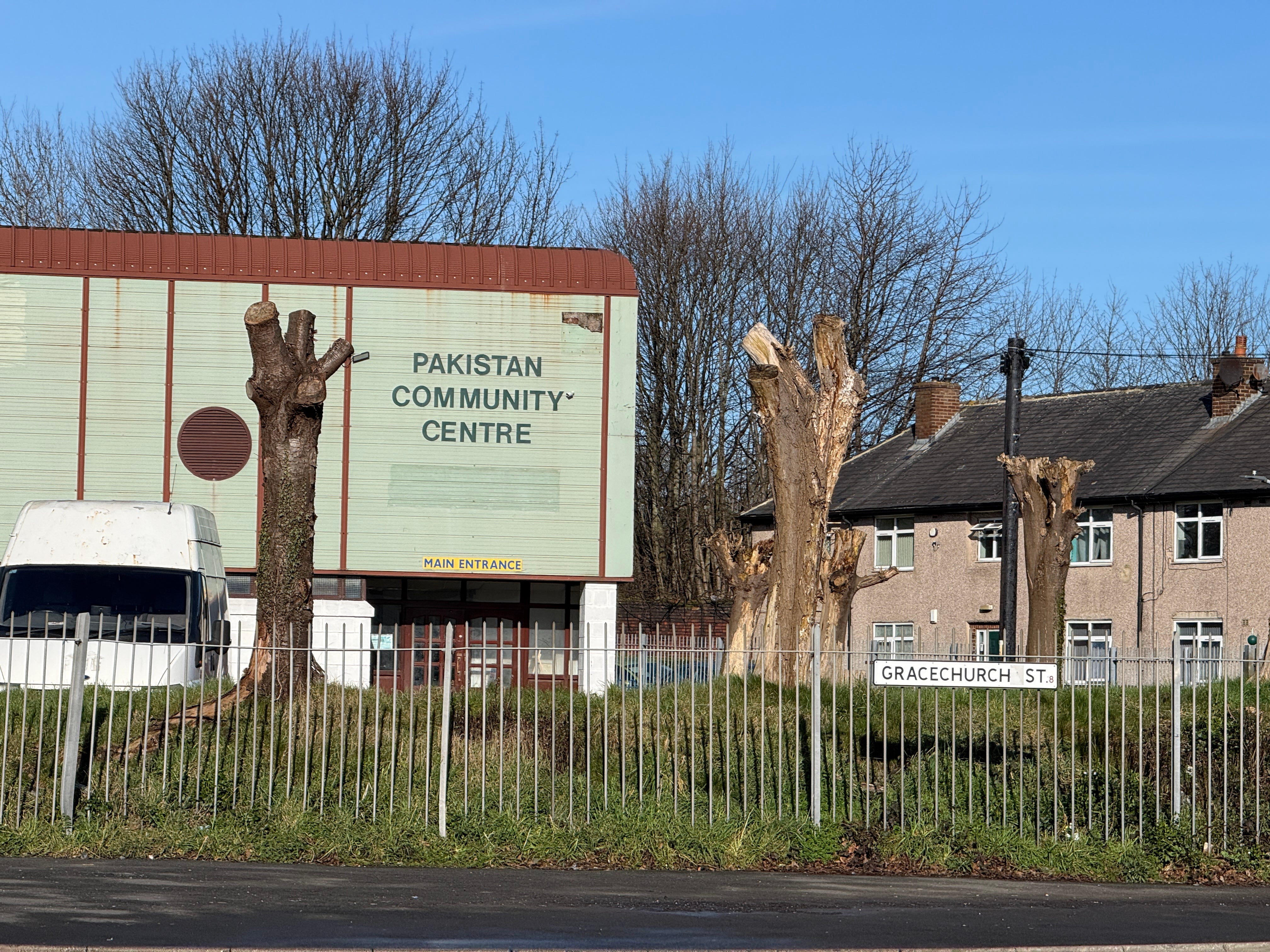
The chief proponent of the Yookay is the anonymous X user, Drukpa Kunley, one of the extremely online right-wing accounts that provides the memes for politicians like Rupert Lowe, Nigel Farage, and Robert Jenrick. Some terms popularised by Kunley include: Boriswave, Nick 30 ans, and, of course, the Yookay.
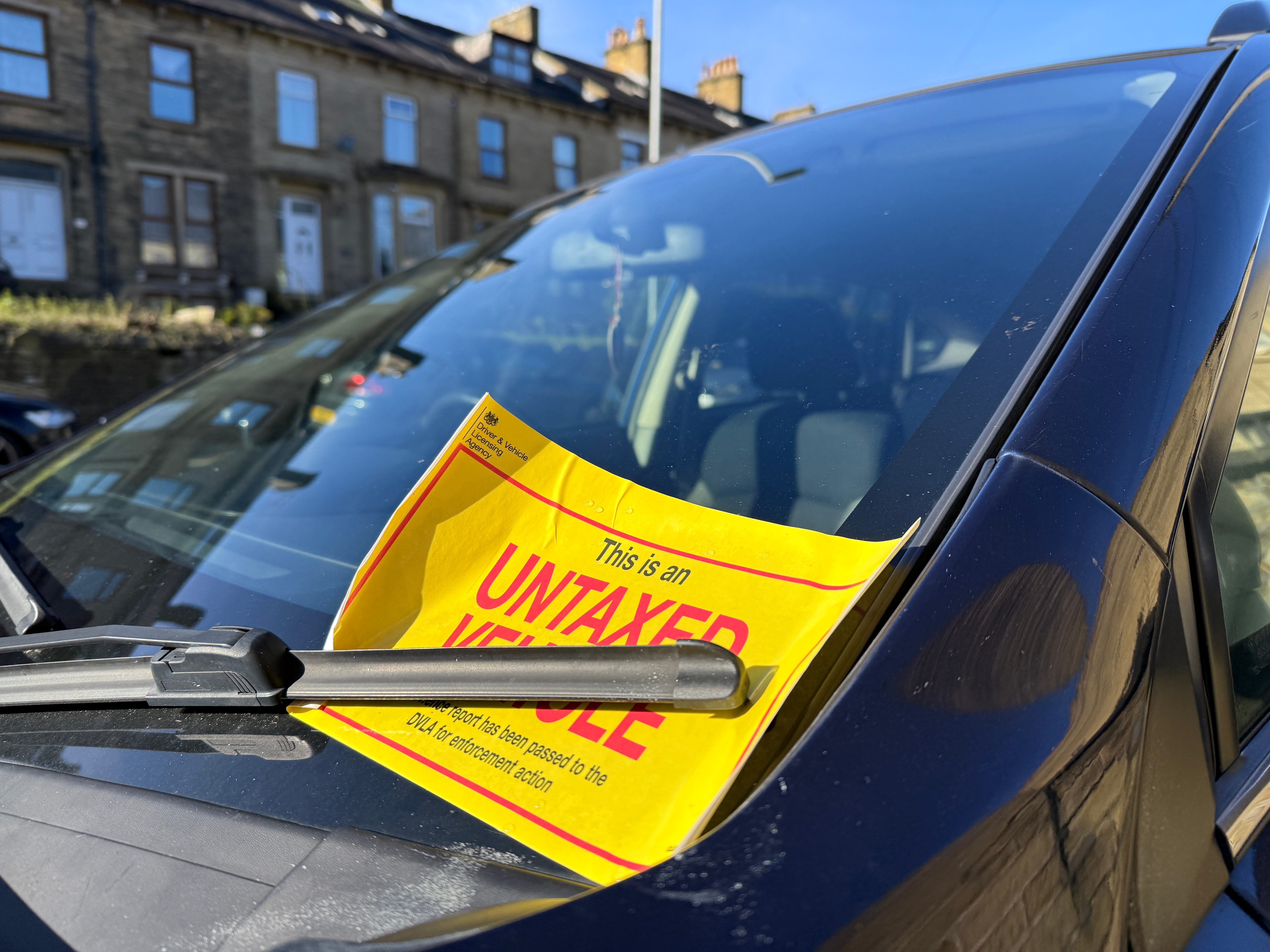
Because of this discourse, I was primed to see disarray and atavism … but there was barely anything that resembled the toxic stream of disorder shared in clips online.
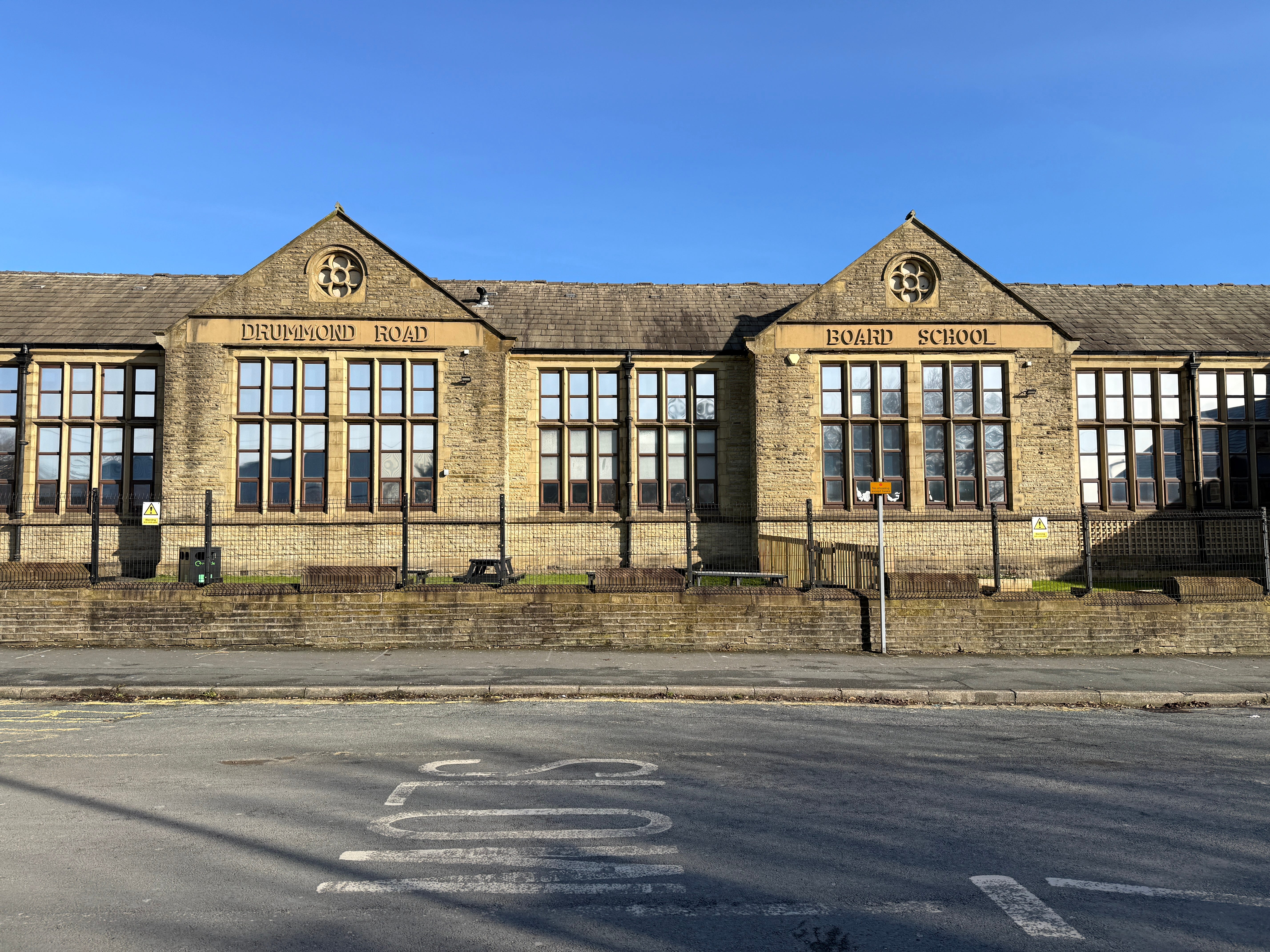
I walked to the Turner Prize exhibition via the school that was the centre of the discussion about multiculturalism in the 1980s. This is an area that is, apparently, incredibly segregated, yet didn’t seem terribly exotic.
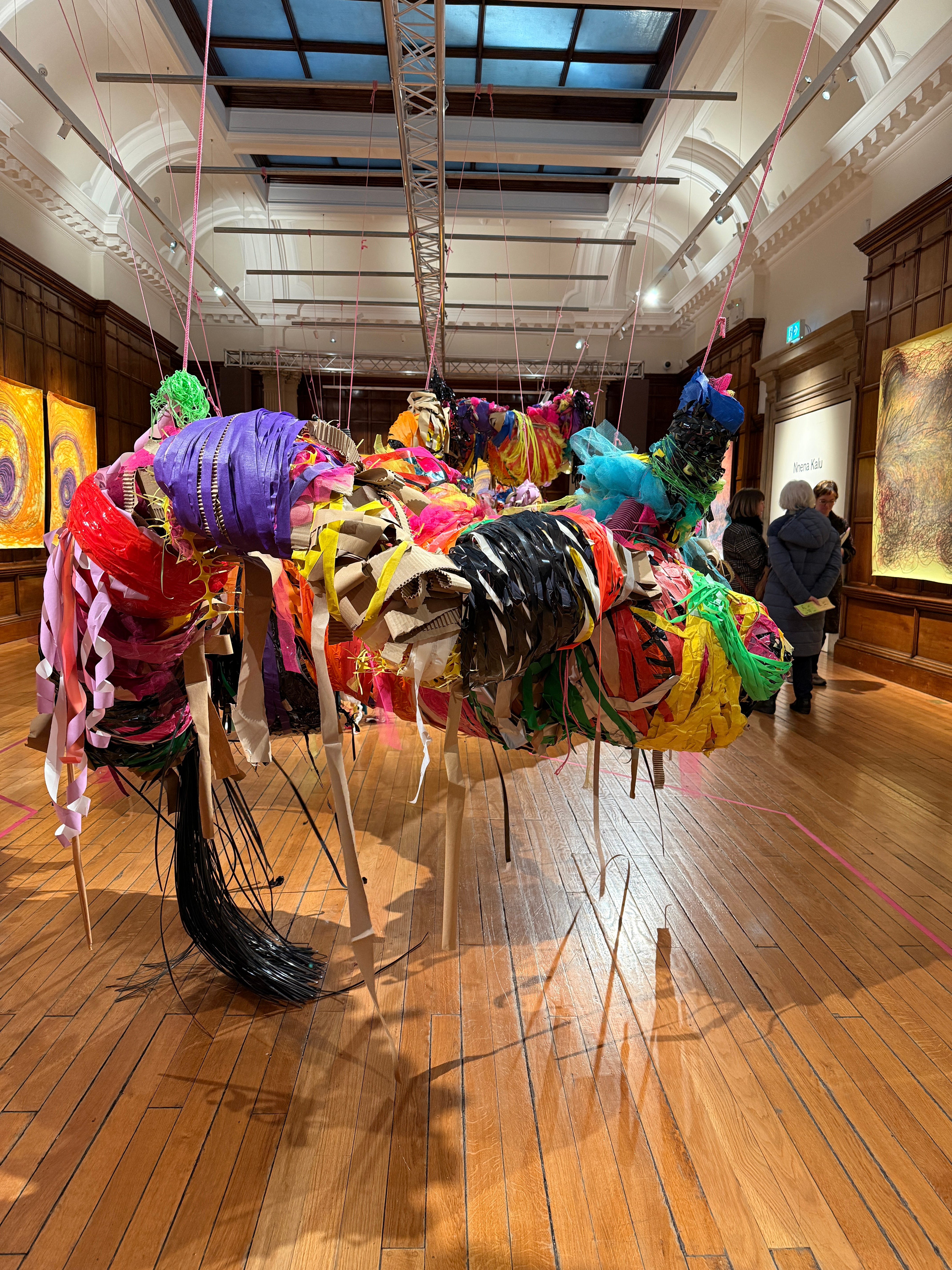
The 2025 Turner Prize was won by Nnena Kalu, an autistic British-Nigerian artist. Her outsider art is obsessive and removed from all cynicism, but it left me nonplussed.
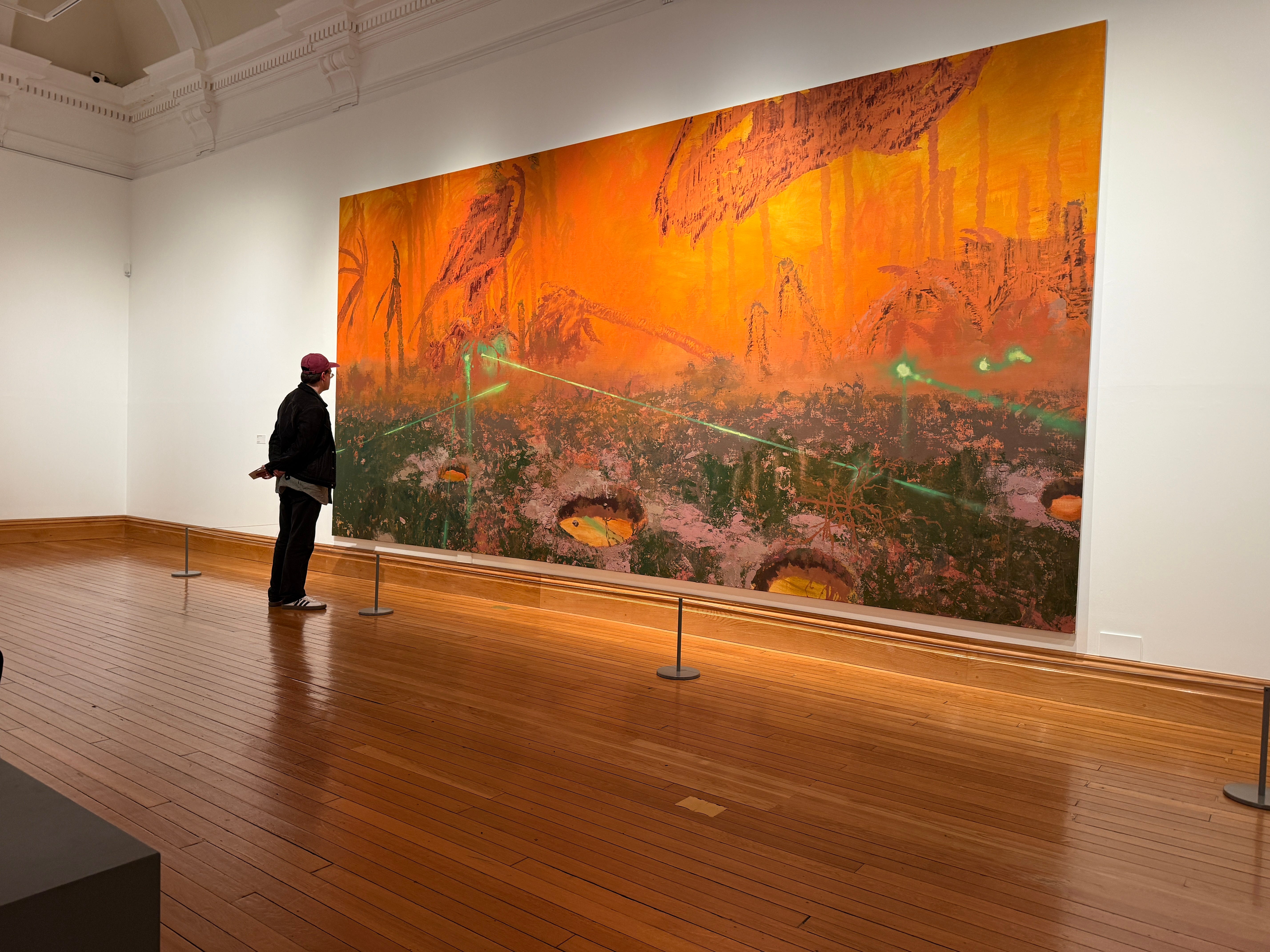
Mohammed Sami’s accomplished paintings appear to connect with the history of Iraq’s bloody wars. Impressive, but not groundbreaking.
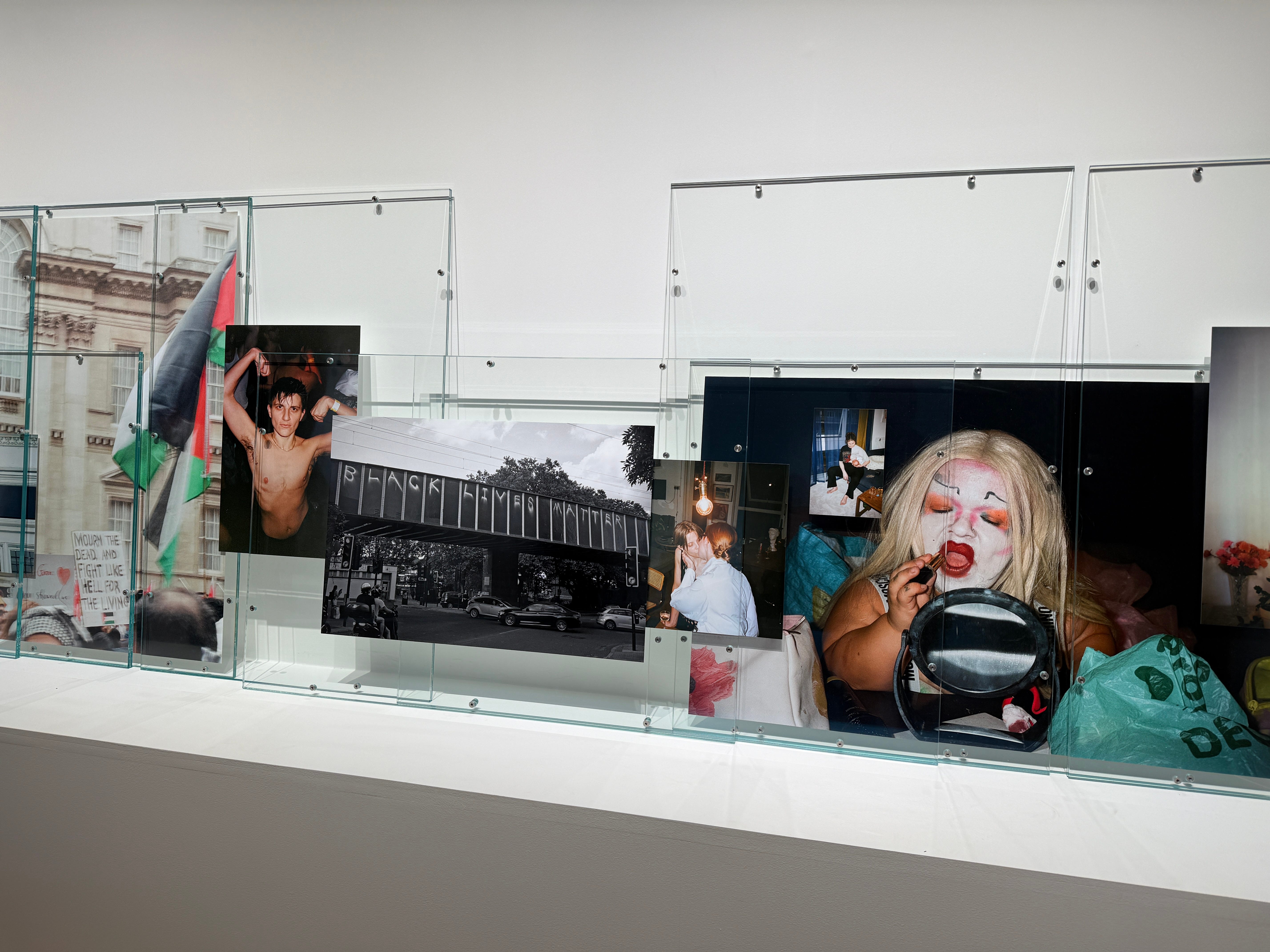
I was curious to see the work of Rene Matić—whose photography engages with the vexed topic of contemporary British identity—but was left underwhelmed. At 27, Matić was the youngest person ever to be nominated for the prize, and their space was rather jejune with simple political points and predictable juxtapositions. Hopefully, they will develop a more nuanced approach to image-making.
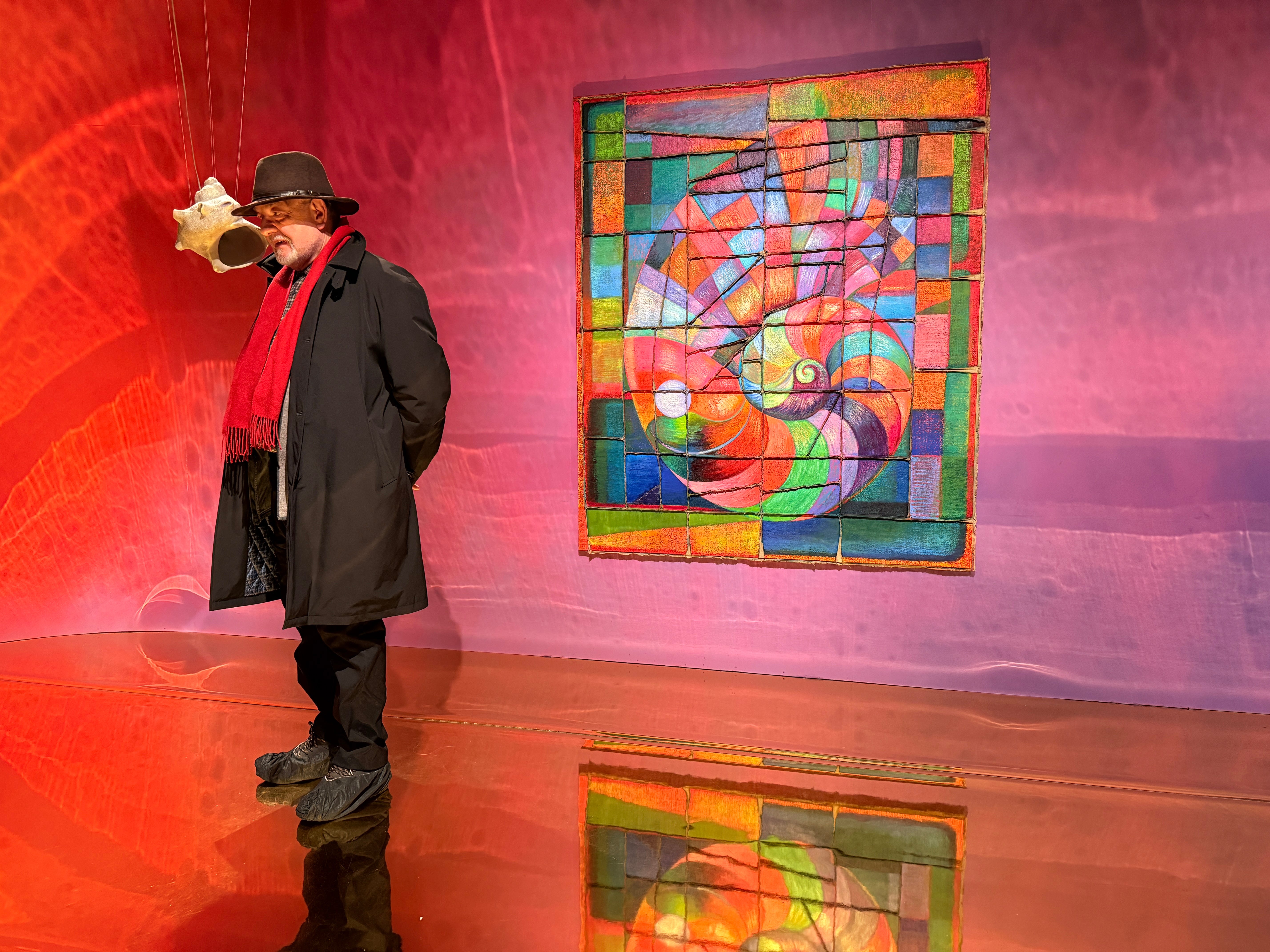
It felt especially lacking when compared to the immersive, fertile world created by Korean-Canadian artist Zadie Xa.
With its biennials and art fairs, the contemporary art world is inherently cosmopolitan. It maintains the dream of liberal internationalism at a time of rising nationalism.
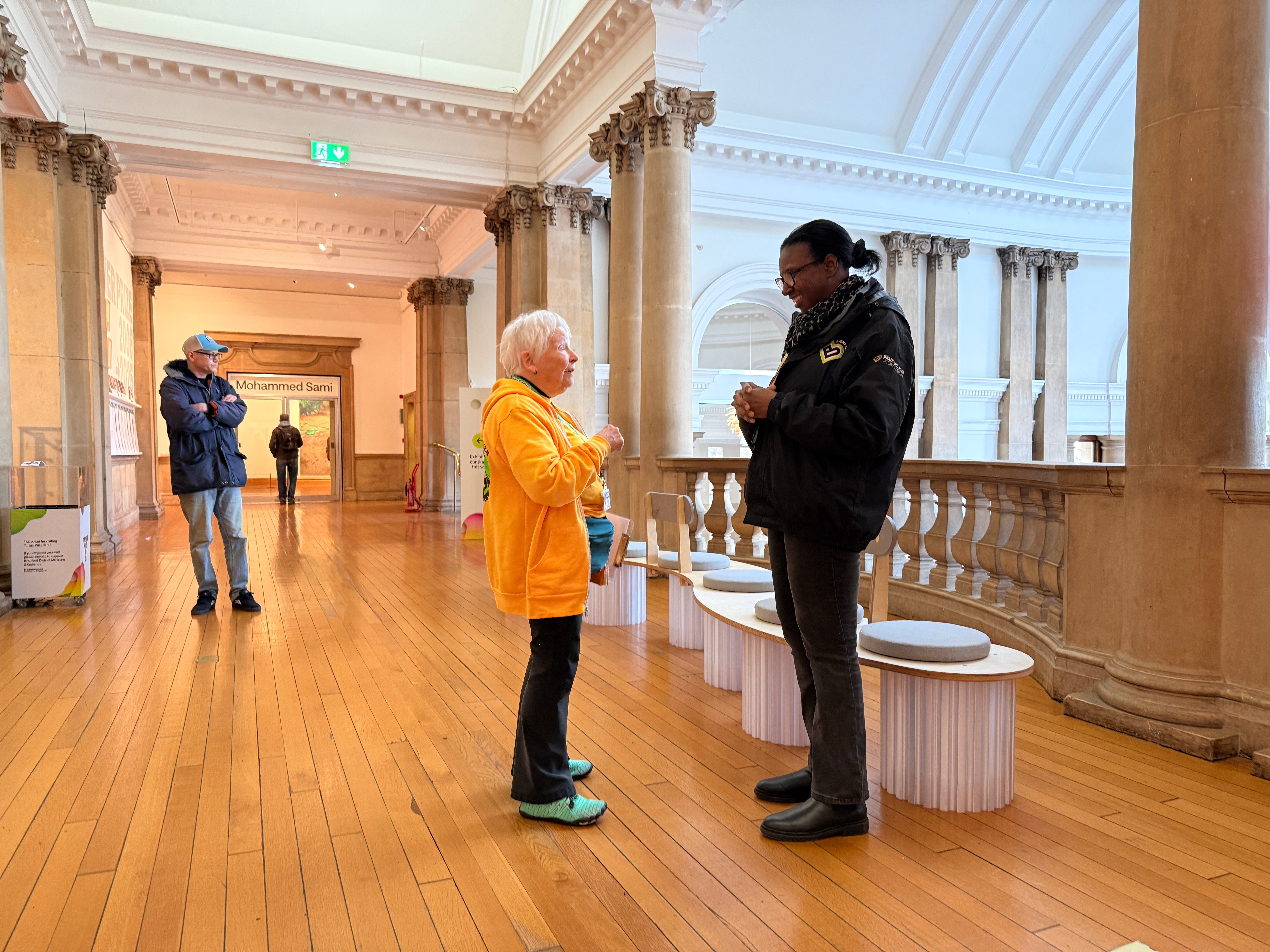
I asked one of the guides where else I should go in Bradford. She suggested leaving Bradford and going to Haworth, where the Brontë sisters grew up. I told her it was too far, but I might watch the new Wuthering Heights.
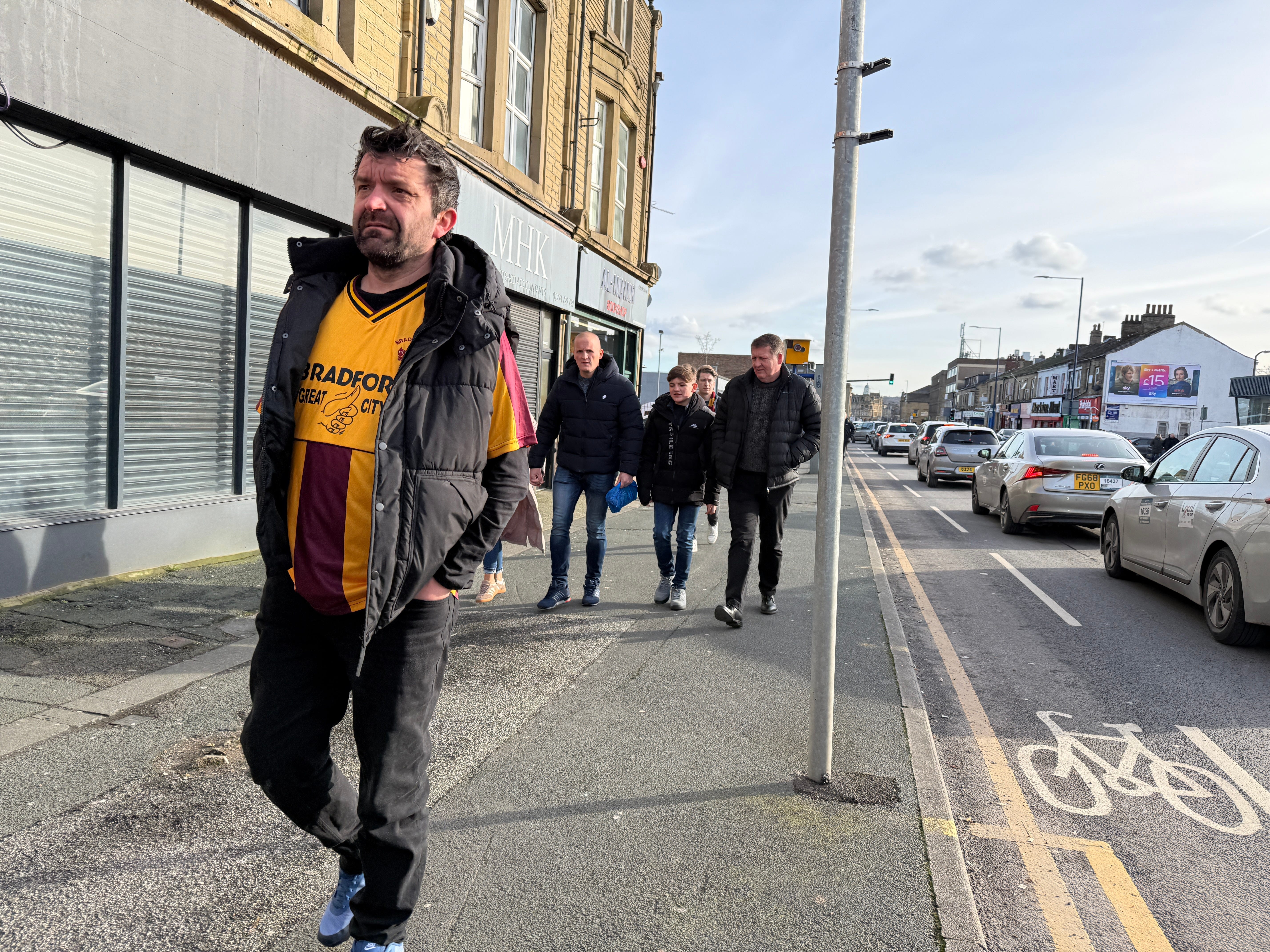
I walked back into town and saw a wave of Bradford City AFC fans walking towards the stadium ahead of their match with Peterborough United. Football has become a global phenomenon, perhaps the closest the world has to a common culture, but in Bradford it still felt like a traditional working-class game.
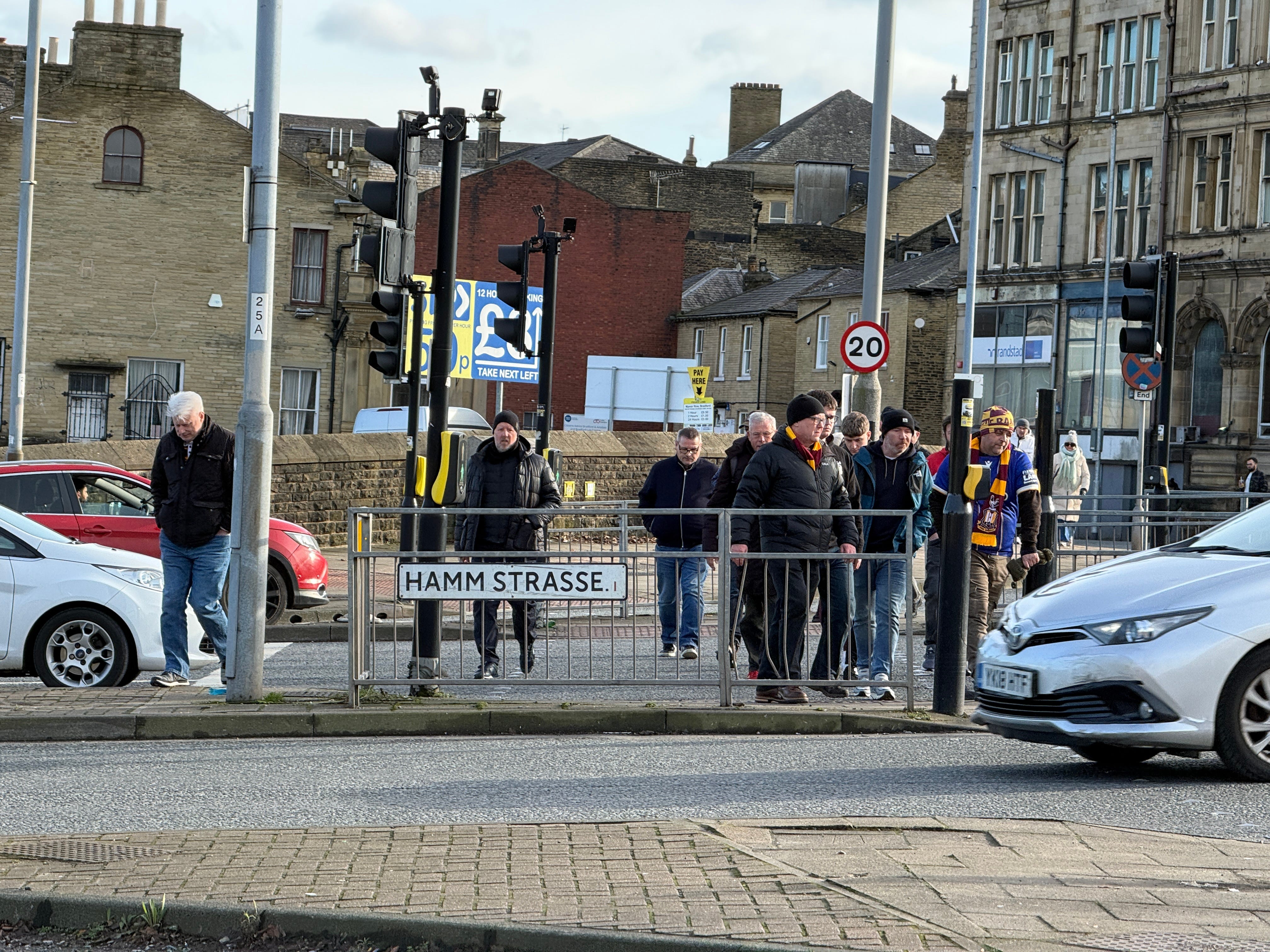
There is an area of Bradford known as Little Germany, because of the number of German-Jewish textile companies that were based there, particularly after the Franco-Prussian War. The Hamm Strasse ring road was, however, named after the town’s twinning with Hamm in the Ruhr valley in 1976.
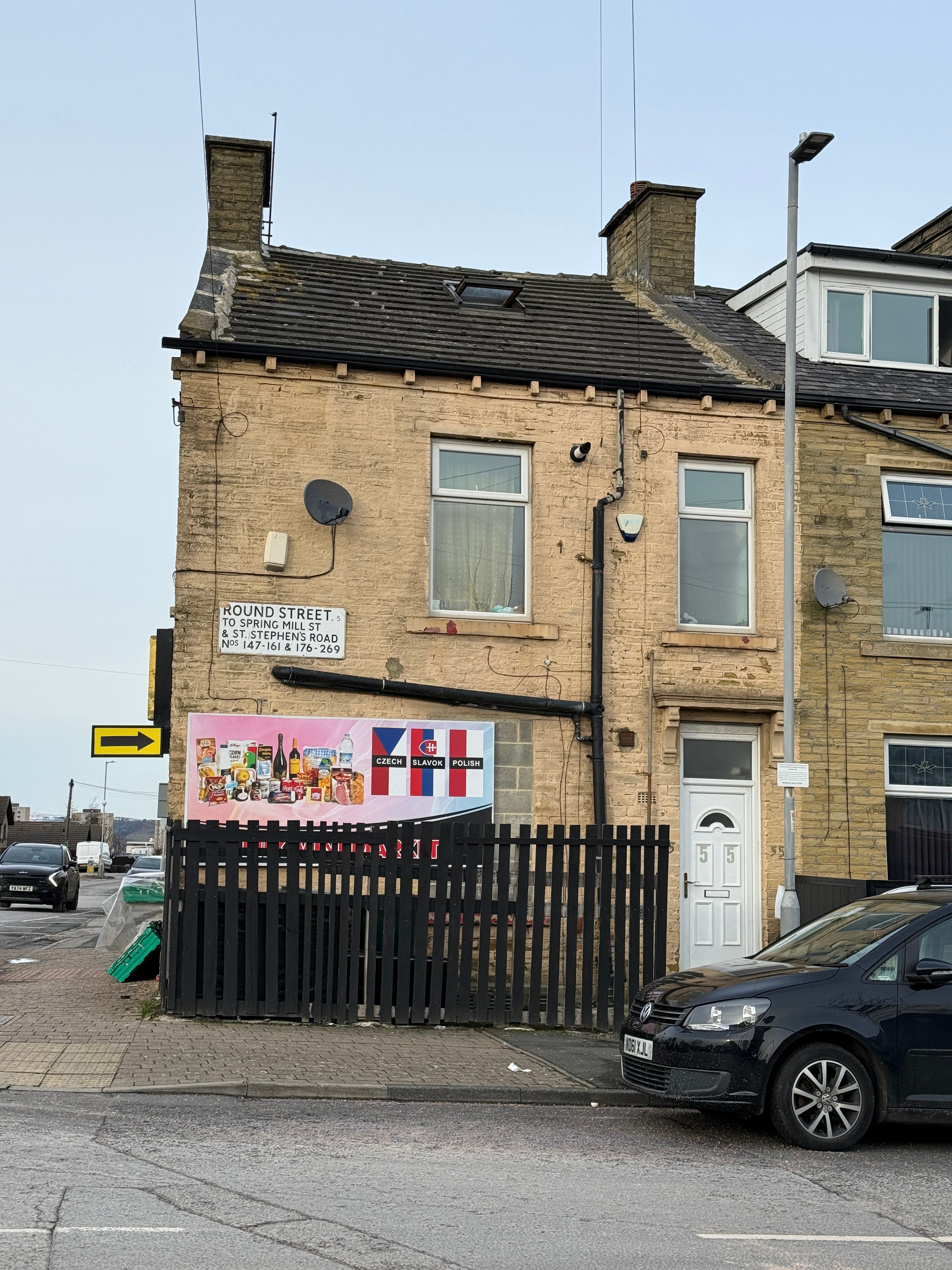
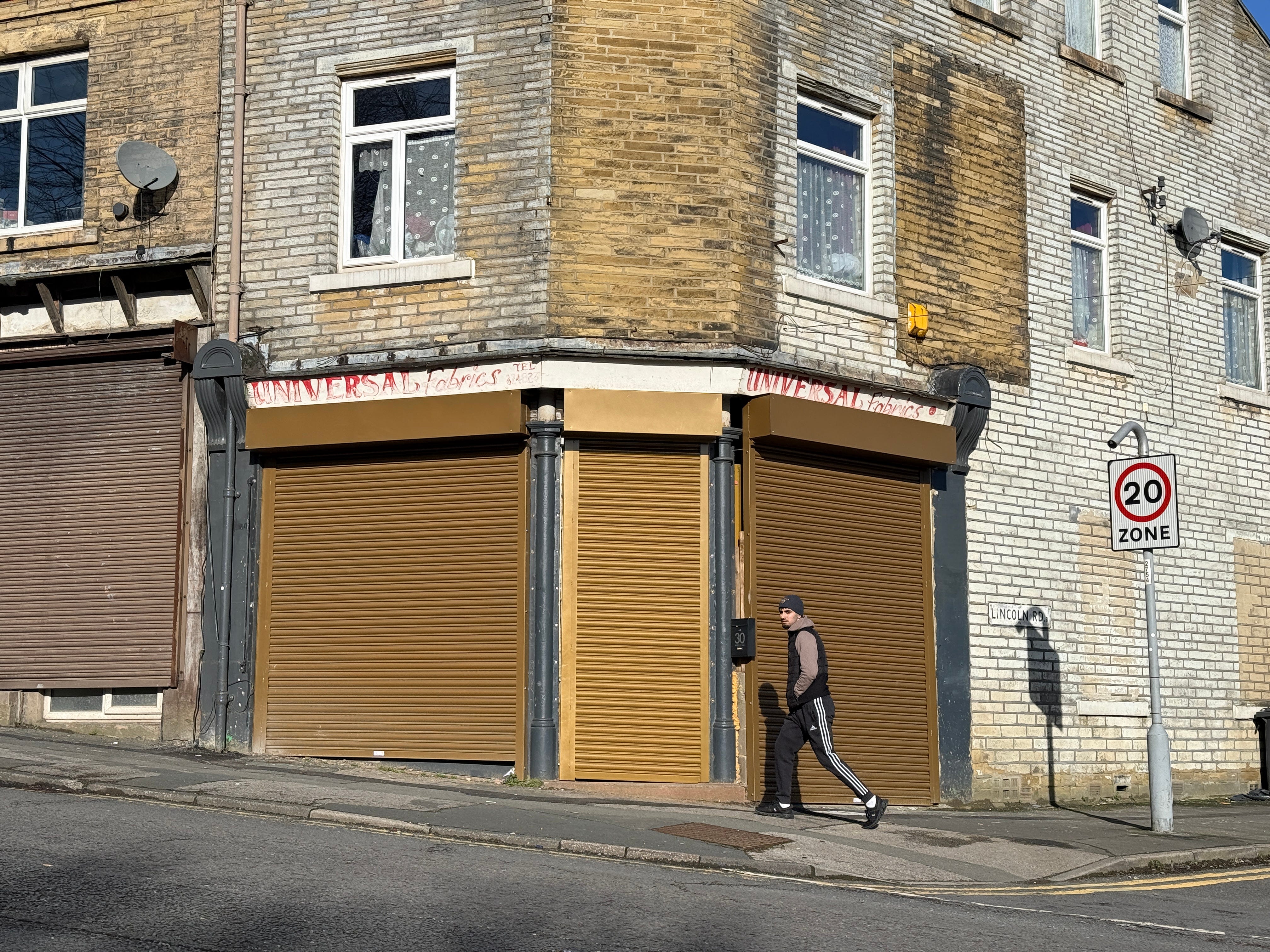
As a fan of psychogeography, I abandoned Google Maps and did a dérive to the outlying suburbs. The streets were slightly more shabby, but more because of poverty than alienation. There were even a few shops catering for the pre-Brexit Eastern European community.
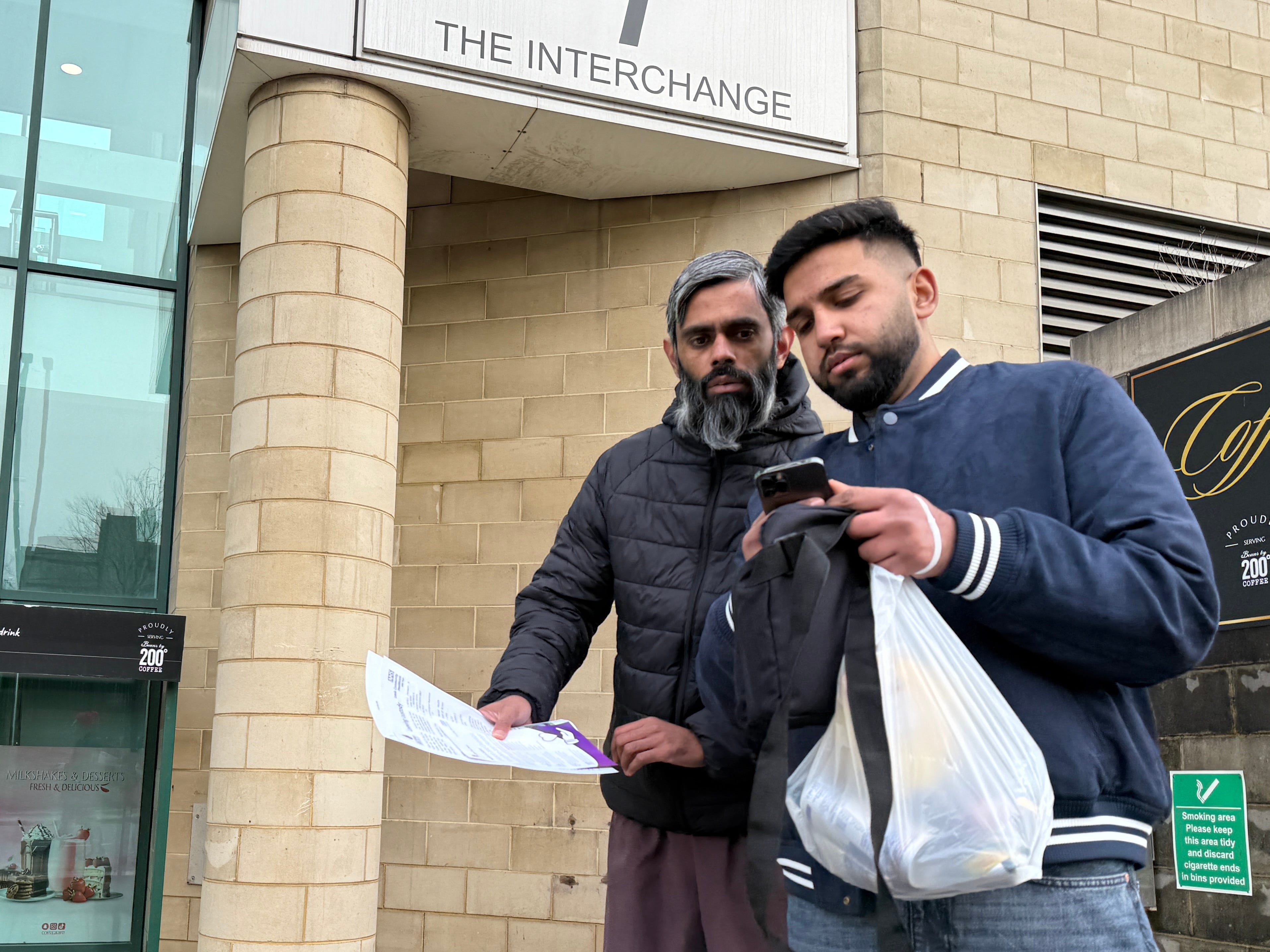
With Jim Ratcliffe’s recent comments about immigration and Nigel Farage currently on course for 10 Downing Street, the question of British culture has become a hot topic. What would it mean to integrate into a culture that has no clear sense of identity?
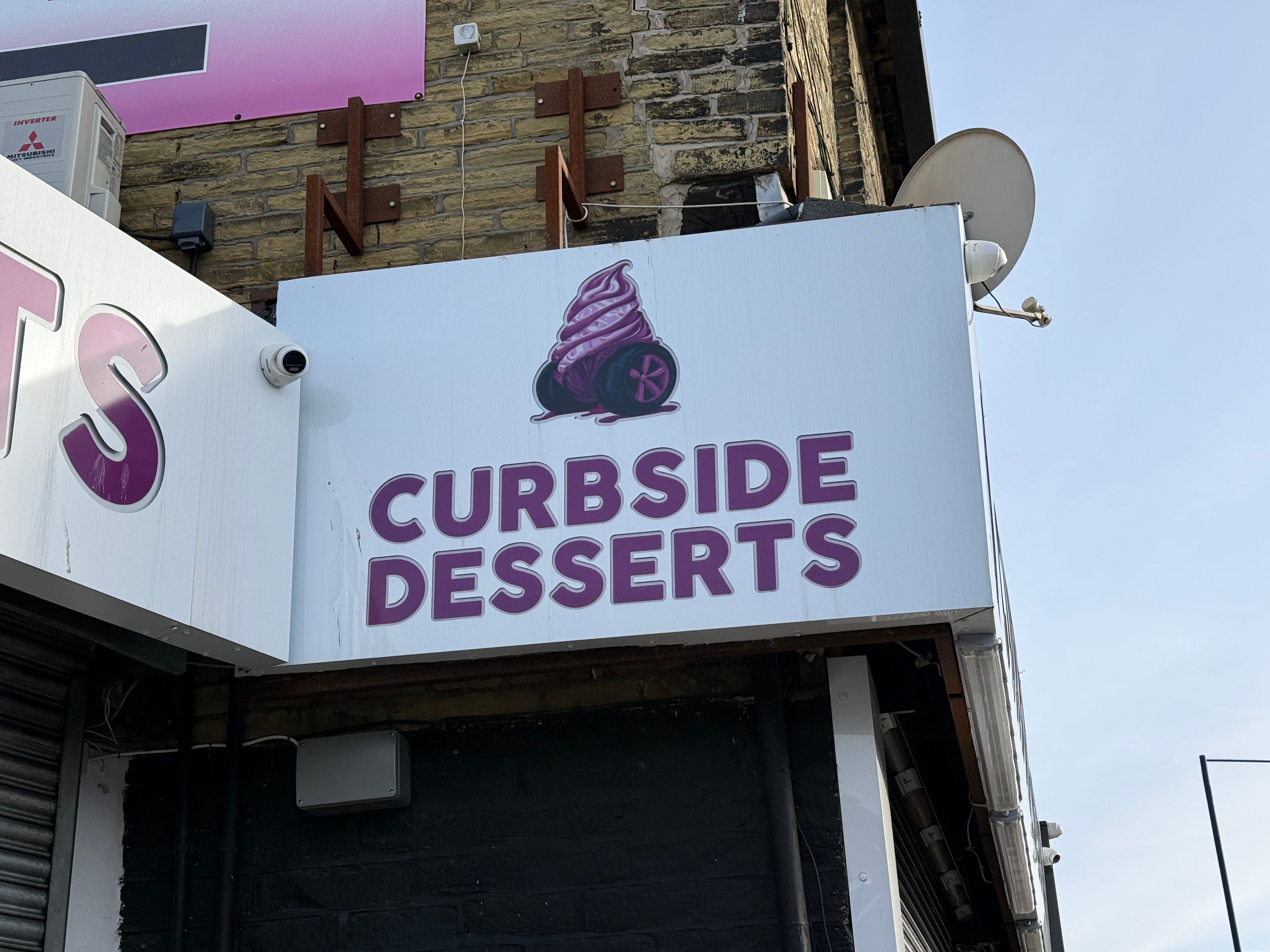
Yet, these debates feel like an indulgence at a time when AI and social media algorithms are accelerating the culture into strange new places. I spotted AI-generated logos on shops all over Bradford.
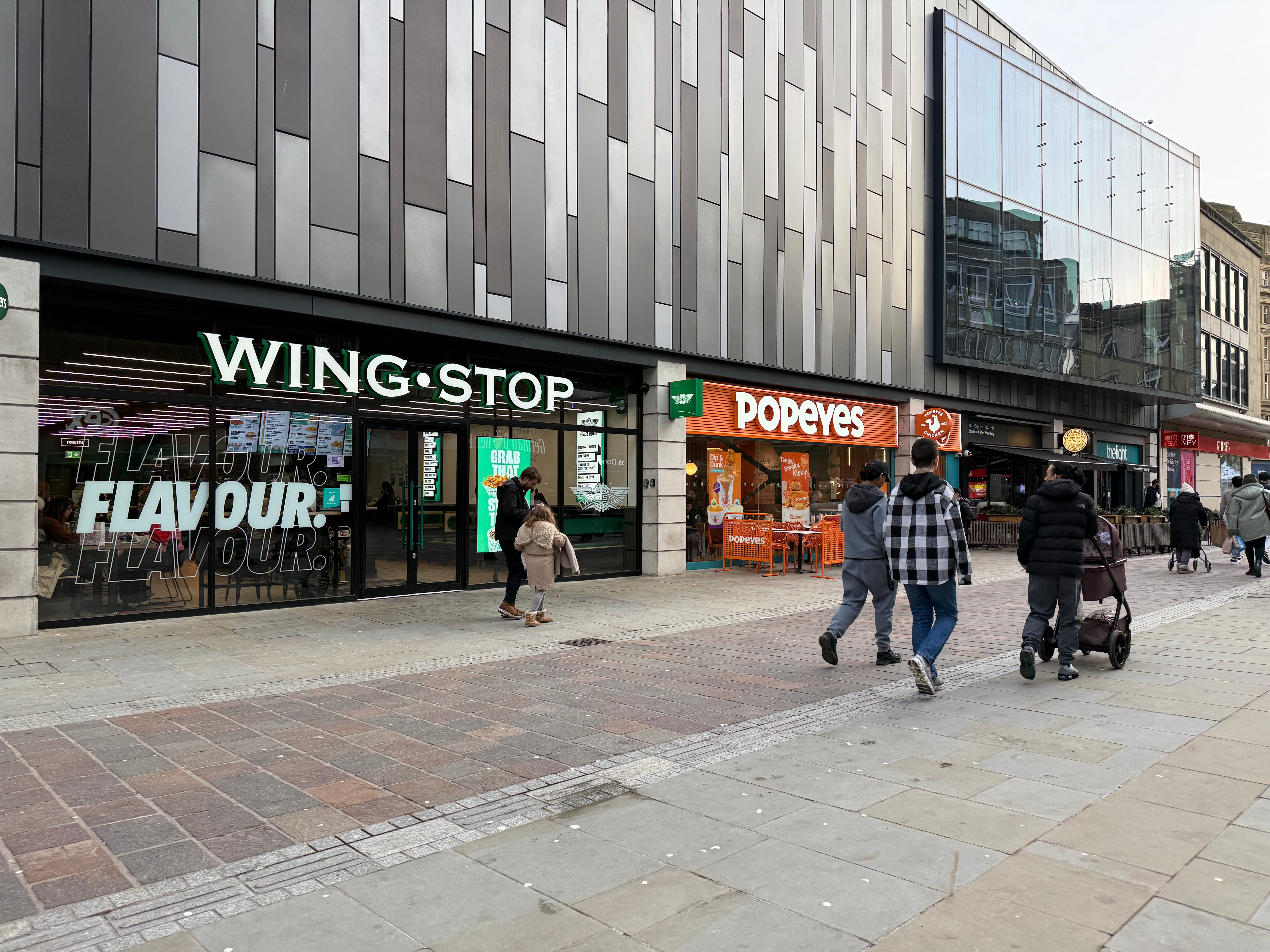
Similarly, the forces of capitalism have led the centre of Bradford to submit almost completely to international fast food chains and fashion retailers.
It is not inconceivable that all culture becomes American culture with a different accent. Take the catchy song ‘Bradford Boy’ by MC Chippy, which I discovered on Drukpa’s entertaining Yookay playlist.
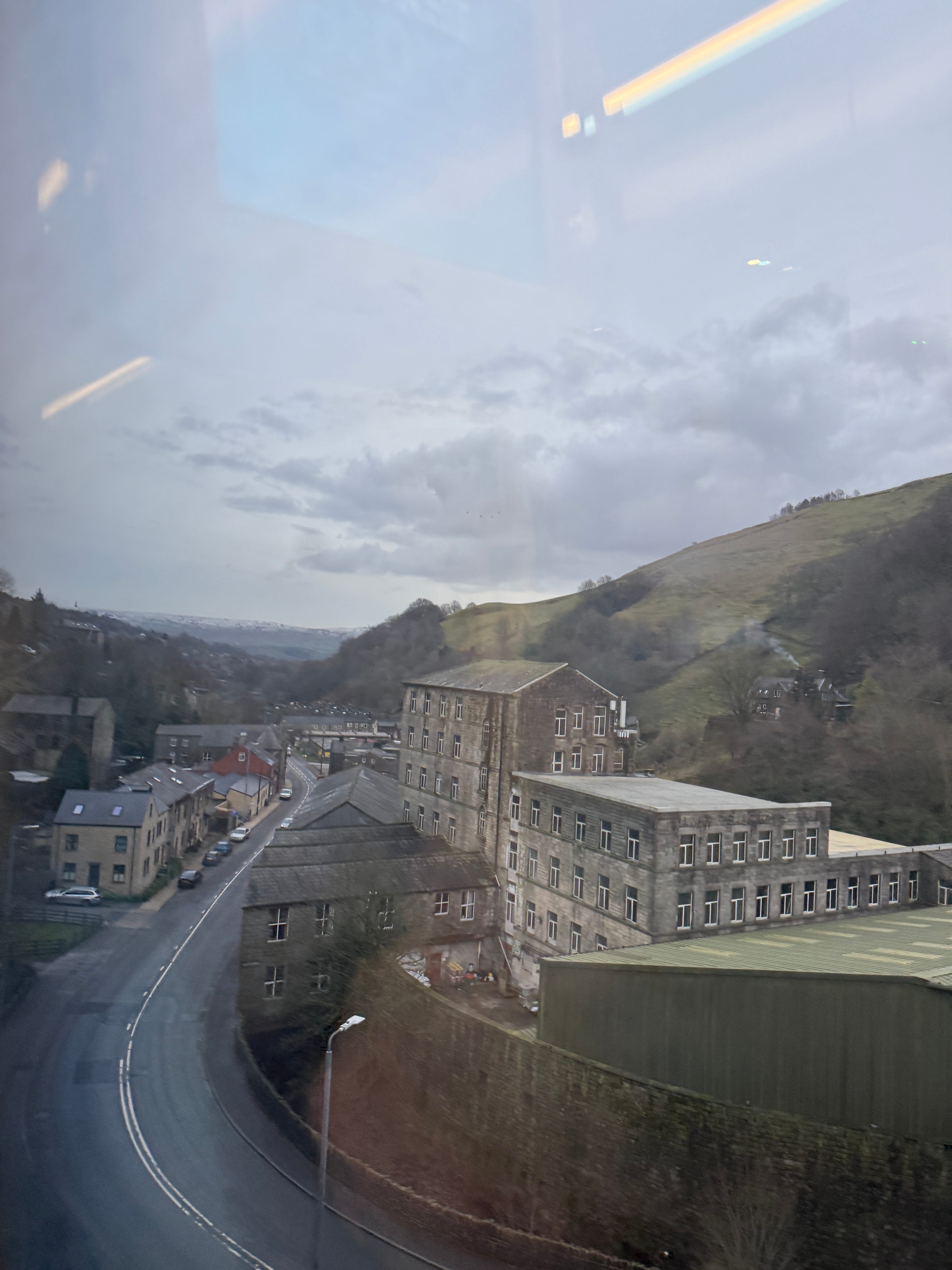
On the train home, I was struck by the number of factories and mills along the Pennine valley. This landscape was transformed by the Industrial Revolution, a revolution that was itself fuelled by the East India Company’s tariffs on cotton. Whether now or back in the nineteenth century, it’s difficult not to feel overawed by the power of capital to alter lives.
We only get a distorted perspective on a place when it only seen vicariously online. To get a fuller picture, I would urge everyone to visit cities like Bradford in person.
Thus far, only the Turner Prize has ventured out of the capital.
See the Anarchy in the “yookay” in the New Statesman, Yookaynian Homesick Blues in The Tribune, Nobody likes the yookay aesthetic in The Critic, Britain against the yookay in The Northern Star, or Yookay Aesthetics here in The Crop.
Great read, thanks Neil. Enjoying your work
Thanks for taking us along on this trip!