


The local is the international.
The national is the parochial.
—Tom Leonard
When the Glaswegian poet Tom Leonard wrote that the national is parochial, he meant that it is an abstraction not experienced through the senses. He offered the example of James Joyce, who is seen as a great Irish novelist, yet focused exclusively on the lives of Dubliners. For Leonard, it was Joyce’s emphasis on local experience that made his art universal.
And what about photography? While it can capture sensory evidence, what we photograph is often predetermined by our expectations, as I found out last weekend when meeting with friends in Budapest.
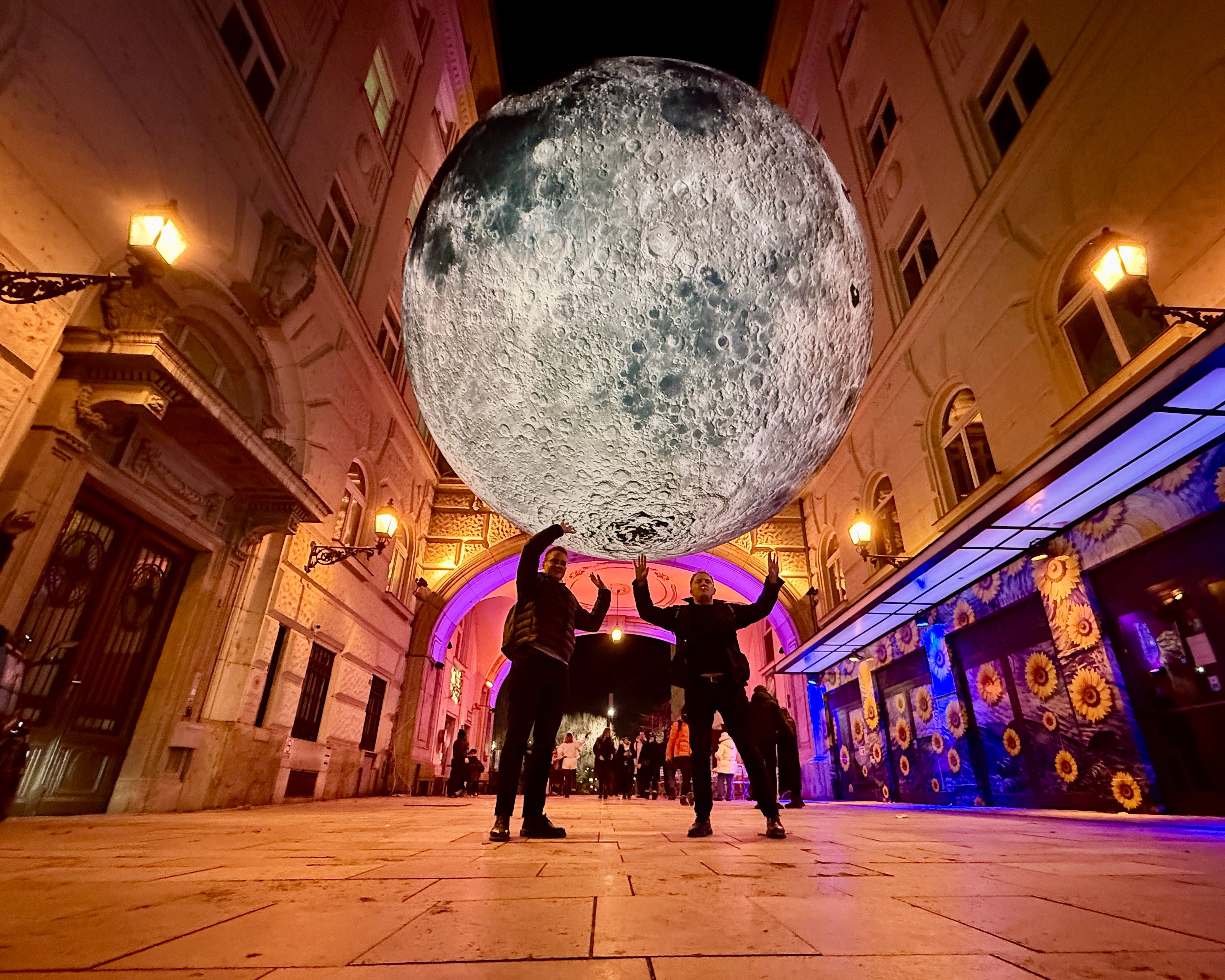
We decided on Budapest because it is exactly equidistant between Glasgow and Cyprus, where one friend lives. But I was also curious to see what decades of national populism have done to the country.
For a long time, Hungary was seen as the black sheep of Europe, but it increasingly feels like a harbinger. The anti-immigrant, anti-LGBT, pro-natalist, and pro-traditional policies of Viktor Orbán have provided inspiration for nationalists all over the world. What does this possible future look like?
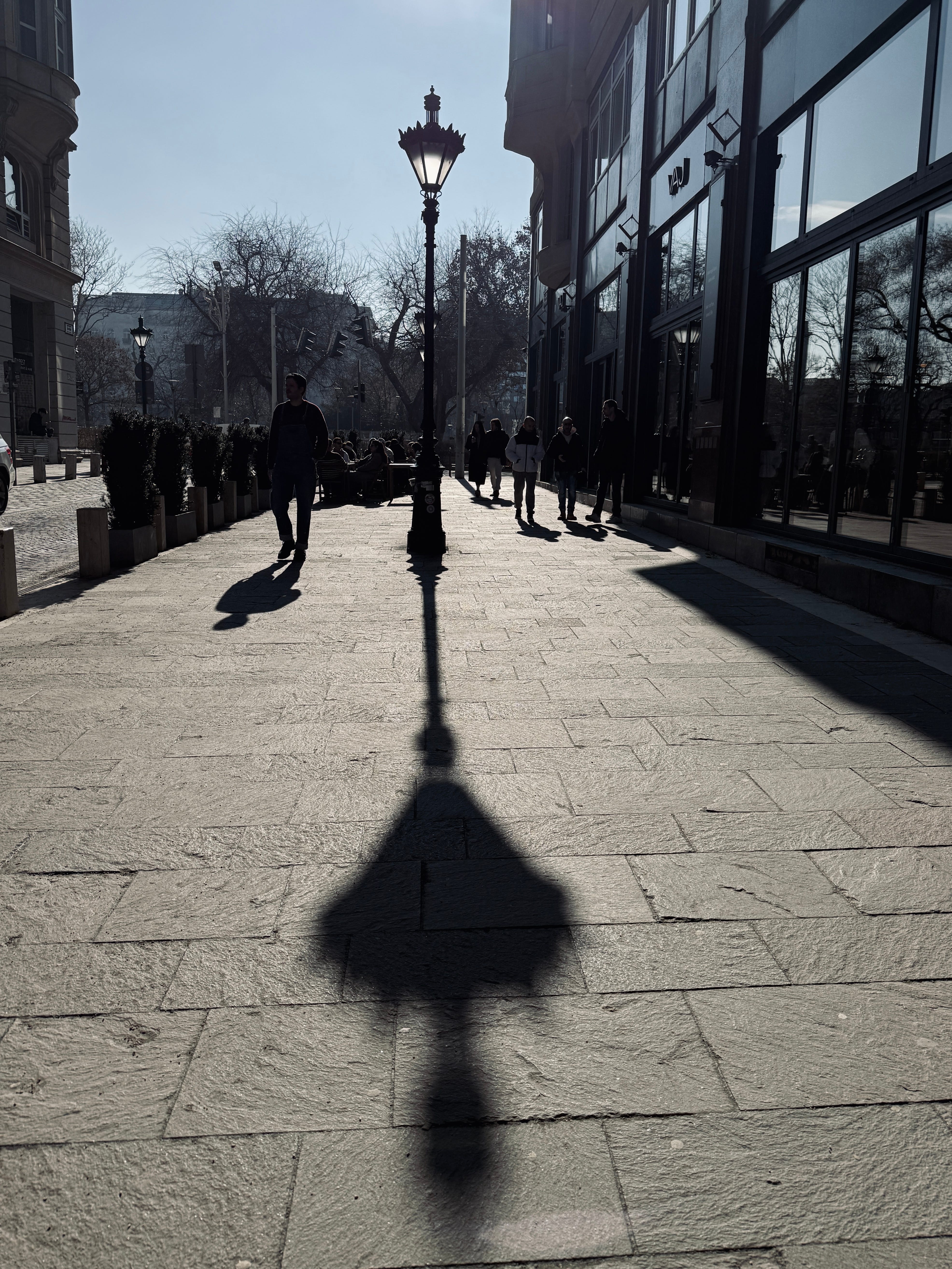
The first thing you notice is that it is an unnervingly quiet city. There are no buskers, barely any beggars. Coming from the chaos of Glasgow, it was eerie.
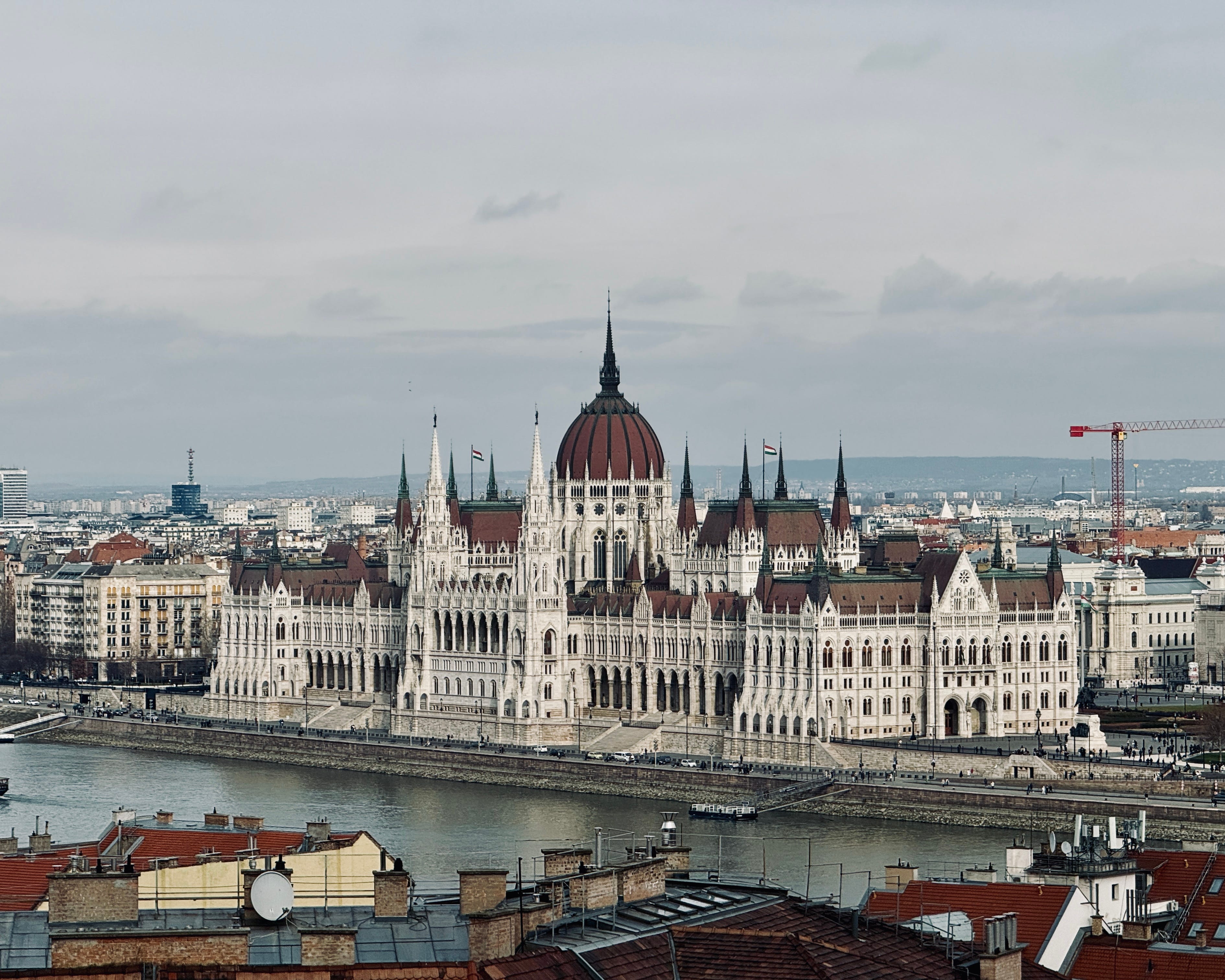
It’s also an extraordinarily grand city, with the neo-Gothic parliament showing the wealth of the Austro-Hungarian empire.
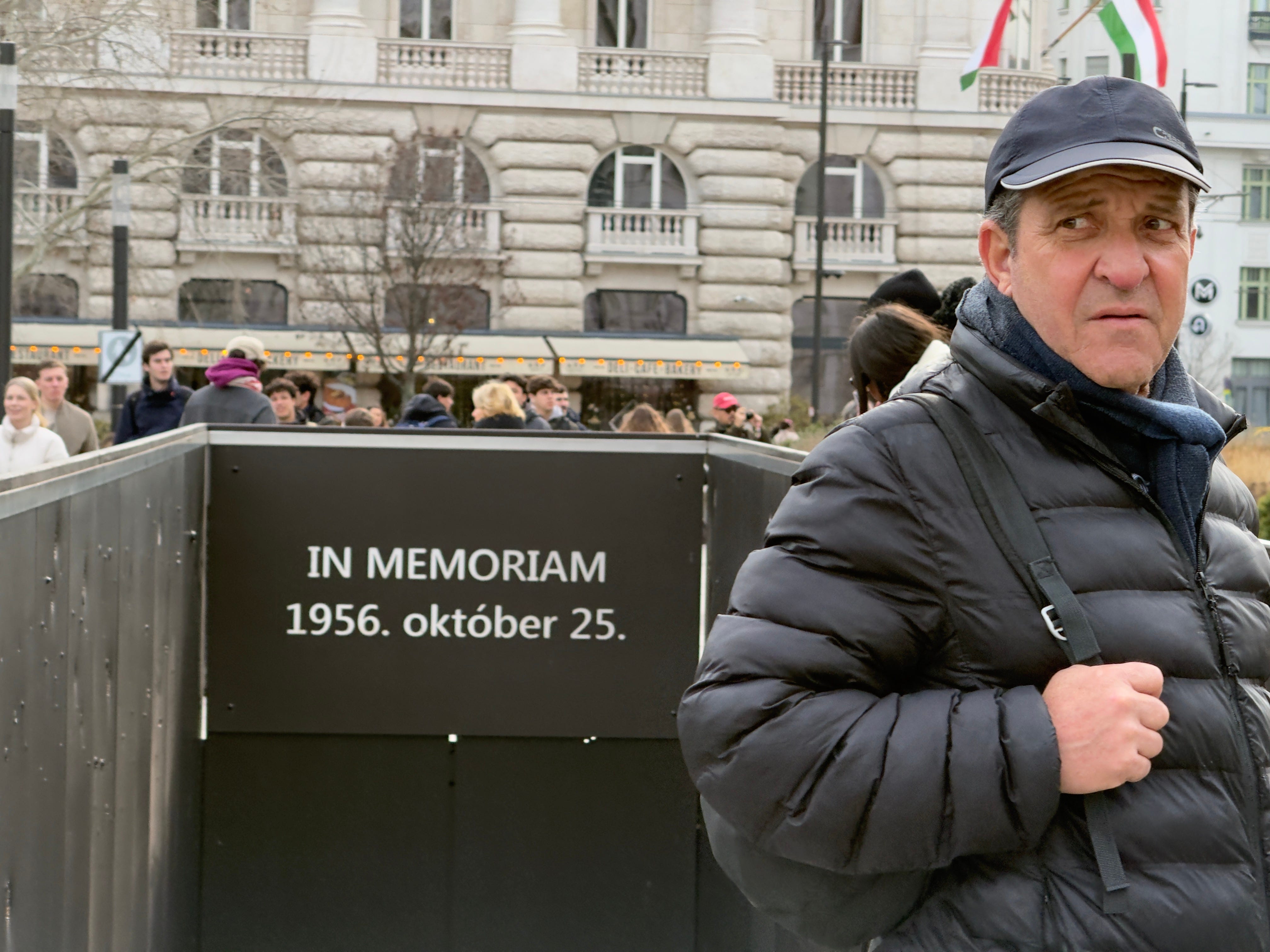
Every so often, the grand narrative is punctuated by one of the many disruptions in Hungarian history. A monument to the crushing of the 1956 revolution demonstrates how nationalist memories are formed.


The eventual collapse of communism saw Hungary integrated into the free market, which they celebrate with statues to George H.W. Bush and Ronald Reagan, as well as the Milton Friedman University.
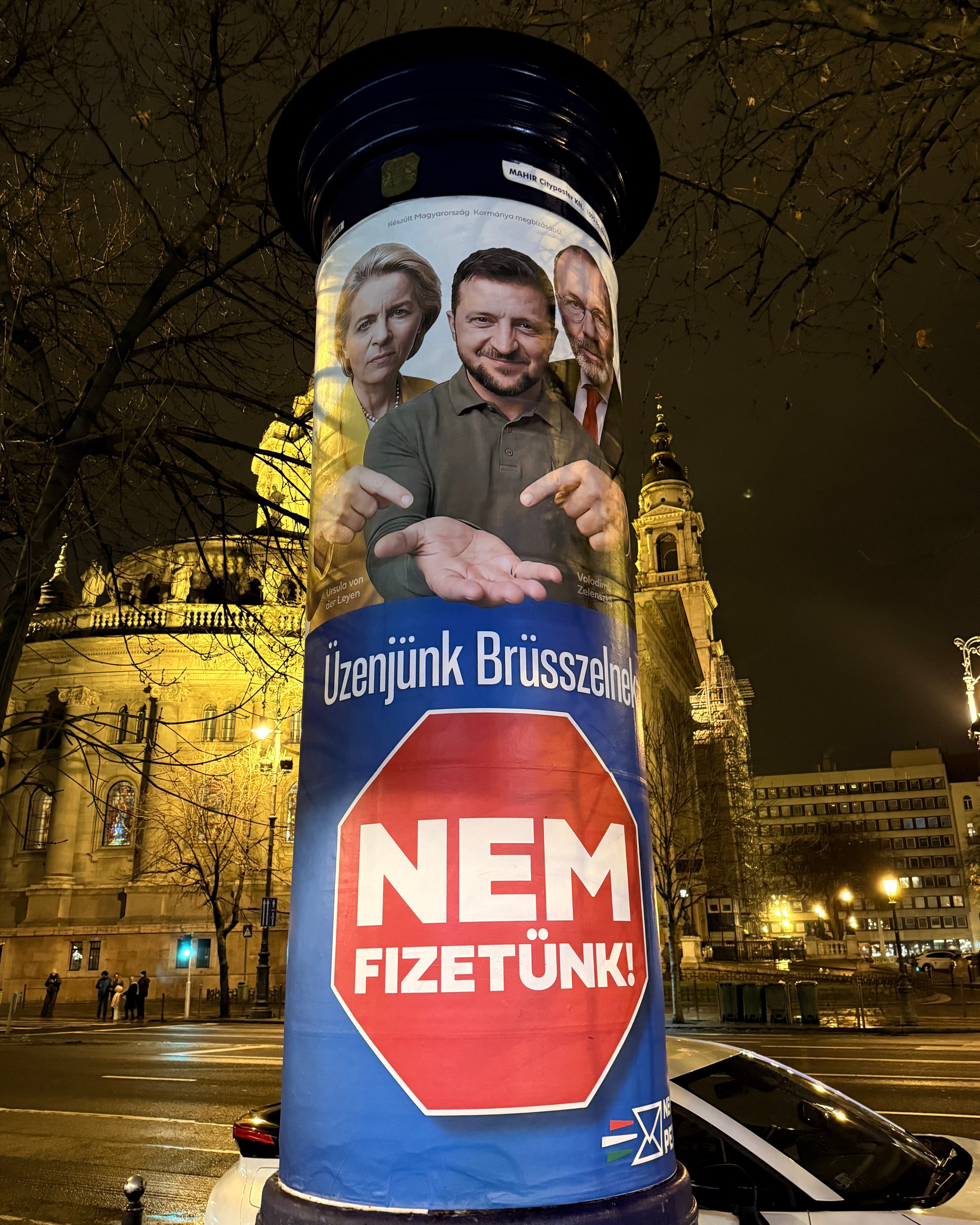
Hungary was the only country within the EU to maintain positive relations with Russia after the Ukraine War. Propaganda posters showing Ursula von der Leyen encouraging financial handouts to Volodymyr Zelenskyy were, to my eyes, extremely jarring.
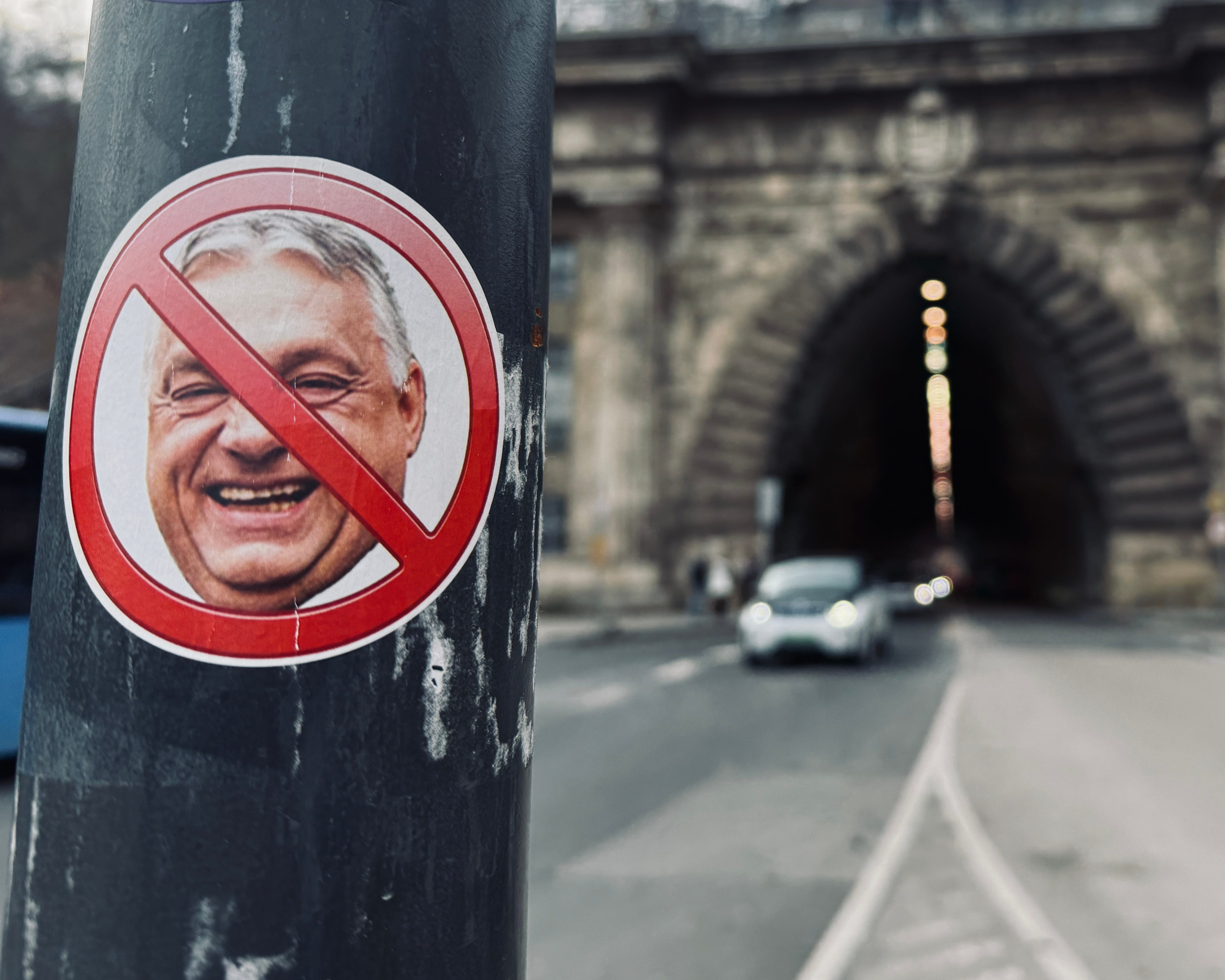
Nevertheless, I only saw one anti-Orbán sticker. Perhaps the government are efficient at removing them, or the punishments are too harsh. Either way, polls suggest Orbán’s Fidesz party are going to lose the forthcoming elections.
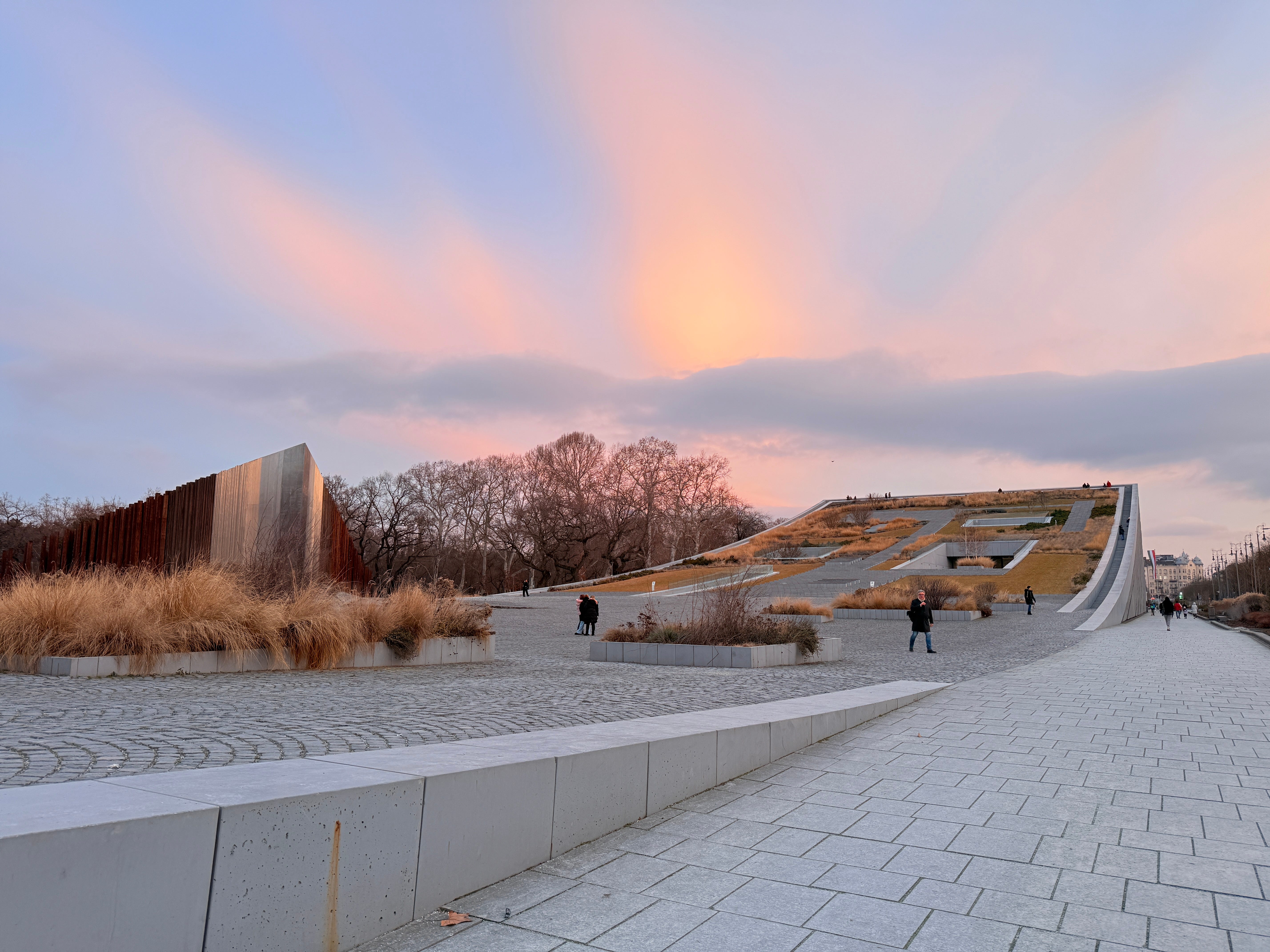
The reason for their unpopularity is corruption, with cronies like Lőrinc Mészáros getting wealthy from state procurement. The construction of the impressive new Museum of Ethnography is one contract the oligarch won recently.


One of the oddest things in Budapest is the series of Scruton cafés dotted over the city. The English philosopher is a minor figure in his home country but a hero in central Europe for supporting conservatism at a time when the only ideas on offer were Marxism-Leninism. The café I went to was pleasant and full of books, but I am not sure if it would make a profit (it is supported by a billion-euro state endowment). Which intellectual would you dedicate a chain of cafés to?
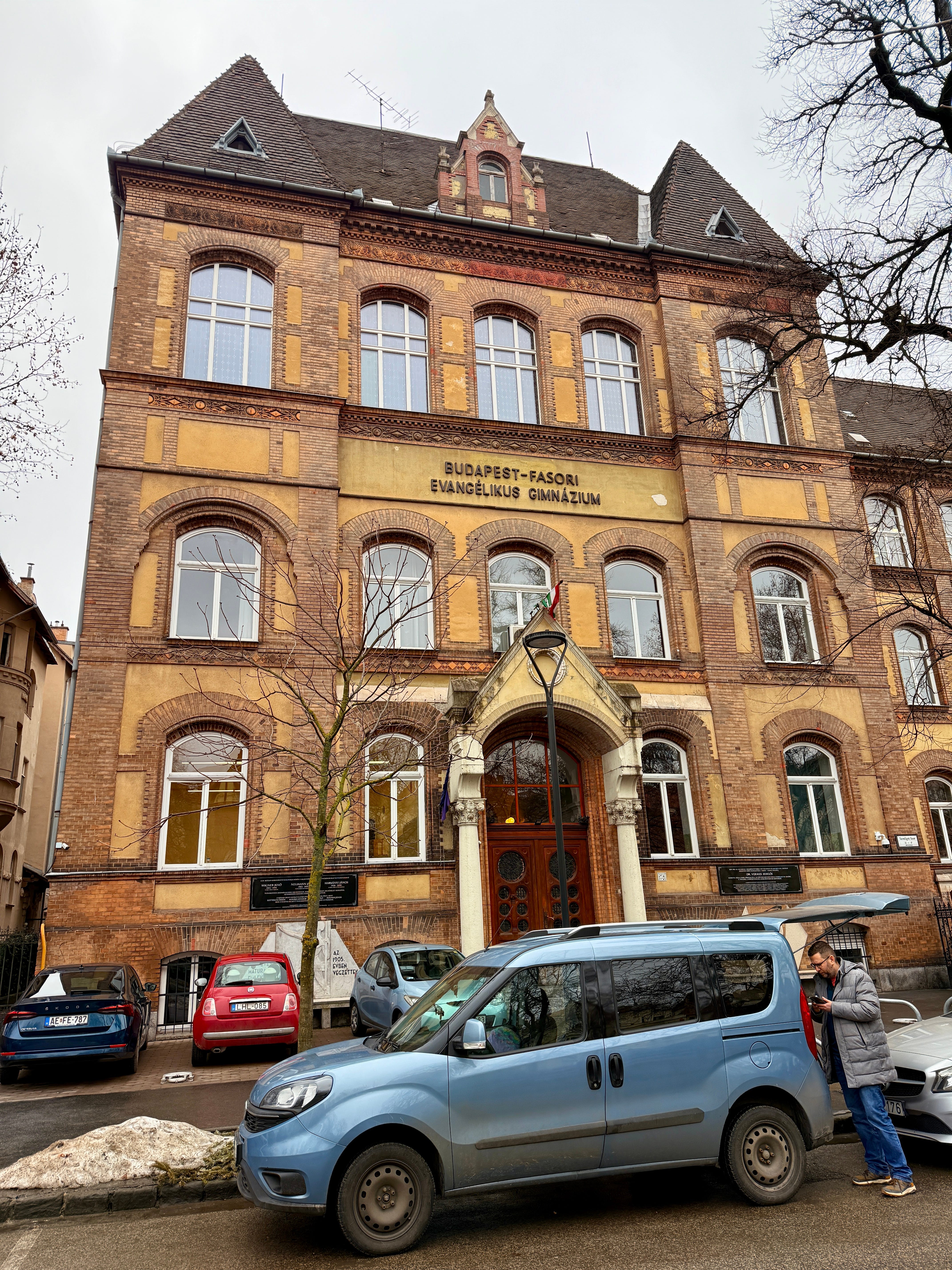
The only pilgrimage I made in Budapest was to the gymnasium where John von Neumann was taught mathematics by László Rátz. This episode was memorably captured in Scott Alexander’s 2017 post The Atomic Bomb Considered As Hungarian High School Science Fair Project.
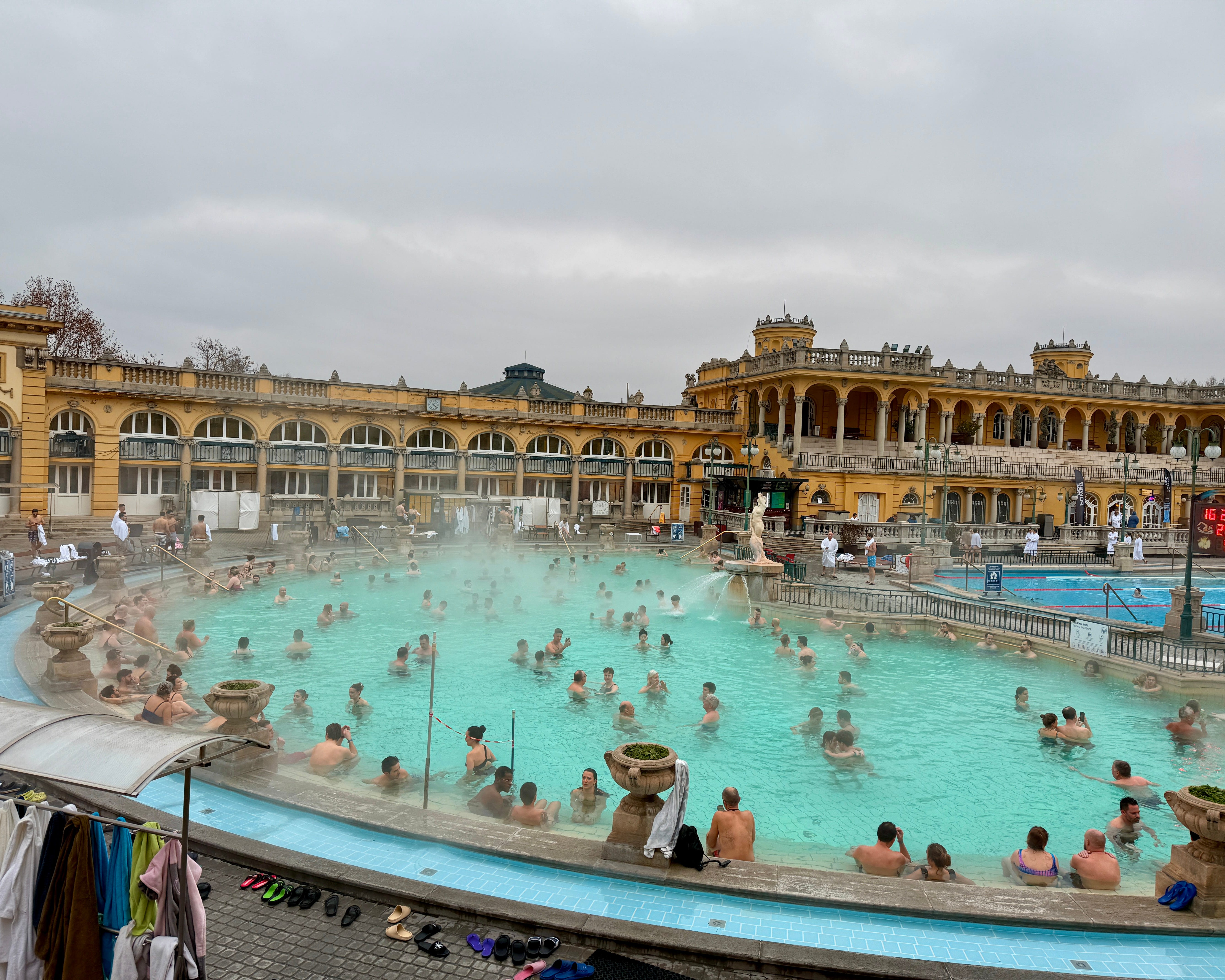
I stopped off at the school on the way to Széchenyi Thermal Baths, an extraordinary spa complex opened a year before the First World War. This was perhaps the highlight of the trip and an amazing example of public luxury.
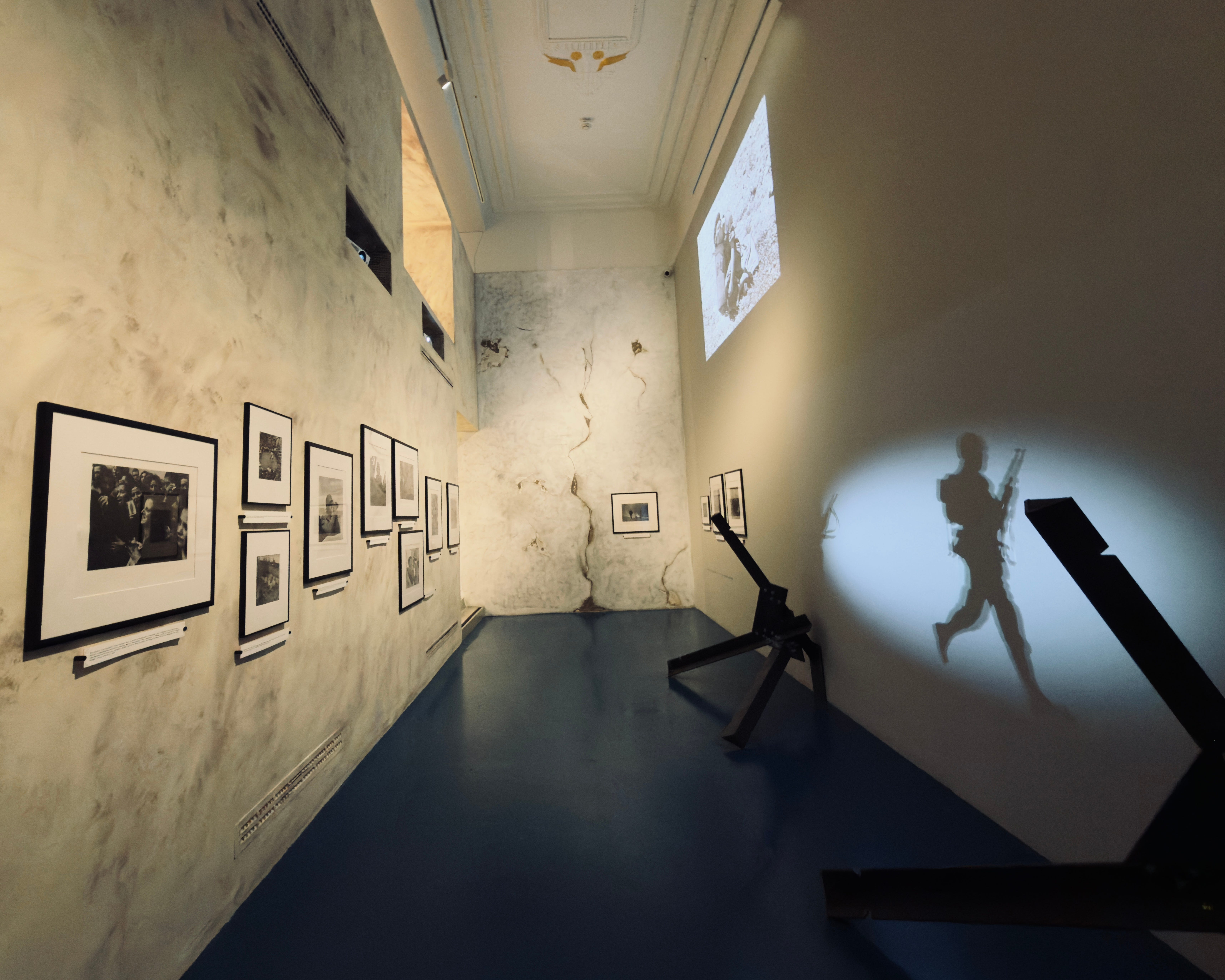
Other highlights included:
The brilliantly curated Robert Capa museum, which not only tells the story of Capa but also provides space to exhibit contemporary photographers like Zoltán Tombor.


And the glorious St. Stephen’s Basilica.
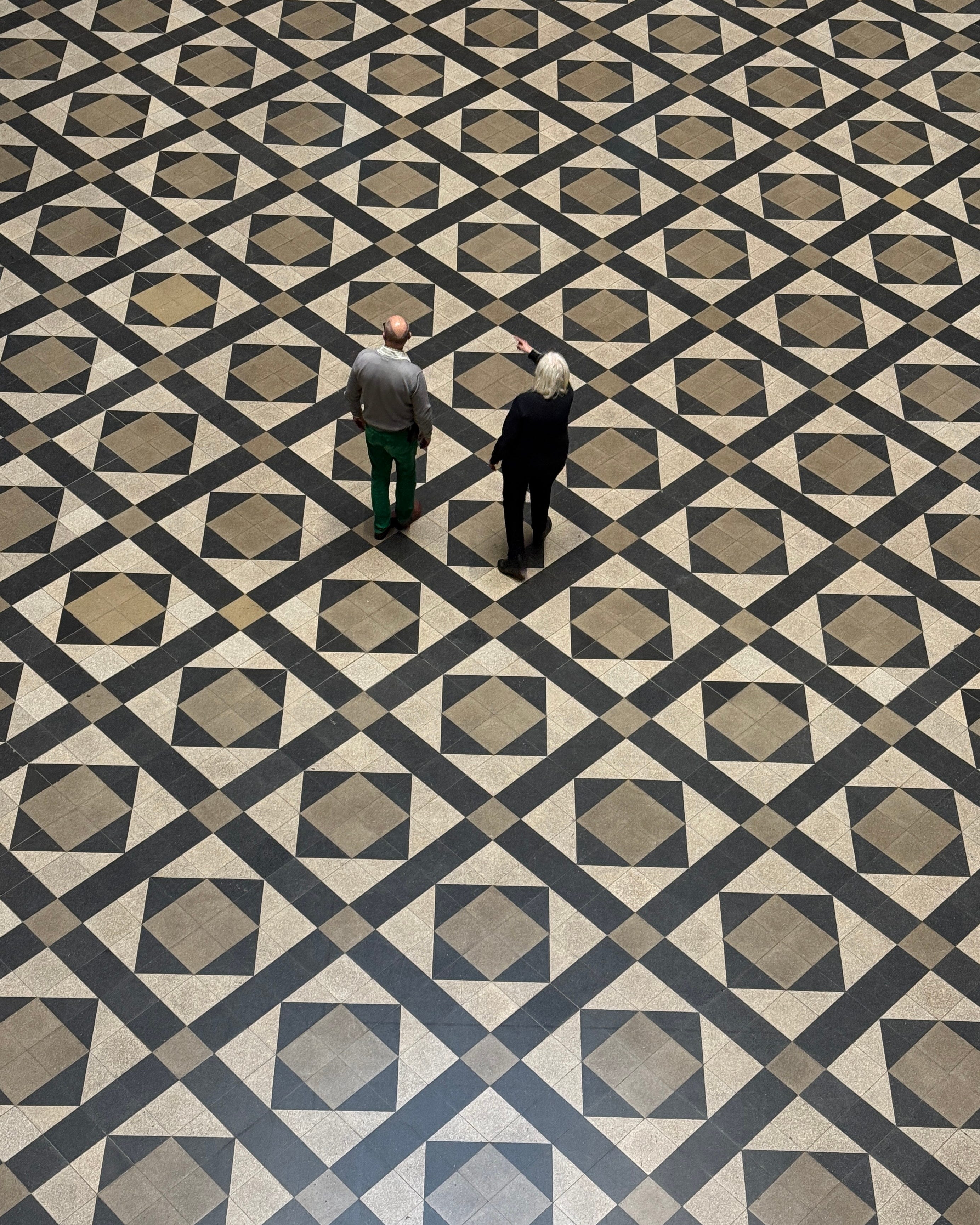
By the end of the trip, I didn’t feel I had grasped the sensory reality of Budapest. But I had a much clearer understanding of how the national story was formed and how it can cast a shadow over the local present.
I've almost finished my friend Luka Jukic's excellent new history of Central Europe. I recommend it if you're hungry for more detail about places like Budapest. I can also immodestly suggest my own essay about the politics of Budapest's buildings and monuments, from just over a year ago: https://unherd.com/2024/12/viktor-orbans-architectural-ambition/
Great photos--perceptive observations--as usual. Thanks--you always present your curiosity in the most amazing style that makes me think about topics that I probably wouldn't otherwise think about.