


The phrase “you can just do things” has become something of a mantra for AI boosters, YIMBYs, self-help authors,1 and people called Sam.2
It’s understandable: the economy is stagnating, projects are being held up by regulations, and human progress is stalling. The YIMBYs, in particular, long to return to an age when essential infrastructure was built quickly and beautifully for the greater good. They admire the figures of the Enlightenment and the Industrial Revolution, those high-agency people who didn’t ask permission.
But what kind of things should you do?
For Sam Altman (OpenAI), it means cutting red tape in the pursuit of superintelligence.

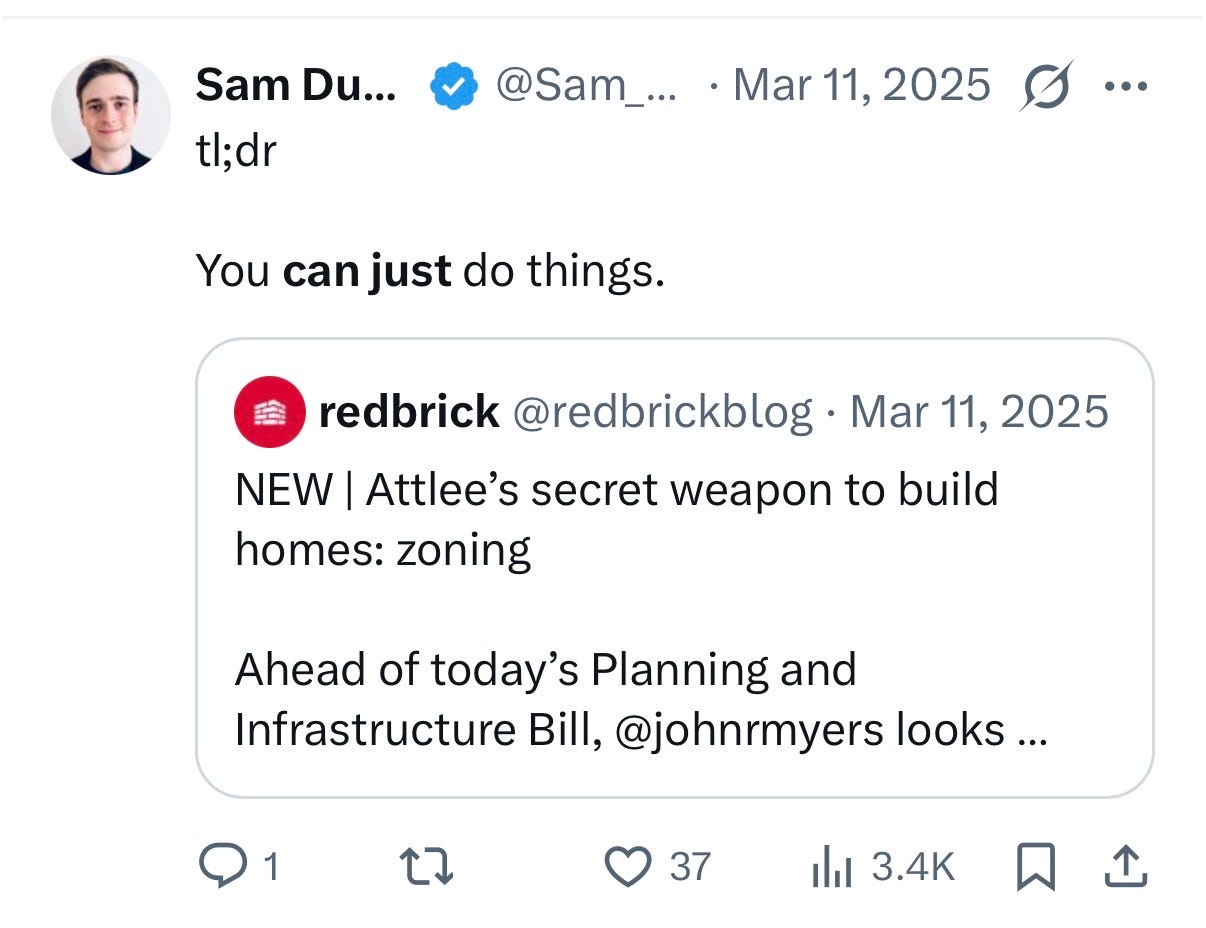
For Sam Dumitriu (Britain Remade), it means cutting red tape.
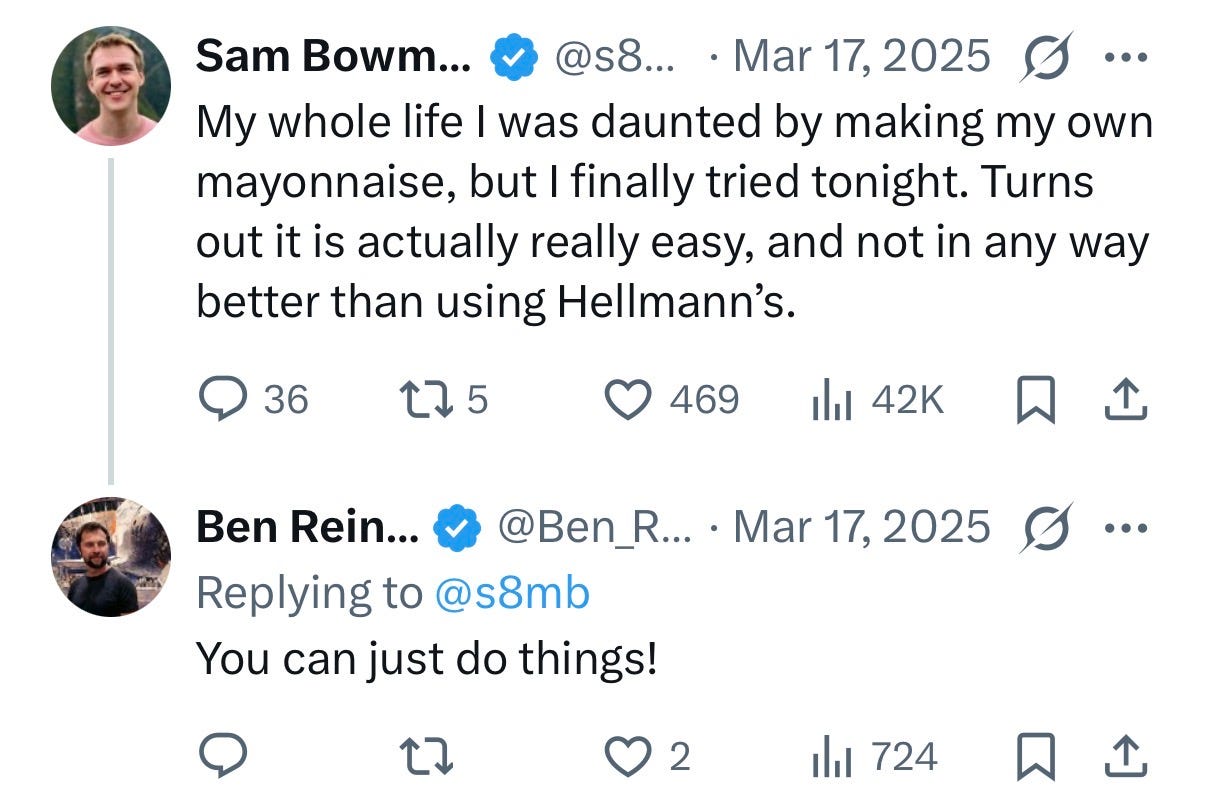
For Sam Bowman (Works in Progress), it means cutting red tape making mayonnaise.
And, for my friend Sam Enright, it means things like setting up a think tank (which advocates for cutting red tape); editing a magazine; appearing on Tyler Cowen’s podcast to discuss Chinese food; becoming a fellow at Patrick Collison and Mario Draghi’s pro-EU reform organisation The Rhine Group; and hosting lots of fun events, like the Astral Codex Ten reading group (where I met him) and a mini-conference in Chicago about Milton Friedman (where he managed to get Agnes Callard and Robin Hanson to participate). No one I know embodies the spirit of you-can-just-do-things more than Sam.
While I was delighted to be invited to his birthday party, I thought it might be quite extravagant to visit Dublin for less than a weekend. Then I remembered that you can just do things. I booked the flights and speculatively messaged Angela Nagle (the only other Dubliner I know on Substack) for recommendations. You can see the final list on this Google Map.
My main guidebook, however, was a 1.5MB plain text version of James Joyce’s Ulysses, which is full of references to real places in Dublin and has recently been turned into an interactive map of the characters’ journeys.3
On the bus from the airport, I spotted on the map that I was next to the site of 7 Eccles Street, home of Leopold and Molly Bloom. I pressed the stop button, but as it was an express service, the bus didn’t stop for another five minutes, by which time I was too far away.
The bus left me outside a cinema which was still showing The Odyssey (the story of which is one of the inspirations for Ulysses). Personally, I was disappointed by the ponderous bombast of Christopher Nolan’s adaptation. Hollywood audiences are addicted to spectacle, but I prefer Nolan’s work at a smaller scale, as seen in Memento. I just wish he’d made a version of Joyce’s Ulysses.
Near the bus stop was an enormous pointy-yet-pointless 120-metre stainless-steel spike — The Spire — which is itself a pretty good example of “you can just do things.” Completed in 2003 at a cost of almost €5 million, it was designed by architect Ian Ritchie as a replacement for Nelson’s Pillar, which was blown up in 1966, the 50th anniversary year of the Easter Rising.
And just across the road there’s The Portal: a stranger example of “you can just do things.” Unveiled in May 2024, it provides a two-way live video feed to another city.
Conceived by Lithuanian artist Benediktas Gylys, it soon became notorious for nudity and inappropriate gestures. When I was there, I was too tired to realise what was happening so couldn’t respond with much enthusiasm to the people waving at me from Vilnius.
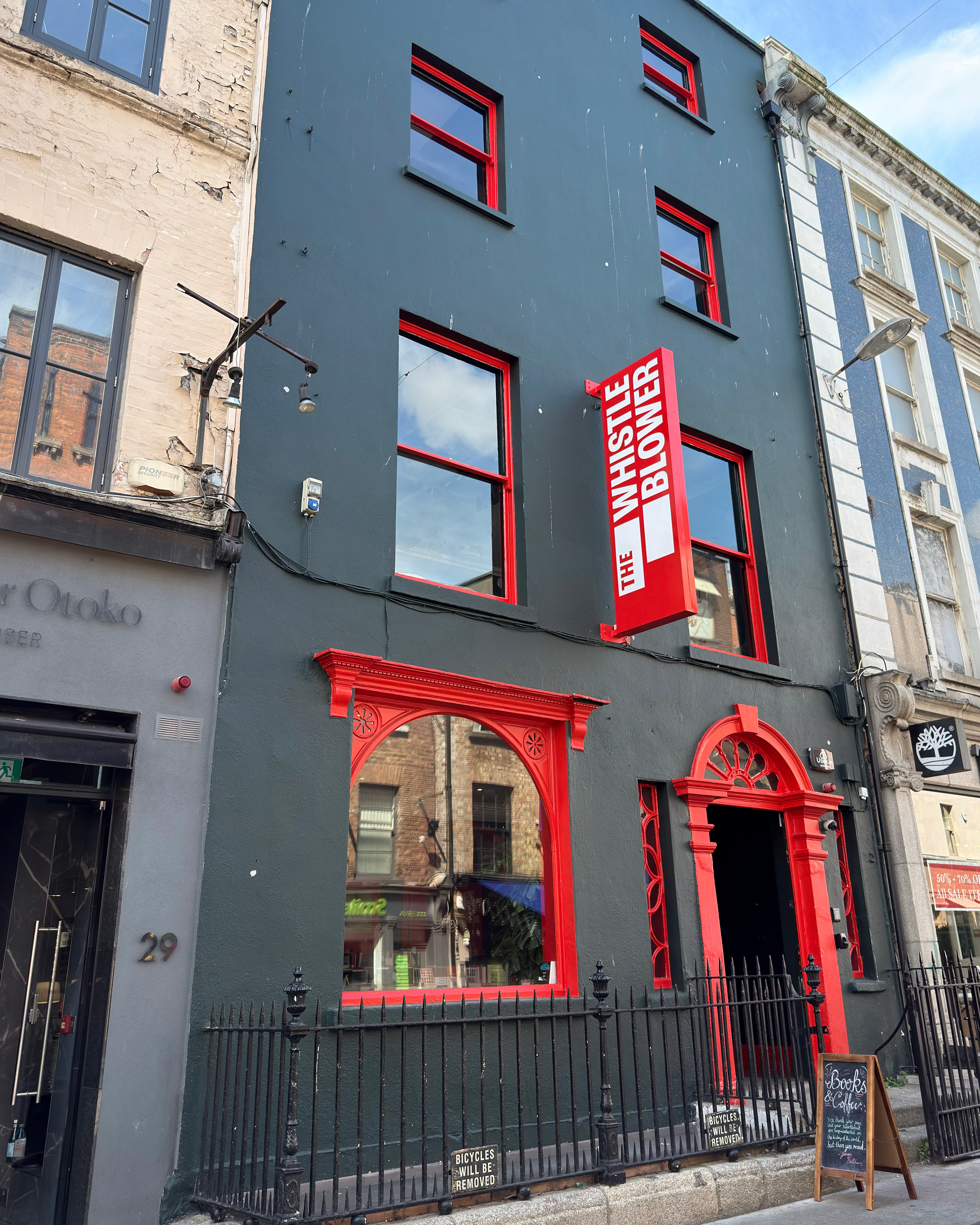
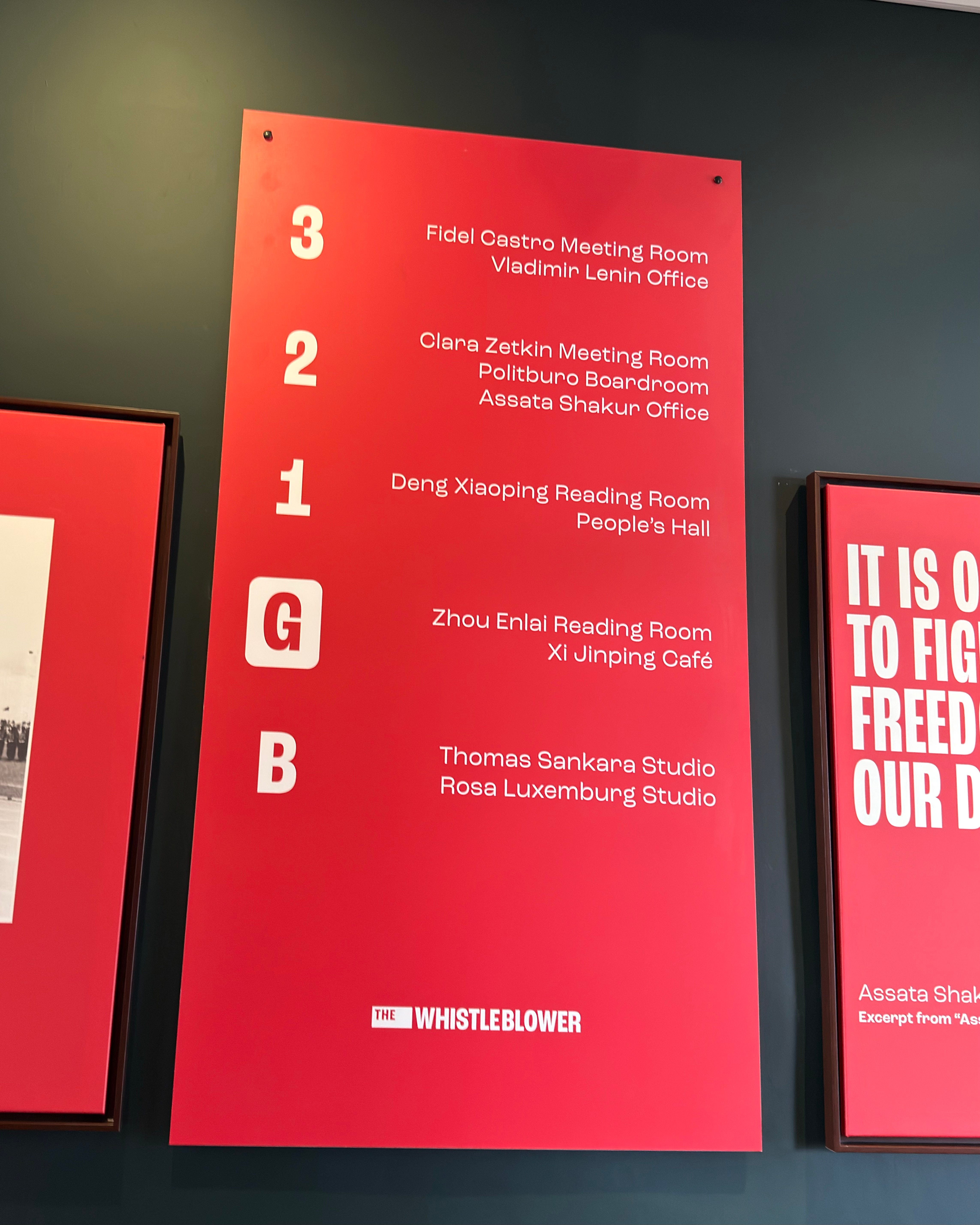
A few months ago, one of my photos of Camilla Grudova was used for her event at a bookshop in Dublin called The Whistleblower. The shop was opened recently by Paddy Cosgrave, a millionaire conference organiser who opposes American imperialism, and includes a Vladimir Lenin Office and a Xi Jinping Café.
Everywhere you go, once you’re attuned to it, you notice the ridiculous and impressive things people have decided to do.
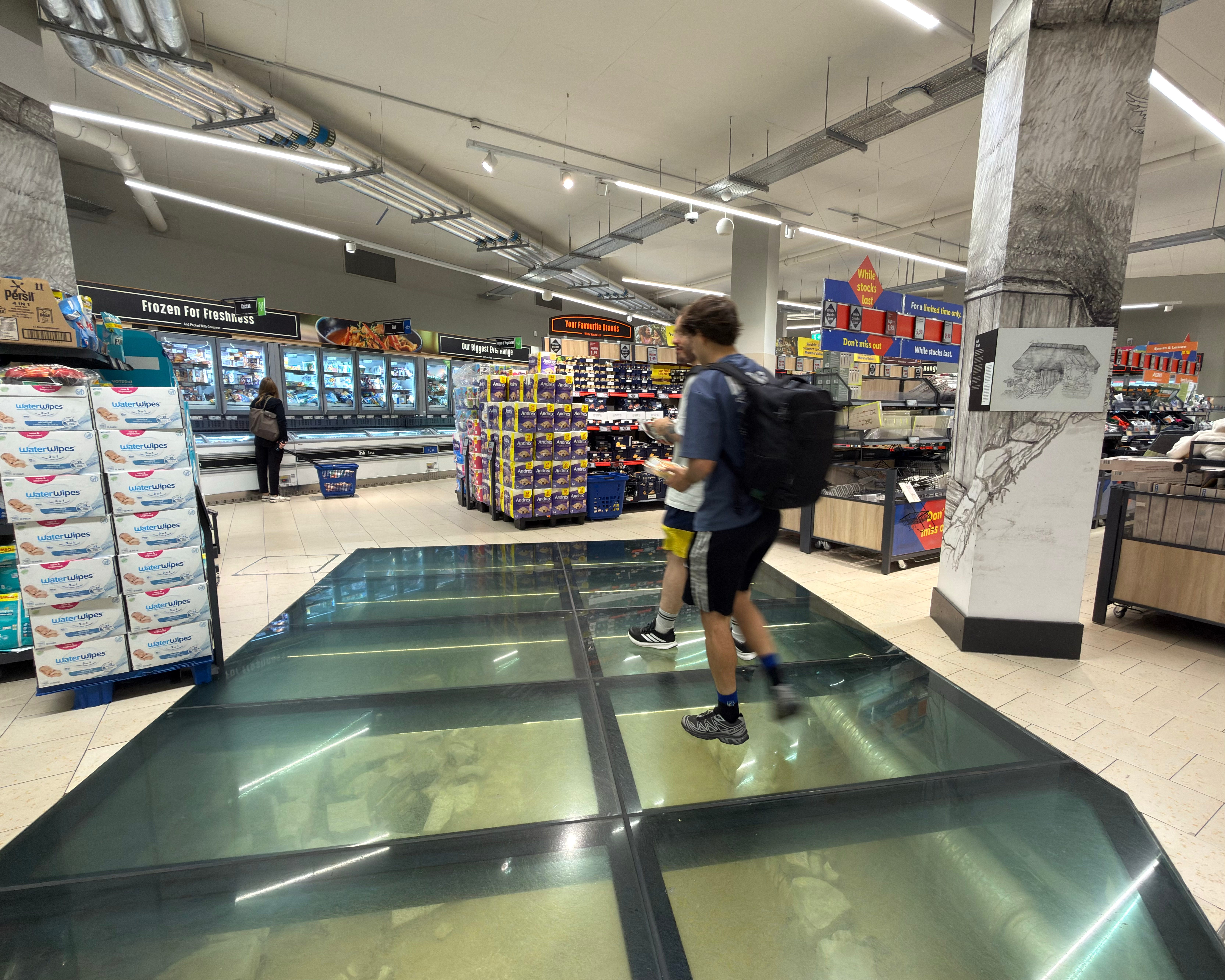
Like the Viking remains under glass at one of the Lidls in Dublin.
Or, like Sam’s parents, installing an actual Guinness pump in their house.4

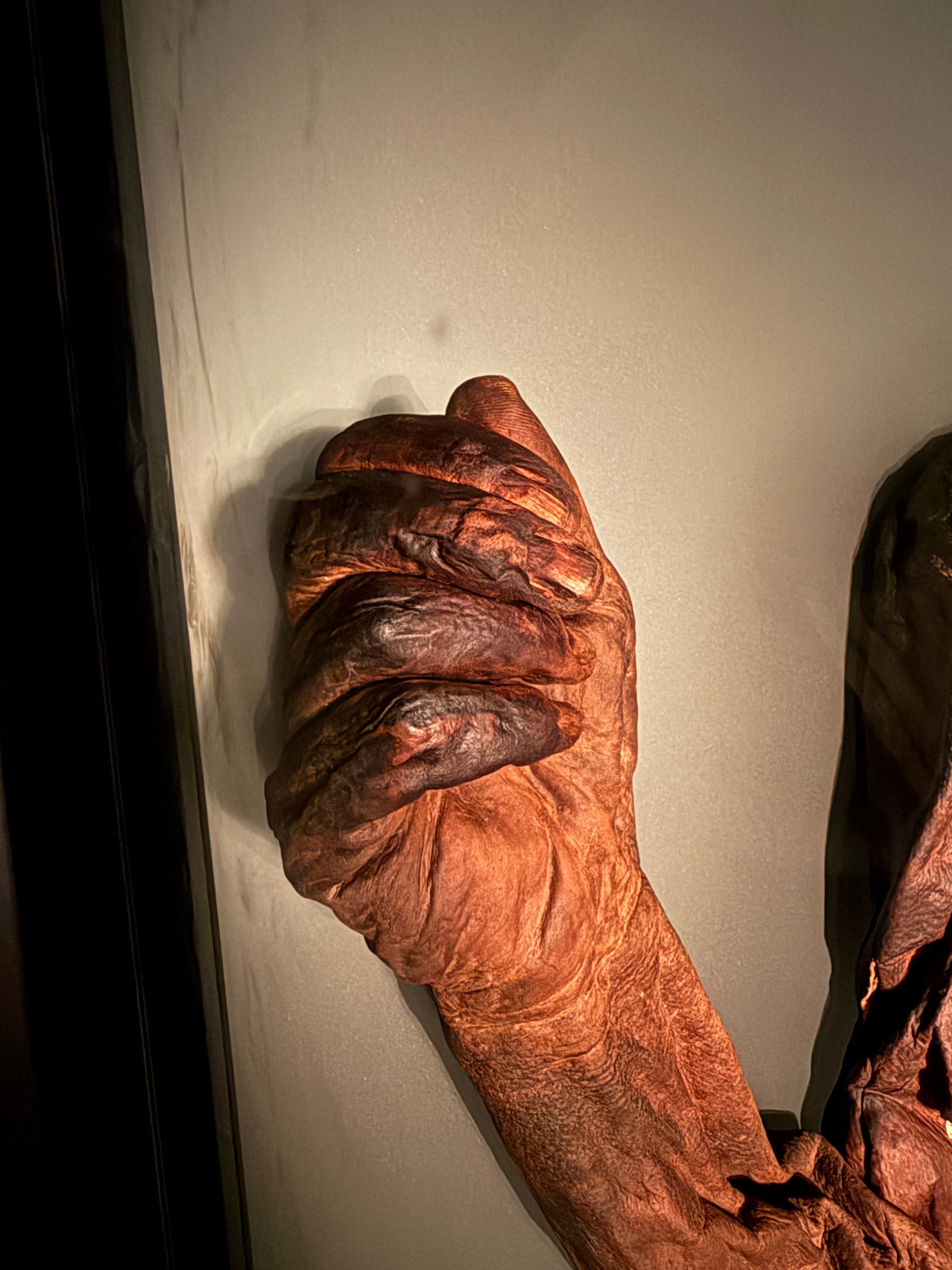
At Sam’s party, I asked a few attendees what their Dublin highlights were and the number one recommendation was to see the Bog Bodies in the National Museum. With the ethics of displaying mummies in the news, the Bog Bodies might not be there forever, but it was amazing to see this one with his Morrissey-esque quiff.5
Due to the civil war, Dublin was largely saved from the fashion for modernist architecture, but Trinity College has a brutalist library that was, until recently, named after the idealist philosopher George Berkeley.
Around the time of George Floyd’s murder, it came to light that Berkeley had been a slave-owner when he lived in America, leading the university to “dename” the library. The decision was somewhat controversial, but it was brave to publish all the trollish suggestions like “Winston Smith’s Memory Hole” and “The Mao Tse-tung Centre for Re-education”.6
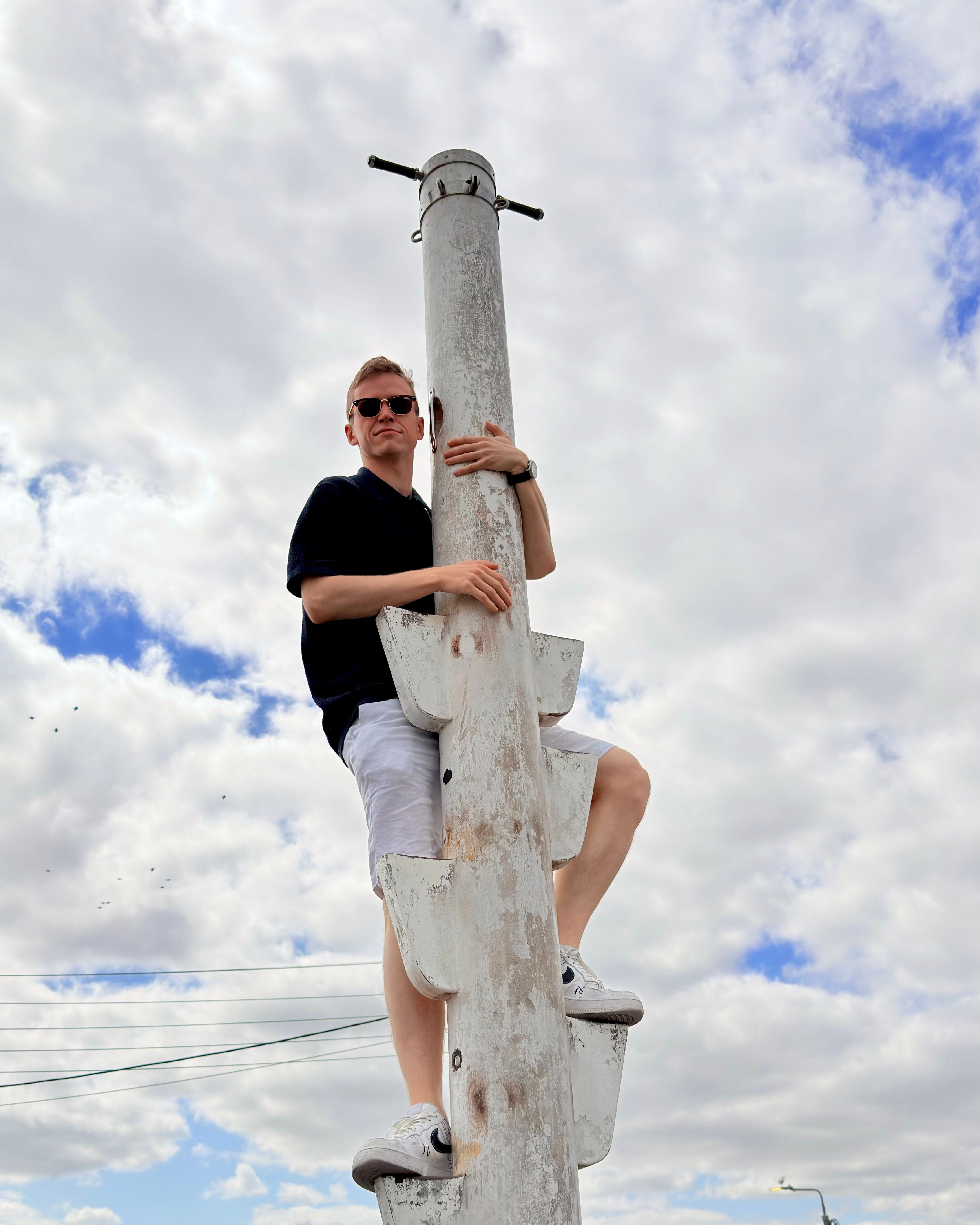
The only time Sam Enright has used the phrase “you can just do things” was when quoting his friend Gavin Leech, who wrote in a blog post: “You Can Just Do Things; But Most of You Should Not.”
I emailed Leech asking for clarification:
It’s a joke with a serious point underneath.
“Agency” is a virtue (god knows I’ve walked n talked myself out of a thousand bad situations, god knows much of what is good in my life comes from the petty bravery of writing online and starting a business) but it requires balance or it produces harm, crime, and tastelessness. (I once visited the FTX people, who had about 10 sigma too much agency.)
Besides stealing customer funds, the central example of something which both Nature and society makes easy, but which we really ought to be wiser about, is the breakneck construction of a new species which is more powerful than us and which doesn’t share our goals.
Otherwise I’m just being Schopenhauerian and contrary because I hate SF [San Francisco].
Of all the Sams, it was Sam Bankman-Fried, founder of FTX, who pursued “you can just do things” to the furthest extreme, defrauding crypto investors of their money in order to make bigger bets, ostensibly in pursuit of effective altruism.
As I wrote last week, you can just do things but there are consequences. Visiting Dublin was nothing but fun. I recommend you do it.
There have been two books called You Can Just Do Things published recently. One is generic, self-help slop by Jay Yang. The other is a nuanced, introspective, and much more interesting self-help book by Cate Hall and Sasha Chapin.


But not all Sams.
Sam Kriss criticised the movement in Harper’s magazine earlier this year:
The highly agentic are people who just do things. They don’t timidly wait for permission or consensus; they drive like bulldozers through whatever’s in their way. When they see something that could be changed in the world, they don’t write a lengthy critique—they change it.
Likewise, Samuel Beckett was famous for his denial of agency. I gave Sam Enright a copy of Murphy for his birthday, which opens with the immortal line:
“The sun shone, having no alternative, on the nothing new.”
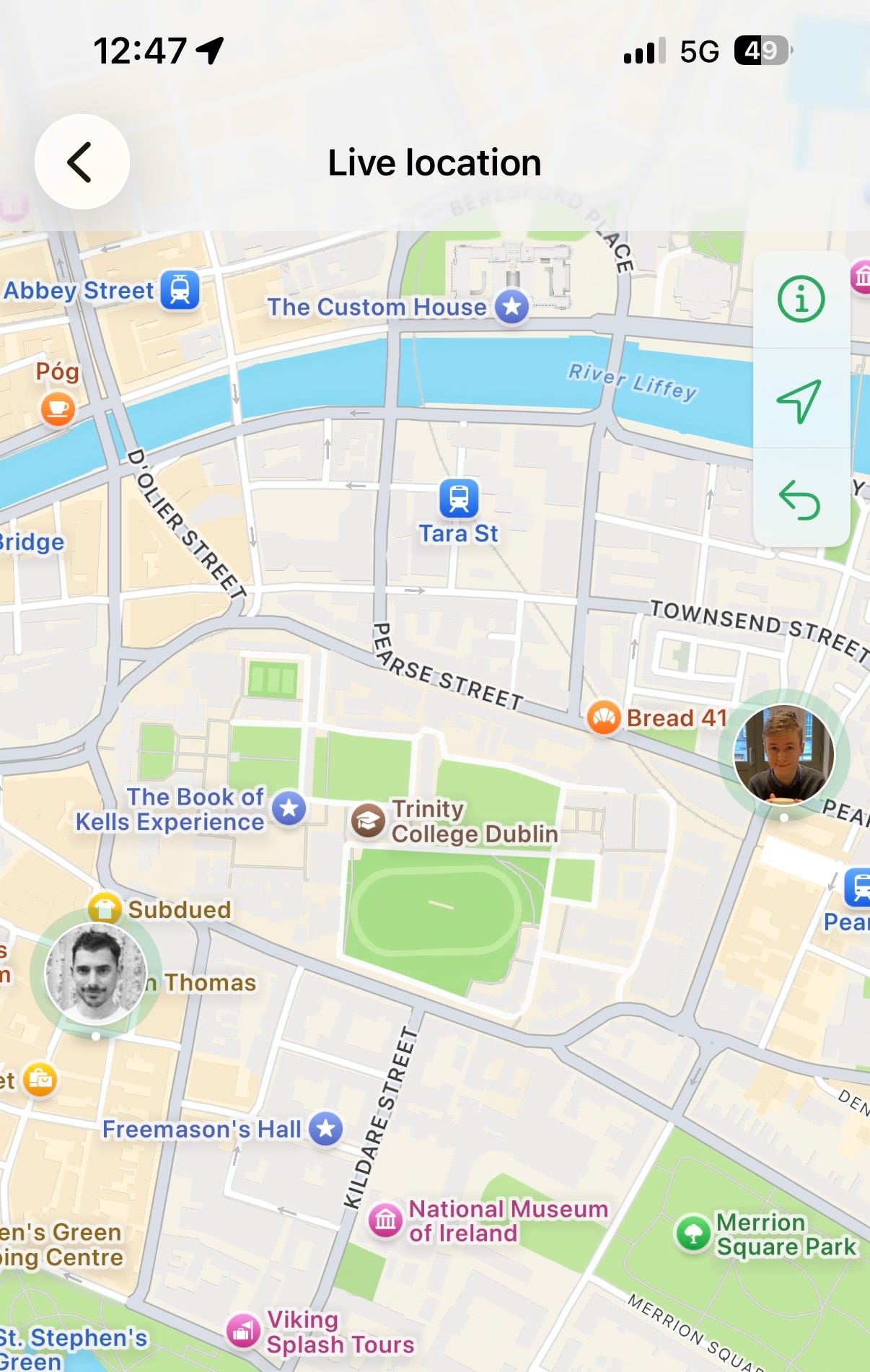
As an aside, Ulysses would have been a very different book if the character’s live locations had been turned on:
This sounds like an indisputably good thing, but Guinness does go off, so you have to drink a lot of it if you buy a keg.
Another bog body there is famous for his immaculate nails.
They eventually chose to rename it after the poet Eavan Boland.
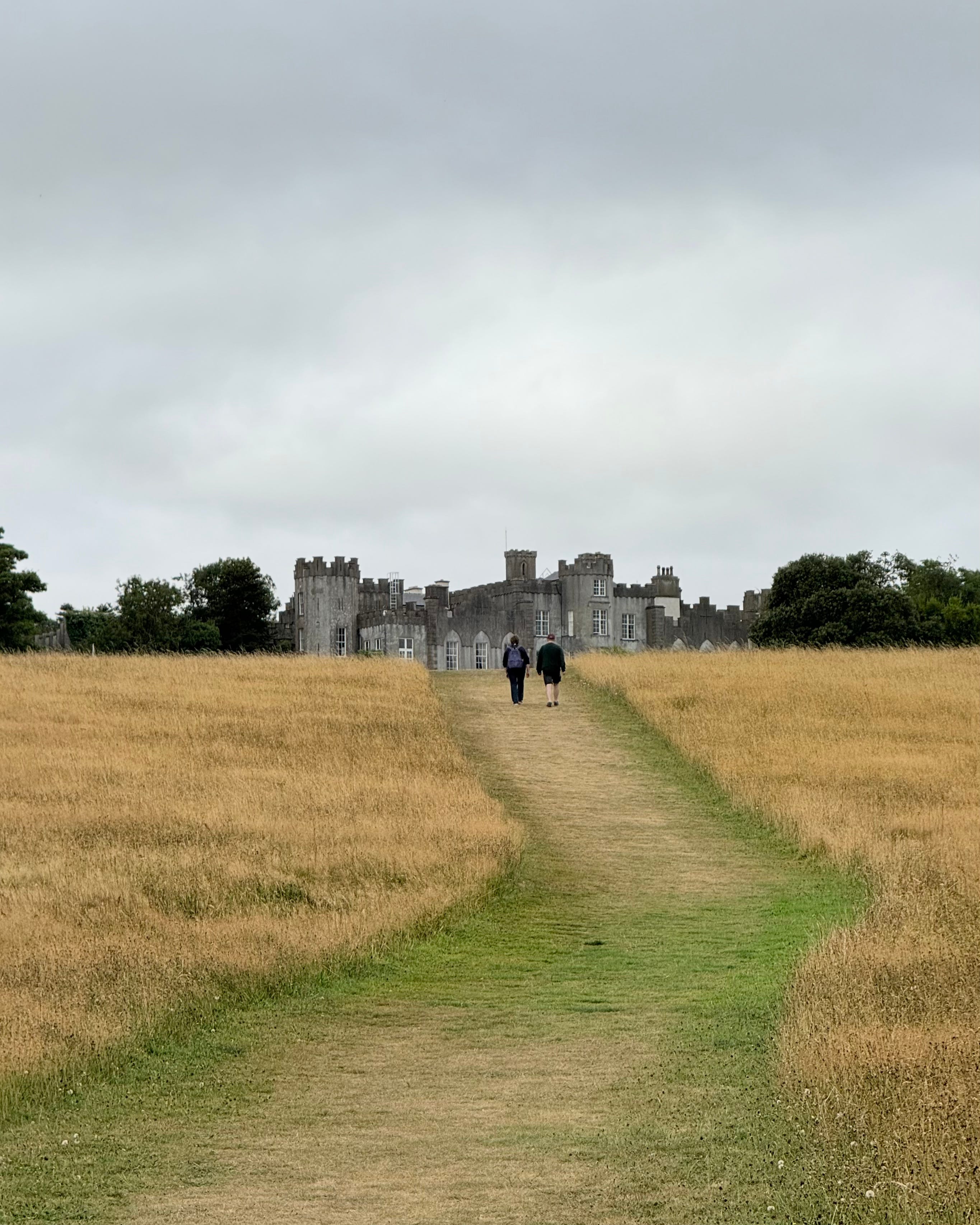
now let's see if i remember correctly: in the last photo, is that malahide castle?
Nice photos and interesting text, Neil. It's bee a long while since I went to Dublin - always on business but we did schedule extra time to allow for a few 'sessions', walkabouts and a trip to the Guinness brewery. We stayed at / in the vicinity of the Temple Bar Hotel. A lovely place and great folk. I must get back there one day.....