


One of the first things I learnt about photography is that there are tribes who believe that having your photo taken steals part of your soul. As a child, this seemed plausible to me: fixing light onto paper? It must be magic.1
Later on, as a fan of anti-celebrities like Kurt Cobain, this idea returned. Maybe the reason normal pop stars were so banal was because the constant attention of cameras had sucked out their soul.2
Nowadays I know that, while a photo doesn’t steal the soul, it can do strange things to people’s sense of self. The still image induces self-consciousness, as if by storing all those frozen moments we become less embodied in the present.
It doesn’t help that the language of photographers is so brutal. Thomas Joshua Cooper sums it up well:
The idea of “taking” is anathema to me […] Taking things, taking pictures, shooting, Jesus, what a vulgar, vulgar idea. When I was young, I was a shooter. In my family, guns were part of the deal: first rifle at six years old, for a shotgun, eight years old, first range rifle, 12 years old. You learn how to shoot things and it has a particular meaning for me. Just like taking things, you take something and all of a sudden whatever you’ve taken is gone. You shoot something and whatever you’ve shot is dead.
I have come to think that most street photographers are vampires, preying on the emotions of others for nourishment in the form of clout. When I’ve taken such photos I always told myself that I am documenting the world, understanding my place within it, watching and observing; I hope that what I make is beautiful. But I can’t help feeling that it is not a mutually beneficial exchange. What’s in it for the subject?
One compromise is to only take photos of people who are consciously on display at things like Pride marches and political protests. Similarly, when authors are on tour promoting their books at events it seems reasonable to take a subtle snapshot. On such occasions, I want to commune with the aura of those whose work means a lot to me, but I am also a kind of cheerleader who wants to spread the word on social media.3
What follows is a series of portraits of writers and artists from events. They are an aide memoire that says “I woz there”. They are also a way of connecting with the writers. I hope they are not extractive, but it’s Hallowe’en and I am happy to be, for one day at least, The Vampire Cheerleader.
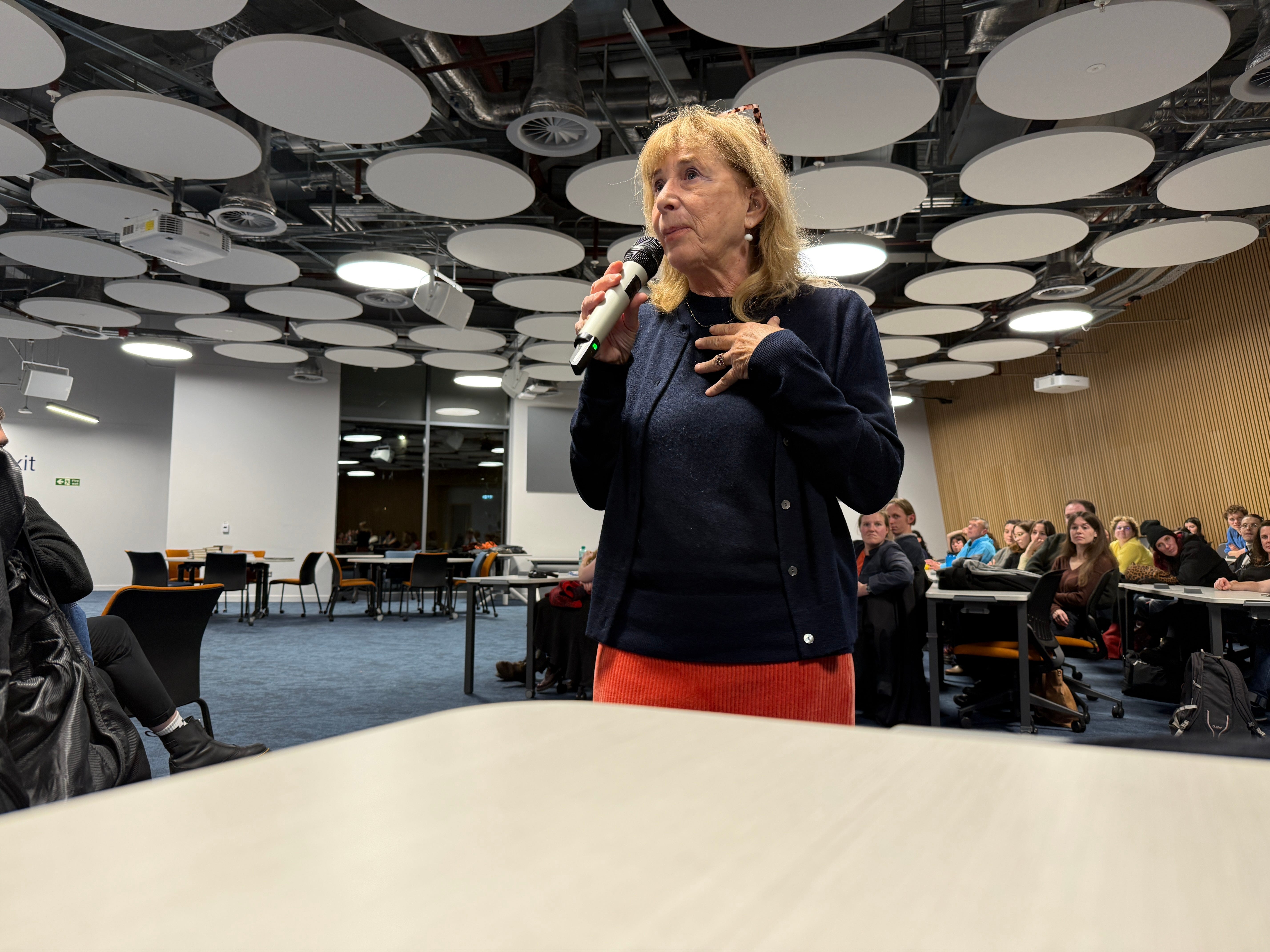
Chris Kraus, author of I Love Dick, came to the University of Glasgow on 21 October to talk about her new book. She walked around the room whilst answering questions coming right up next to me.
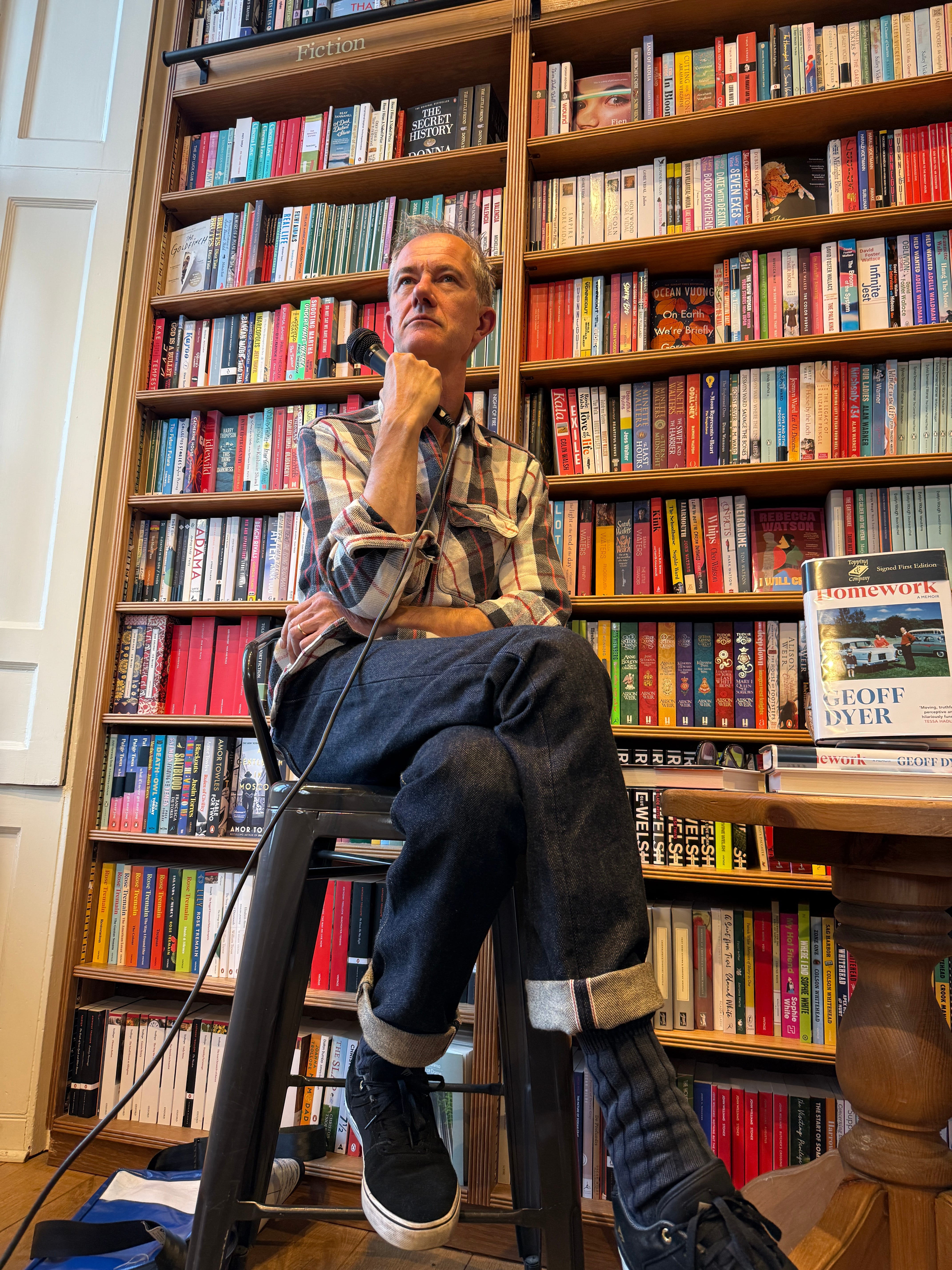
I was in the front row in a small bookshop so struggled to get long-limbed Geoff Dyer into the frame. He has been my reading obsession this year and didn’t disappoint.
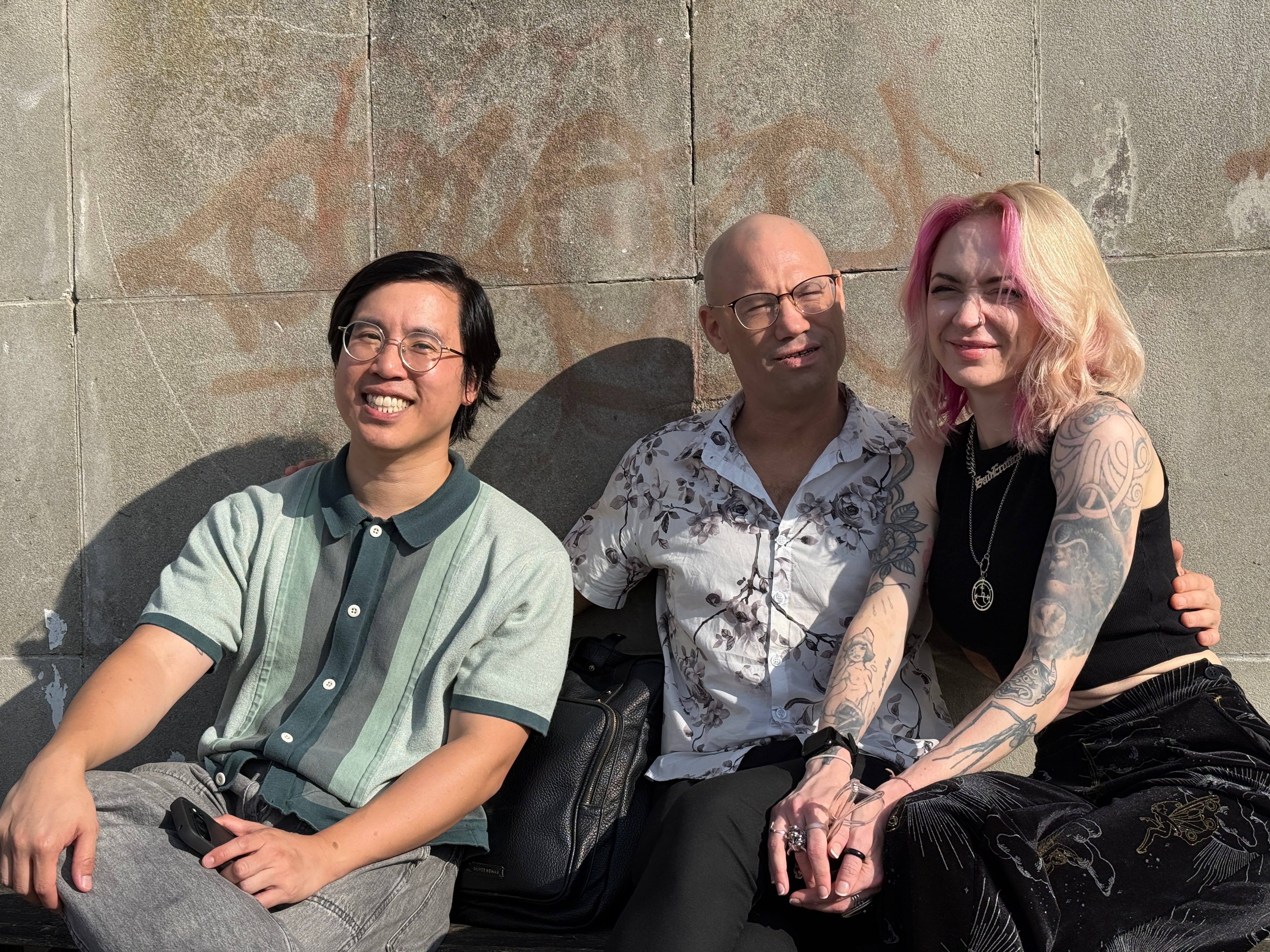
This photo of the writers Tony Tulathimutte, Rodge Glass, and elle nash was posed after their event at the Alasdair Gray Archive. I did that thing that photographers do and told them not to smile; this was from the moment just before they composed themselves.
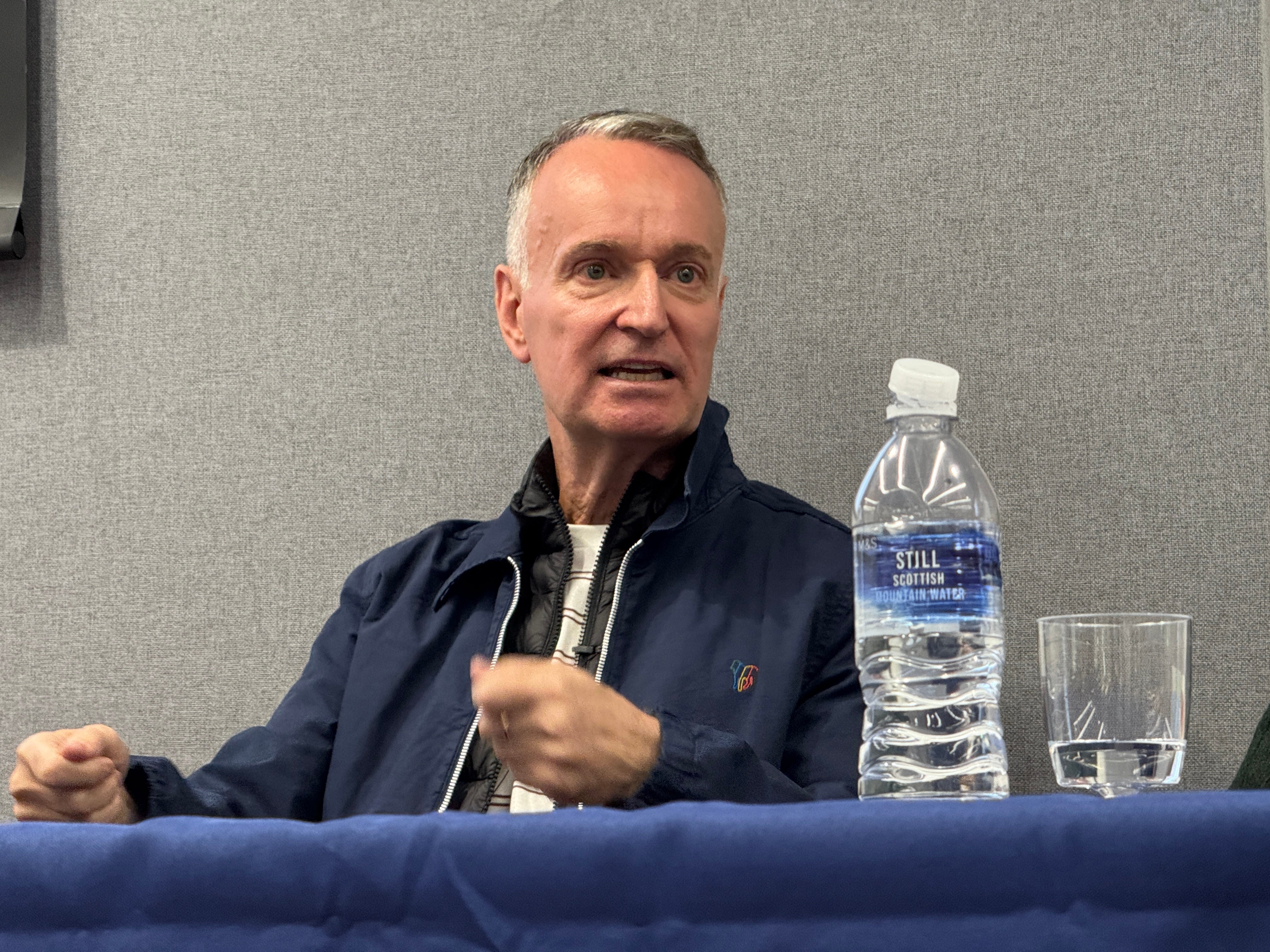
I was aware of Andrew O’Hagan’s range of intelligence from his journalism in the LRB, but in person he had a rare sharpness.
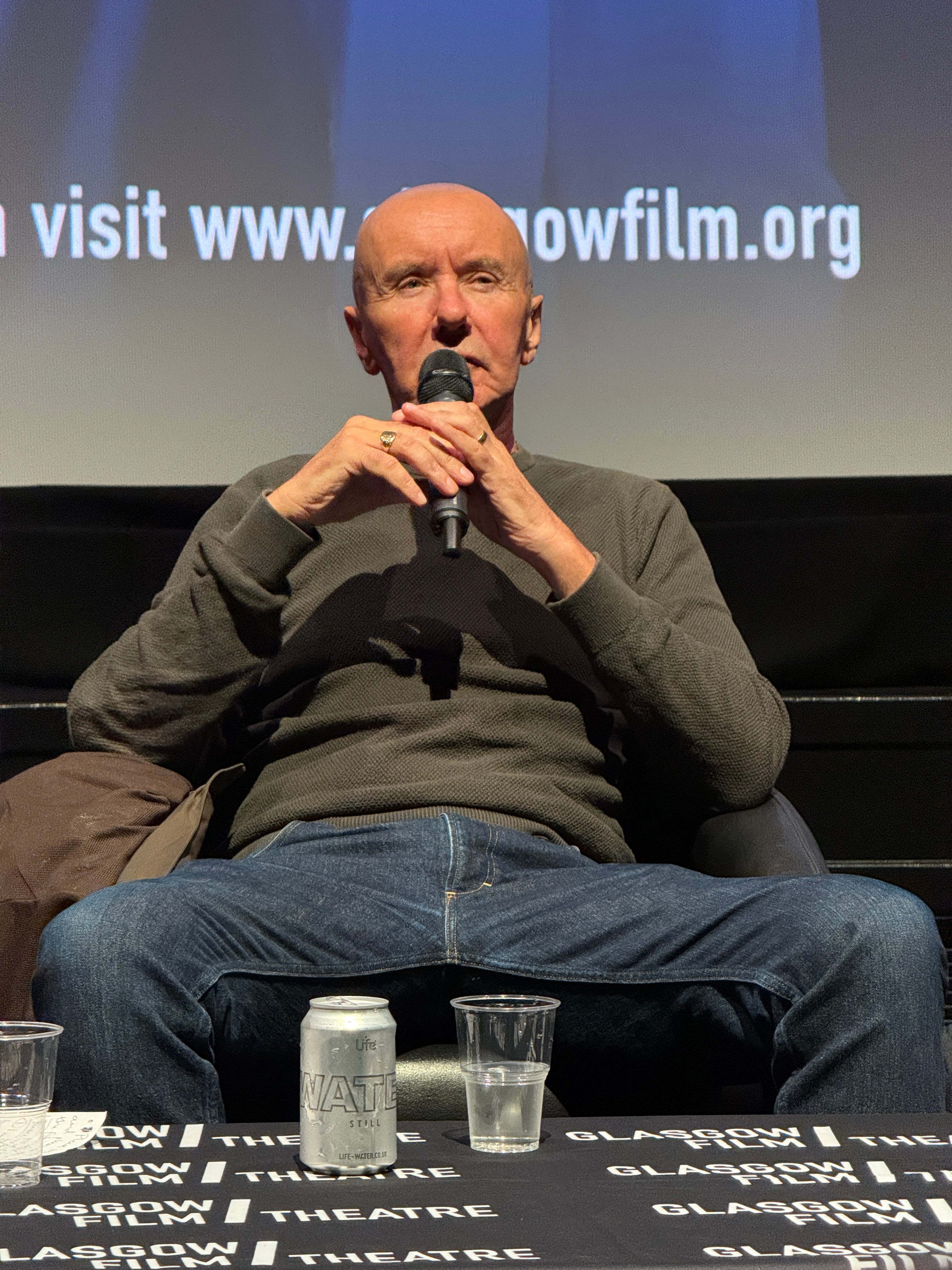
Irvine Welsh comes across as sympathetic in the new documentary about him, but I was struck by his laddish manspreading demeanour.4
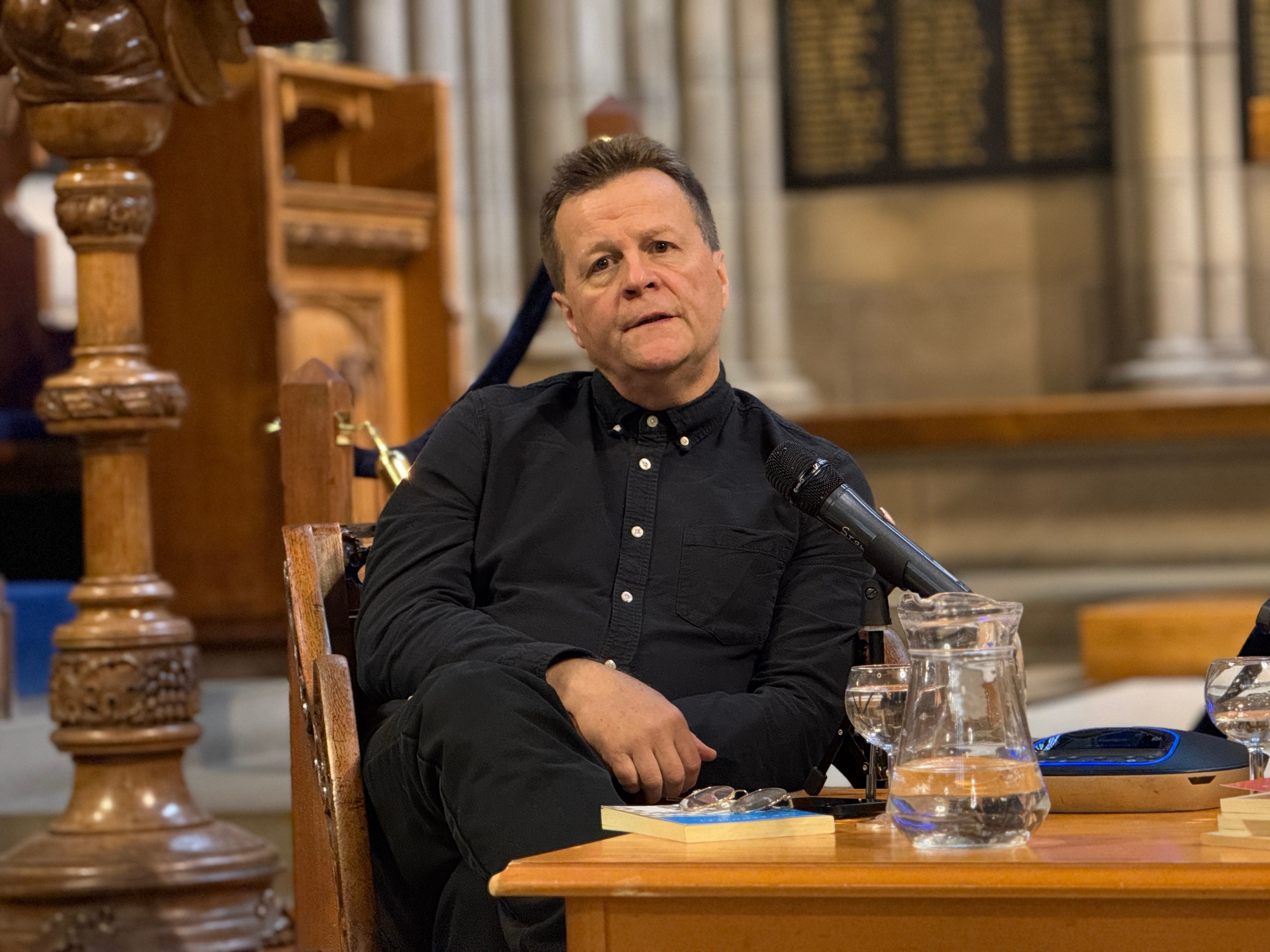
Experimental poet, Christian Bök, here lamenting the knockbacks he has received from the literary establishment.
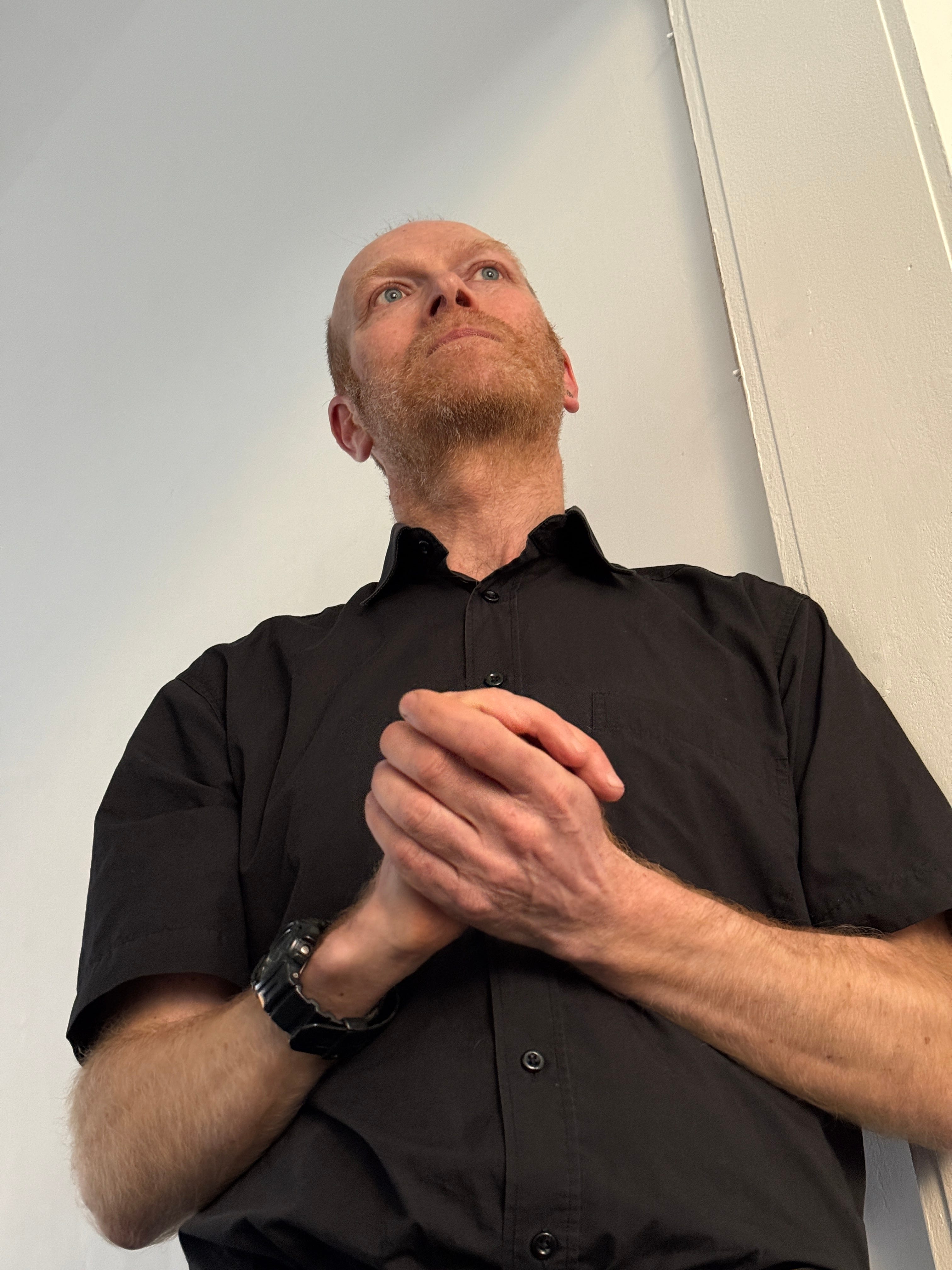
Colin Drysdale, author of Glasgow Uncovered and the man behind the popular This is My Glasgow social media account. I was sitting far too close.
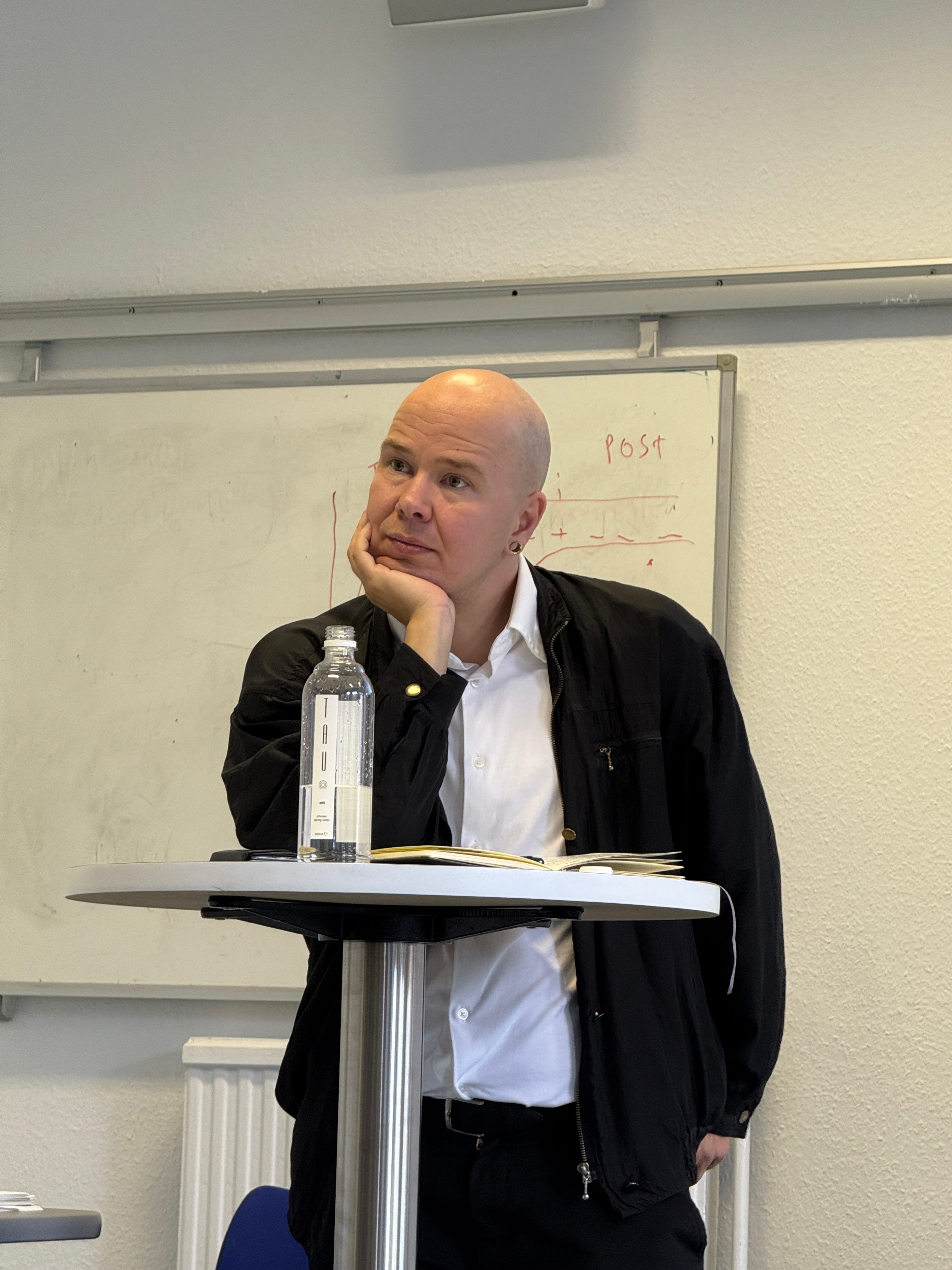
Polari Koi patiently listening to a question after his talk about self-control.
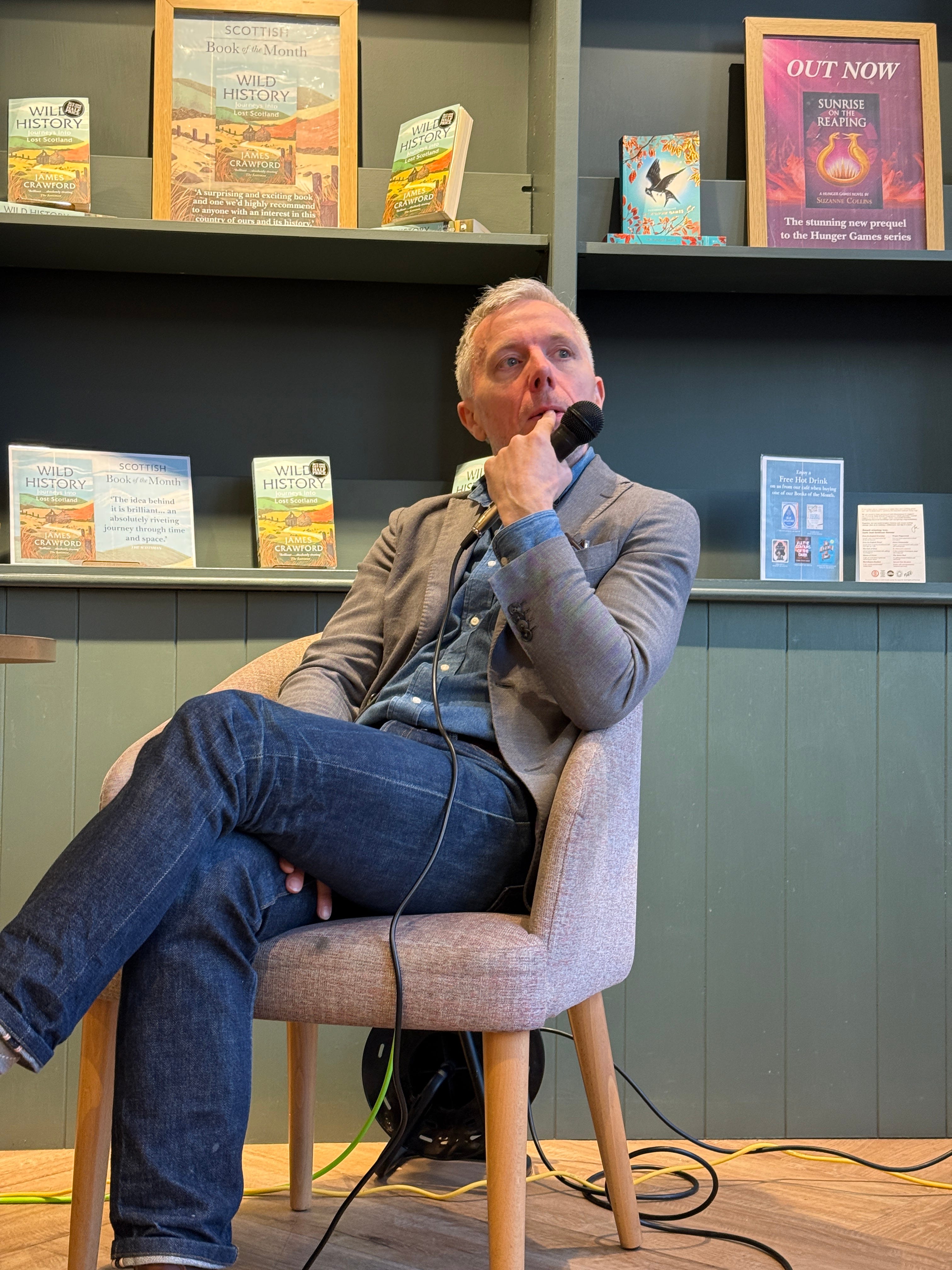
Ian Leslie was clearly suffering a cold on his Beatles book tour, but managed to make it through the Glasgow leg.
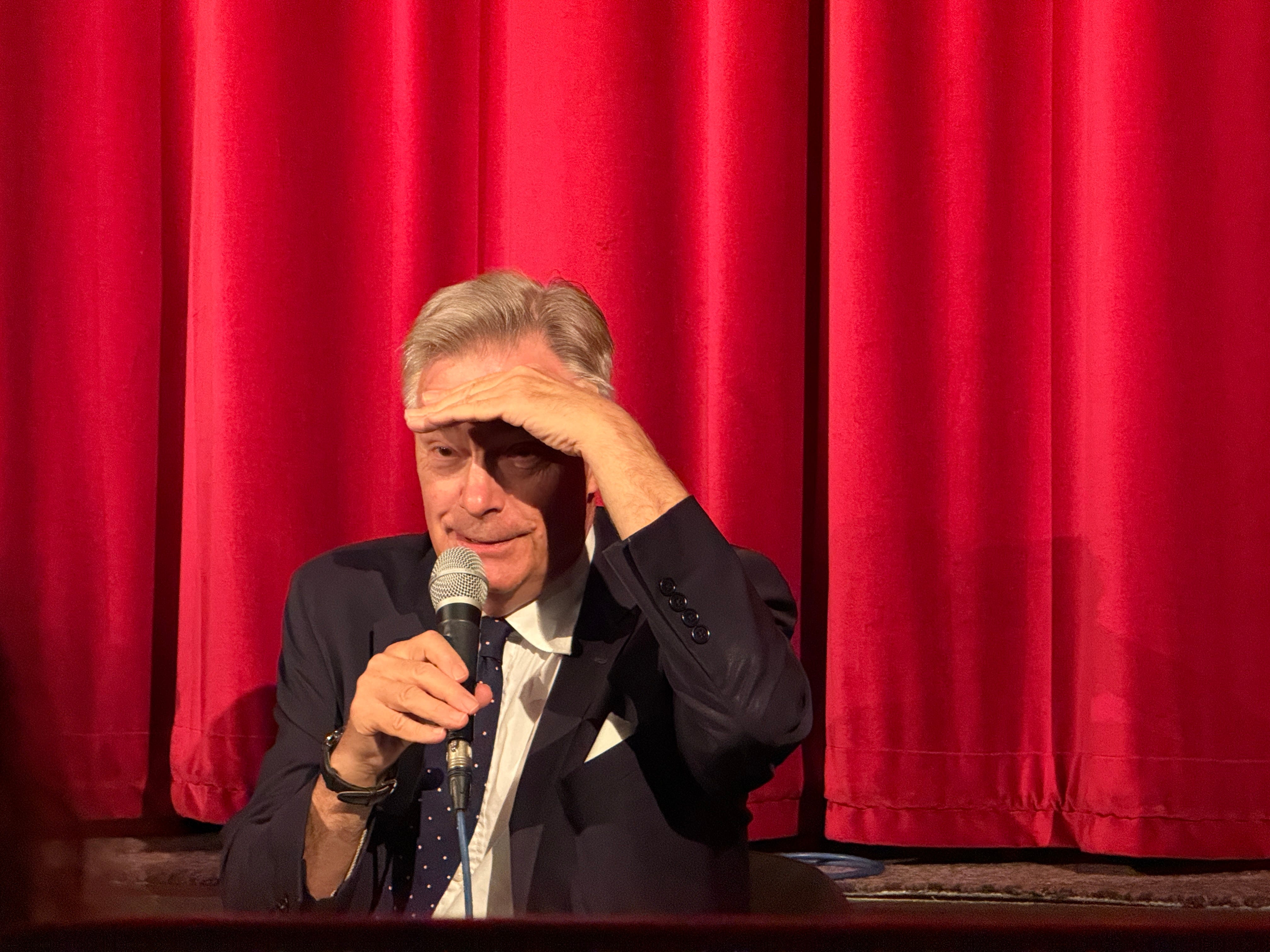
Whit Stillman looks into the crowd after a screening of Metropolitan.
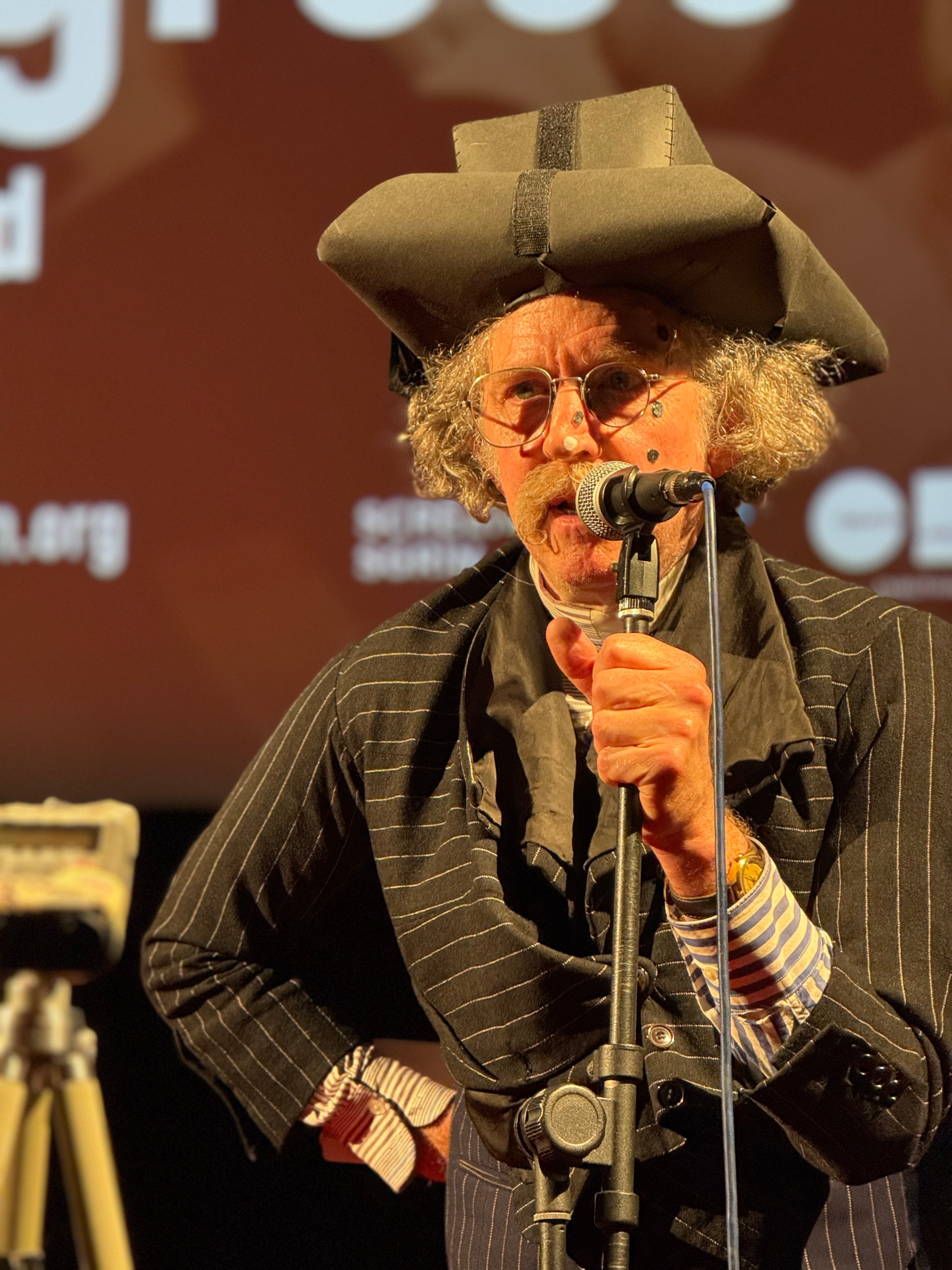
The artist Martin Creed at a screening of his work in progress.
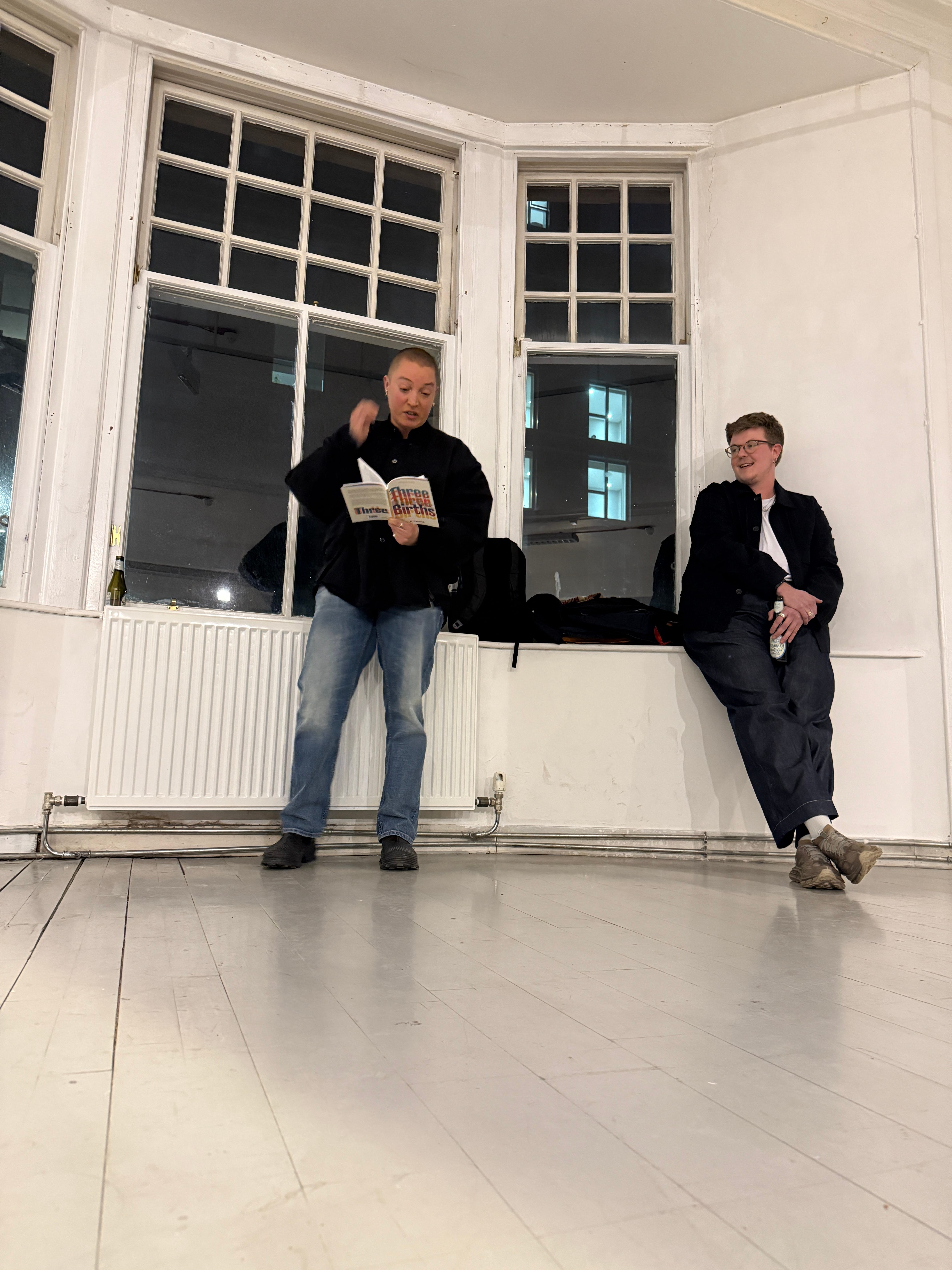
K Patrick reading at Glasgow Project Room with Adrien Howard.
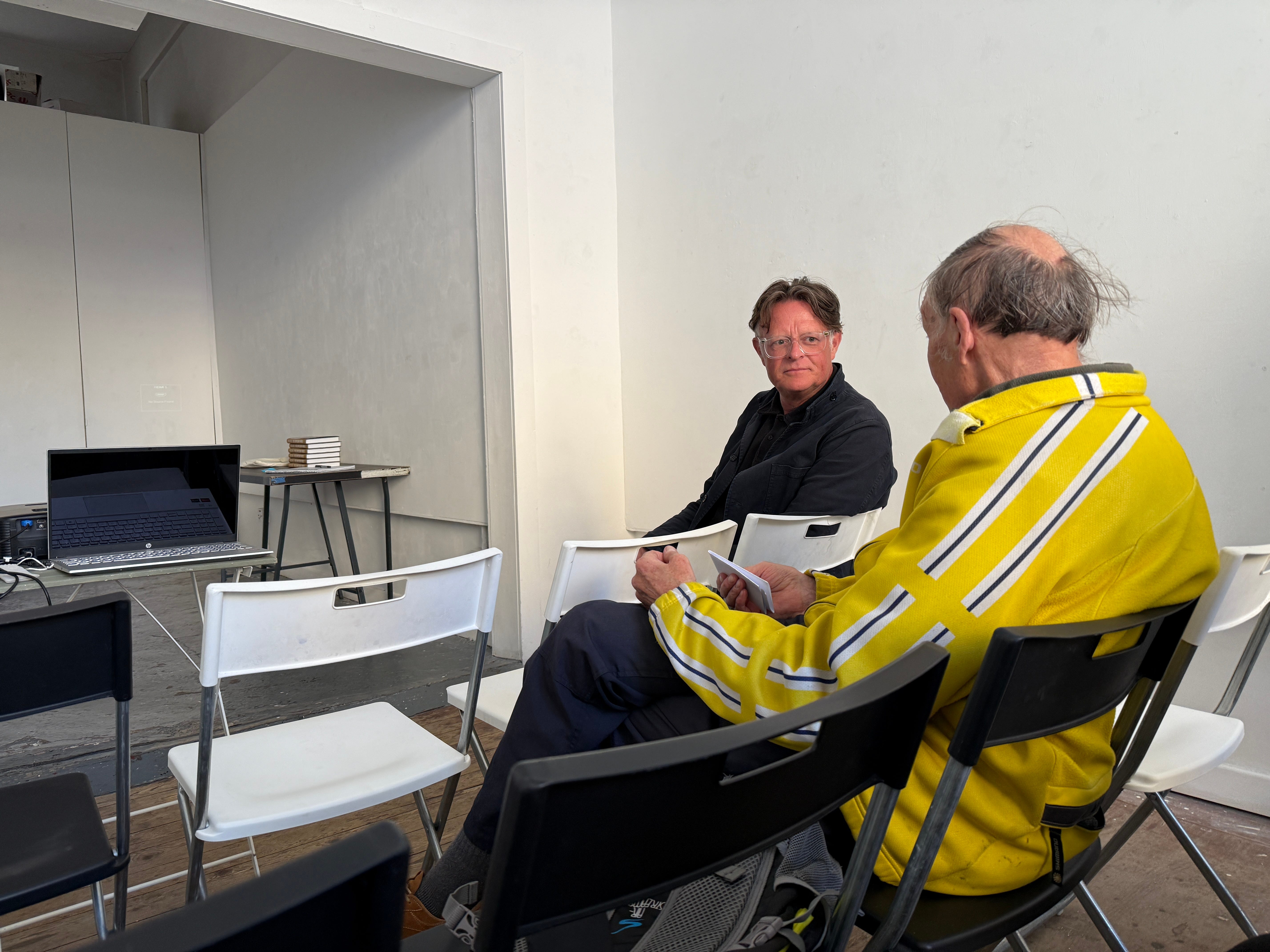
Richard J Williams ahead of his talk about The Expressway World at New Glasgow Society.
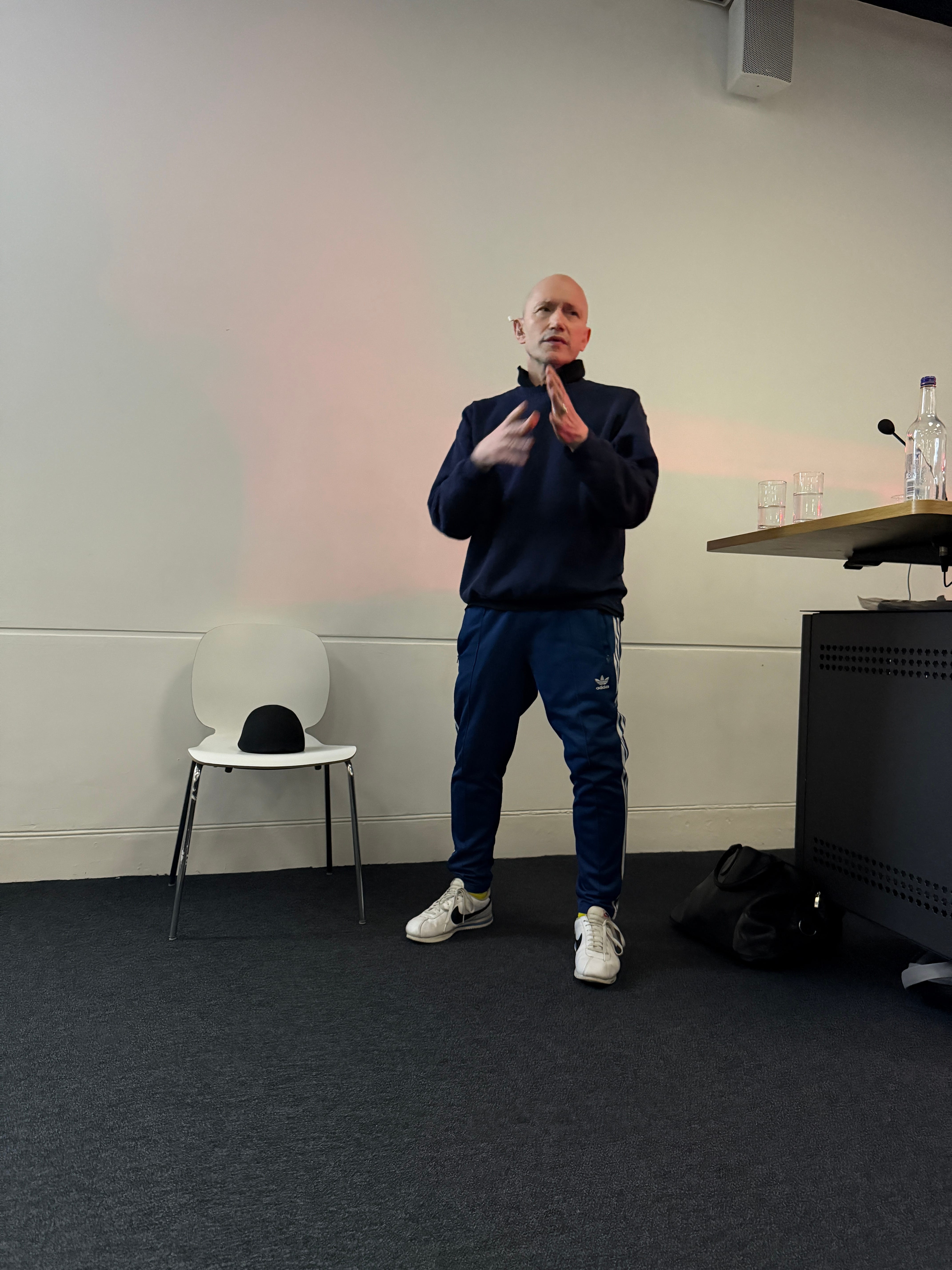
Dancer and choreographer, Michael Clark, gives a rare artist talk at University of Glasgow.
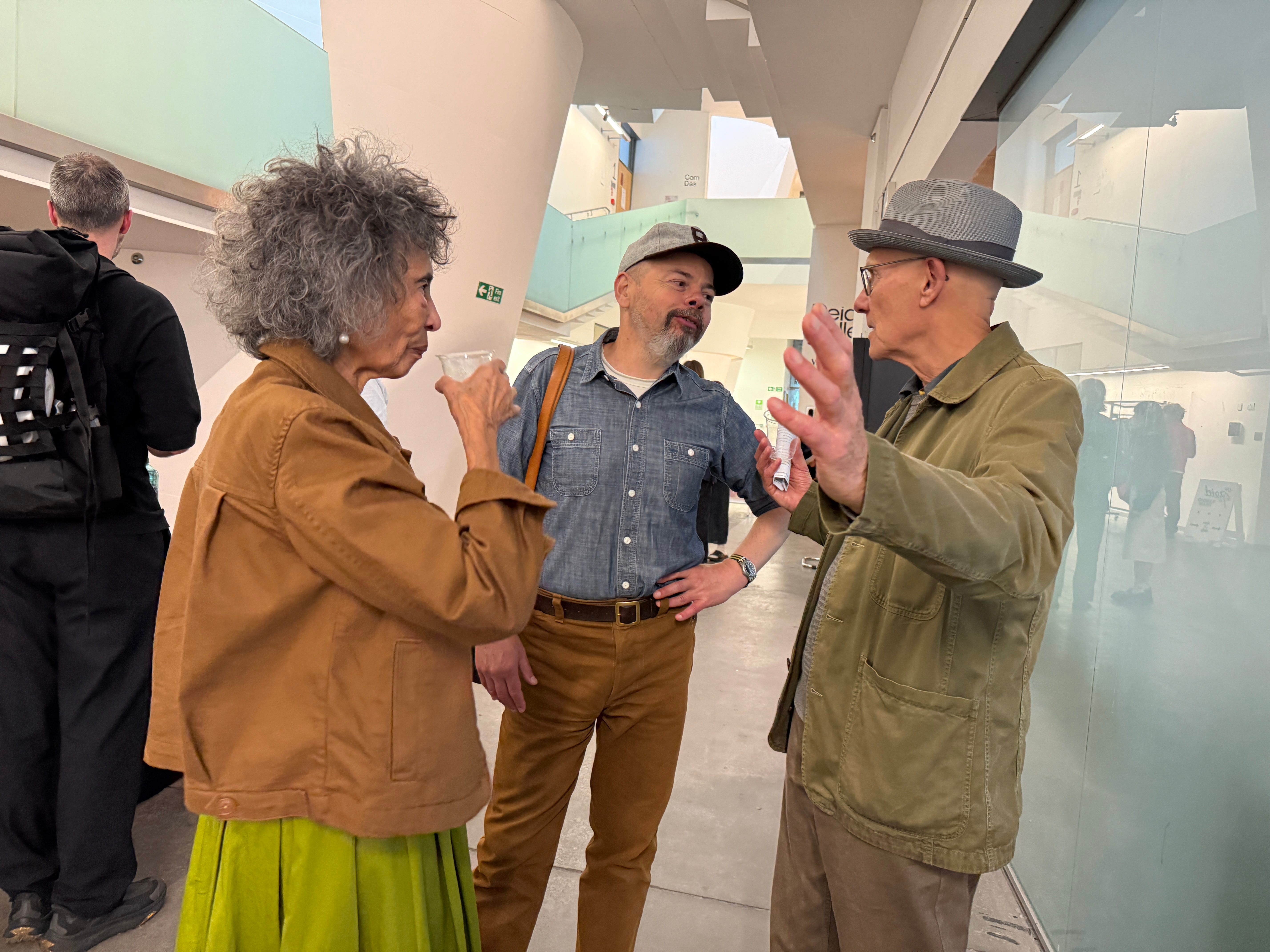
Zoe Wicomb, who sadly died on 13 October, with David Bellingham and her husband Roger Palmer.
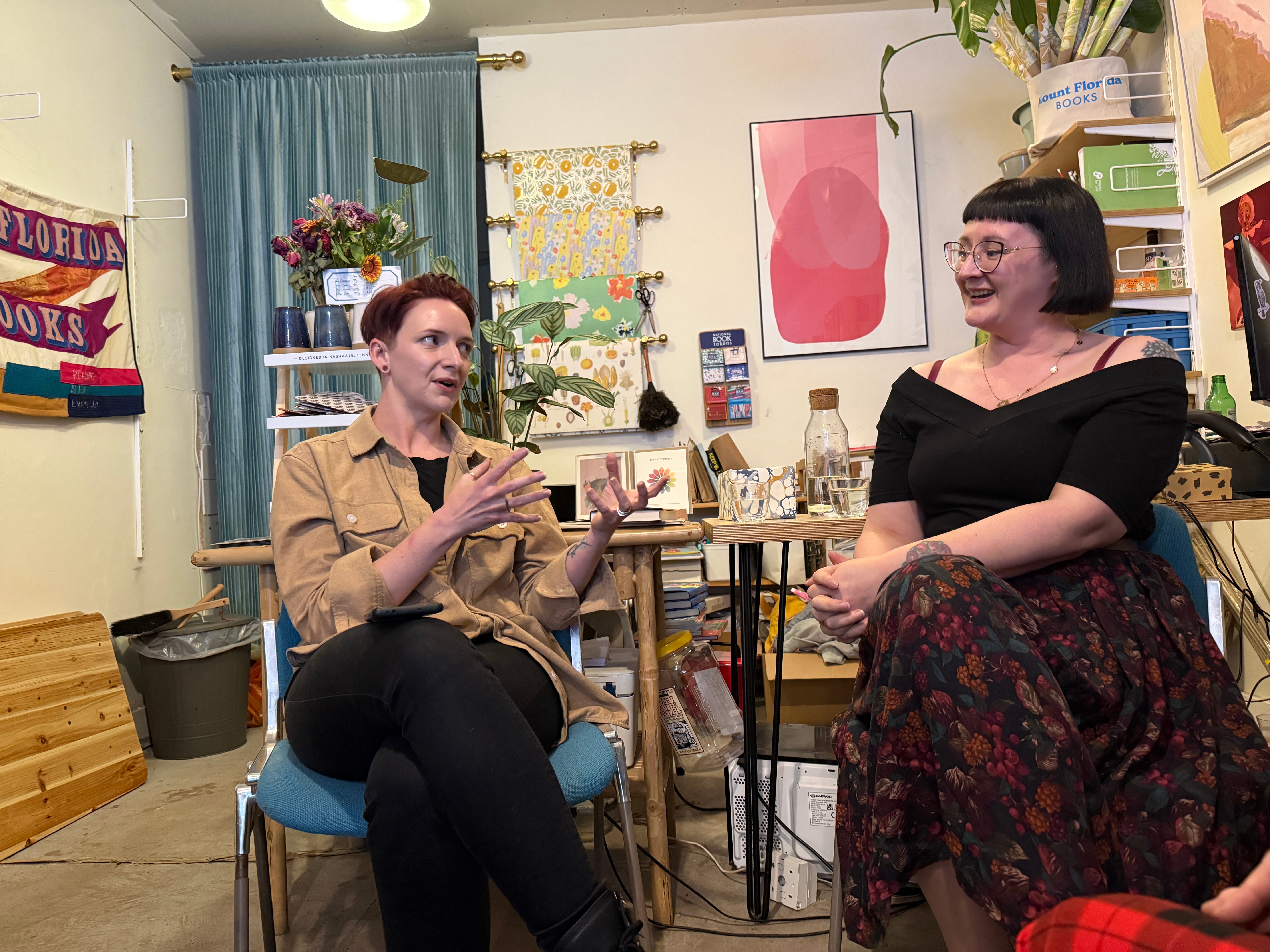
Heather Parry and Kirsty Logan doing an event together (yet again!) at Mount Florida Books.
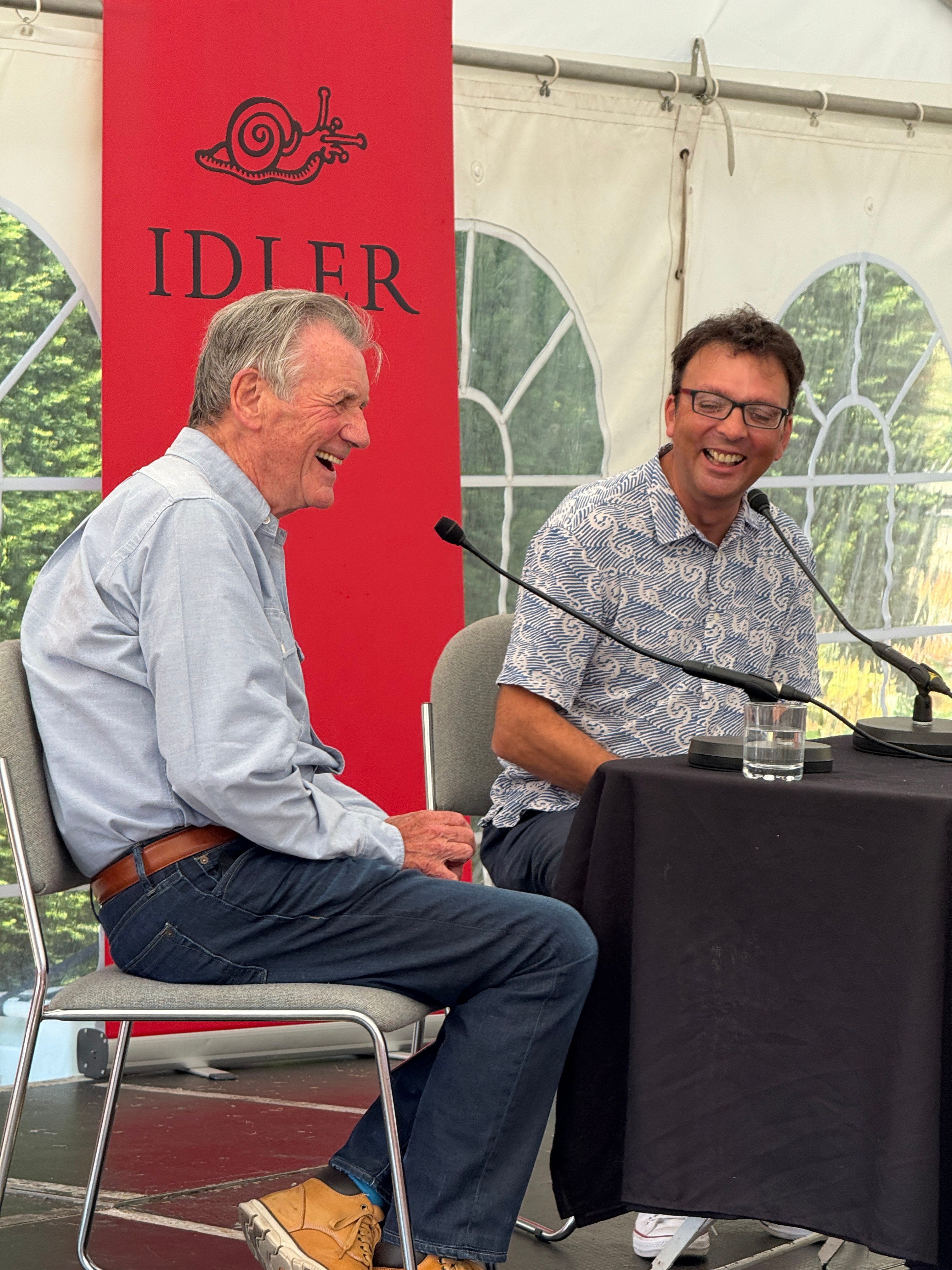
Michael Palin and Tom Hodgkinson having fun at the Idler Festival.
Maybe this is why photographers live a long time. As Sirsfurther said: “All those bits of soul you take from people by photographing them add up making the photographer extra soul-filled.”
The opposite seems true to me now. The celebrity glows with the aura of the millions of photos that have been taken of them. Unphotogenic Ed Milliband seemed charismatic when I saw him in person. Likewise, Noel Gallagher. There is a multi-facetedness that comes with being heavily photographed.
My obsessive attendance at author events is largely due to a sense of mortality. When Martin Amis died a couple of years ago I was devastated that I would never get the chance to hang out with him. Hanging out with Amis by proxy is one of the great pleasures of Jack Aldane’s podcast My Martin Amis.
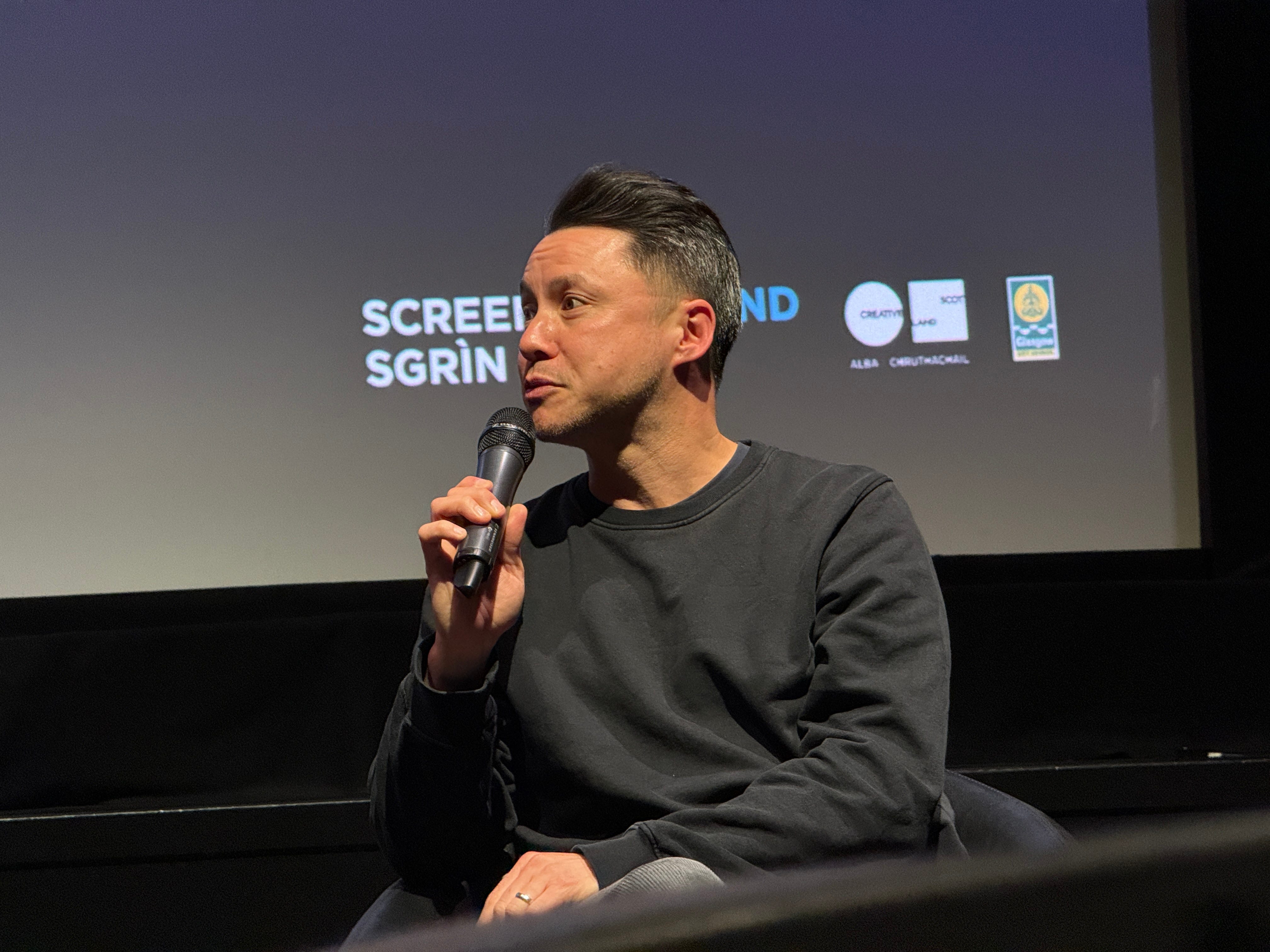
The film’s director, Paul Sng, liked this one and asked to include it in the Reality is Not Enough press pack.
Interesting thoughts Neil. I must admit I don’t like using the term 'taking' or 'shooting' when I'm talking about photography, but it isn’t easy to avoid and I feel a weird inner awkwardness when I do use those terms. The author images are great – it’s interesting to see how they’re each using their hands in each photo.
In German we say ‚machen‘ (make), because ‚nehmen‘ (taking) is a term we use if we physically move something.
But that is not the reason why I prefer to use the term ‚make‘ in English. - The terms ‚taking‘ or ‚shooting‘ when talking about photography, sound like rather aggressive to me. I don‘t mind if people are using it, but it doesn‘t sit right for me using these terms in regards of my own photography.