


At a birthday party last week, I struck up a conversation with an Oxfordian. That is, someone who believes that William Shakespeare didn’t write his plays but was a front for an aristocrat—Edward de Vere, The Earl of Oxford—who wished to remain anonymous.
I had never met an Oxfordian before and was curious about their motivation. It seems such an outlandish theory, particularly as de Vere died in 1604, long before Shakespeare’s final works. But the Oxfordians dismiss these concerns. What matters to them is that the details of de Vere’s life have echoes in the plays.
For Oxfordians, it is impossible that a commoner could have had knowledge of distant lands and high court intrigue. In this, they resemble the Young Adult fiction community, who seek to cancel any author who hasn’t directly experienced the thing they write about. Neither the Oxfordians nor the YA think of the artwork as something that can be enjoyed without referring back to the author; biography is absolute.
I tend towards the opposite view. The work comes first, the biography a distant second. I don’t care about gossip. Similarly, I can condemn the life of an immoral artist (e.g. Pablo Picasso, Eric Gill, or Michael Jackson) and still enjoy their work. And yet …
And yet, if the pieces are good, paying attention to the artist and their context becomes a way of honouring them. We are compelled to devote time to that which we love. Also, perhaps there are other lessons to be learned in their life.
Peter Hujar’s photography was my great discovery of last year. In his body of work, Hujar achieved levels of formal mastery and psychological insight that are unrivalled.
And his life is fascinating. He lived in downtown New York at a time when bohemians could still afford to experiment; he died of AIDS; he hung out with Susan Sontag, Fran Lebowitz, William Burroughs, and Nan Goldin. He dated Paul Thek and David Wojnarowicz. All of this is culturally resonant and features prominently in the photographs.
Yet it is only because the images are so mysteriously vital that I care at all. Indeed, I cared enough to interview Hujar’s biographer, John Douglas Millar. And I cared enough to read Linda Rosenkrantz’s book Peter Hujar’s Day (2021) and watch Ira Sachs’ adaptation, which came to Glasgow this week.
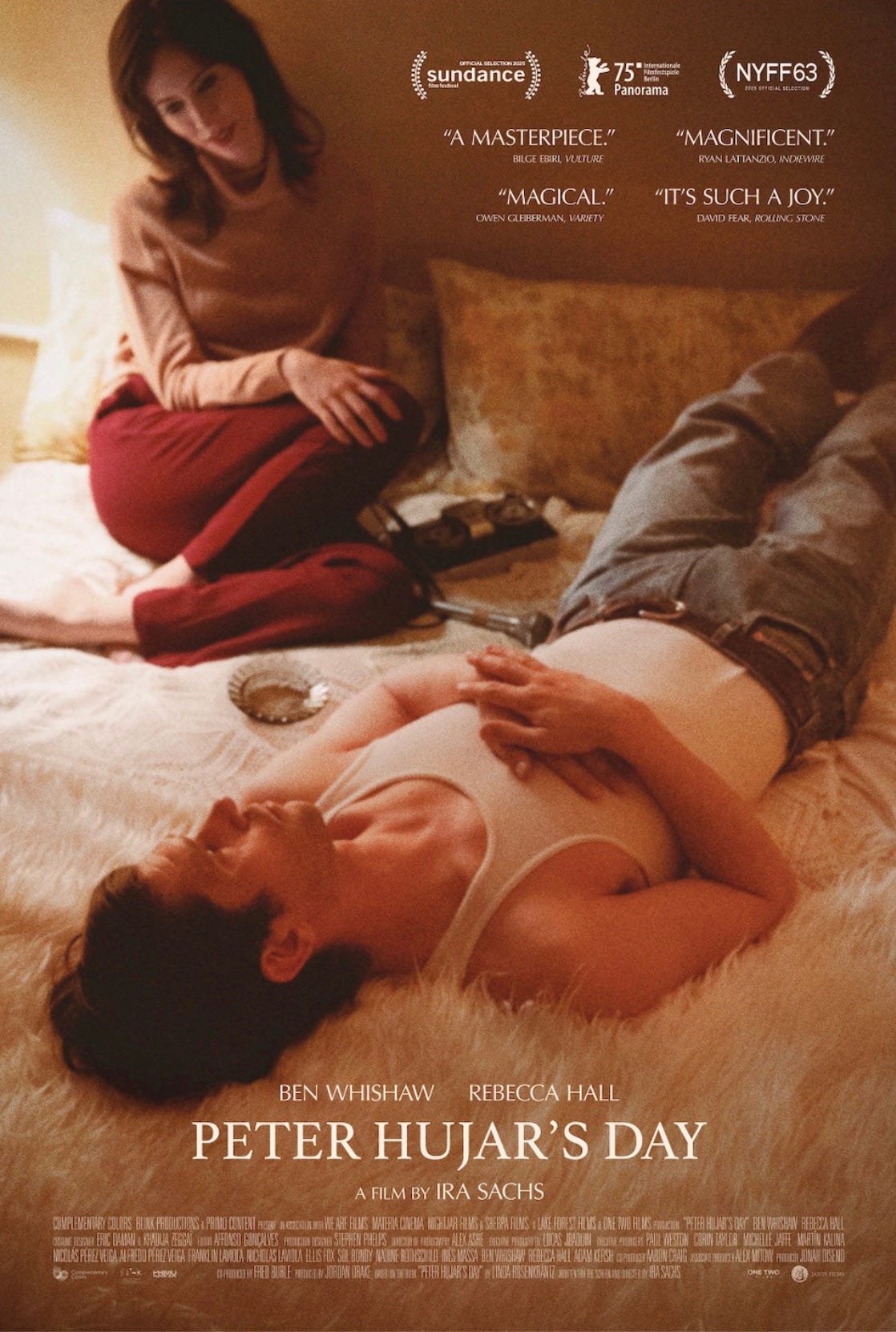
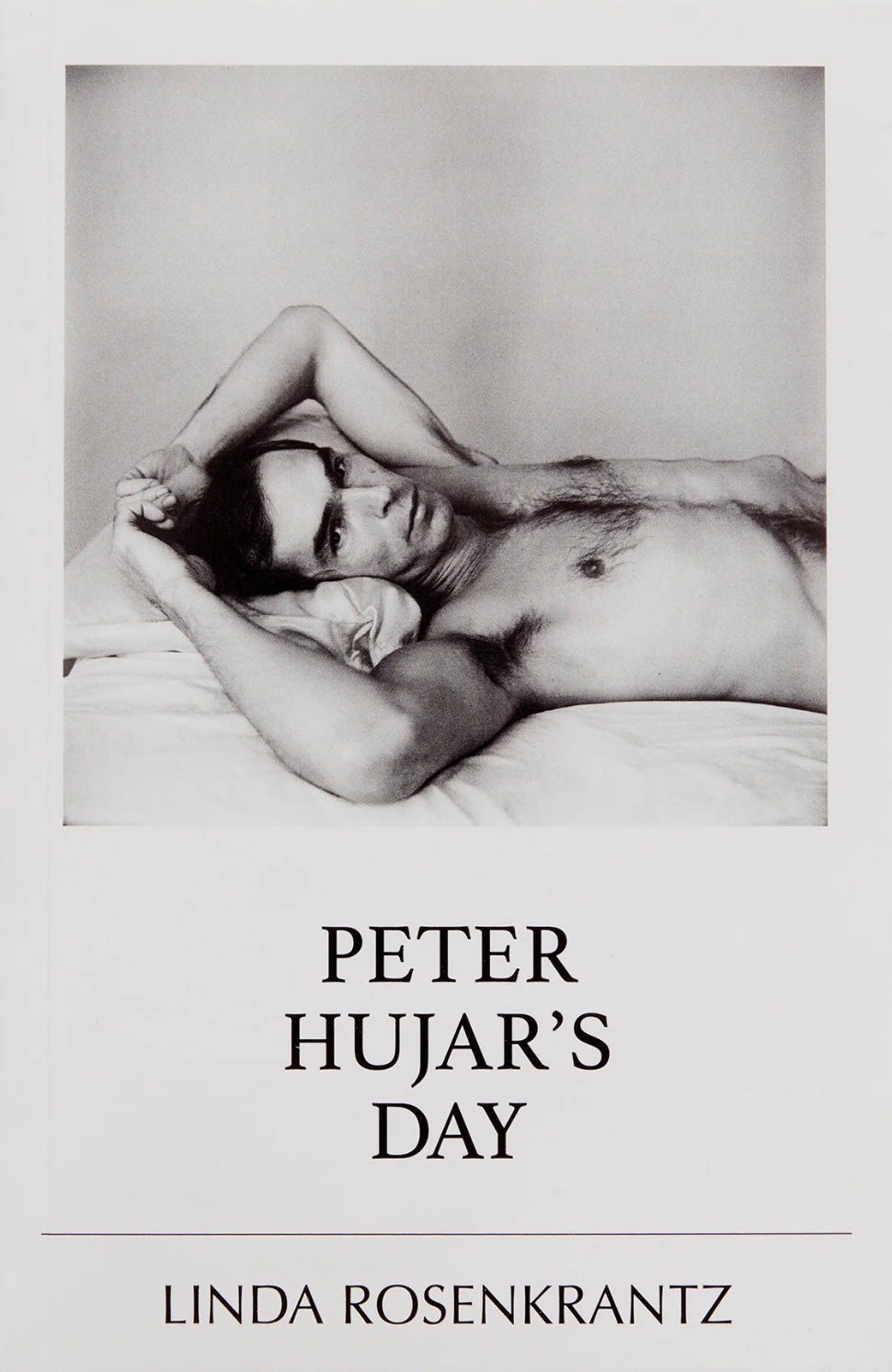
Rosenkrantz’s book is remarkably slim: 27 pages of an interview plus Stephen Koch’s brief introduction. Even so, there is much to be gleaned about how Hujar saw the world, his working practices, and with whom he associated.
The key event of the day was an assignment to photograph the beat poet Allen Ginsberg for the New York Times. Hujar describes Ginsberg as living in a run-down neighbourhood, endlessly chanting his mantras. However, Sachs never shows us any of this directly. All we ever see in the film is Hujar (Ben Whishaw) and Rosenkrantz (Rebecca Hall) talking in her apartment. In this, the film is too respectful of the source material.
I longed for Sachs to show the life that Hujar describes in the interview or the photographs that he made. It would be a lot more fun. It is telling that the only heartstoppingly beautiful moment is when the characters are static, and the film reaches towards the condition of Hujar’s photography.
Coincidentally, the editor of Peter Hujar’s Day, Affonso Gonçalves, also edited Hamnet (2025), the new film by Chloé Zhao, which shows the biographical events that inspired Shakespeare to write Hamlet. Presumably, the Oxfordians will boycott it as another instance of Stratfordian propaganda, but I am keen to watch. You never know, it might even inspire me to re-read the play.
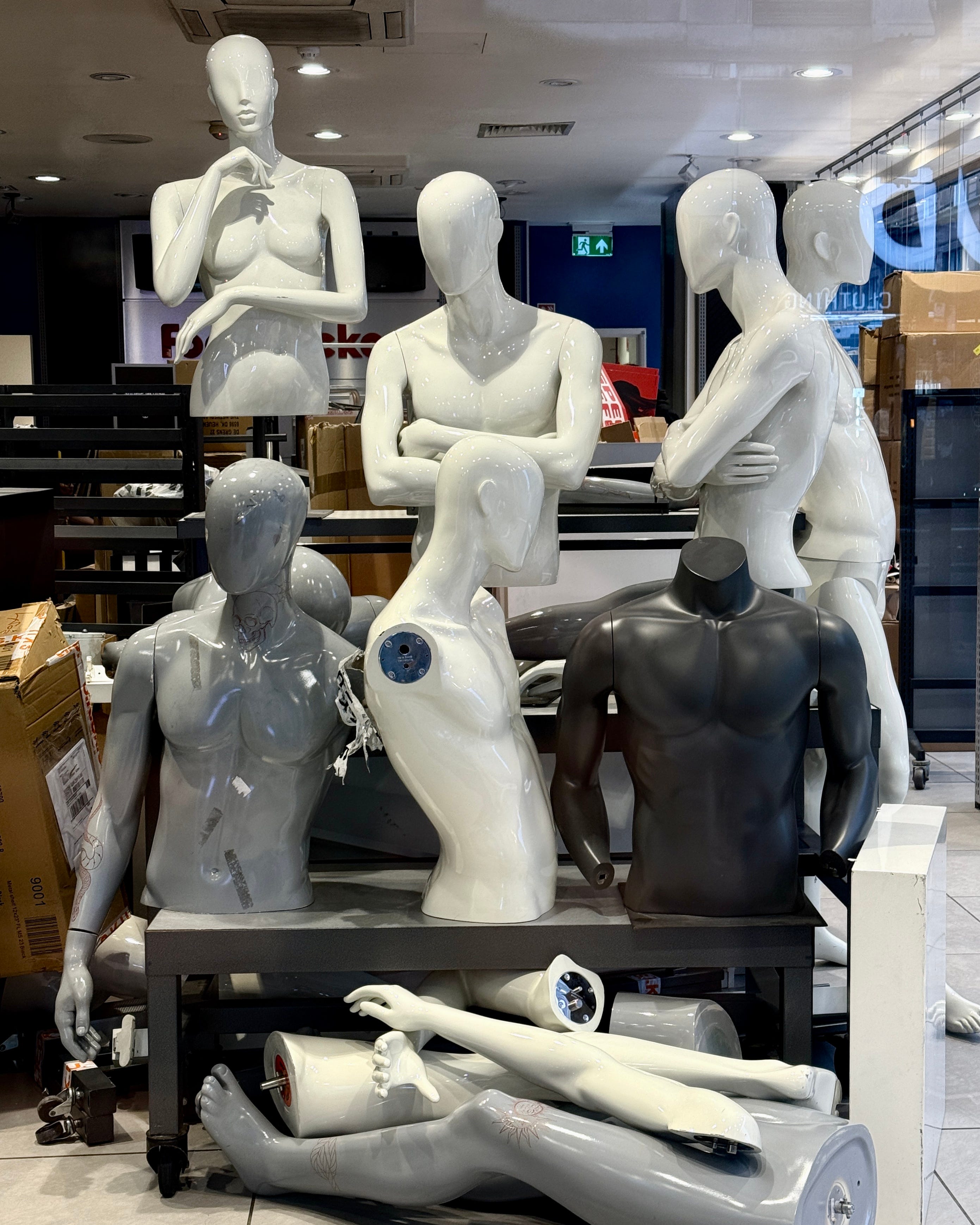
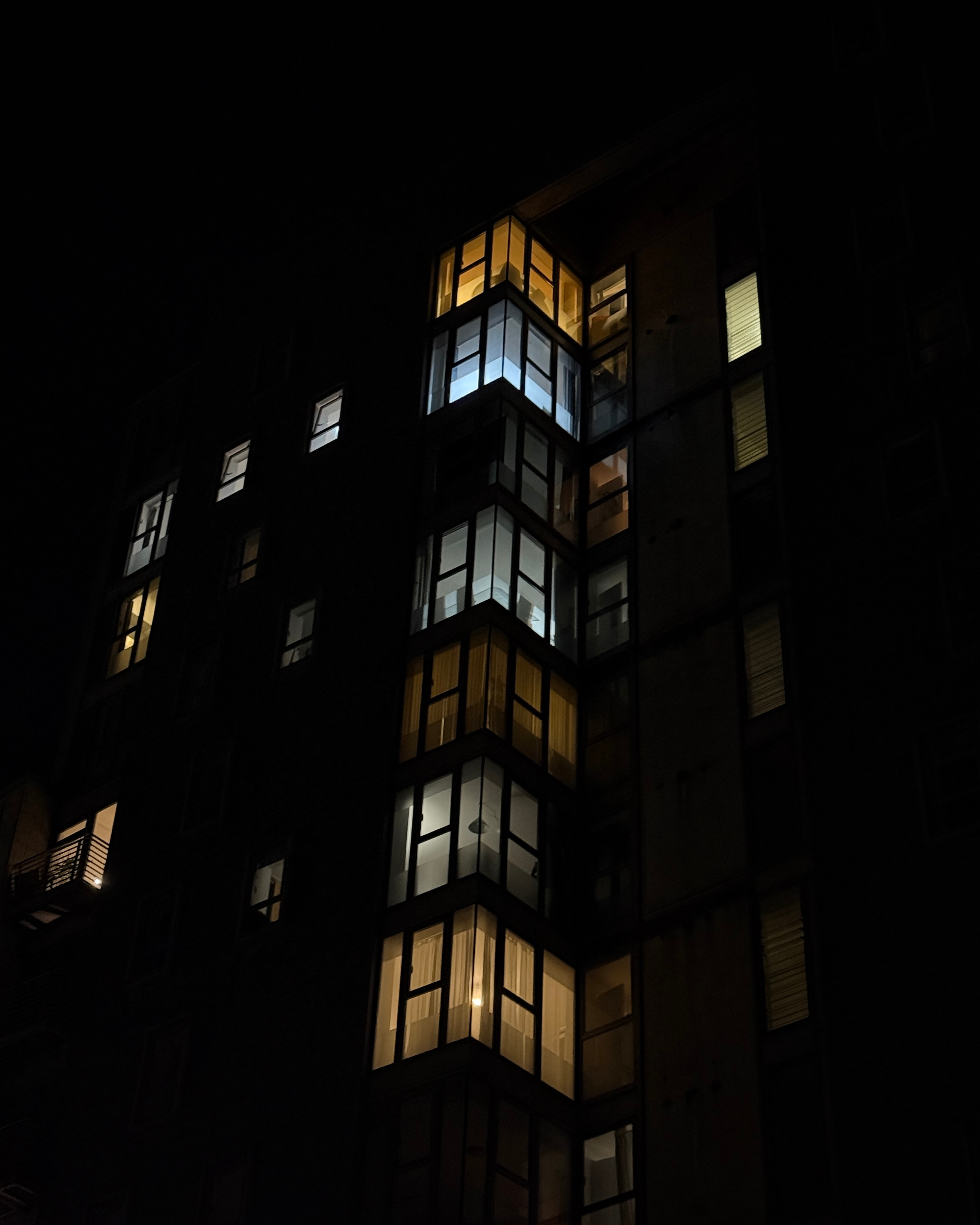
The Week in Photos (3-9 Jan 2026)
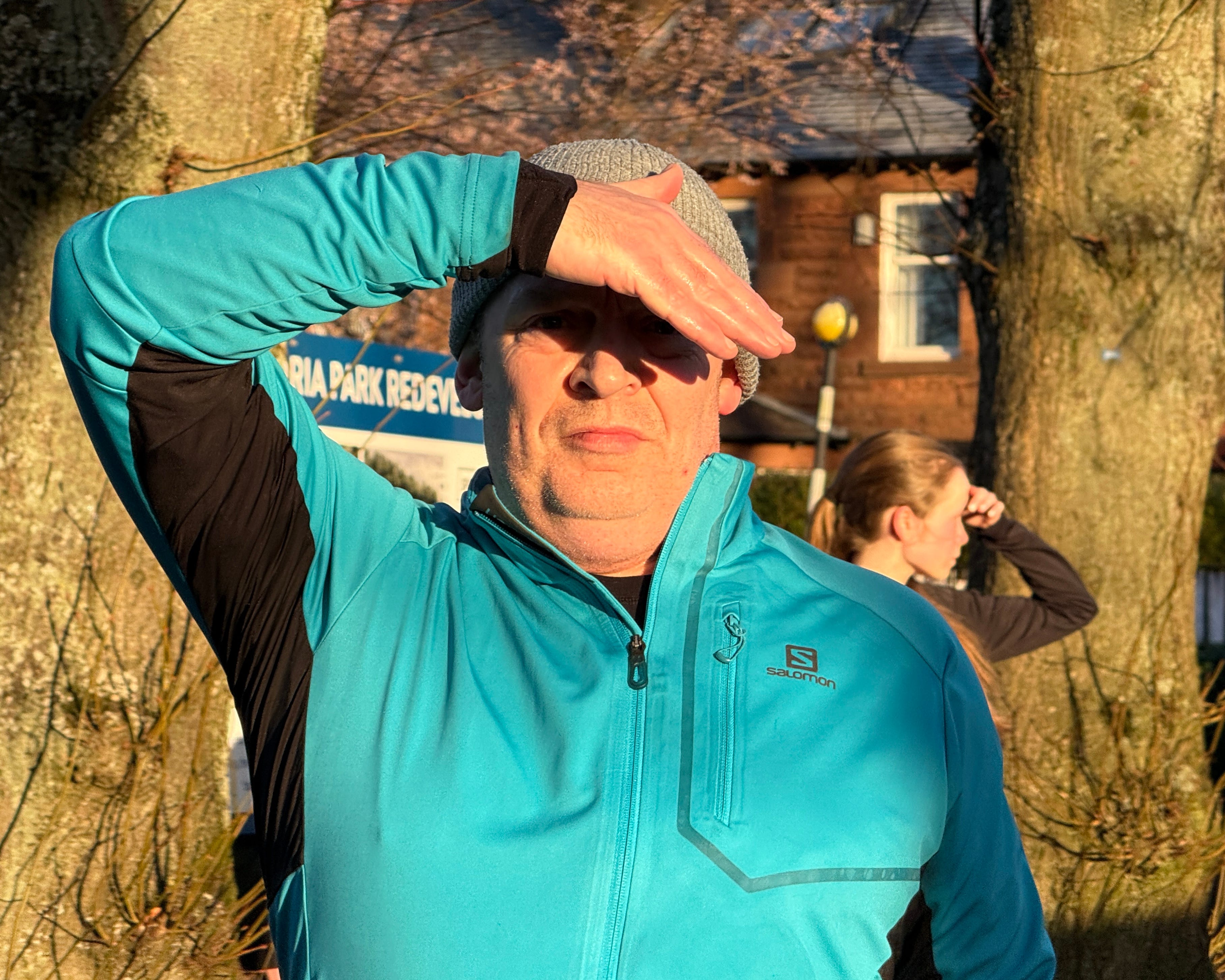
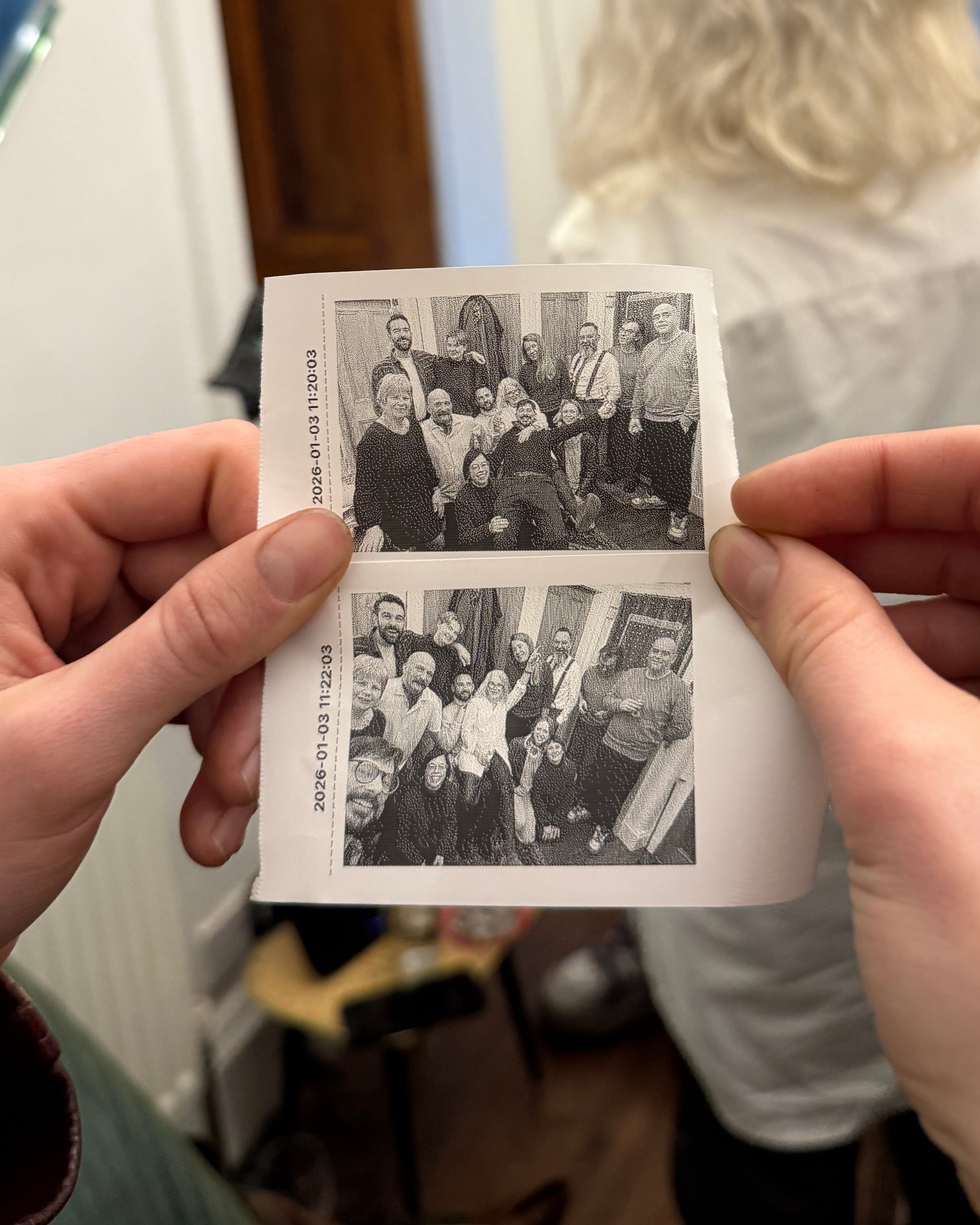
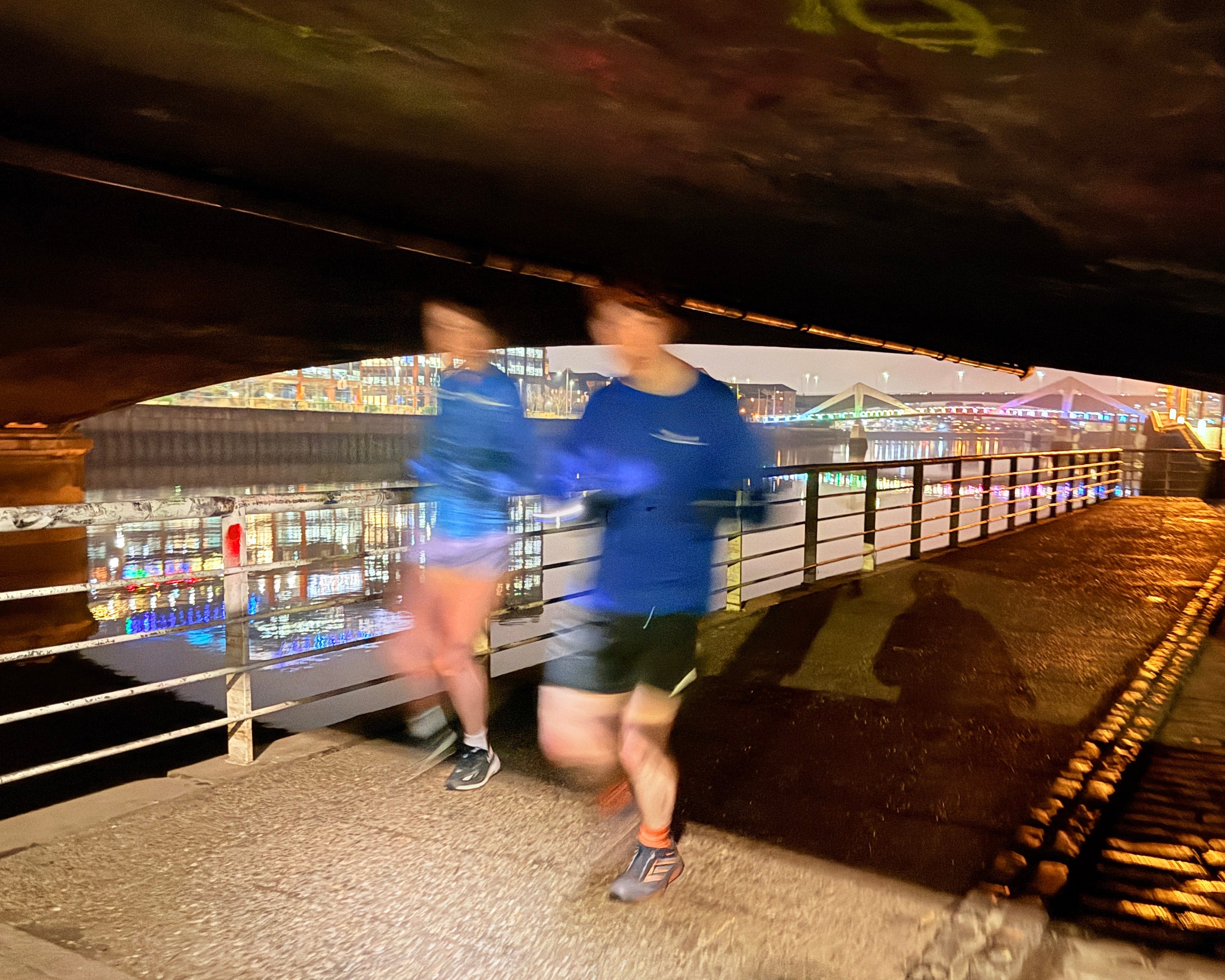
A selection of photos from the past week. Welcome to all those who have joined after the move from Instagram.

Links
1. This week, I posted my interview with Laura Carreira from last February. Carreira won a Scottish BAFTA for On Falling and was subsequently named the hottest person in Scottish culture by The List.
2. I enjoyed reading Kees Molders’ essay on context and ignorance when judging a photograph, which partly inspired my piece. Molders complains that our focus on Francesca Woodman’s suicide or Vivian Maier’s life as a nanny means we ignore the work itself.
3. Christian Näthler conveys the joy of being clueless at the Pyramids.
4. The Oxfordian I was speaking to was Duncan McLaren, who is a biographer of Evelyn Waugh and Enid Blyton. His current obsession is On Kawara.
5. Incidentally, the most prominent Substackers I’ve seen discuss the topic of Shakespeare’s authorship are, on the Oxford side, monarchy fanboy, Curtis Yarvin, and on the Stratford side, the literary critic, Henry Oliver.
6. Camilla Grudova writes about Edinburgh surrealism and life in a freezing flat.
7. Laura Gonzalez delivers an ode to the Tuk-Tuk.
8. Jakub Cholewka photographs a delightfully inauthentic Polish celebration of Epiphany.
Oxfordians 🤔…. Flat earth believers 🤔!
Photos…. excellent 👏
Excellent post. You touch on some very interesting points and there is much to think about. I am fascinated by Hujar. I saw an exhibition of his work in Arles last summer. At the time, I was thinking: Arbus, but less freaky.... Great portraits, but unless you know, or recognise the sitter? Is he like Vivian Maier, or Francesca Woodman, where his story overpowers the photographs themselves? Great start to the year! Thank you, Neil!