


Reading books for pleasure is in sharp decline.1 Much of the blame for this has been attributed to the endless feeds of short-form video on TikTok and Instagram. Yet, having reviewed the list of books I read in 2025, it occurs to me that my problem is that I’m overly focused on reading to write.
It’s not that I don’t experience pleasure, more that I never see books as an end in themselves. I read to think, learn, and apply what I’ve learned to my own projects.
More troublingly, I read very little fiction this year. When I did so, I consumed it incredibly slowly. I have been enjoying The Names by Don DeLillo for months now. Savouring the language, not wanting to rush.2
Here are the five photobooks and five non-fiction books that stood out.3
Five Best Photobooks
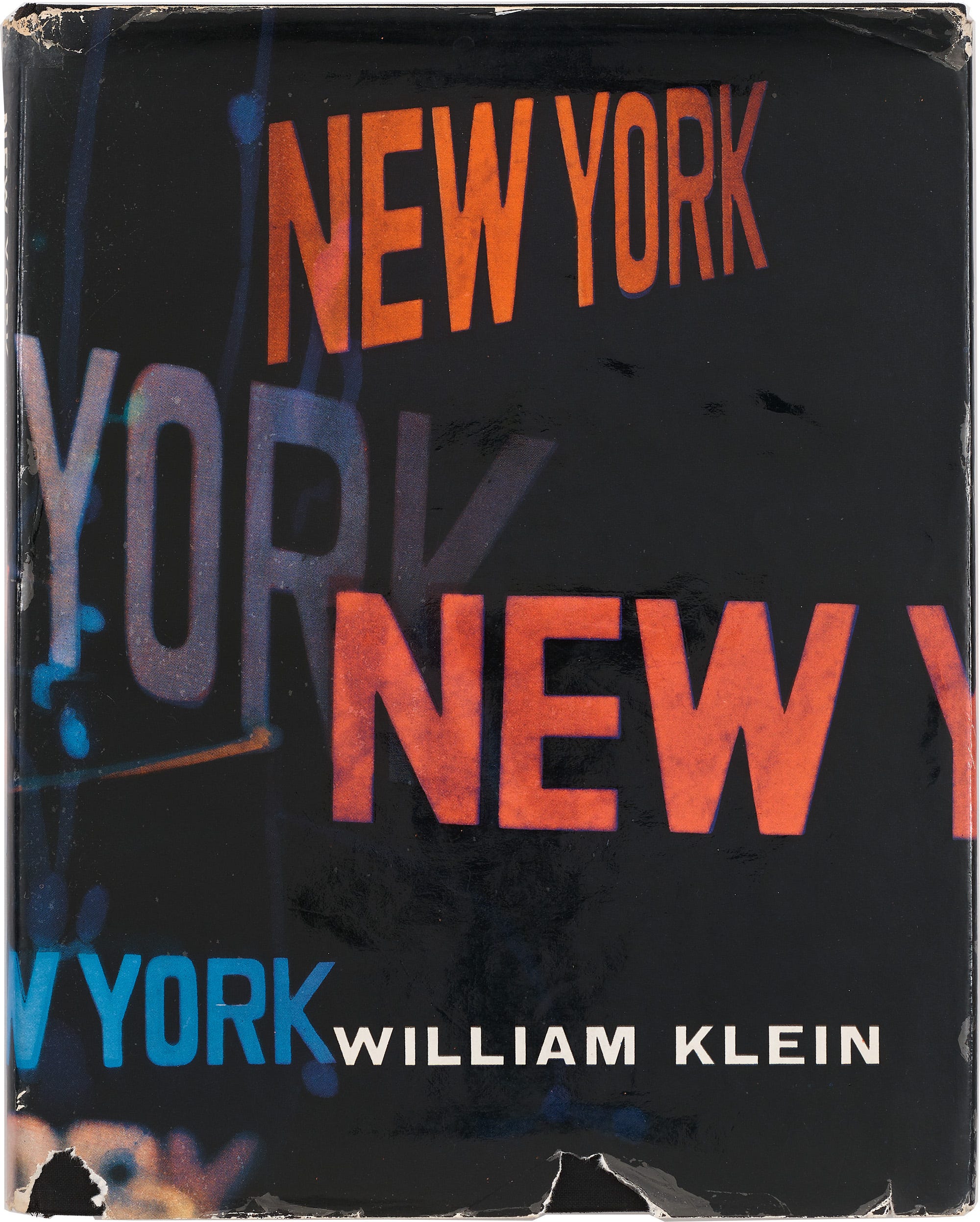
1. Life is Good & Good for You in New York (1956) by William Klein
Buying new photobooks is an expensive habit. Then, when they go out of print, they become mindbogglingly pricey. Fortunately, I have a library card at the Glasgow School of Art. While they don’t have an original copy of this classic (which sells for over £6,000), they do have the facsimile edition (itself now going for £95) to put the book in context.
Klein’s photos are an explosion of graphic design and kinetic photography. It does what a great photobook should do and becomes exponential as a sequence, with each spread adding to the next.
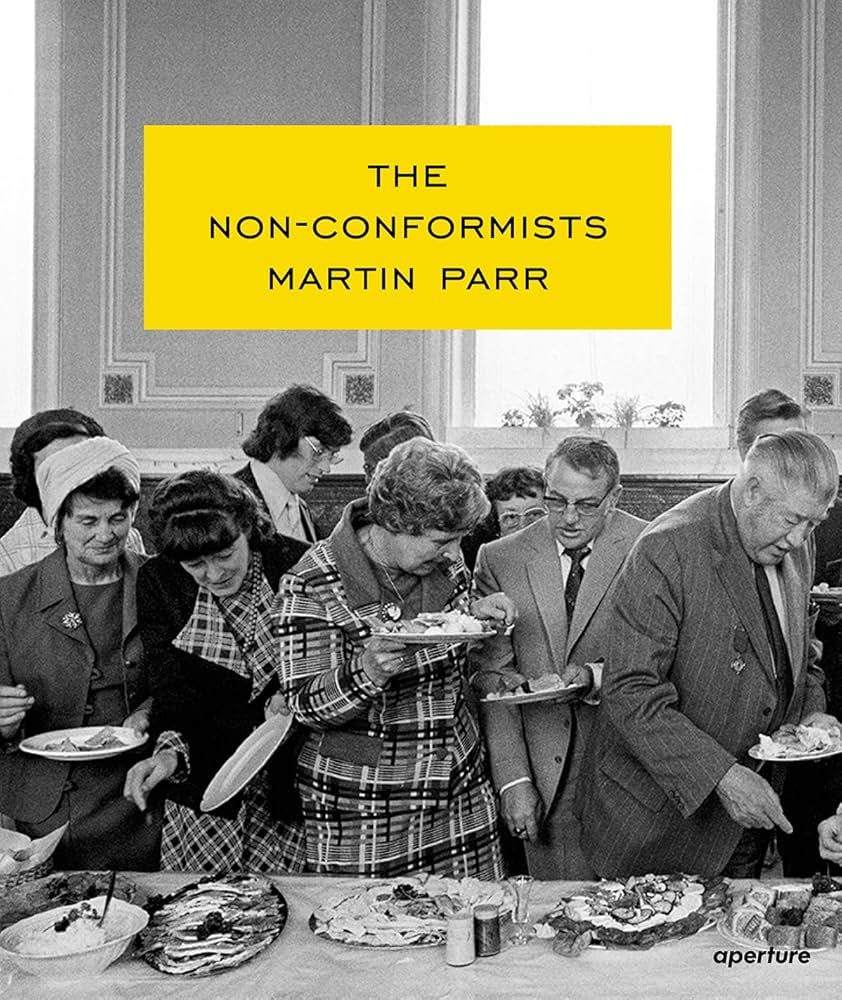
2. The Non-Conformists (2013) by Martin Parr
In 1975, shortly after he graduated from university, Parr made these photographs of small village congregations around Hebden Bridge. A few of the images appeared in Bad Weather, but the full collection was only published in 2013.
Although in black and white, the humour of his later, more famous, colour work is still present. The sad tragedy at the end of the book is hearing that the ageing parishioners wanted Martin and his wife, Susie, to take over from them. But he was always and only there to document their strange ways for posterity.
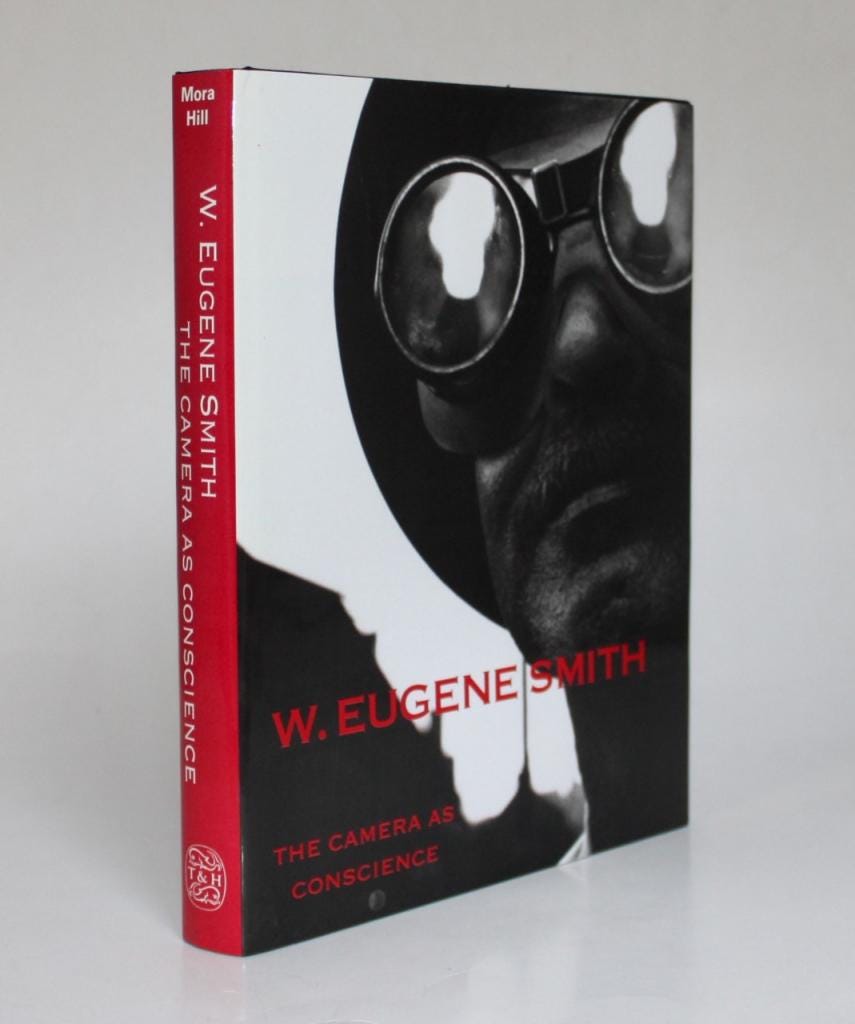
3. W. Eugene Smith: Camera as Conscience
W. Eugene Smith was the master of the photo-essay. This definitive collection of his work shows how ethics and aesthetics can be combined in great documentary photography.
The most poignant section is the mockups for the epic book that Smith wanted to complete. He hoped to make a photographic equivalent of Ulysses. Sadly, he ended up rearranging the images for twenty years. A reminder that it is always better to finish work imperfectly than never finish it at all.
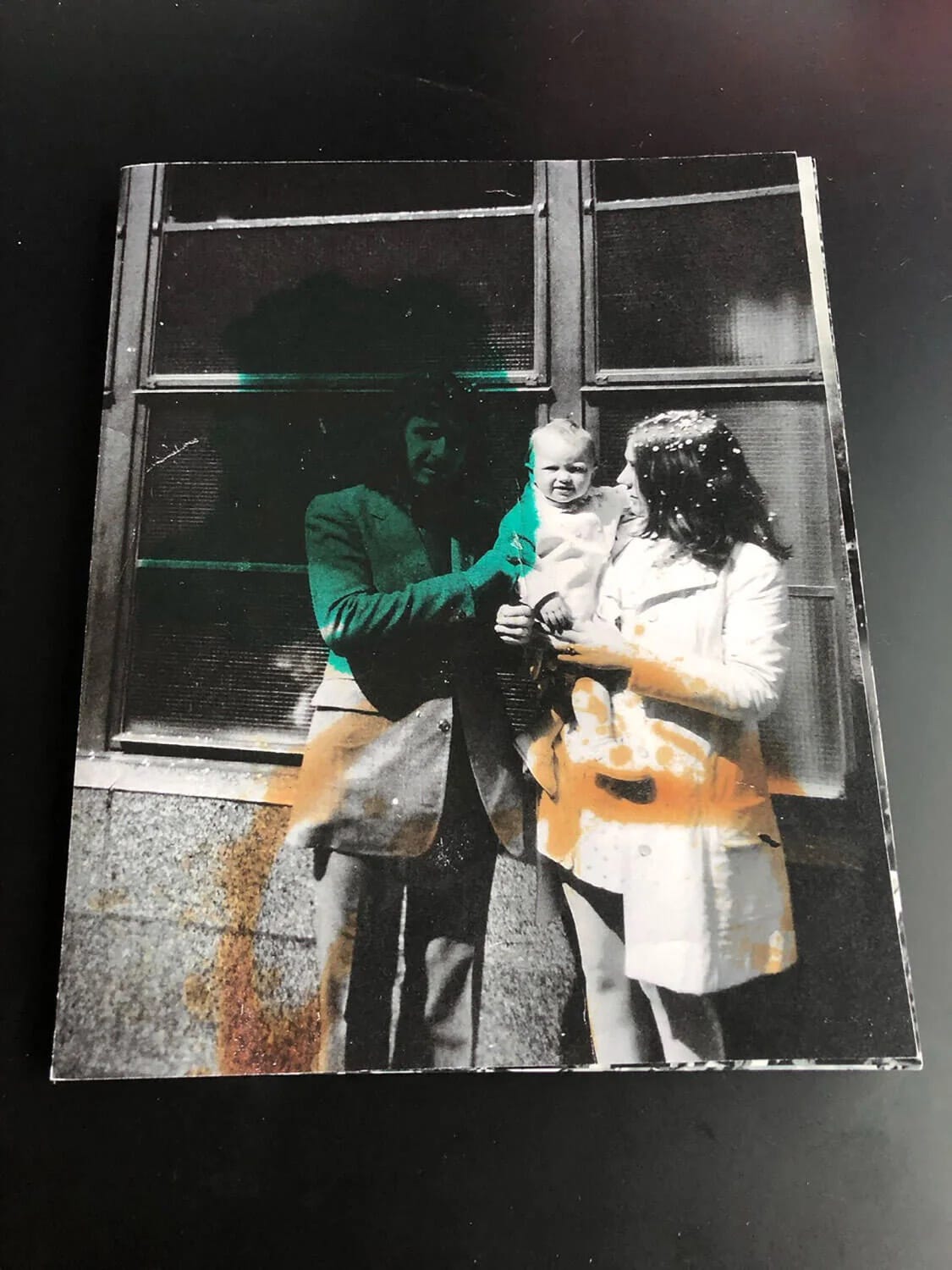
4. The Fish That Never Swam (2021) by Kirsty MacKay
Back in January of this year, the University of Glasgow invited Kirsty Mackay to be part of their Creative Conversation series. It is rare for a photographer to be featured in what is usually a literary event.
At the talk, Mackay mentioned that she was uncomfortable with how expensive and elitist photobooks were. She wanted to make a book that was priced more accessibly for the working-class communities that she documents. Nevertheless, The Fish That Never Swam and her recent book The Magic Money Tree are brilliant examples of what can be done with the form.
There is so much attention to detail in the execution. It brings to life a report from the Glasgow Centre for Population Health about the Glasgow Effect, with the stories and photos that she (and a couple of others) took. With W. Eugene Smith, the ethics feel distant. With McKay, I am confronted with the city I live in, and it made me totally reassess my own photographic practice.
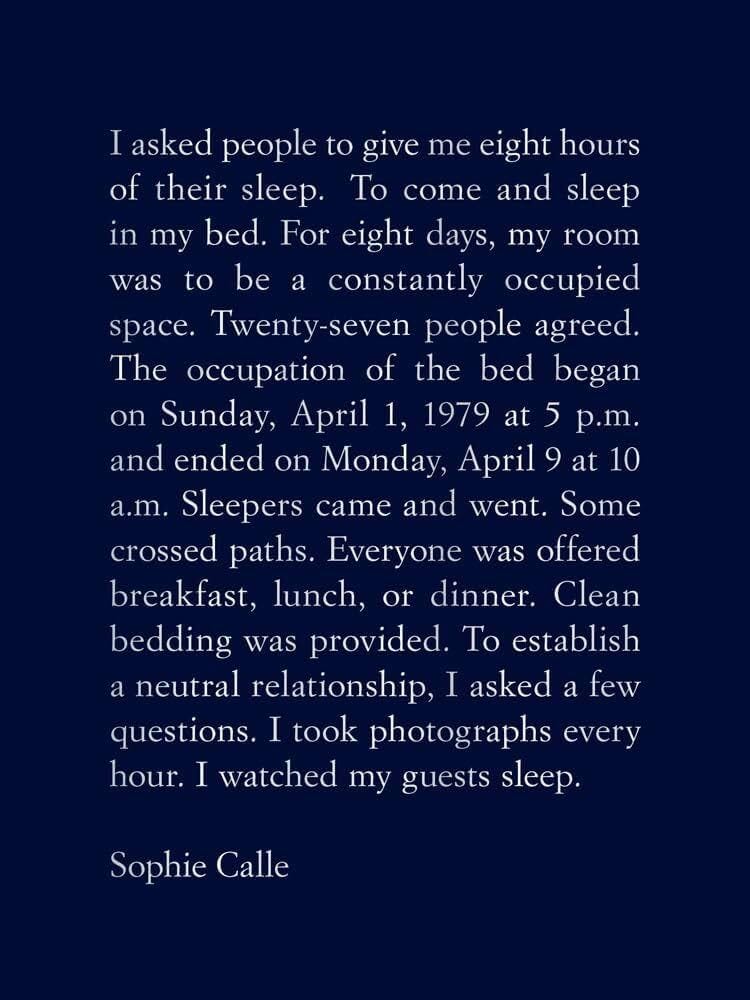
5. The Sleepers (2025) by Sophie Calle
While Sophie Calle’s first photography project was made in 1979, it was only published as a book in English this year. It combines interviews with various strangers and intimates, alongside photographs of people sleeping (or pretending to sleep). The project feels disturbing and transgressive, particularly after the trial of Dominique Pelicot, but one can’t help but read on.
Five Best Non-Fiction Books
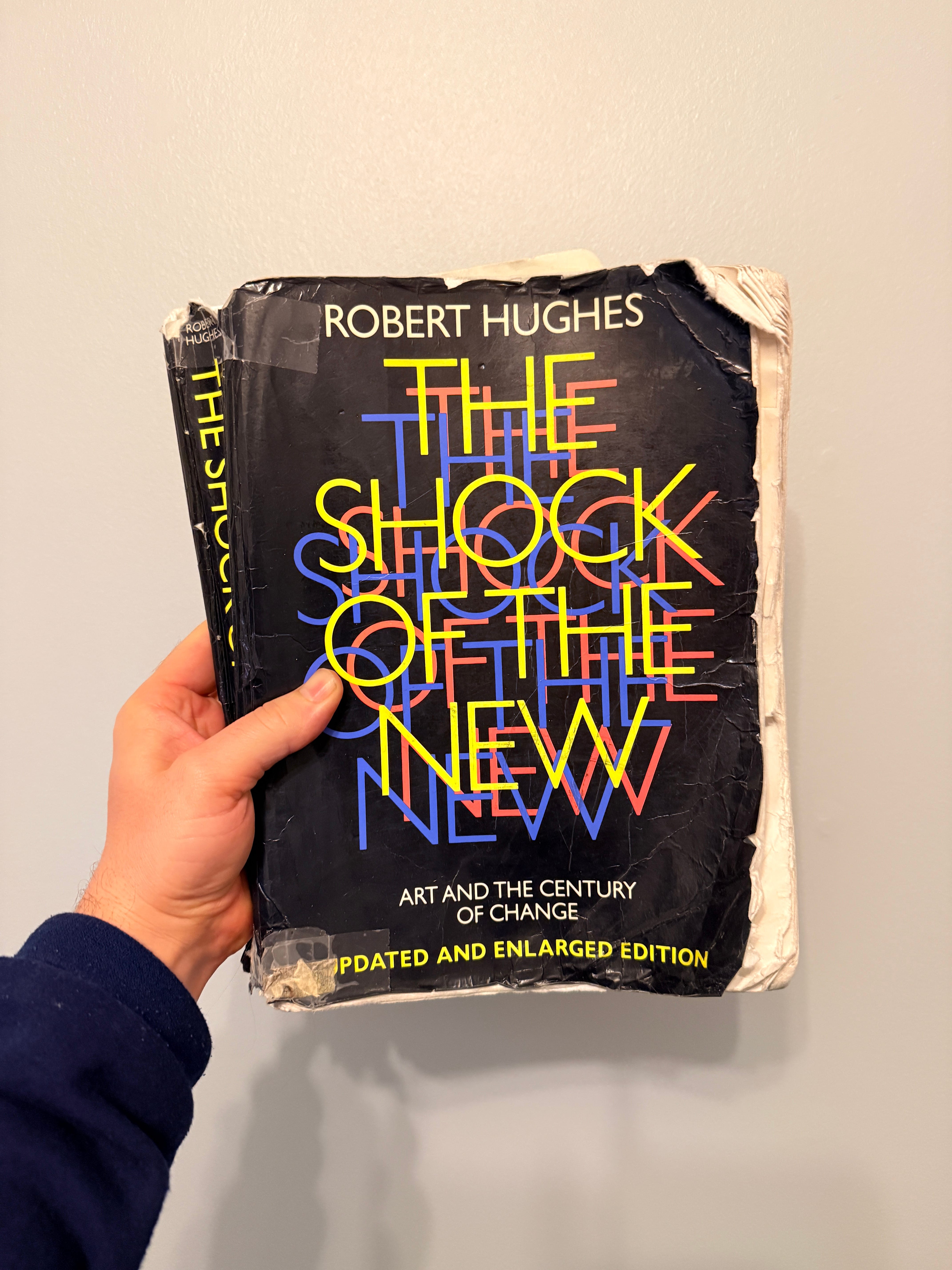
1. The Shock of the New (2nd edition, 1991) by Robert Hughes
As an autodidact, my sense of art history is fragmentary at best. With The Shock of the New, I felt the thrill of seeing twentieth-century art turned into a dramatic narrative. Technology, war, theosophy, egotism—it’s all there in this brilliantly written book derived from a television series.
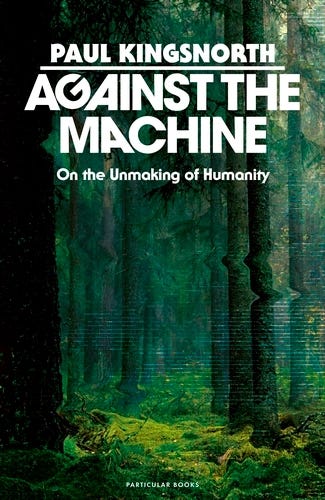
2. Against the Machine (2025) by Paul Kingsnorth
For Paul Kingsnorth, both right-wing neoliberal economics and left-wing identity politics have served the same purpose: to sever the roots that kept people connected to the earth and each other. He describes a world hurtling towards a state of total alienation and spiritual poverty. Informed by figures like Simone Weil and Jacques Ellul, it is a gleeful jeremiad against technological and ideological “progress”.
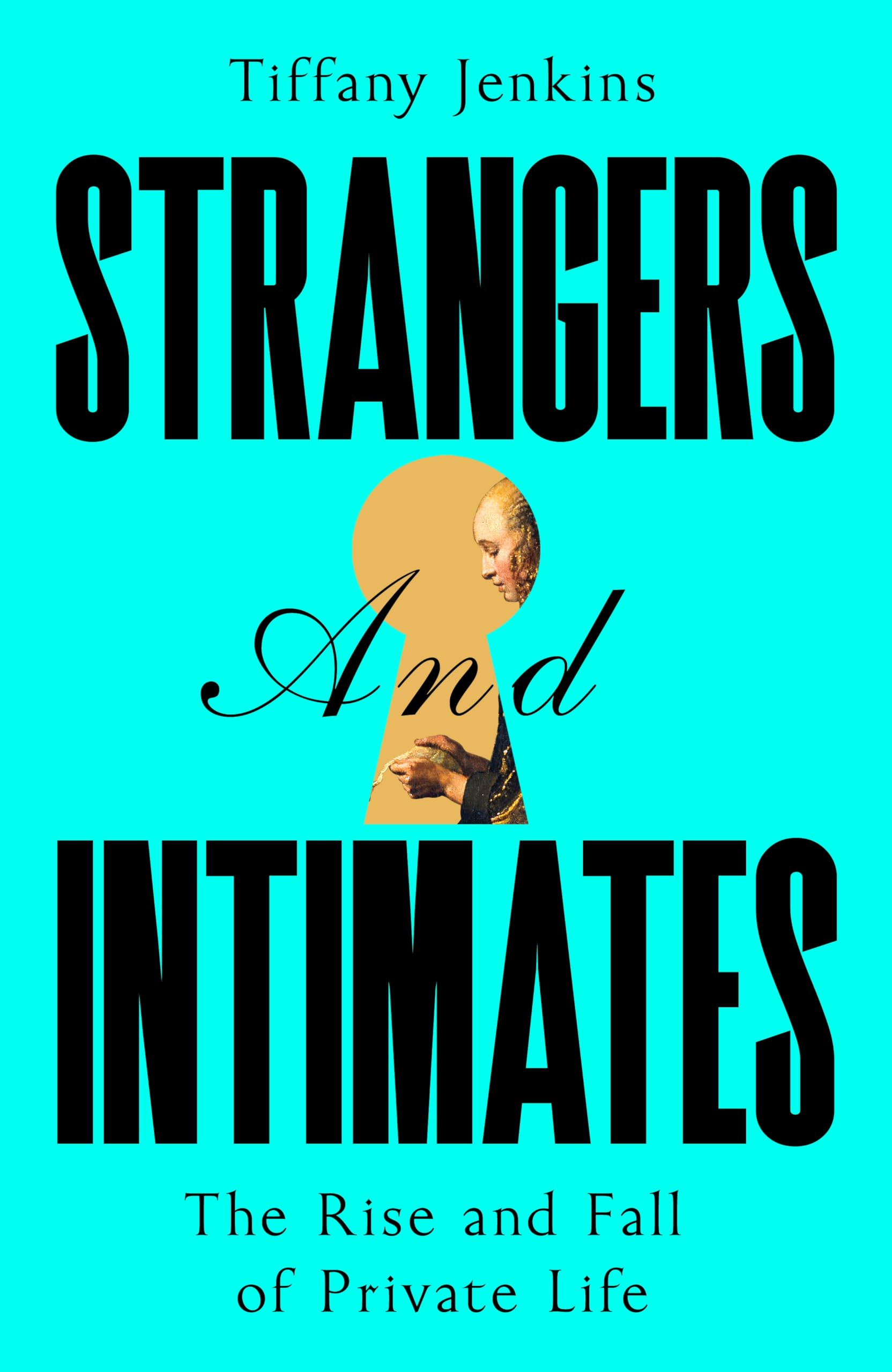
3. Strangers and Intimates (2025) by Tiffany Jenkins
This is an absorbing account of the rise and fall of private lives and the public sphere. It condenses an extraordinary amount of historical material into a relatively small space. It was so good that after finishing the audiobook, I immediately picked up a physical copy.
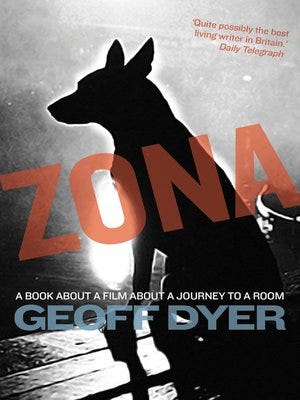
4. Zona (2012) by Geoff Dyer
I read five books by Geoff Dyer this year—five!—including his excellent new memoir, Homework, but Zona, his book on Tarkovsky’s Stalker, was my favourite. To make such a tortured film into a hilarious book demonstrates the agility of Dyer’s mind. Wit is key to intelligence, and here it allows us a sense of cosmic irony in Stalker.
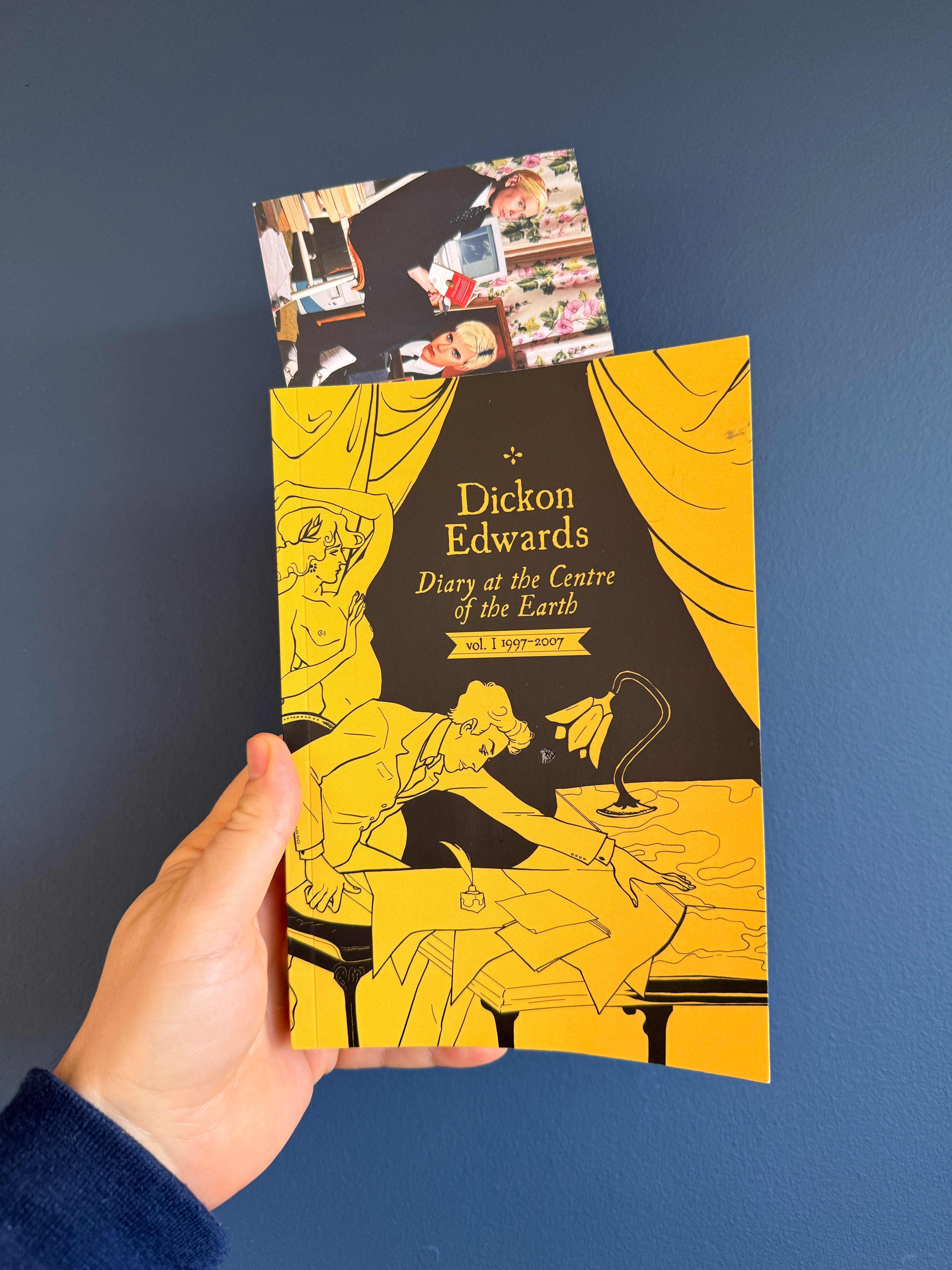
5. Diary At the Centre of the Earth. Vol. 1 1997-2007 (2025) by Dickon Edwards
I want to see a review of this book from someone who knows nothing of Dickon Edwards. What do they make of it? What do they make of him? There is plenty of London colour from the turn of the millennium for it to work as history, but he is also a unique character.
I was around for a few of the later years described (indeed, my interview with Dickon is part of the book’s appendices). But reading it sank me into a three-day existential funk. It muddied my psychical waters by dredging up past lives. This feeling is especially acute with Dickon because he is at pains to be a particular version of himself.
Next year, I vow to read more novels and more poetry. Recommendations in the comments, please!
According to a study, between “2003 and 2023, daily reading for reasons other than work and study fell by about 3% each year.” For more on this, read James Marriott’s mega-viral post on The dawn of the post-literate society or Noah McCormack’s essay on the rise of irrational oral culture.
Maybe slowness is a virtue. David Cain’s recent post on reading The Lord of the Rings out loud sounds true to me:
"By offering the book about triple the usual amount of attentiveness, I was getting about triple the storyness (i.e. meaning, engagement, literary pleasure). Whatever the thing is that I’m seeking when I pick up a novel in the first place, there’s much more of it available at this pace.”
Here is the list of all 50-odd books I finished this year:
Crome Yellow by Aldous Huxley
Flashes of Brilliance by Annika Burgess
Henri Cartier-Bresson by Aperture
Civil Imagination by Ariella Azoulay
Sexual Personae by Camille Paglia
WORDSWORDSWORDS by Chickenman
Baudrillard for Beginners by Chris Horrocks
Things I’ve Heard by Christian Marclay
Disordered Attention by Claire Bishop
Sophie Calle by Photofile
Photography and Environmental Activism by Conohar Scott
Diary at the Centre of the Earth Vol. 1 (1997-2007) by Dickon Edwards
Flower by Ed Atkins
Passion: Maud Sulter by Deborah Cherry (editor)
Self portrait in the age of Photography by Erika Billeter
W. Eugene Smith: Camera as Conscience by Gilles Mora and John T. Hill (editors)
Jeff in Venice, Death in Varanasi by Geoff Dyer
Another Great Day at Sea by Geoff Dyer
The Street Philosophy of Garry Winogrand by Geoff Dyer
Homework by Geoff Dyer
Zona by Geoff Dyer
White Tears by Hari Kunzru
Electric Dreams: Sex Robots and Failed Promises of Capitalism by Heather Parry
Unsullied and untarnished by Jeremy Sutton-Hibbert
Foe by JM Coetzee
Another Way of Telling by John Berger and Jean Mohr
The Fathers by John Niven
Documentary by Julian Stallabrass (editor)
Fascism: A Very Short Introduction by Kevin Passmore
The Fish That Never Swam by Kirsty Mackay
Tulsa by Larry Clark
Two-Frame Films by Luke Fowler
The Non-Conformists by Martin Parr
Autoportrait by Martin Parr
Bad Weather by Martin Parr
Photography as Activism by Michelle Borge
Robinson by Muriel Spark
The Ballad of Sexual Dependency by Nan Goldin
Mapplethorpe Portraits by National Portrait Gallery
Against the Machine by Paul Kingsnorth
The Golden Verses by Pythagoras
Villes / Cities / Städte by Raymond Depardon
flags for countries that don’t exist but bodies that do by Rene Matic
The Shock of the New by Robert Hughes
Moral Ambition by Rutger Bregman
The Sleepers by Sophie Calle
Fascist Yoga by Stewart Home
The Documentary Impulse by Stuart Franklin
I Am Dynamite! by Sue Prideaux
Strangers and Intimates by Tiffany Jenkins
To Photograph is to Learn How to Die by Tim Carpenter
Rejection by Tony Tulathimutte
Interesting list. Zona sounds like something I should read. Thank you for sharing!
Lovely collection of books you read, thanks for sharing this Neil! I was just thinking about finally tracking the books I read for 2026, and it never occurred to me to just do it in Excel. Love that idea so much i’m stealing it.
I absolutely love a photo essay, so that book by Eugene Smith really caught my eye. Unfortunately it’s quite a pricey one, have you read any of his other books in which he might have written more photo essays in? I would love to hear about them if you have.
Happy New Year!