


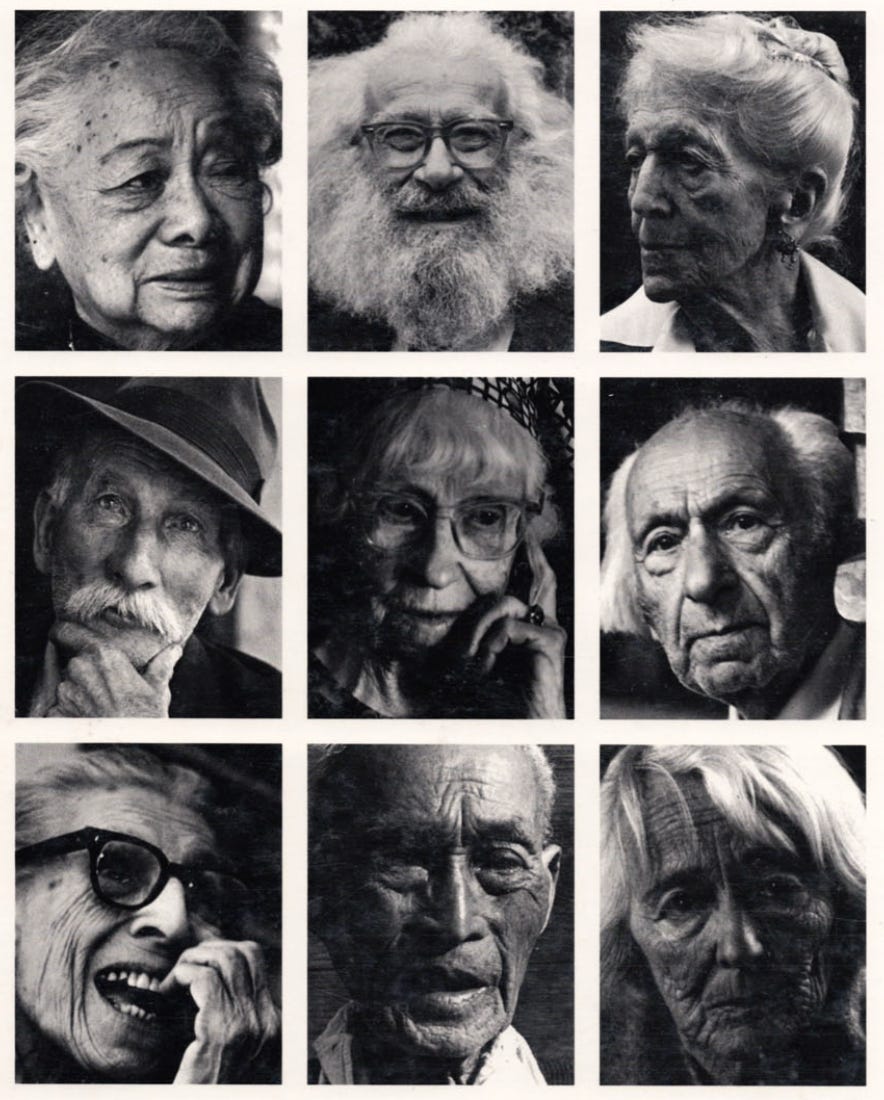
A few weeks ago, Xi Jinping and Vladimir Putin were overheard on a hot mic discussing how organ replacement might help them achieve immortality. These dictators, much like the billionaire tech bros, covet longevity via gene editing and pharmaceuticals. But what if the answer was simpler? What if the secret to a long life was to just take more photos?
The idea was planted in my mind after reading an interview with Martin Parr where he mentioned that photographers “are known to live to ripe old ages” Whenever I hear a claim like that I instinctively seek evidence for and against. A data point came soon after with the death of Elliott Erwitt aged 95. I remember thinking that this was a good innings, and was inspired to look up other photographers who lived a long time.
It didn’t take long to build up a substantial list:
André Kertész died at 91
Irving Penn, Roman Vishniac, and Andreas Feininger were 92
Imogen Cunningham, Berenice Abbott, Yousuf Karsh, Edward Steichen, and Gordon Parks all died at 93
Robert Frank was 94
Helen Levitt and Henri Cartier-Bresson got to 95
William Klein and Alfred Eisenstaedt were 96
Willy Ronis was 99
Manuel Álvarez Bravo made it to 100
Milton Rogovin died at the ripe old age of 102
And—previously unknown to me—Horacio Coppola tops the list at 105!
That’s quite a few nonagenarians and centenarians. Furthermore, that’s only the ones who are dead. Some of my favourites photographers are still alive and productive well into their eighties and nineties:
Daidō Moriyama and William Eggleston are 86
Joel Meyerowitz looks great at 87
Don McCullin appears vital at 89
You don’t hear much about Lee Friedlander these days, but he is alive at 91
And Duane Michals is still working away at 93
Amazing, no?
Is photography some kind of elixir? Should doctors be prescribing cameras on the NHS? Or is it just survivorship bias? That is, do we only pay attention to those who lived long enough to develop a reputation? Maybe it’s too easy to cherry-pick a few prominent figures and create a pattern. What about all the hundreds of photographers who died young or at an average age?1
To get a more objective view, I compiled a spreadsheet from Wikipedia’s List of Photographers page. I removed all living photographers and tabulated the remaining 711 with their approximate age at death. I discovered that the average (mean) age at death was 74. The median age was 77.2 So nothing very spectacular compared to average life expectancy, which in the UK is around 81.
Despite this evidence, I can’t help wondering if there might be something to the idea that photography confers some longevity advantages. So here, with some works by long-lived photographers, are some possible causes.
Five reasons why photographers might live a long time
1. Photographers have a sense of purpose
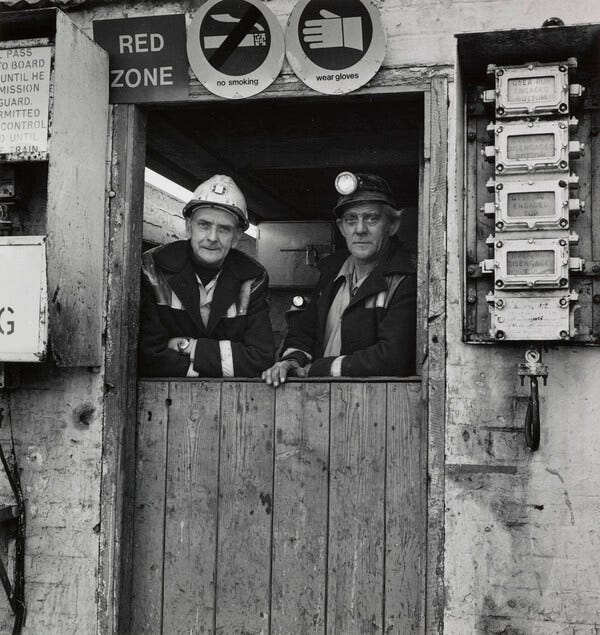
The challenge of photography never ends. There is no definitive photo, just the next one. Having a sense of purpose in life makes people 28% less likely to develop cognitive problems. Milton Rogovin, for instance, found purpose in documenting the invisible workers. As he said, the rich have their own photographers.
2. Photographers get outside
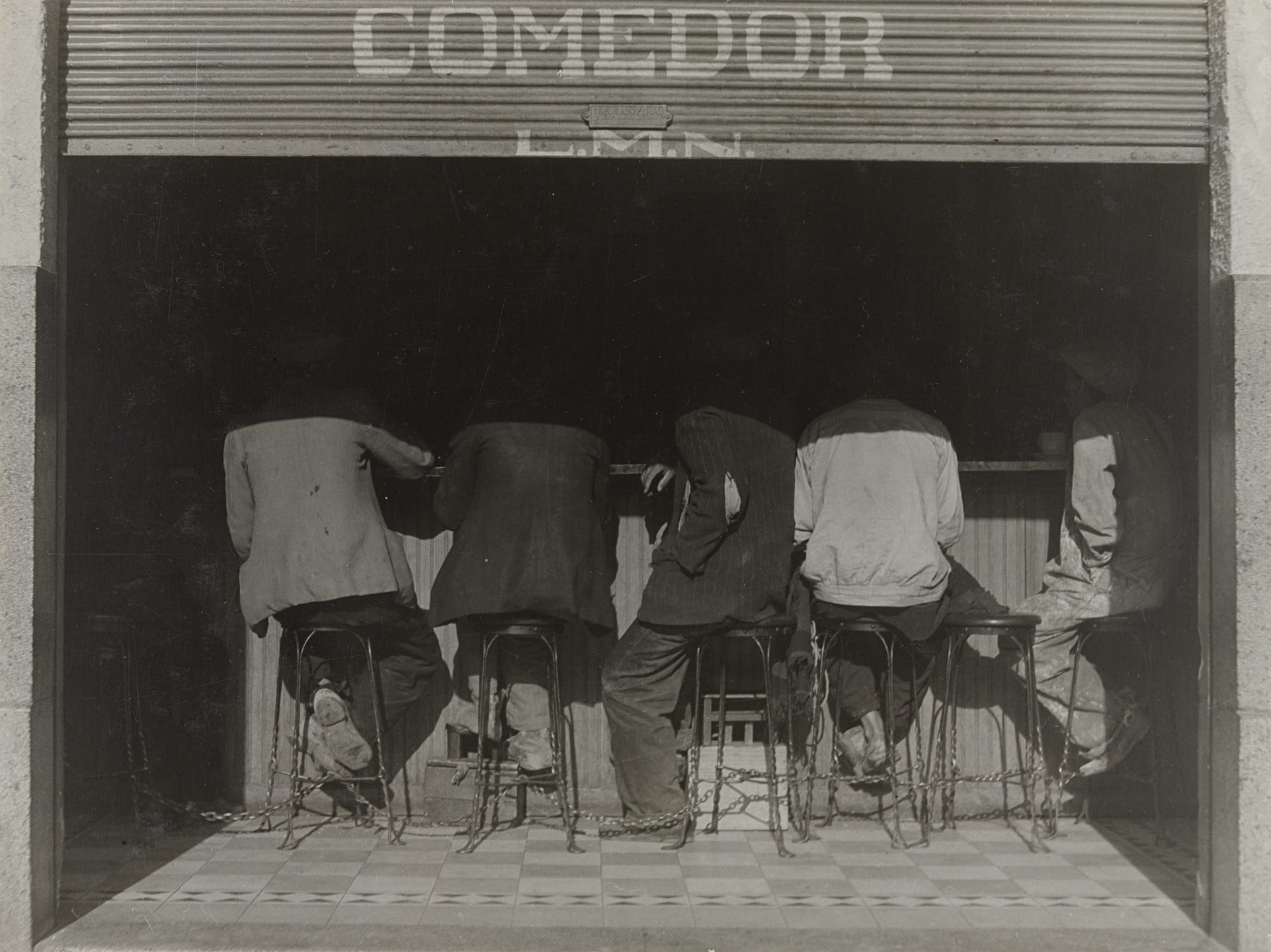
A lot of photography happens in the fresh air. Photographers are often exposed to the sun, even when others are in the shade. This has numerous benefits.
3. Photographers move around
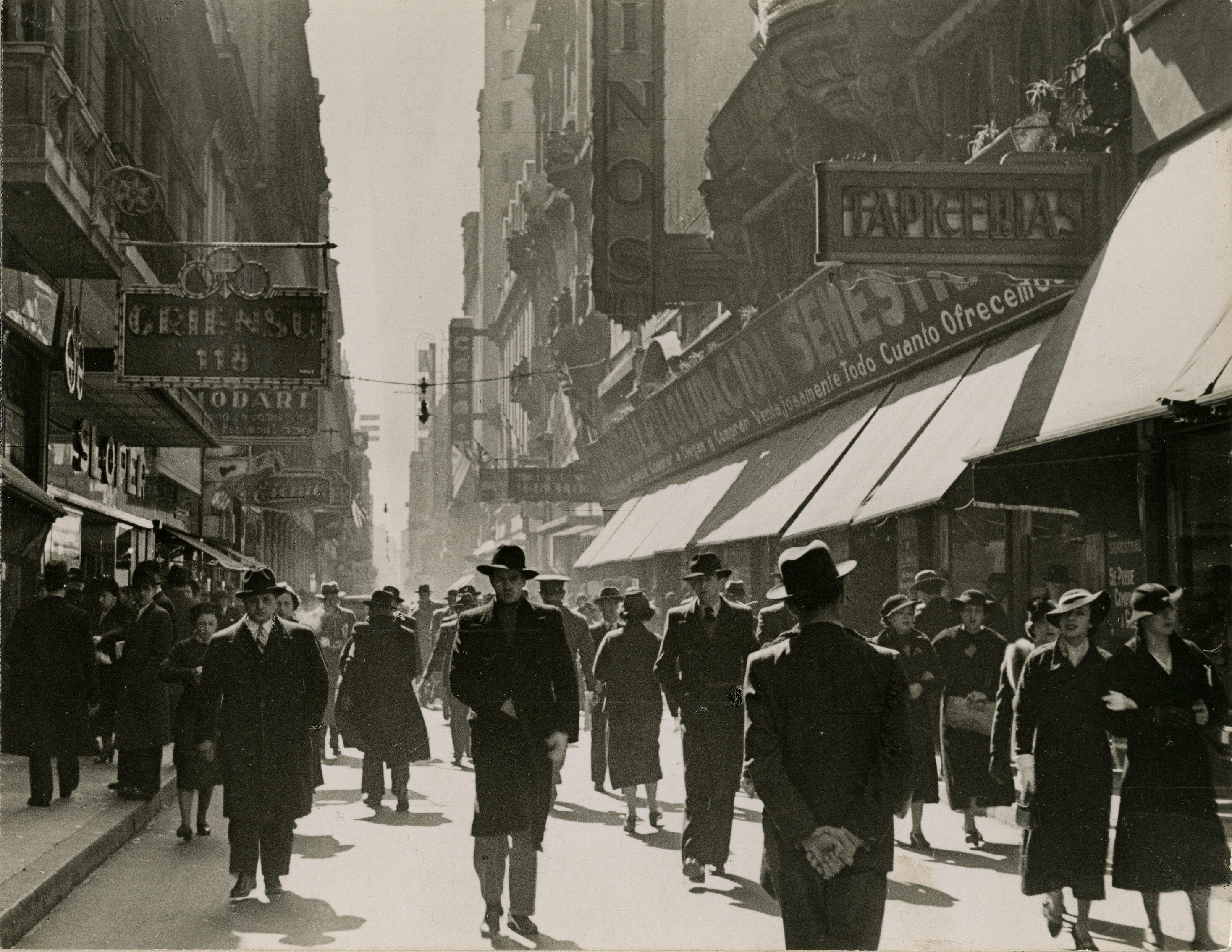
Most photographers don’t stay in one place. Low-impact exercise, like walking, is correlated with greater life expectancy. For instance, golfers live five years longer on average.
4. Photographers get to meet people
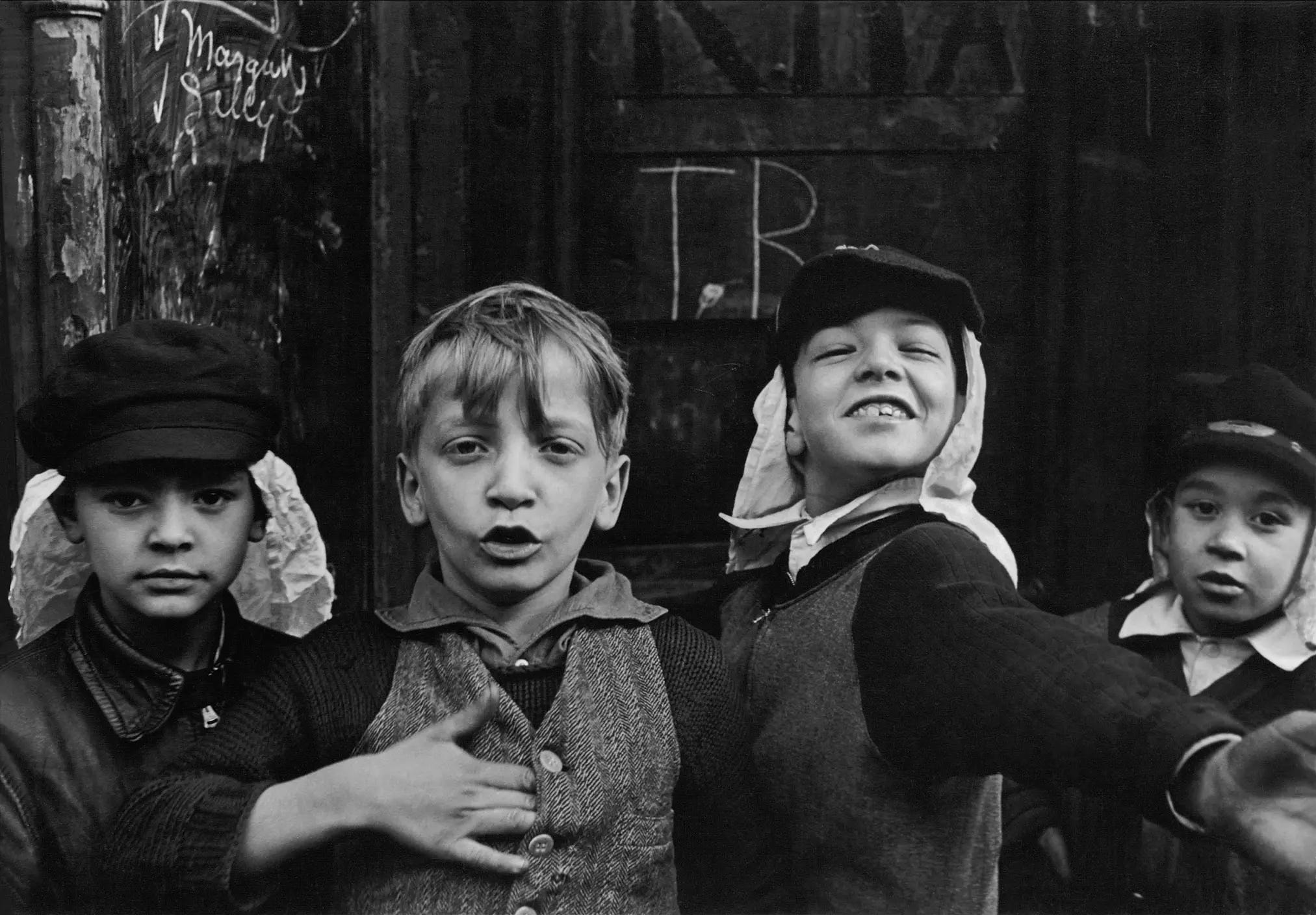
Social interaction is important to health and is linked with a longer lifespan. It is striking that most of the photographers in the list above focus on people.
5. Photographers understand the brevity of life
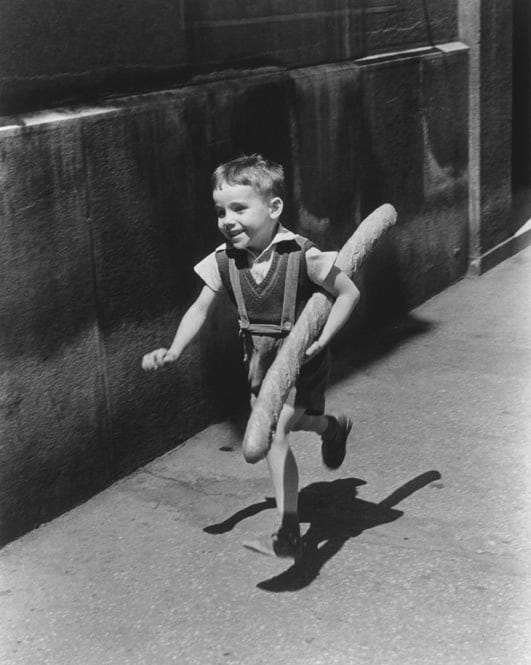
To Photograph is to Learn How to Die is the poignant title of Tim Carpenter’s essay. We can’t help but notice the impermanence of the photographed life as the people change and things disappear. It helps us cherish life in all its variety. Most people die long before they are buried, as their world narrows down to predictable habits. As Nassim Nicholas Taleb advises (and photographers do): embrace the random.
Coda
Of course, all longevity research feels like idle speculation. There are no guarantees. The guru of Ashtanga yoga, Sharath Jois, died on a hike at the age of 53. What made this ironic is that he had recently written a book explaining the “secrets to a long and healthy life.” If you want to make God laugh, tell him your plans for immortality.
There are many examples of famous photographers dying early. Francesca Woodman was dead at 22, Kevin Carter at 33, Diane Arbus at 48, and Thomas Annan at 58—all suicides. Robert Capa stepped on a landmine at 40. Tish Murtha suffered an aneurysm at 56. AIDS killed Peter Hujar at 53 and Robert Mapplethorpe at 42. Cancer took Maud Sulter (48), Garry Winogrand (56), and Jo Spence (58).
You can review my data here.
I reckon Vincent van Gogh ticks all five of your life extenders, but he died age 37! If only he'd taken photos instead of painting those crap landscapes and portraits of his!
And on the subject of irony, let’s not forget that Roland Barthes was run over by an ambulance after writing a book about a mysterious photograph of his mother.