


1. So … is Greenock rough?
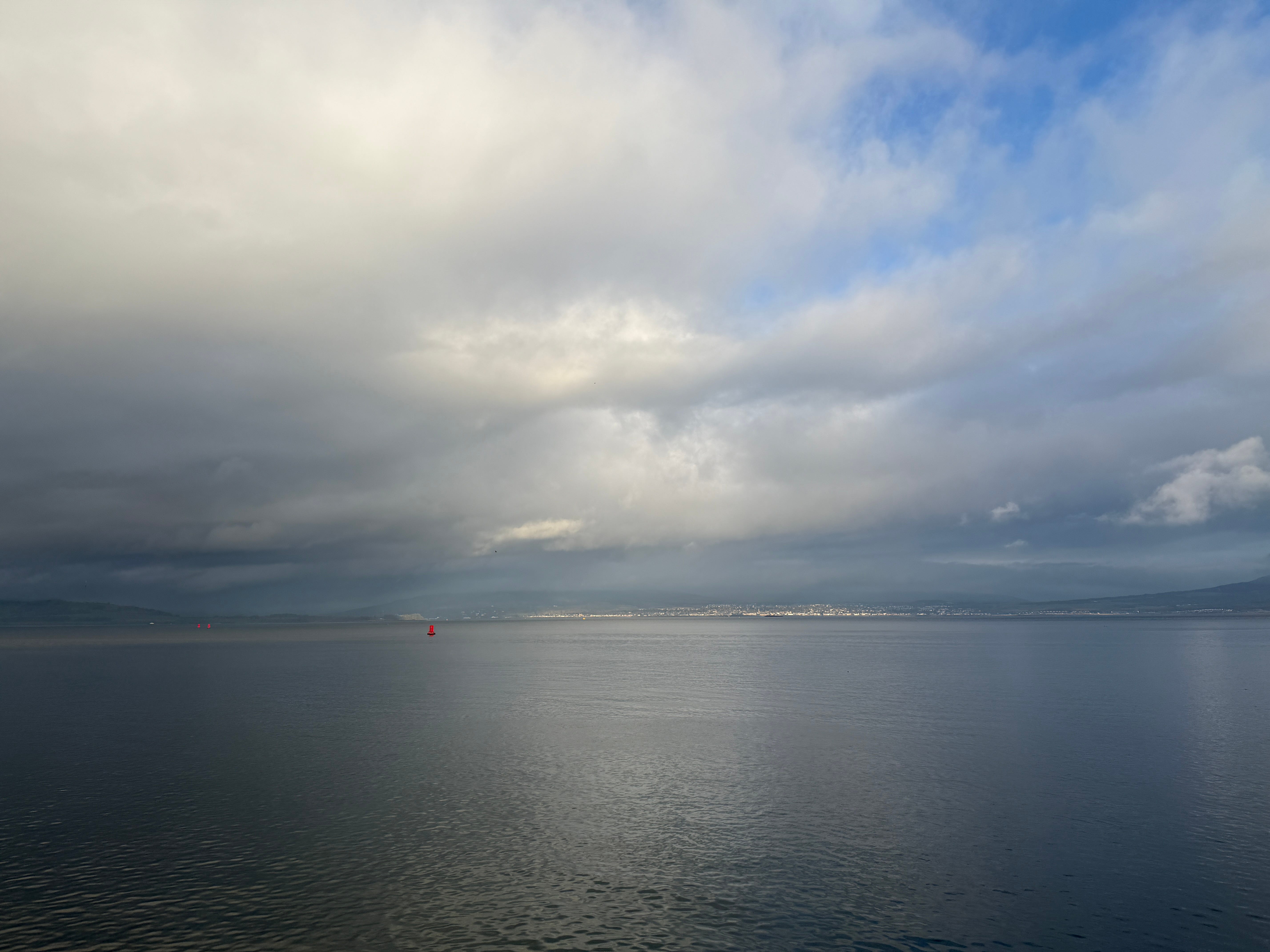
Not really. But when you search for “Greenock”, the top autocomplete suggestion is: “is greenock rough”. It’s true that, like many towns in Scotland, Greenock has seen better days. Much better days.
2. How did Greenock become wealthy?
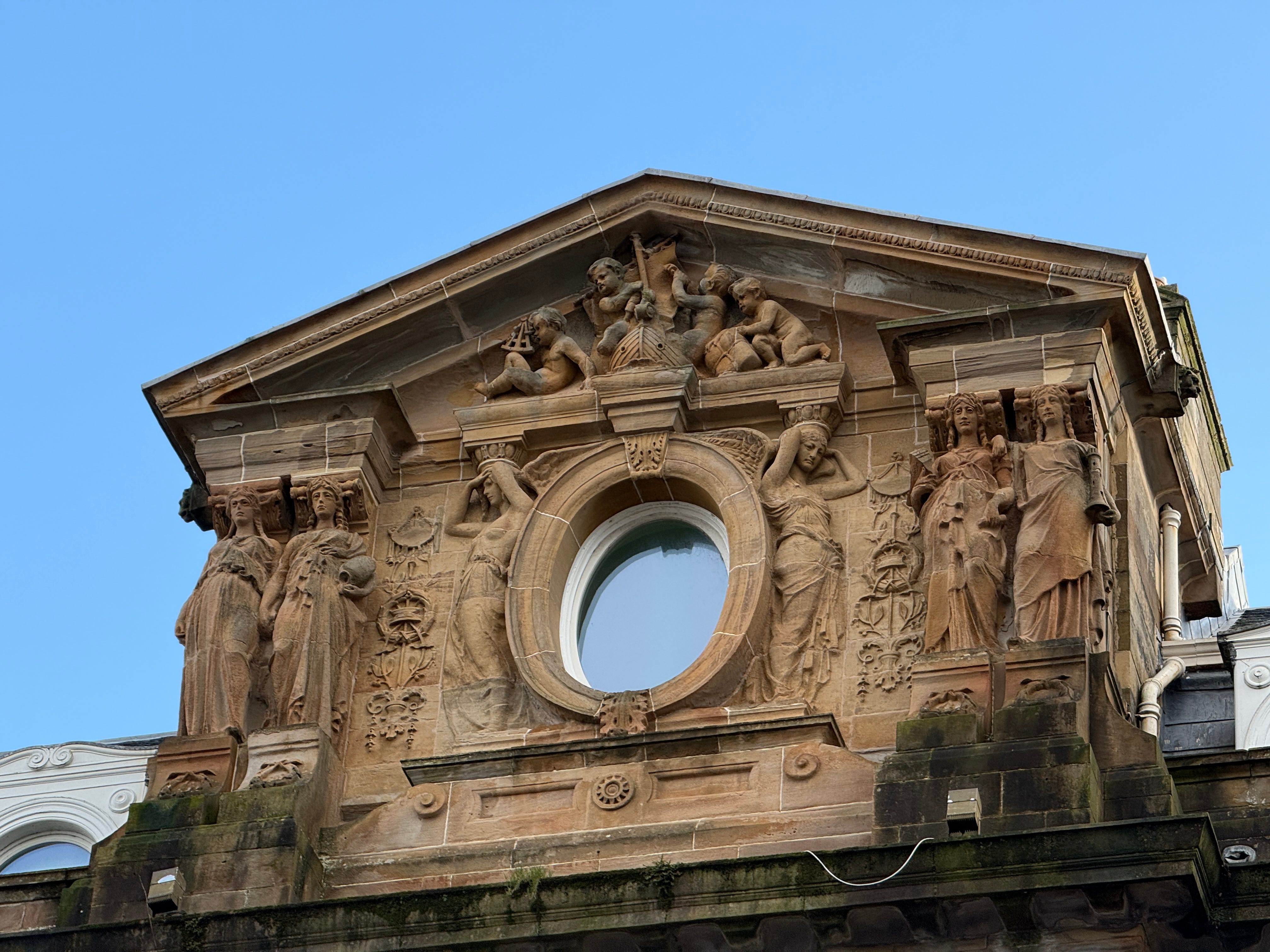


Greenock’s port was well-placed to take advantage of the transatlantic triangular trade. Ships went to Africa with guns and textiles, then to the Caribbean with captured Africans to work on the plantations, and finally back to Europe with sugar and tobacco. This trade brought wealth and helped build the town’s huge Italianate municipal building with its ornate sculptural details.
3. What’s there now?
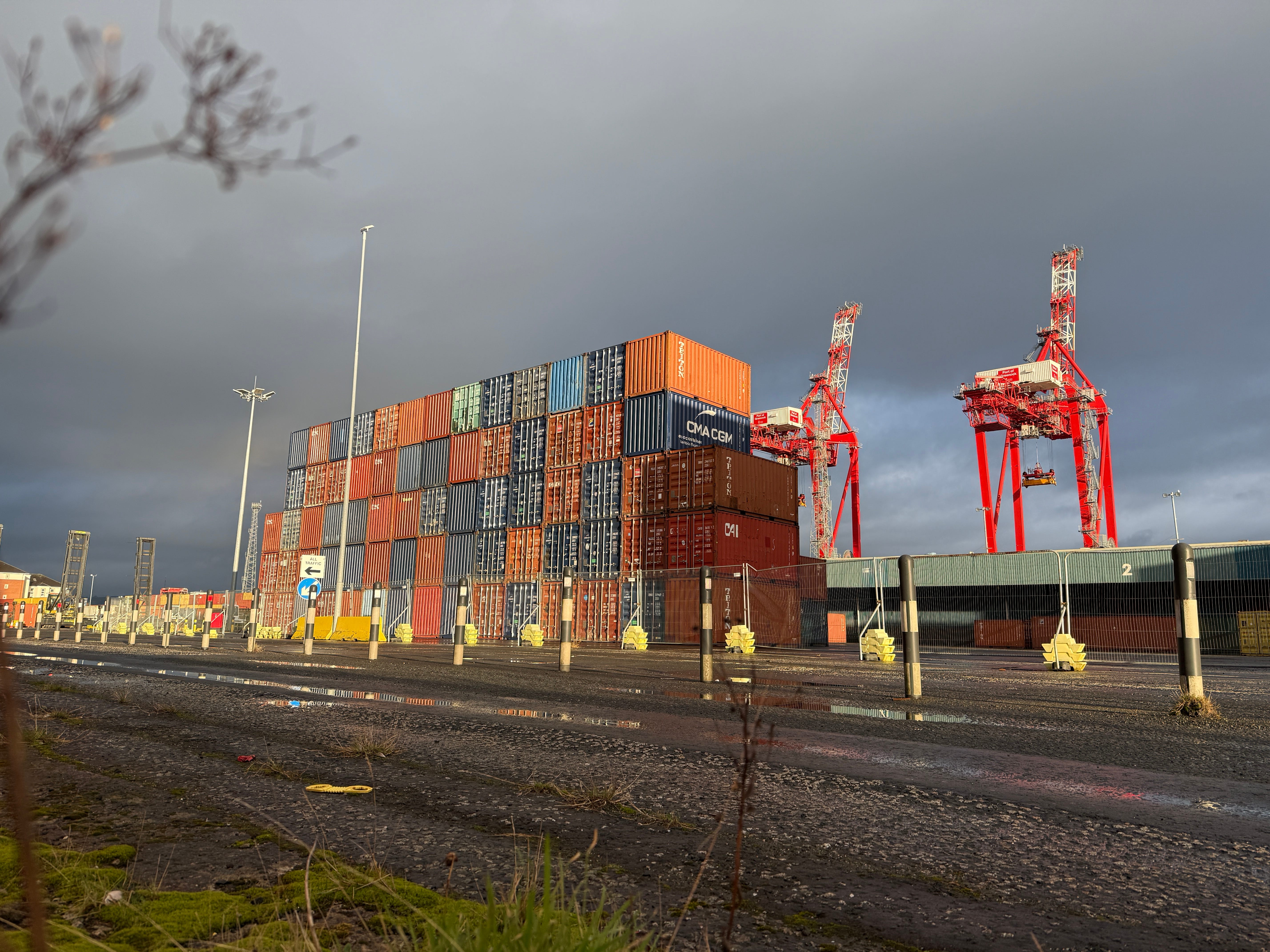
There is still an active port and a terminal where cruise liners dock, but this is not the thriving town it once was.
4. What happened?
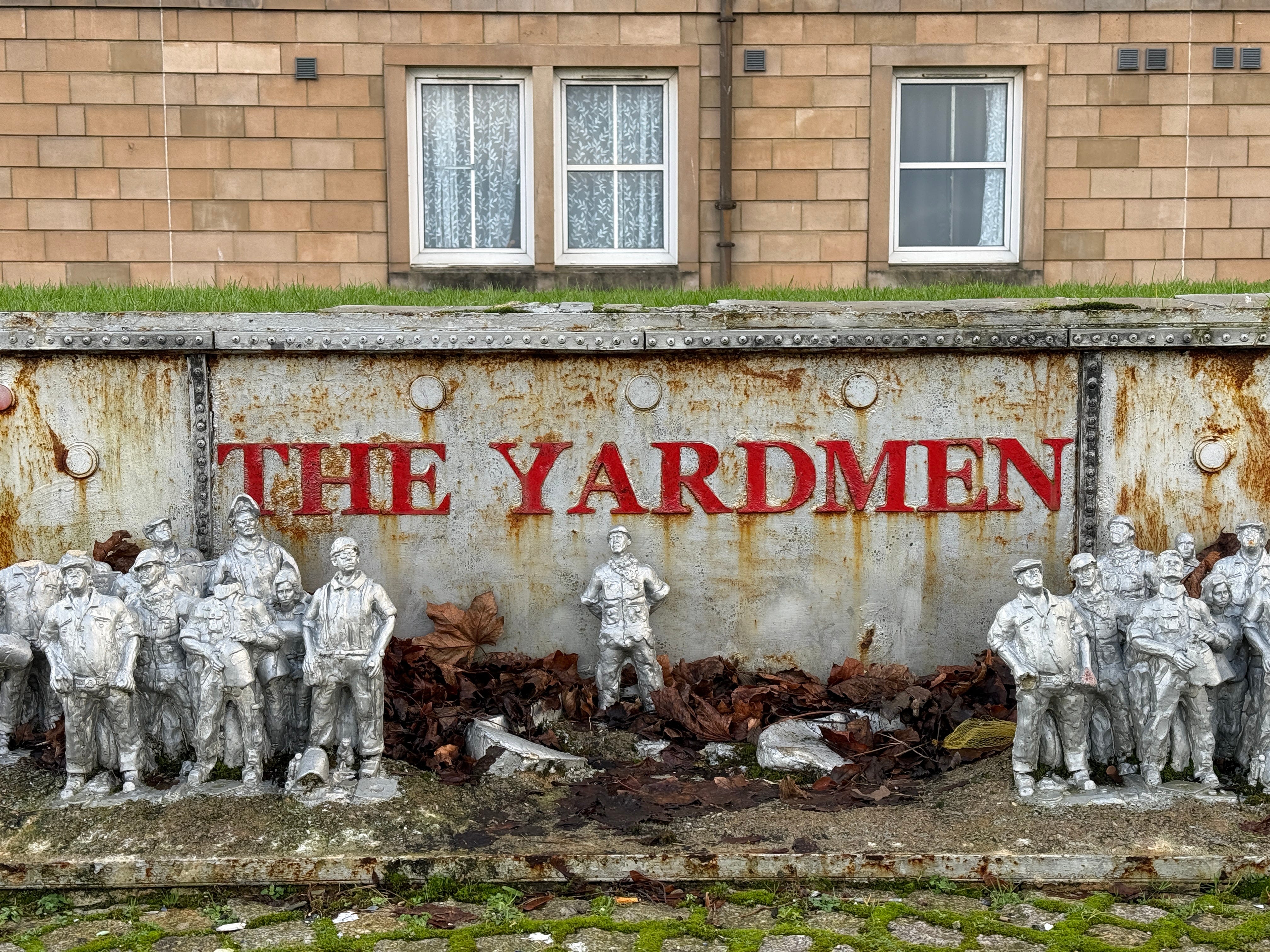
Apart from shifting trade patterns, the other cause was the effects of deindustrialisation as shipbuilding left Greenock. All that’s left to remember the industry is a public sculpture by Jason Orr which was recently vandalised.
5. What happened to the post-war redevelopment?
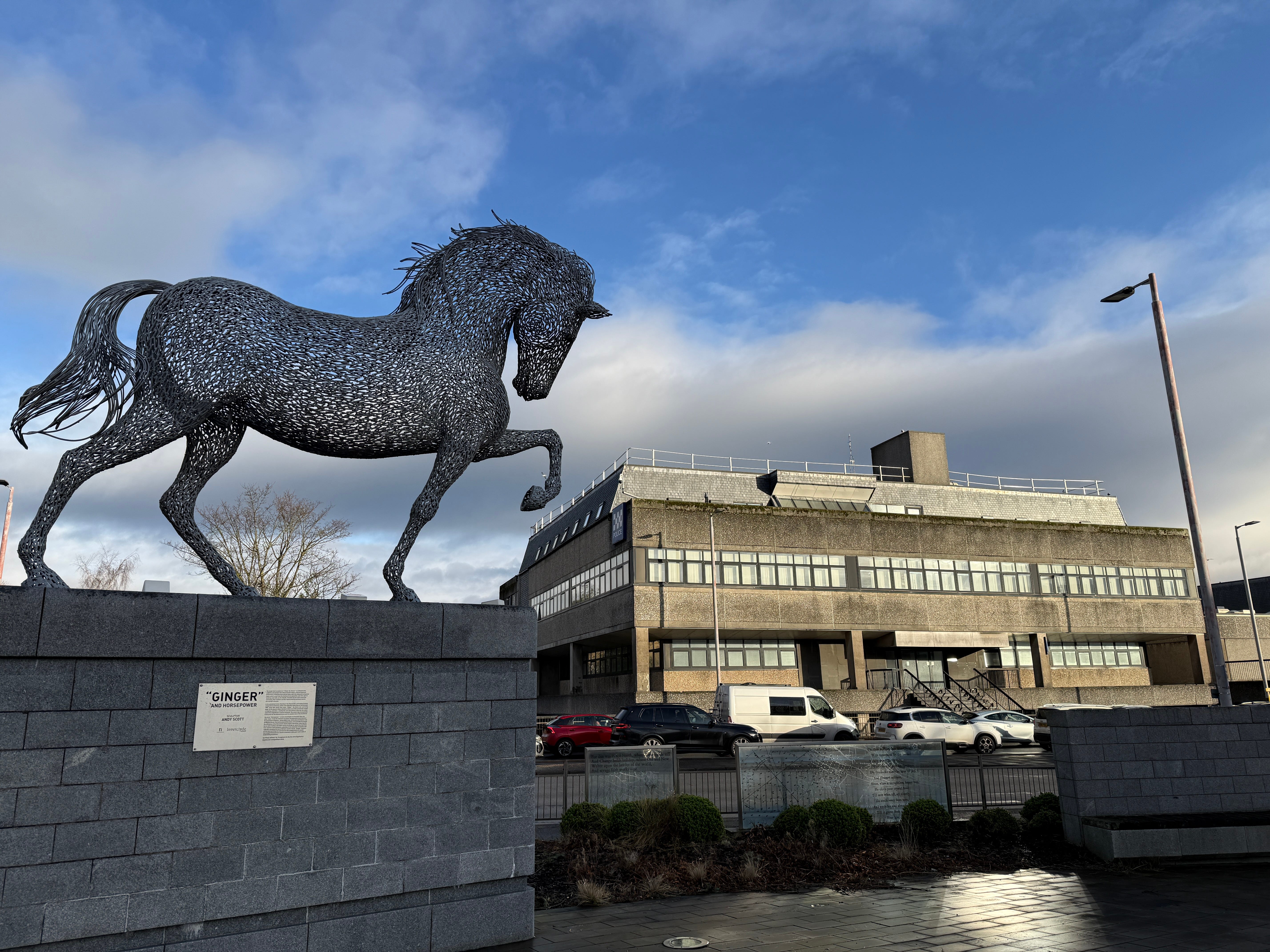
Like Glasgow, Greenock tried to modernise by expanding the roads through the town. It was not a success. The result is an alienating urban experience negotiated via underpasses.
6. So, it’s rough around the edges?
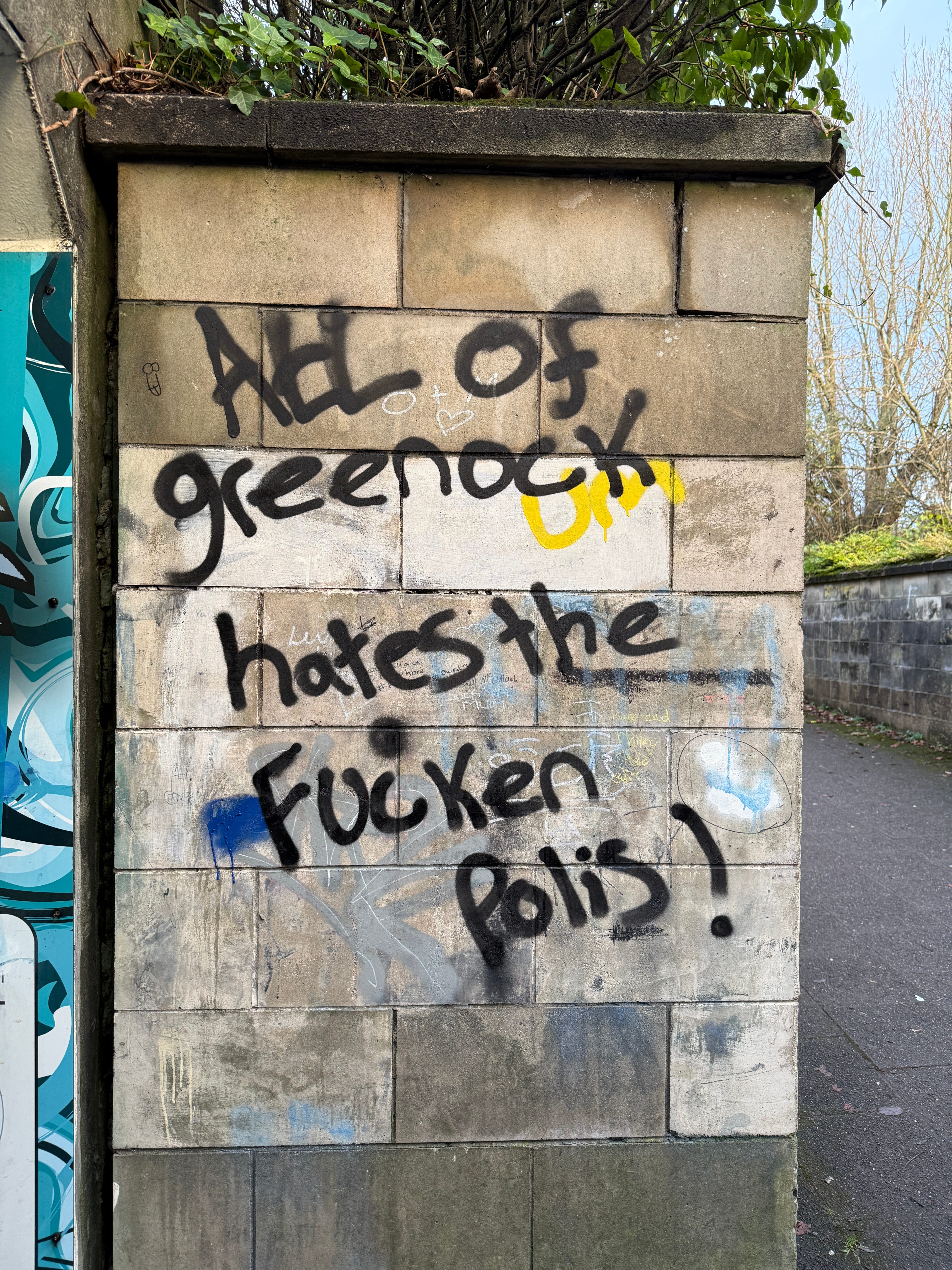
Yes. The population continues to decline, down by 2.7% in the ten years since the last census. People are unhealthier than in the rest of Scotland. Graffiti is not as bad as in Glasgow, but the messages are more pointed.
7. What about signs of hope?
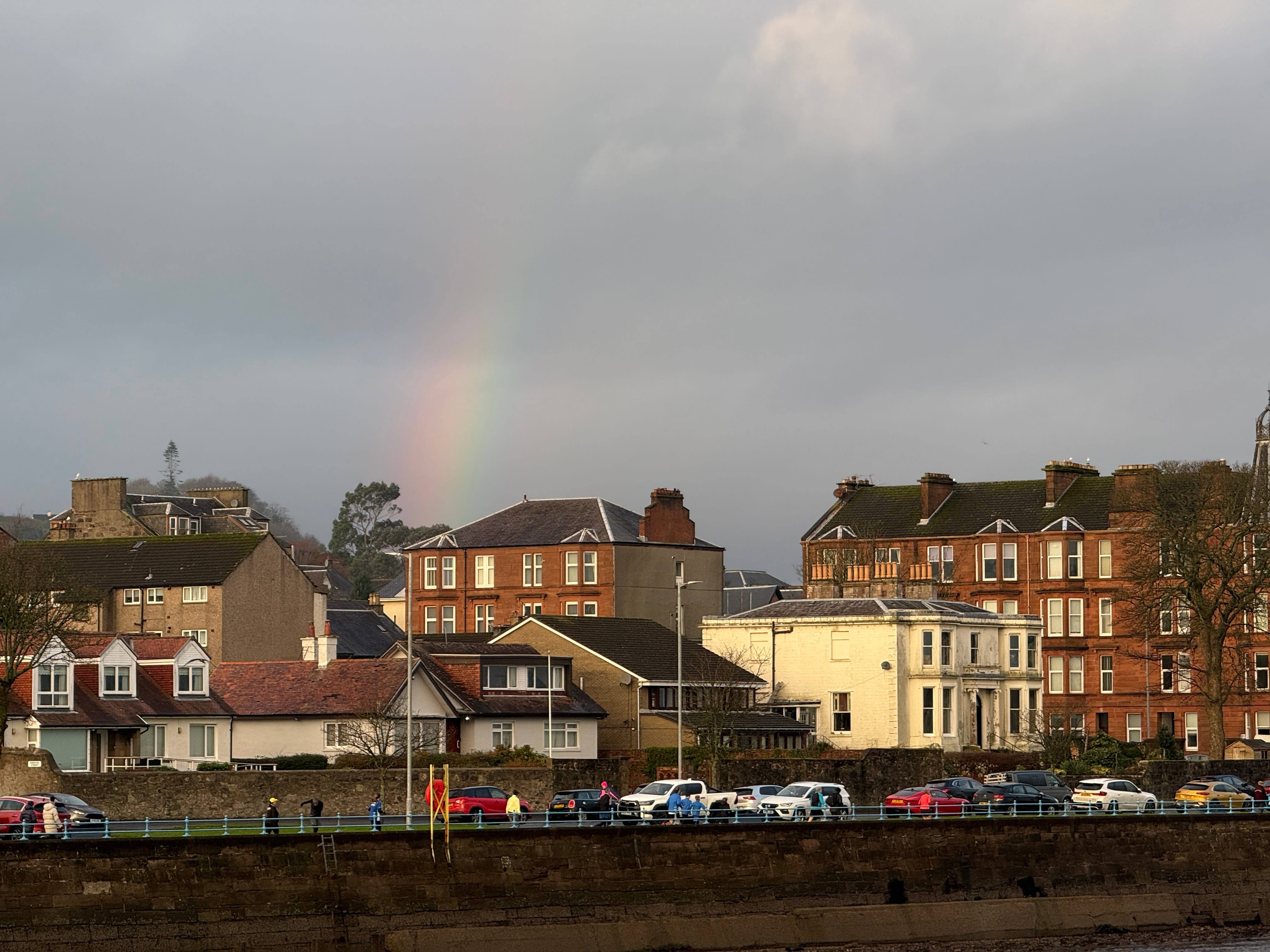
Well, there is a beautiful esplanade, which holds a Parkrun every Saturday …
8. What’s a Parkrun?
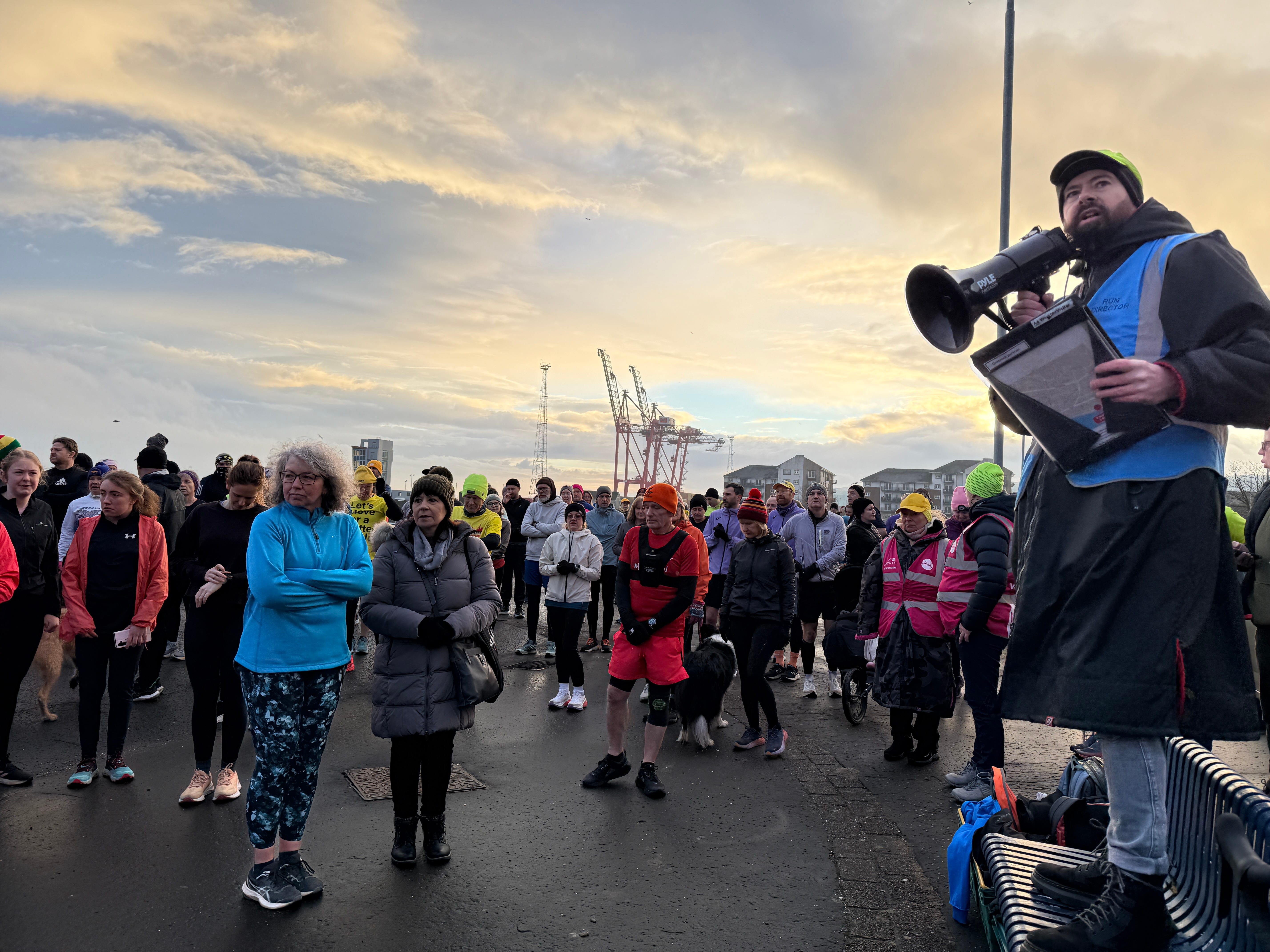
A volunteer-led 5k run every Saturday morning. I was in Greenock because all the Parkruns in Glasgow had been called off due to ice. Thanks to the briny water and the temperate maritime climate, they rarely have to cancel.
9. Are there any museums?
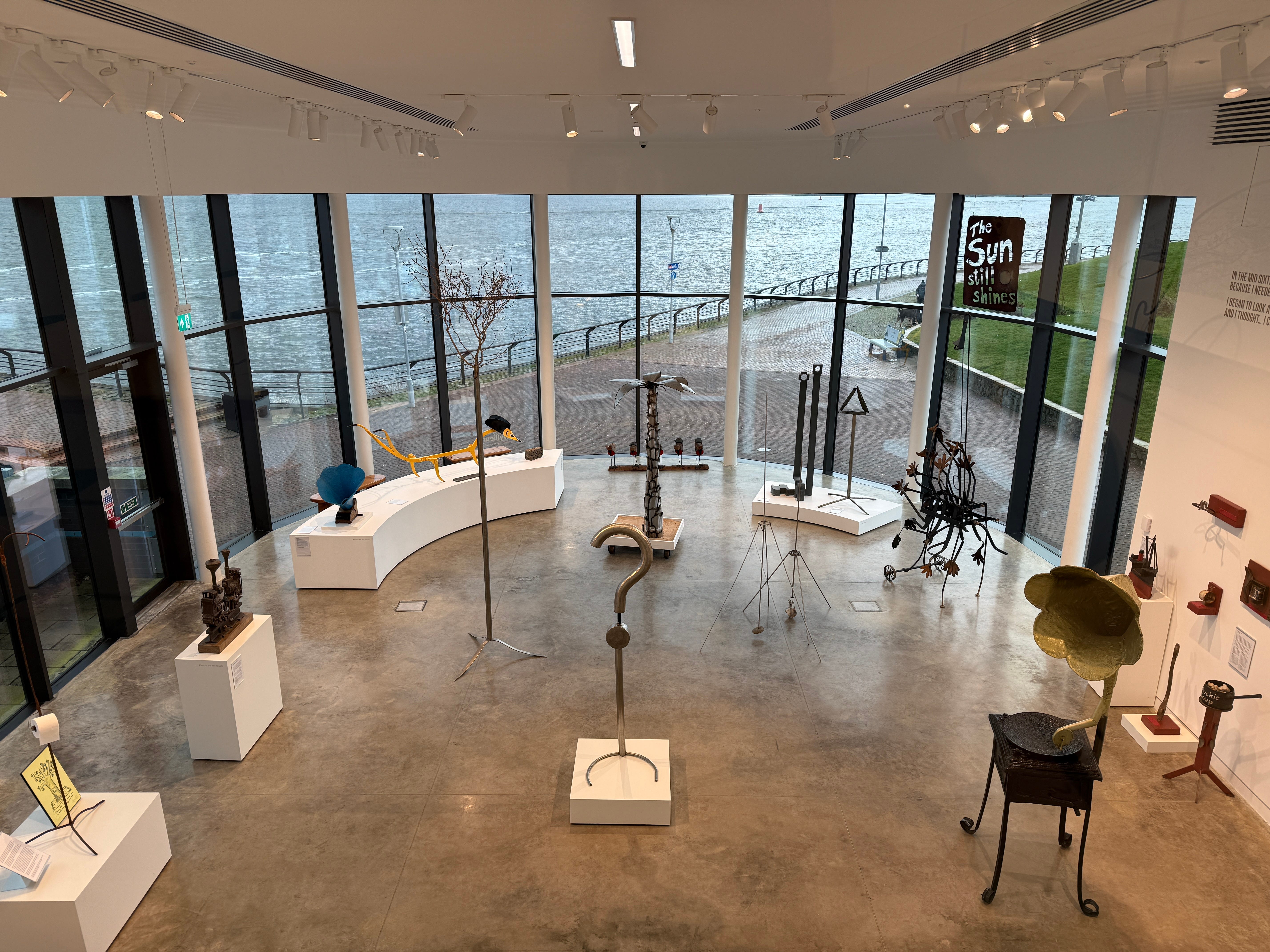
Yes! The most interesting new addition is The Wyllieum, a gallery celebrating the artist George Wyllie (1921–2012).
10. George Wyllie?
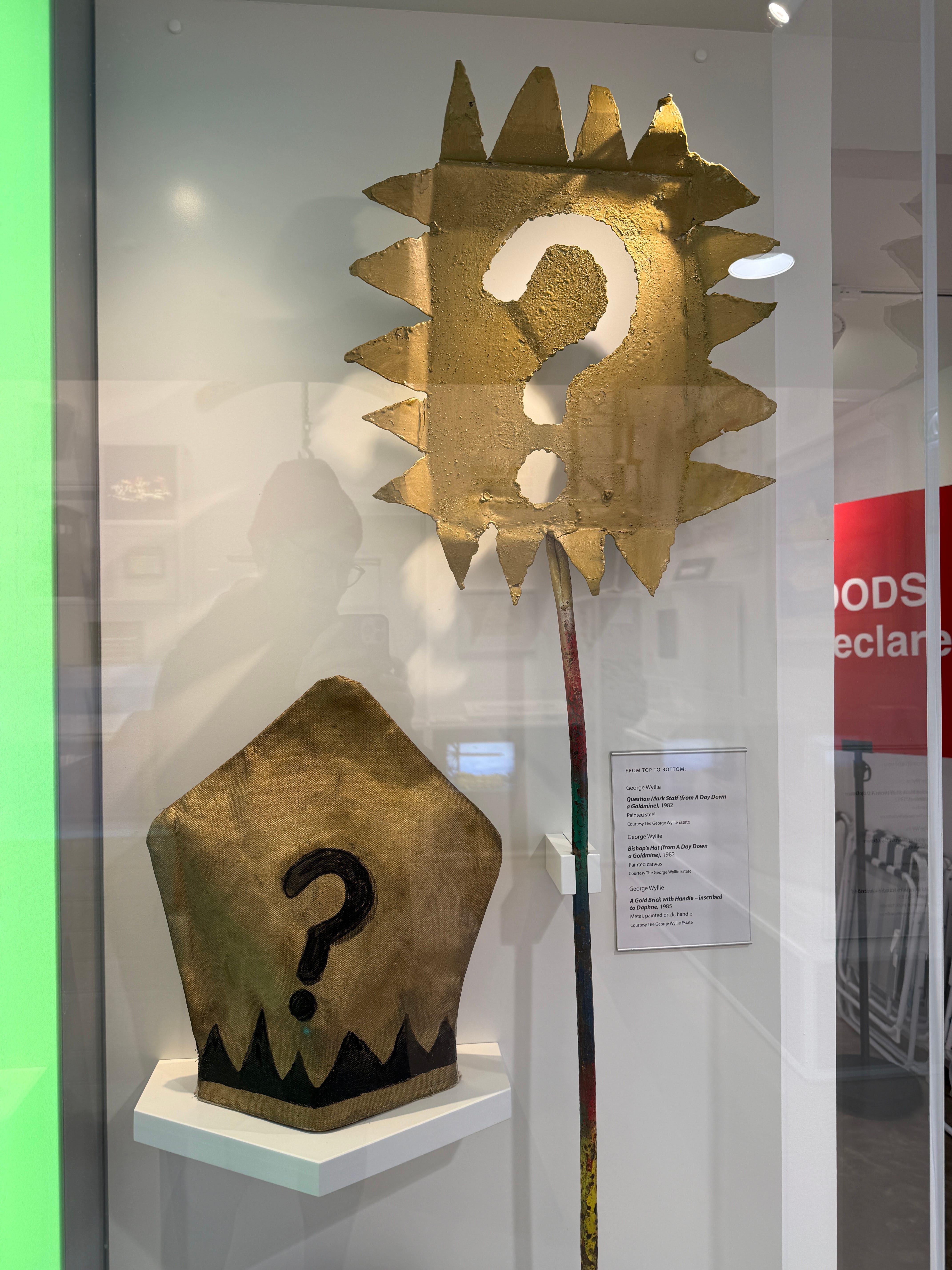
George Wyllie was an engineer, who joined the navy in the second world war (visiting Hiroshima after it was bombed), but spent a large part of his life working as a customs officer in Greenock.
He liked making things, but it wasn’t until his was in his forties that he became an artist, having visited an exhibition of arte povera at the Kelvingrove. He thought to himself, “I can do that”, and started sculpting.
Wyllie was taken under the wing of cultural entrepreneur Richard Demarco, who introduced him to Joseph Beuys. Wyllie described himself as a “scul?tor”—he had a thing about question marks—and believed that the artist’s role is to ask awkward questions.
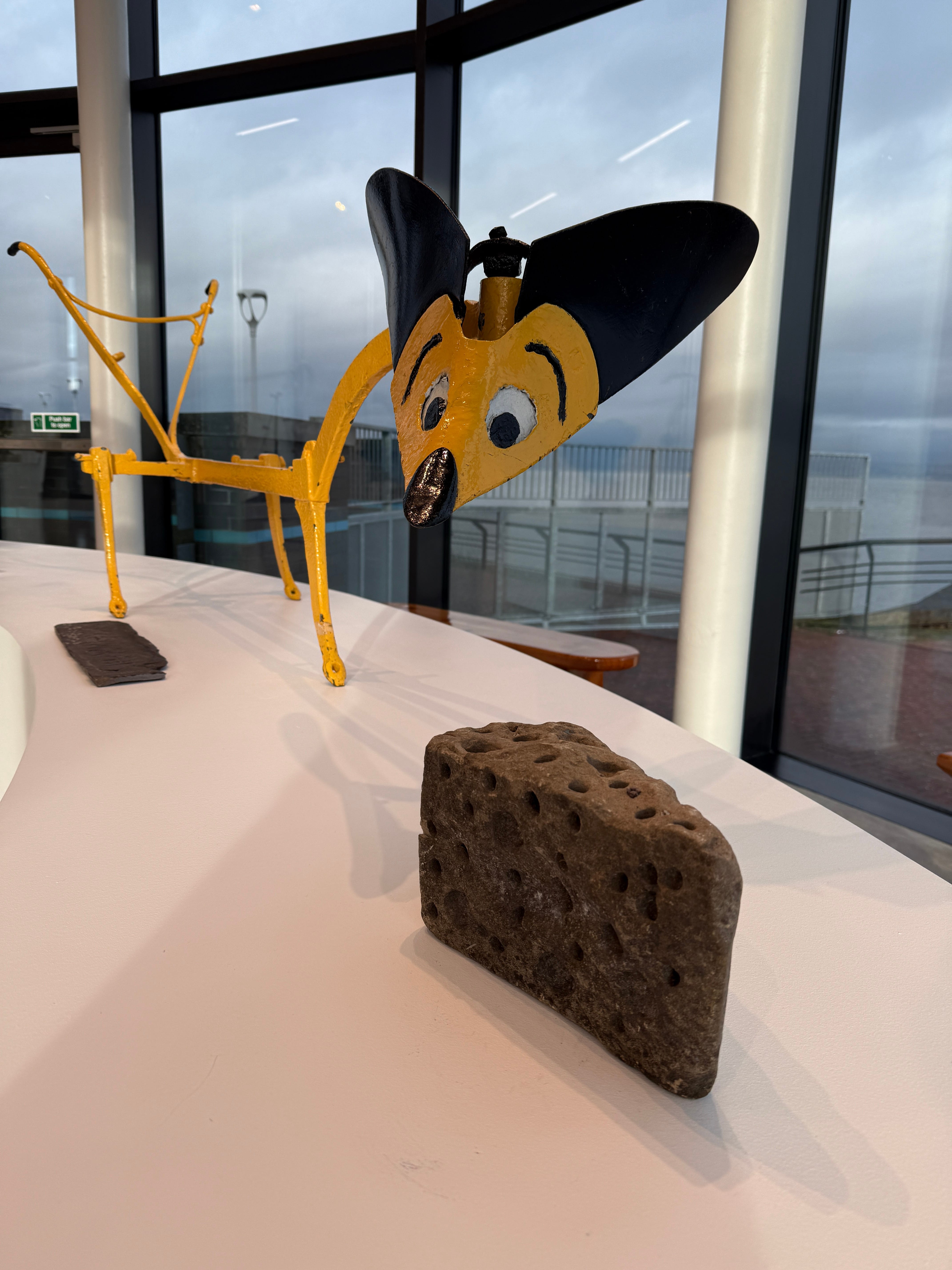
Like Beuys, his work is “social sculpture”, most notably in his life-sized straw locomotive that was hung from a crane and later set on fire to reveal a question mark.
Learn more about Wyllie in Jan Patience’s article from 2021.
Thanks for this. Love the Greenock run-down! And thanks for the mention. I’d forgotten about that article. There’s also Arrivals and Sailings: The Making of George Wyllie, published by Birlinn in 2016 (the year of the moment!). I wrote it with George’s daughter, Louise.
Excellent article and photos… most interesting and informative.