


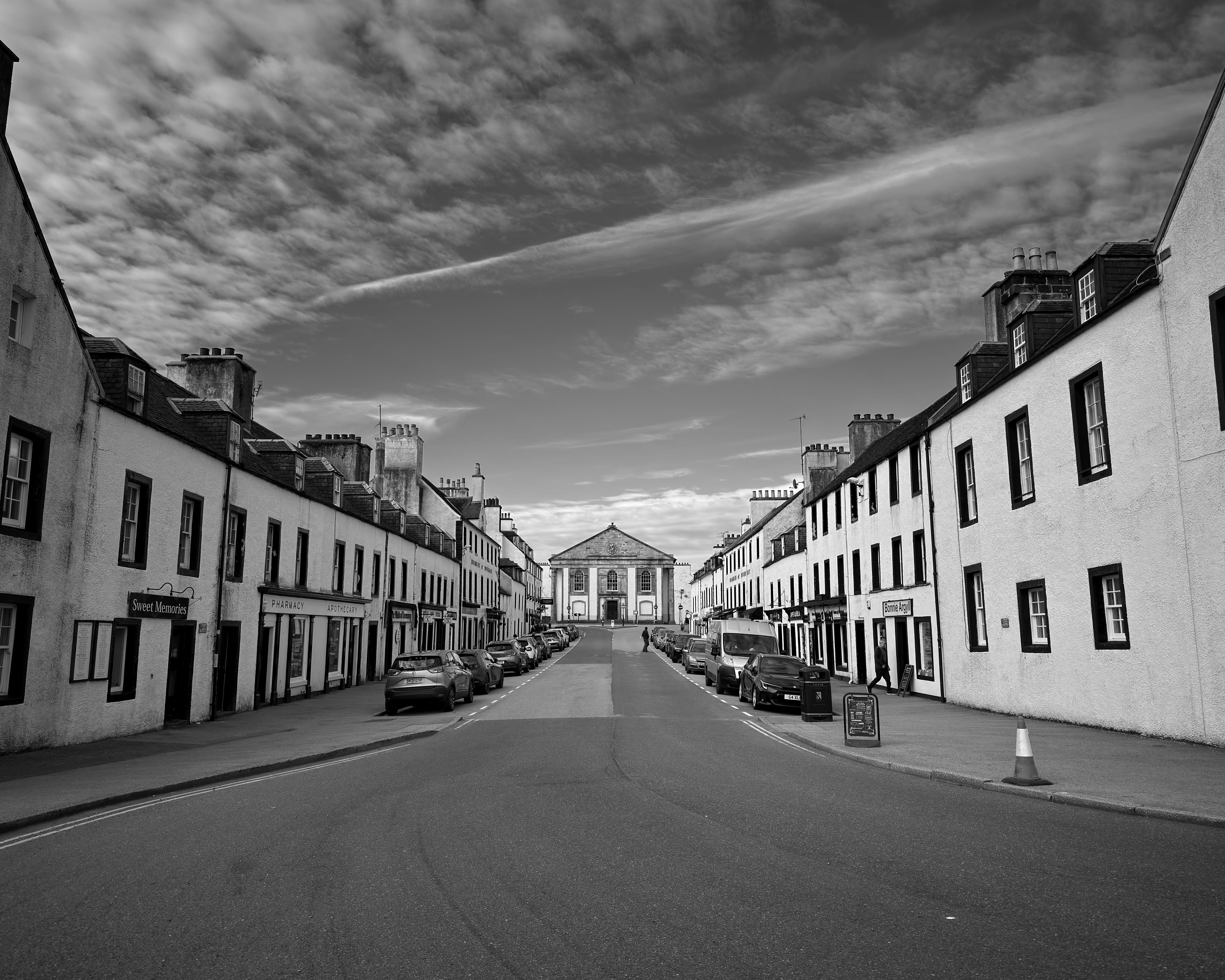
The longer I live in Scotland, the more foreign it seems. Don’t get me wrong, I feel at home here … it’s more that I have begun to recognise the subterranean influences at play.
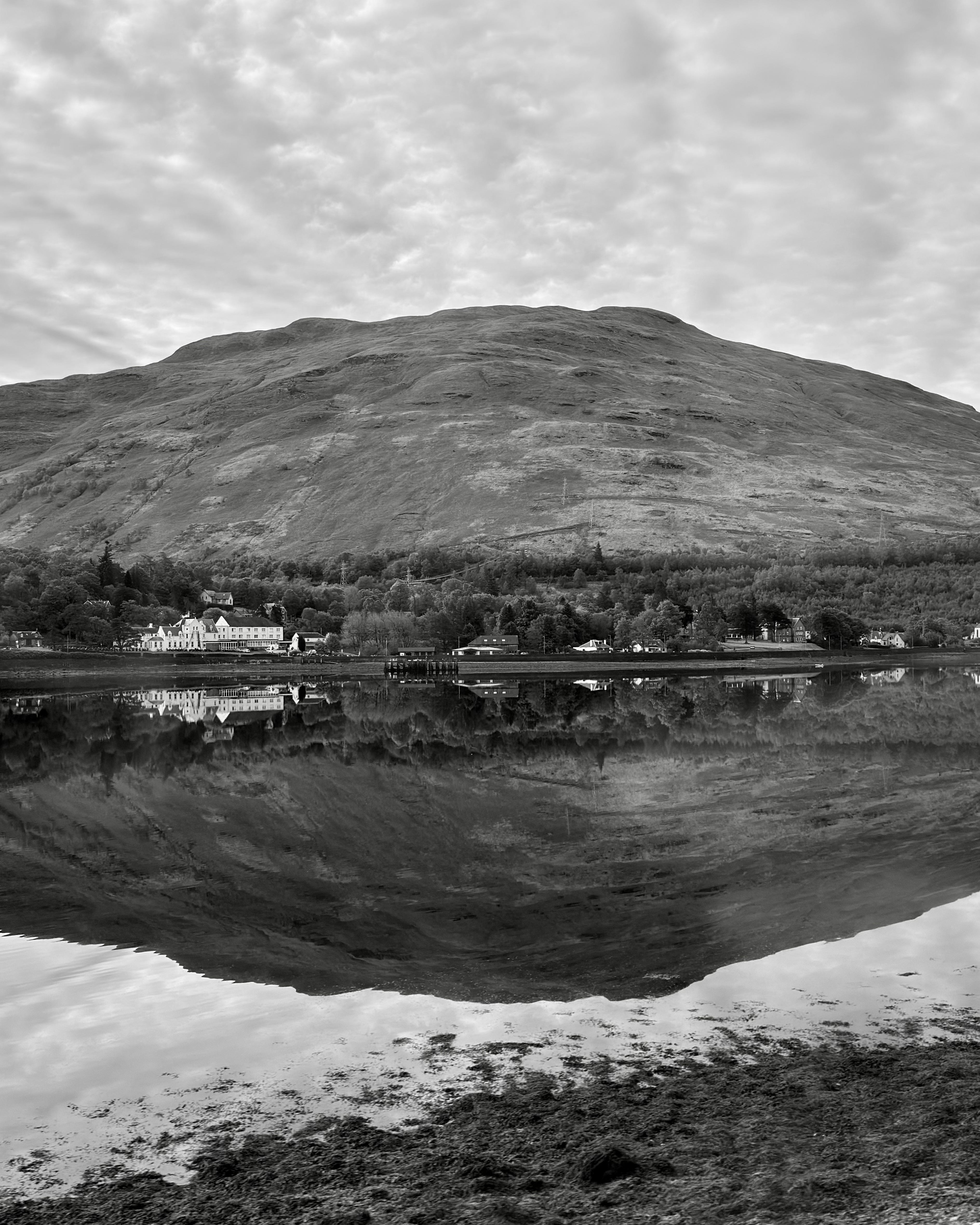
The Act of the Union is barely a scratch on the surface of Scottish history. 300-odd years later, it still has separate legal, educational and religious systems. Yet, more than this, Scotland has a different geological — even geomantical — character.
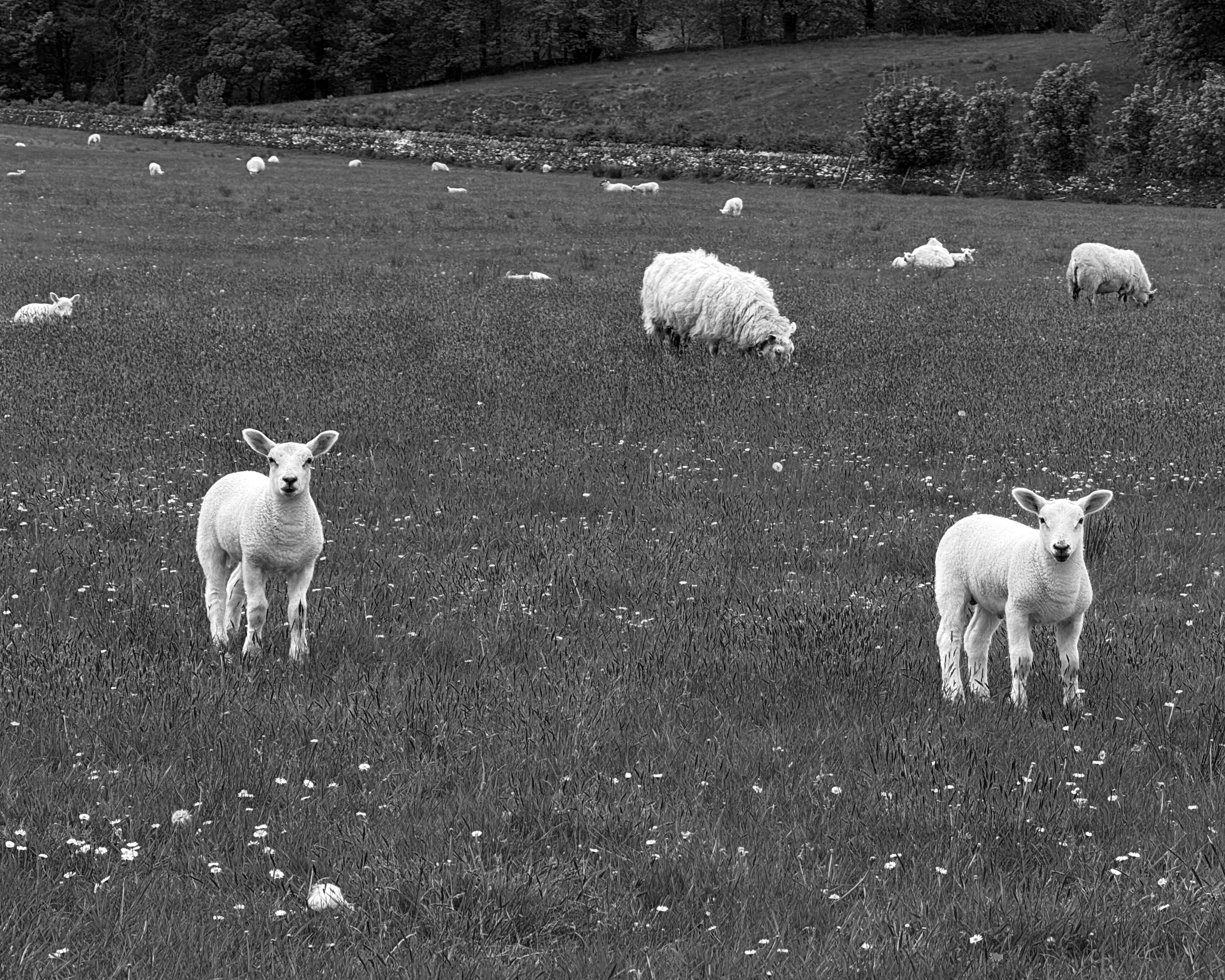
Apart from the central belt (the stretch between Glasgow and Edinburgh) and a few coastal towns, Scotland is basically empty. Its shallow soil could never support a large population, even if the inhabitants could navigate all the mountains and peninsulas. It is a country where one can be alone.
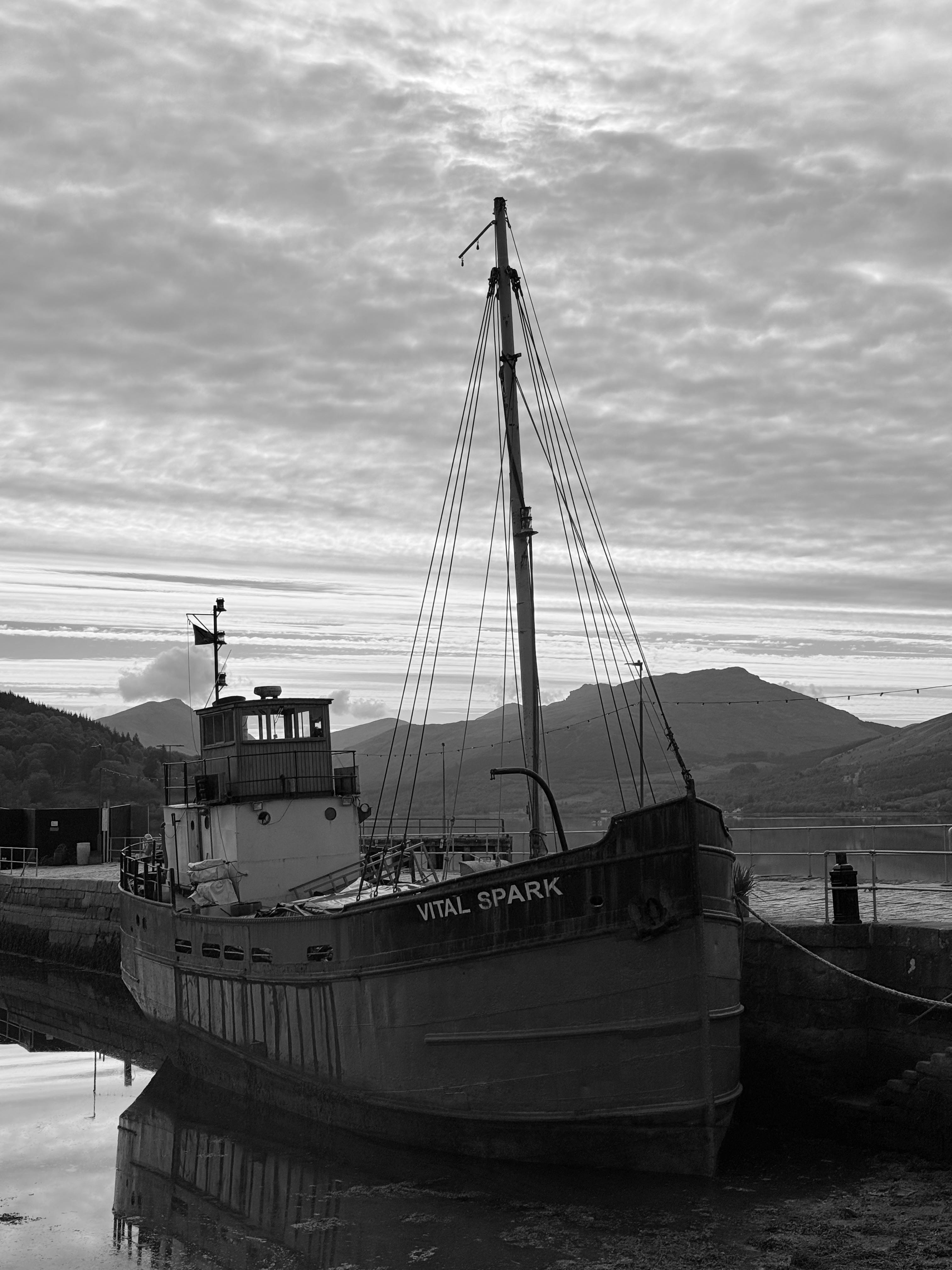
And this is what I decided to do last Saturday — to be alone … and try to recover my vital spark.1
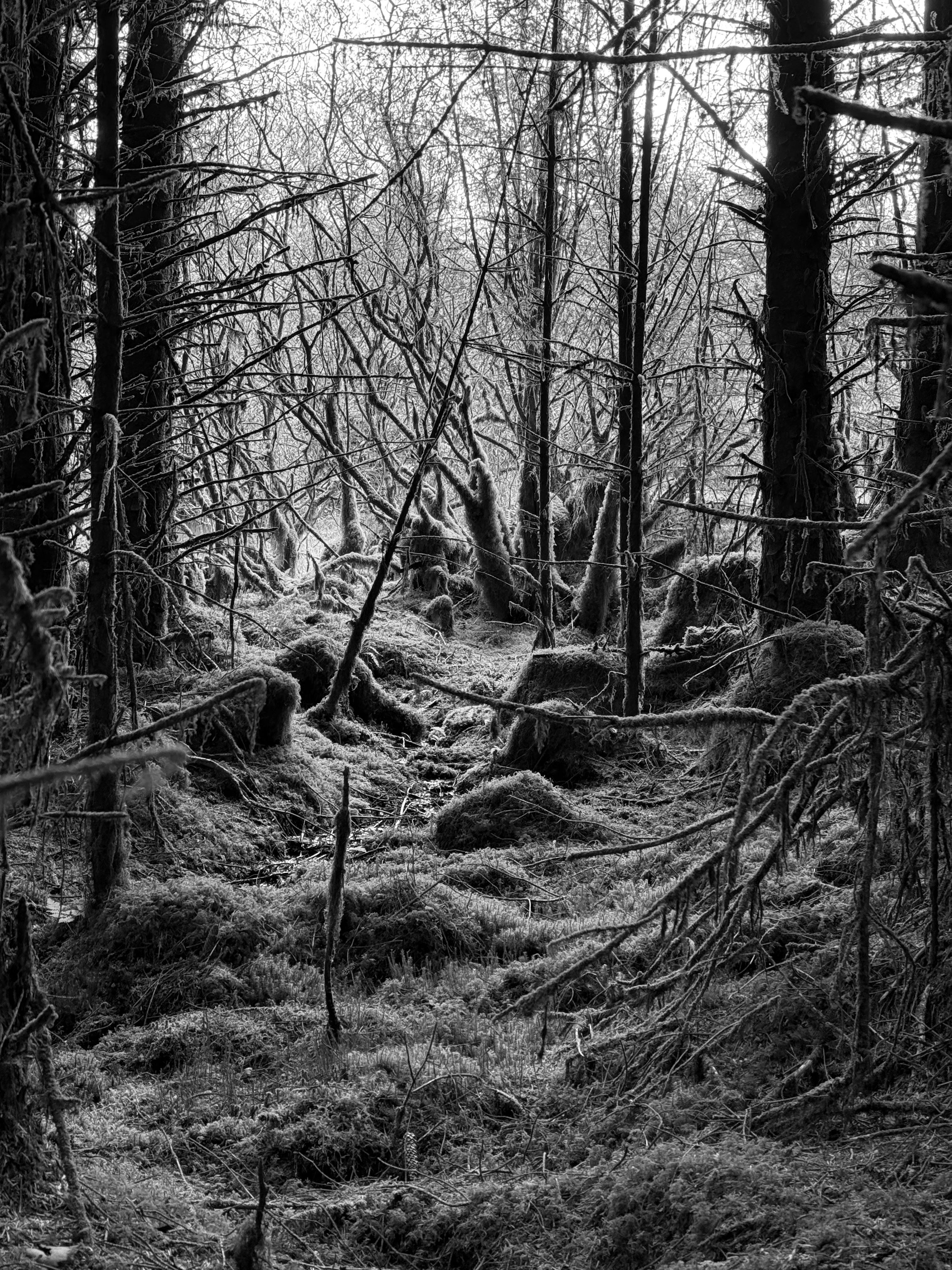
The area around Lochgilphead is mysterious, full of mossy woodland and ancient inscriptions.
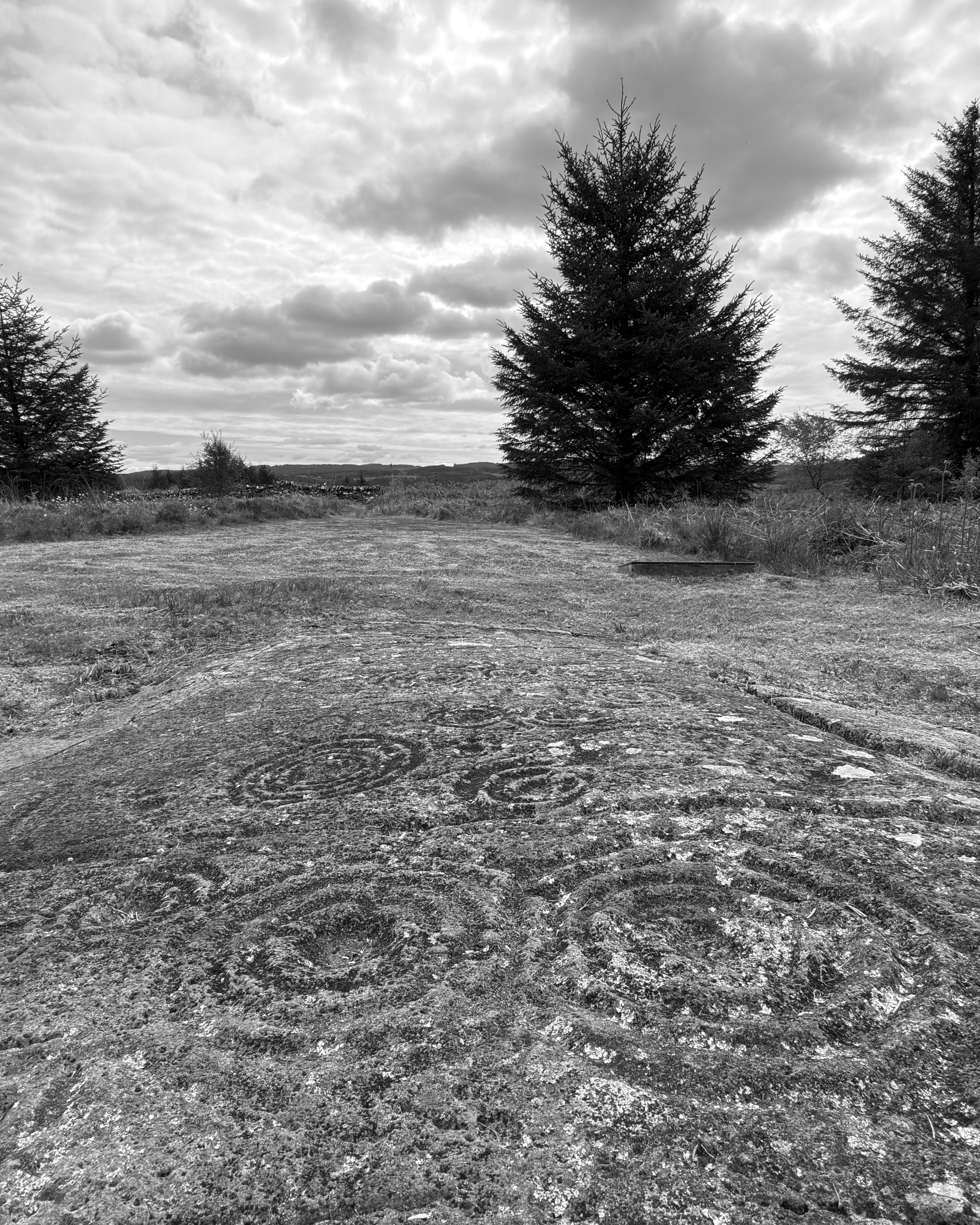
In his book on Scottish identity, Stone Voices, the journalist Neal Ascherson compares the 5,000-year-old cup-and-ring marks to the rock art of Altamira, Namibia or Queensland. They connect with the seasons and the timeless.
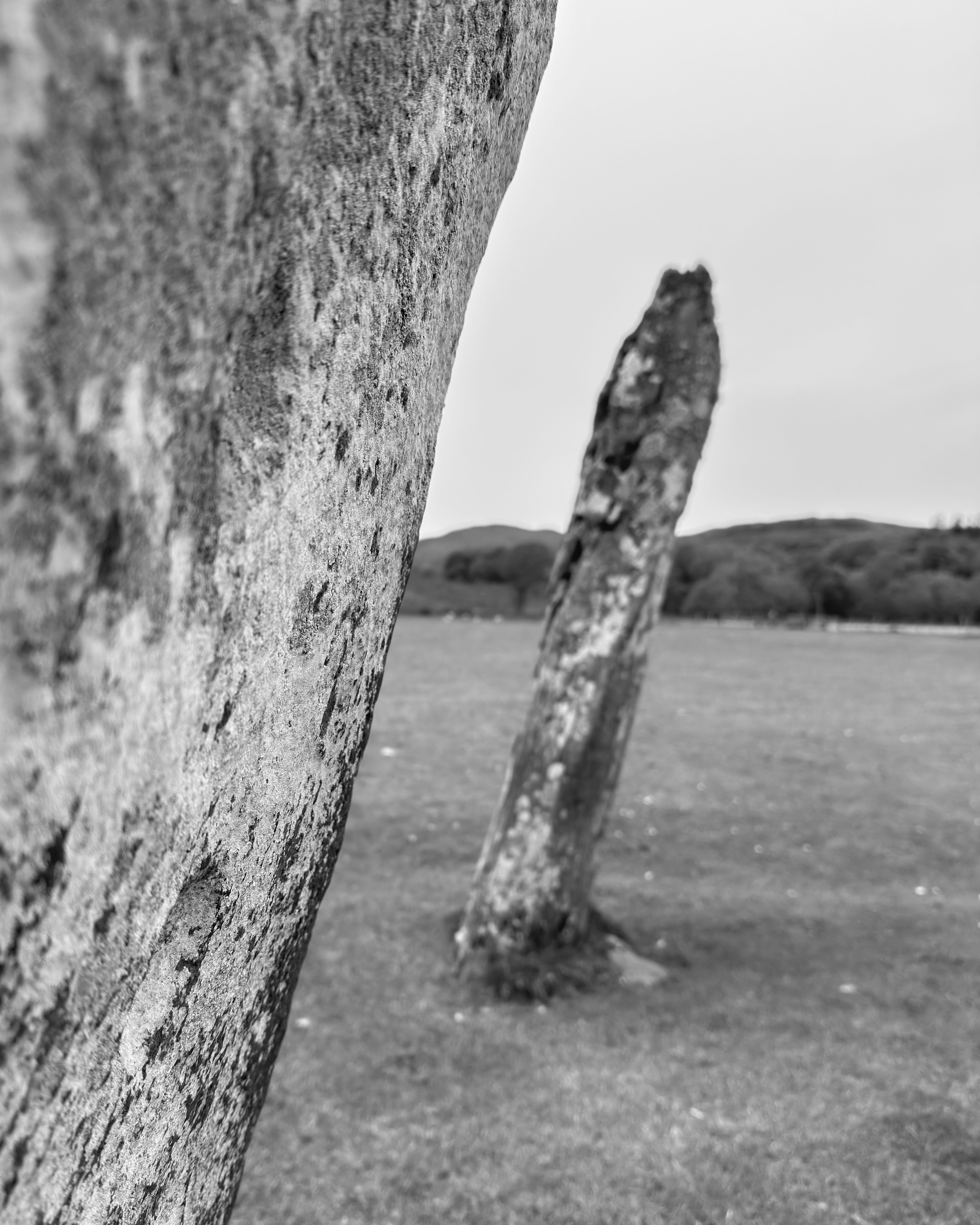
Similarly, the standing stones of Nether Largie are imagined as sacred sites, important in the calendar of the Neolithic inhabitants.
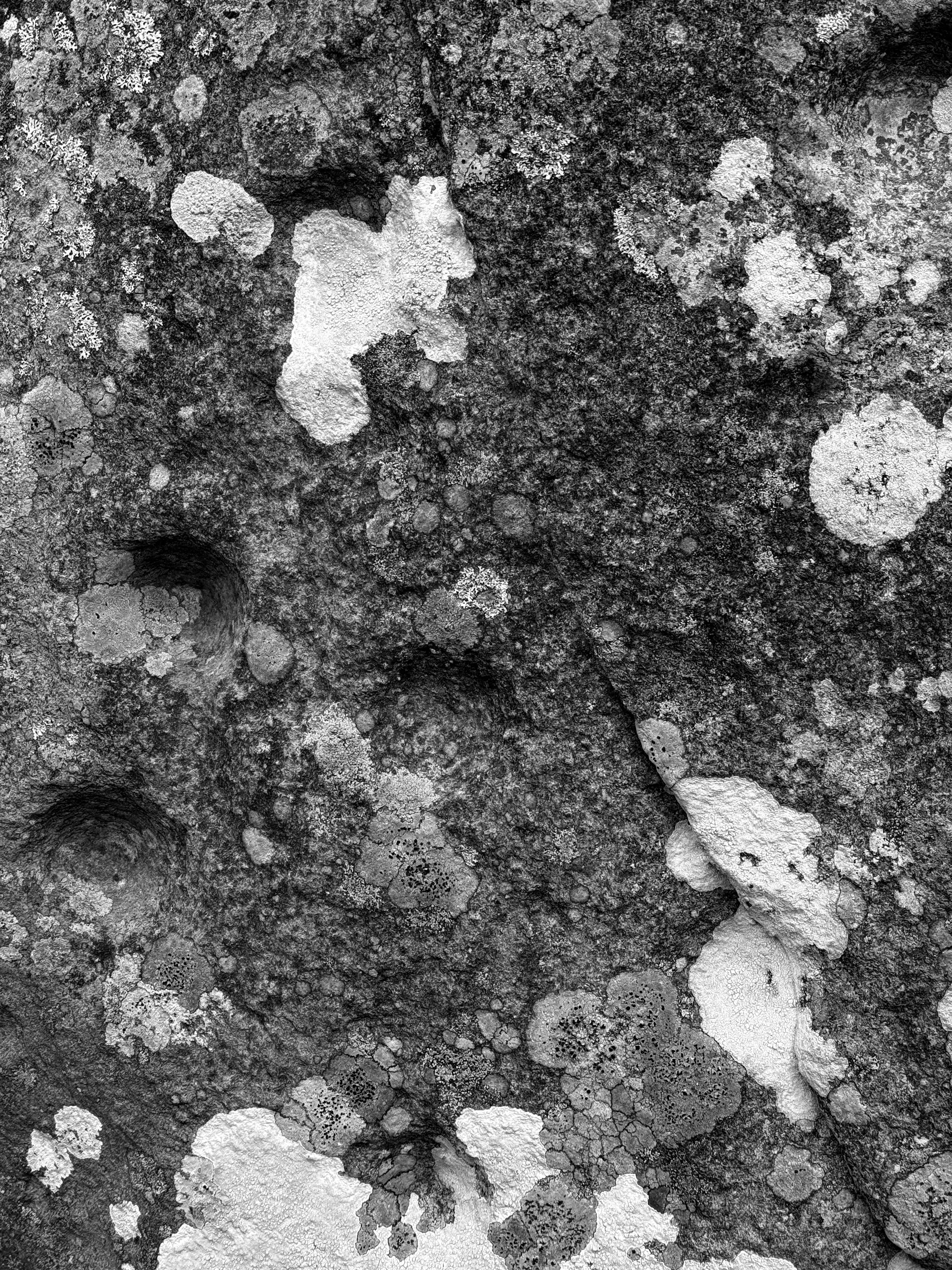
It is the perfect place to escape the demands of the modern world … and commune with lichen.2
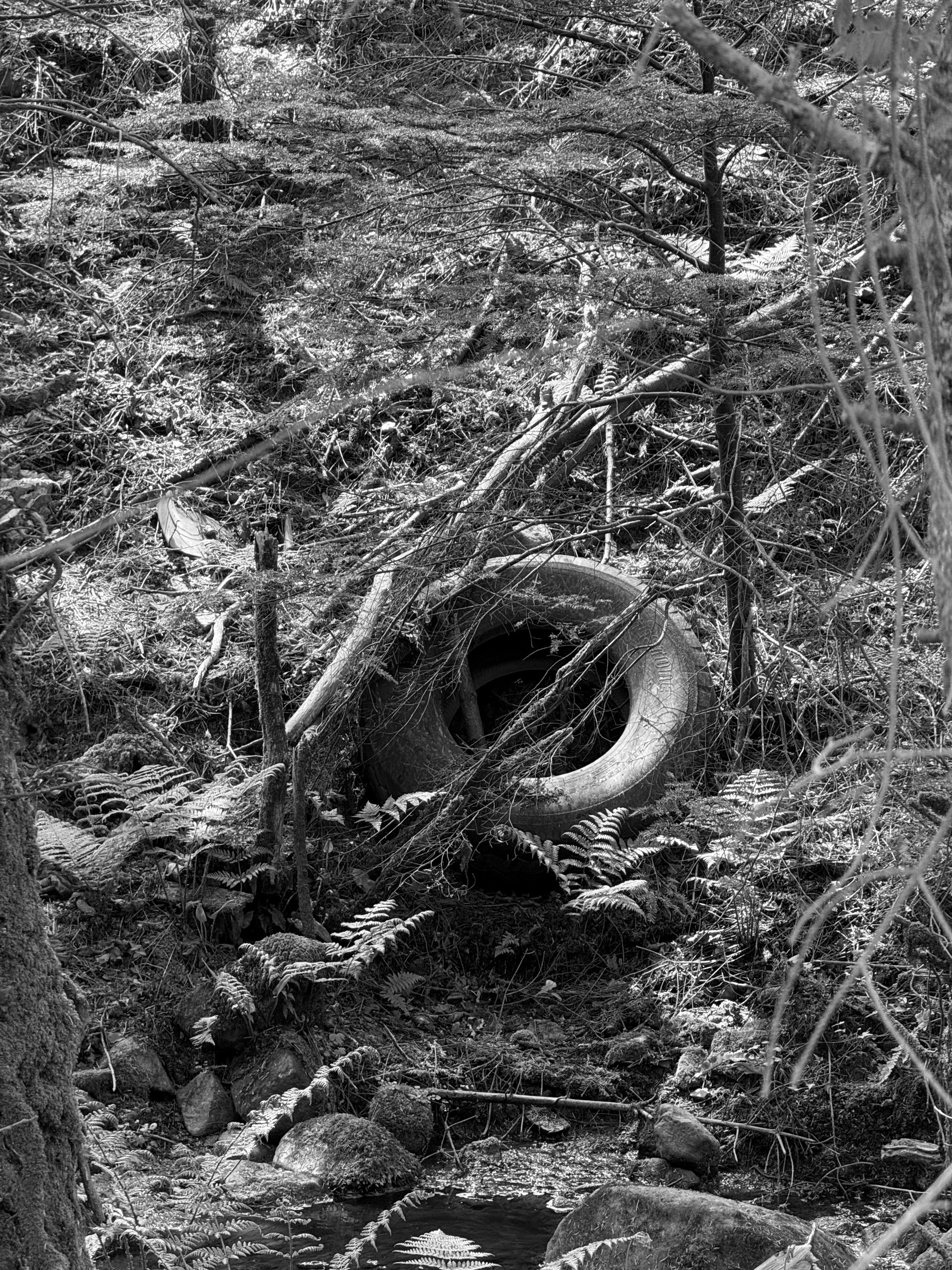
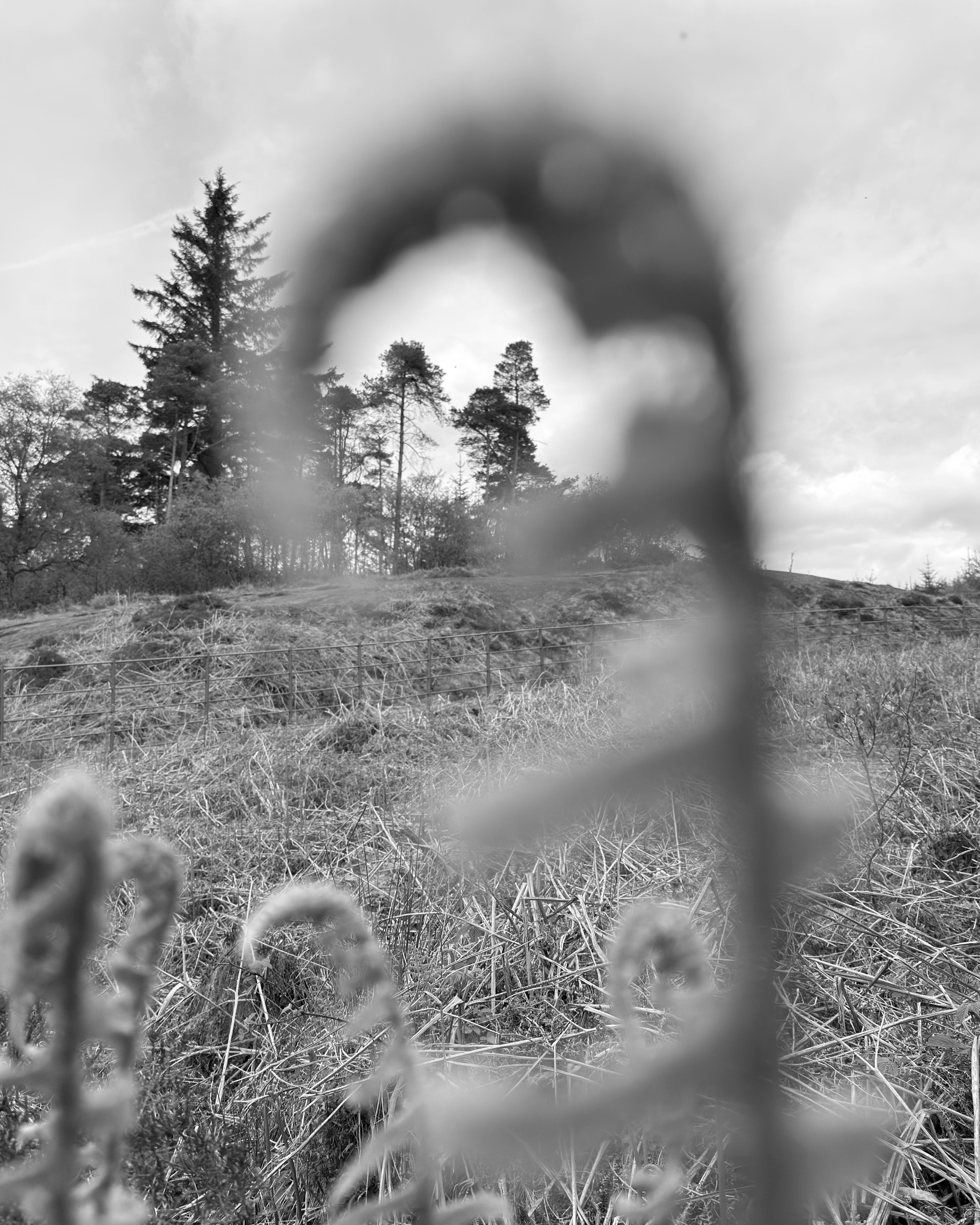
As someone who mainly takes photos of people, I was curious to see what I was drawn to in their absence.
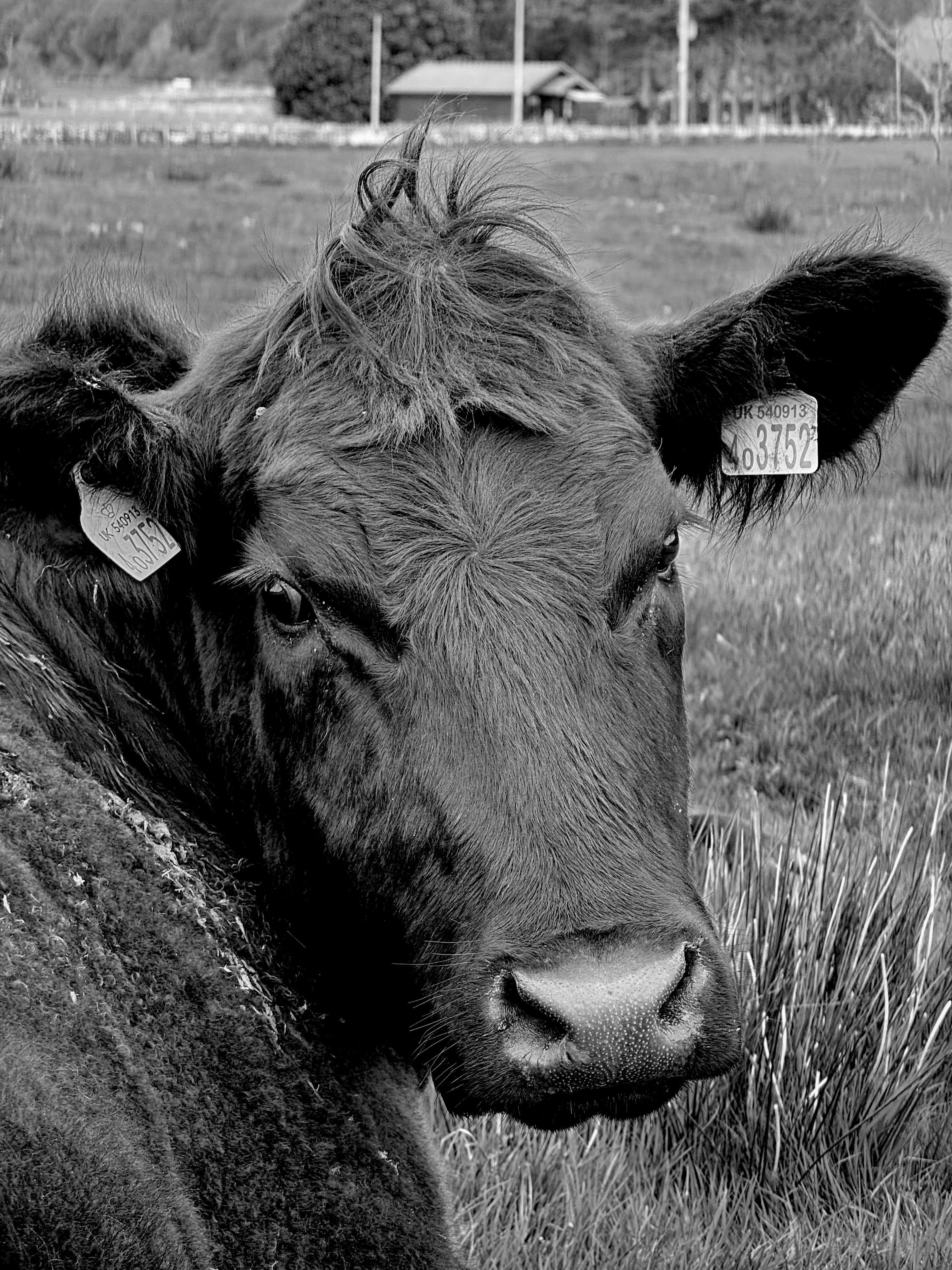
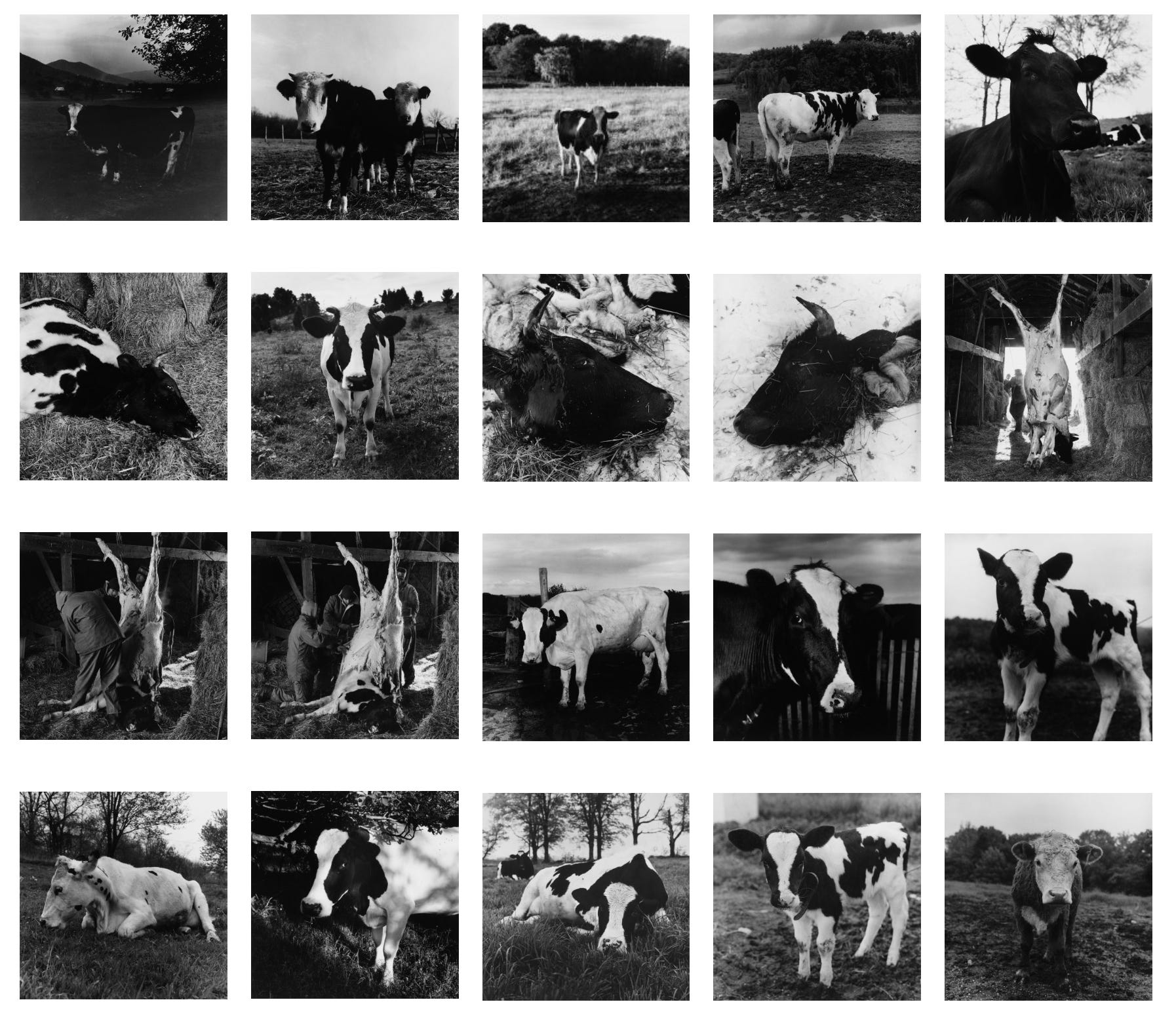
I’ve been reading Andrew Durbin’s book on Peter Hujar and Paul Thek, which has a passage about Hujar’s empathy with animals:
Those who watched him work invariably spoke of the incredible intimacy he developed with animals, just like when he was a child, how a cow understood Peter as much as Peter understood the cow. His portraits bear out this testimony; whether it’s a dog in his studio or a horse by the side of the road, the animals are fully present personalities, unafraid.
“If you look at those pictures of cows,” Fran Lebowitz said, “they look like people. I don’t look at a cow and see a person, but Peter did.”3
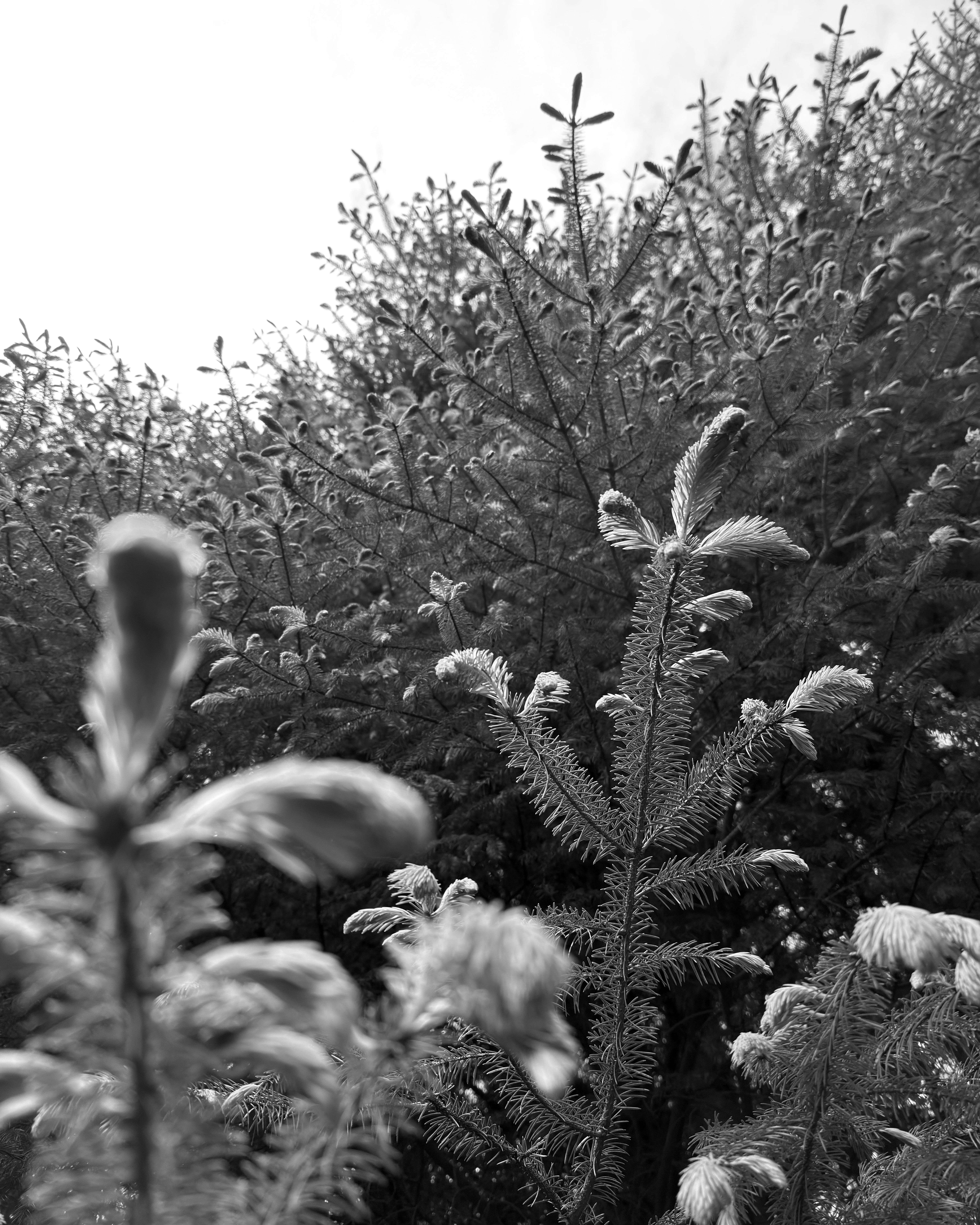
Hujar worked almost exclusively in black-and-white, something I’ve always resisted, but it is easy to see the appeal when in nature surrounded by lurid shades of green.
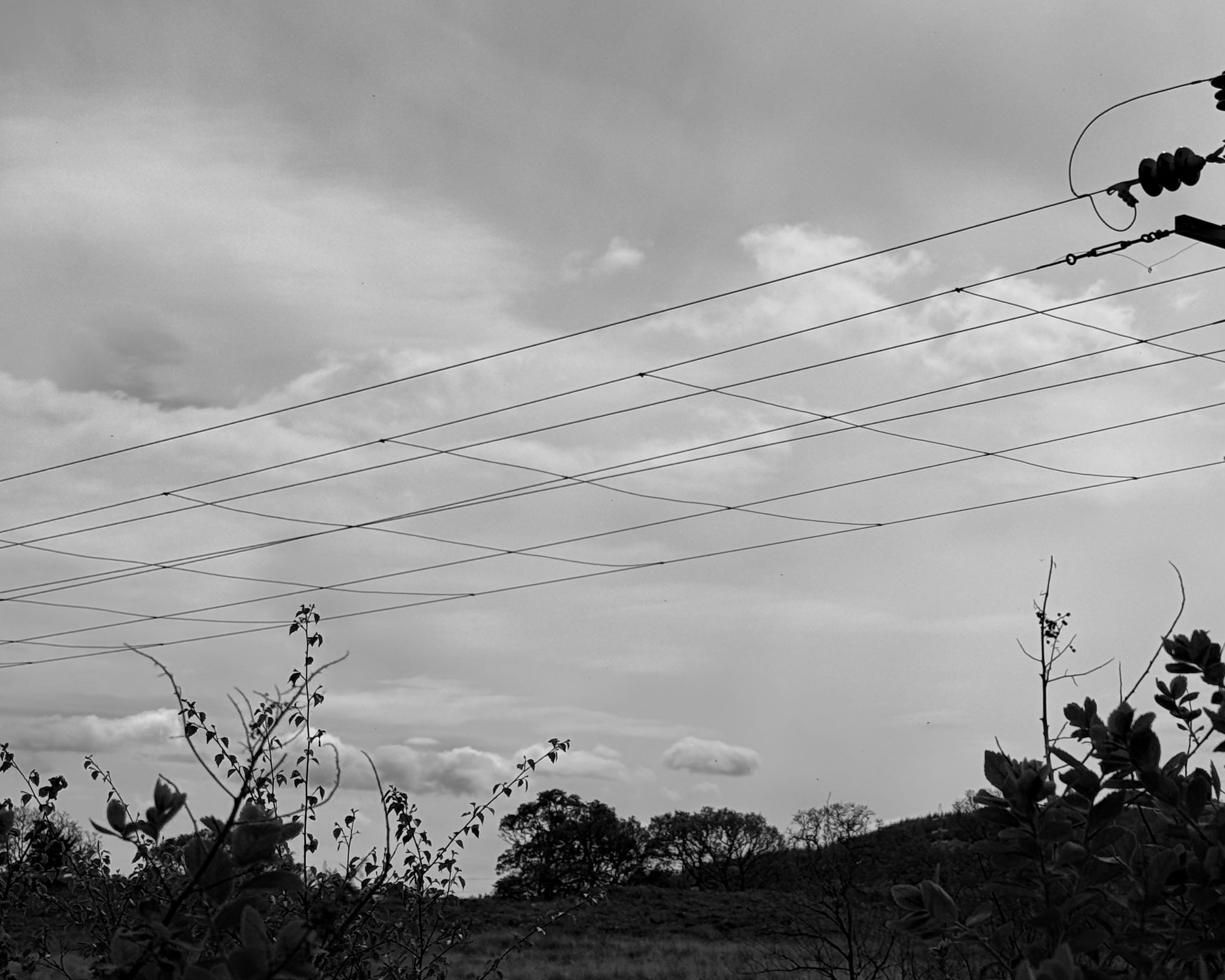
Monochrome forces you to go back to basics — to focus on composition and meaning. It is a sensitive medium that cultivates sensitivity in the photographer. There is no better place to do so than in deep Scotland.
I was also in Lochgilphead to do the Crinan Canal parkrun. As part of my attempt to understand Scotland, I am trying to complete all 83 parkruns in the country. I’ve done 57 so far, which sounds good going until you realise how tricky it is to access the rest.
For more on lichen — which can survive for thousands of years — watch Patrick Keiller’s Robinson in Ruins.
The Peter Hujar archive has a good collection of his cow photos:
https://ianmcniff.substack.com/p/what-was-never-given-back?utm_source=share&utm_medium=android&r=2lo6de
Glad you decided to take us along! I really enjoyed these.