


Last summer, when stuck for something to listen to, I downloaded the playlist of the 1001 Songs You Must Hear Before You Die book. It was amazing to hear so many classics in quick succession, plus a few previously unknown to me.
After a while, I began spotting patterns:
They began with a distinctive hook.
There was a sense of restrained vitality.
The songs sounded like nothing else.
All stood up to repeated listens.
There are exceptions, of course, but I think this list of patterns is solid for all the finest singles.
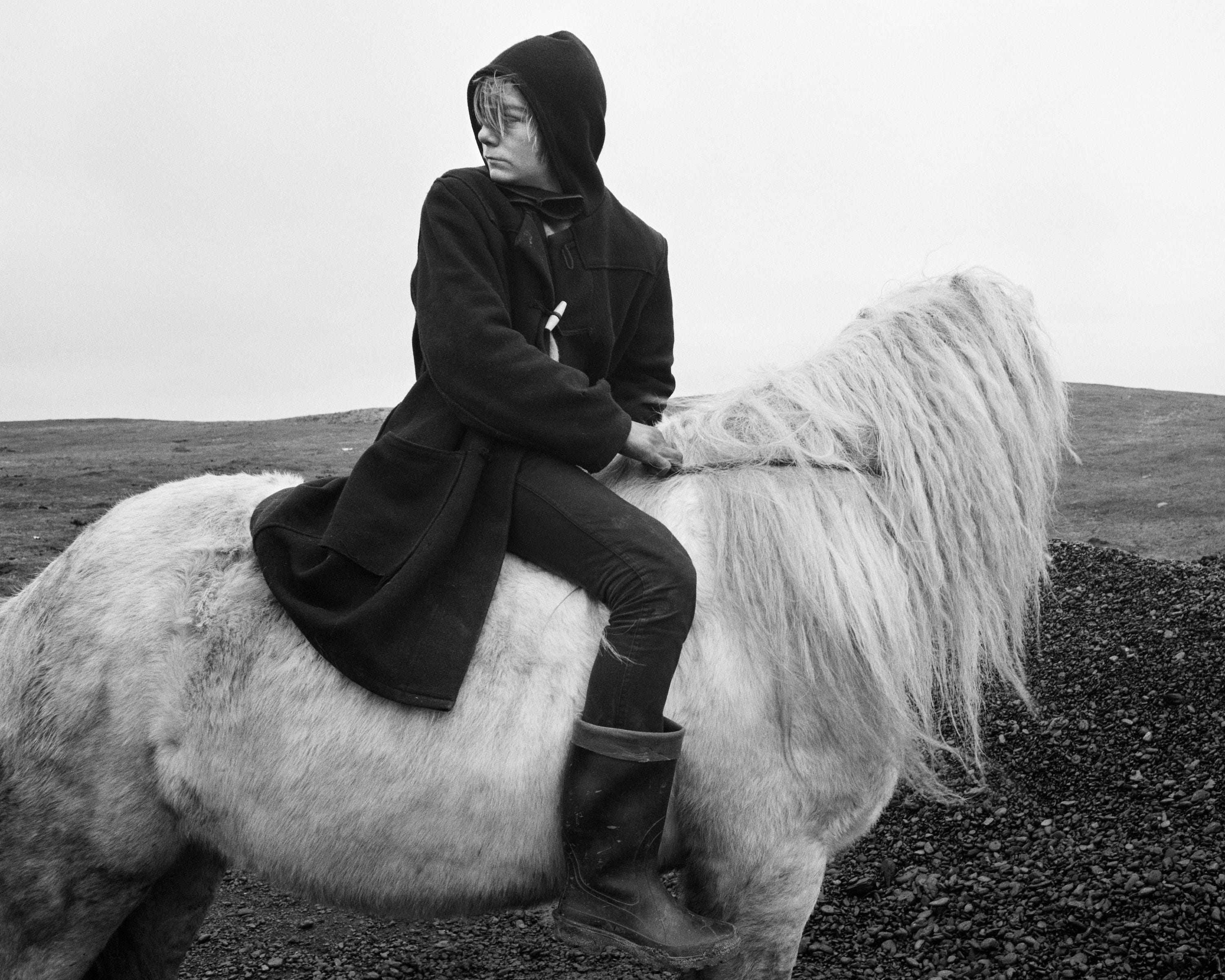
I recalled this experience after learning that Magnum and The Photographers’ Gallery (TPG) are hosting Odyssey, a sale of individual prints by famous photographers. I experienced a sense of wonder at seeing these iconic pictures together in one place.
In the photography world, as in pop music, the individual image is seen as lesser than the series. There are occasional photographs that escape their origins, like Dorothea Lange’s Migrant Mother, Steve McCurry’s Afghan Girl, and Nick Ut’s Napalm Girl. But aficionados tend to elevate the photobook as a higher art form, just as music snobs elevate the LP.
Such people — and I am one of these — enjoy the complex interrelationships of photographs and the way meaning is enhanced by their sequence. Books like Robert Frank’s The Americans or William Klein’s New York have the range and impact of a novel. They make one realise that even a “bad photo” can be compelling. By contrast, a single image, however impressive, can feel isolated.
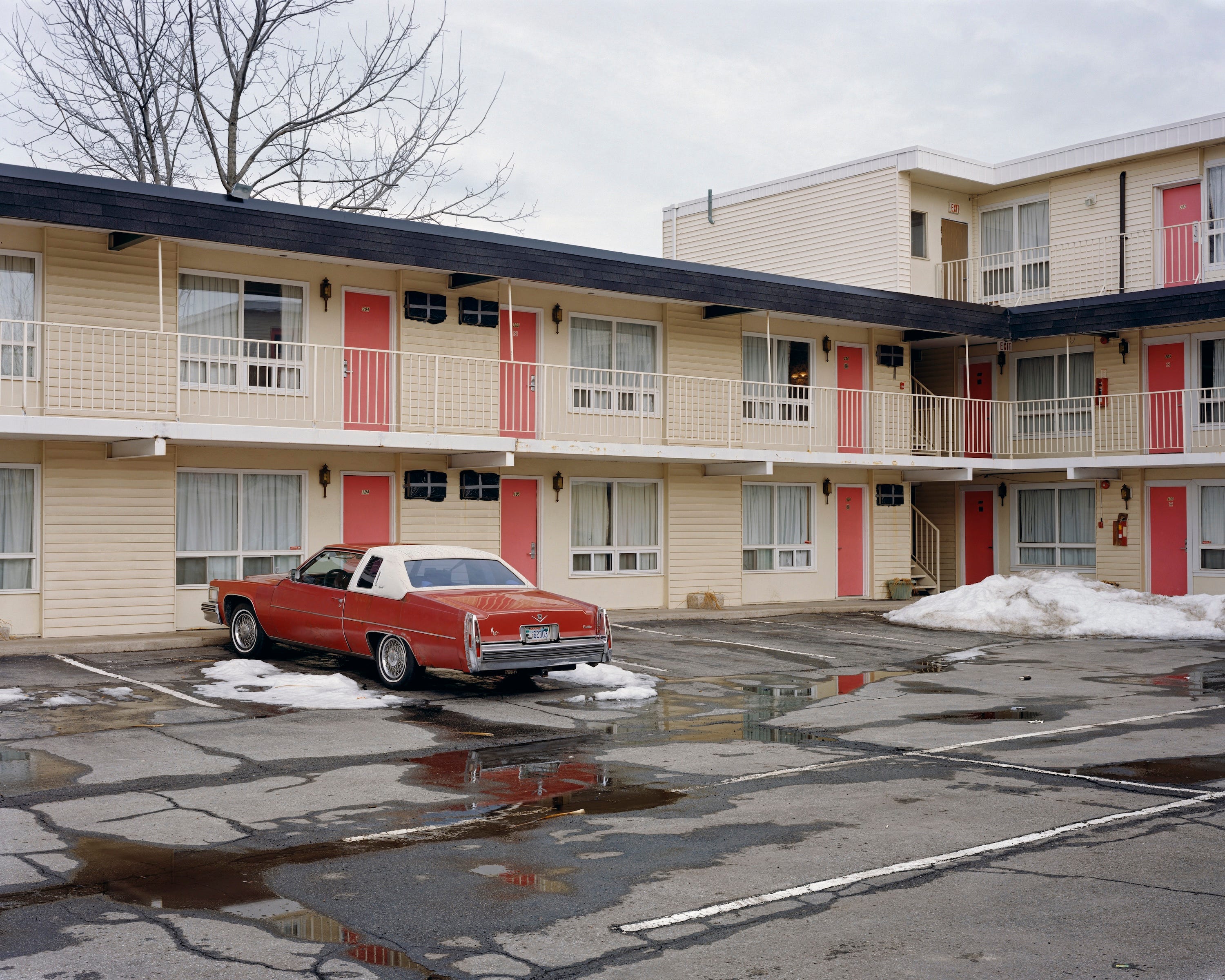
“Anyone can take a great picture,” writes Alec Soth. “But very few people can put together a great collection... the art, for me, is in the collection and interplay of images.”
Ironically, this quote appears in the 1001 Photographs You Must See In Your Lifetime, where almost every photographer is represented by a single picture. It feels like Soth is acknowledging that his image from the Sleeping by the Mississippi series is not as immediately catchy as others in the book.
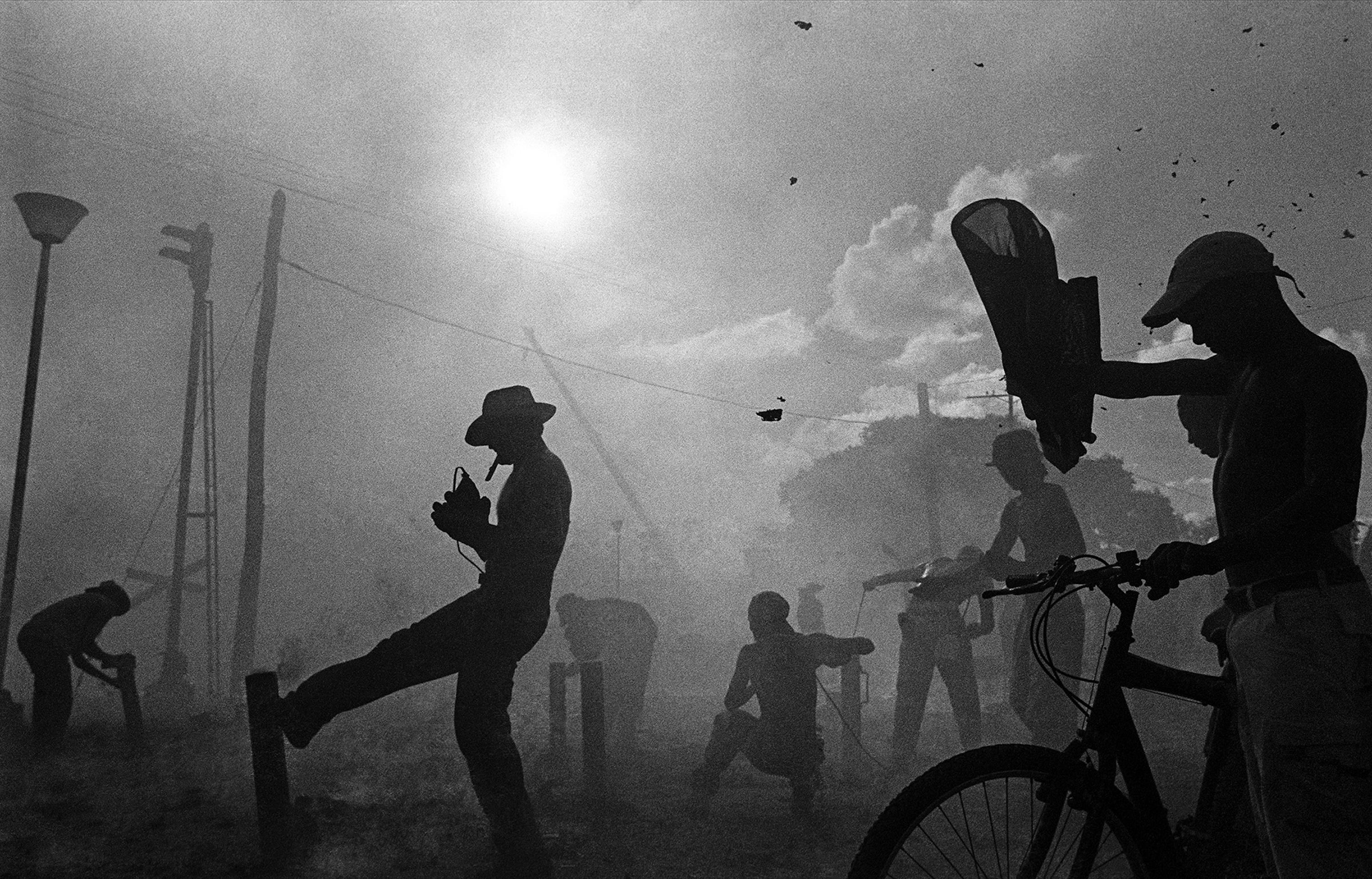
With the Magnum/TPG sale, there are a few photographs that not only stand alone but, like this one by Raúl Cañibano, make you want to see everything else they have done.
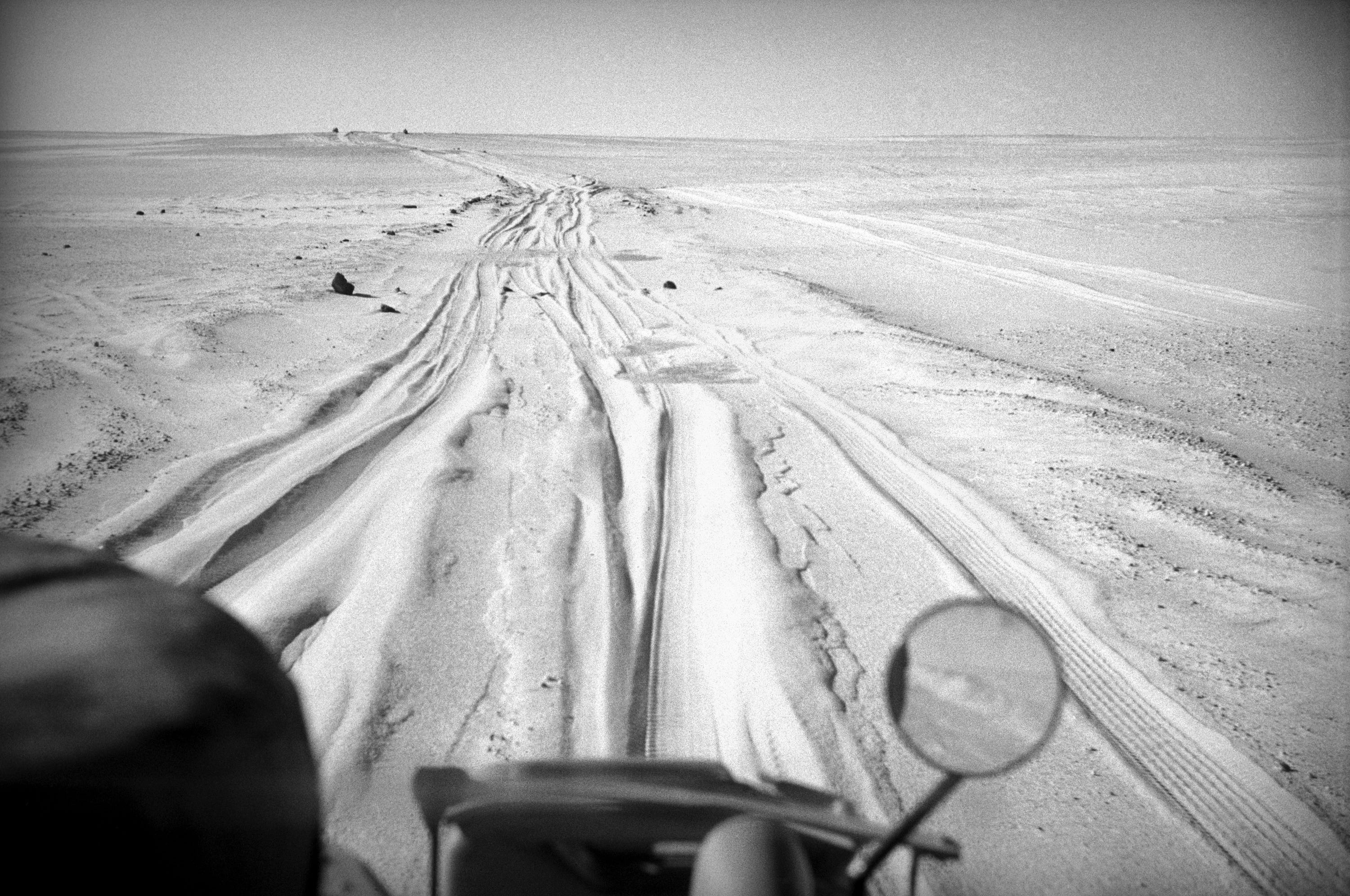
Others are interesting because they echo other famous works. For instance, George Rodger, one of the co-founders of Magnum, made many iconic photos. However, this one gains extra resonance if you know his life.
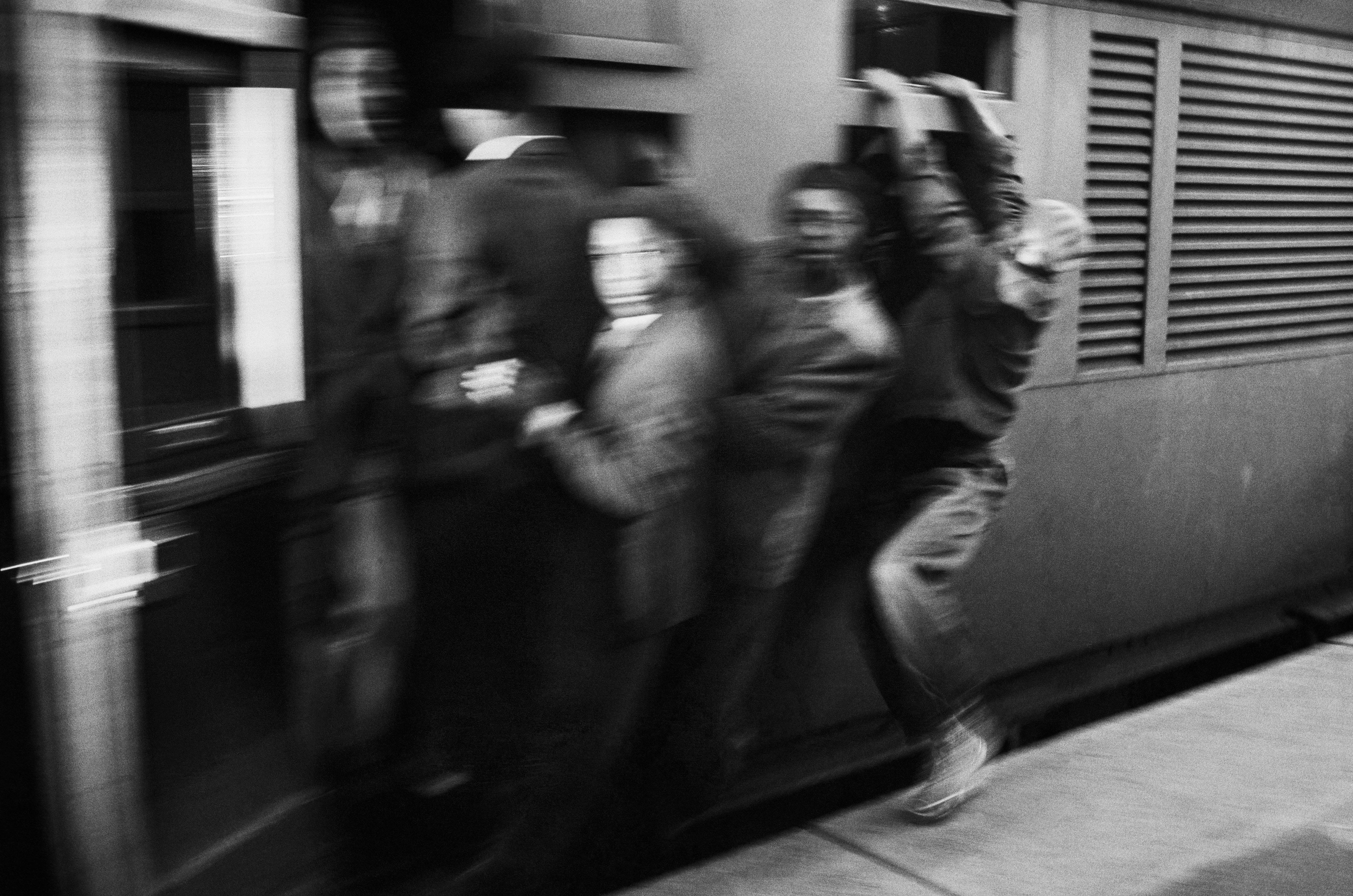
Ernest Cole, like Daido Moriyama around the same time, intrigues the viewer by not taking nice, clean, focused photos. When surrounded by abundance, professionalism quickly feels staid. There has to be something difficult or awkward to hold the attention. What is the hook? A classic single has one, why not a photo?
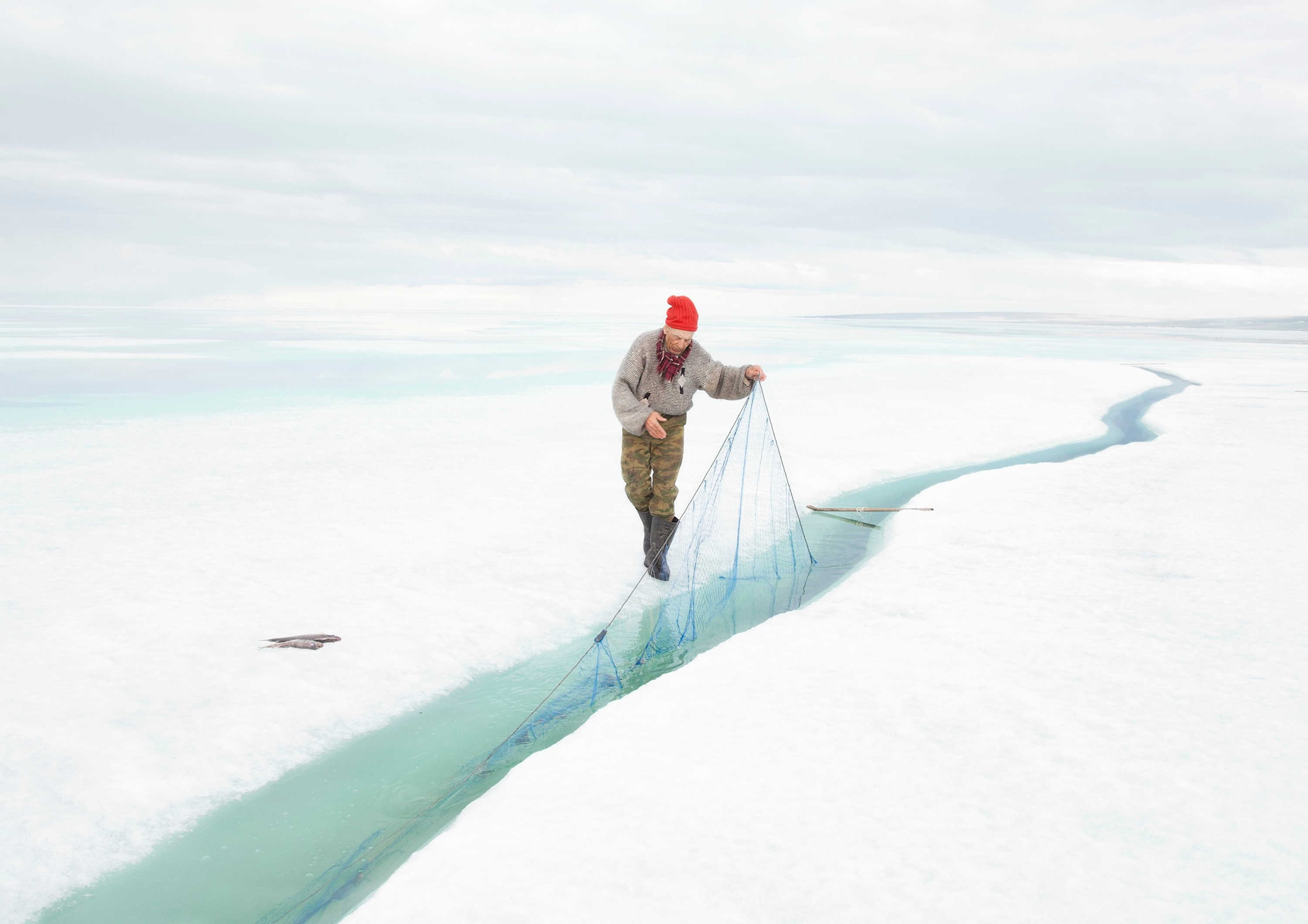
According to Roland Barthes, a compelling photograph consists of a studium (the scene depicted) and a punctum (the detail that draws you back). What is the punctum of this image? Does it, like Uncle Vanya, stand alone?
To go deeper into this topic, I went straight to the source and asked some of the photographers this question:
Many photographers work across series where each image adds context to the next. What do you think about the single, standalone photograph?
Here, alongside their Odyssey photographs, are the responses of Mark Power, Lúa Ribeira, Mário Macilau and Emin Özmen.
Mark Power
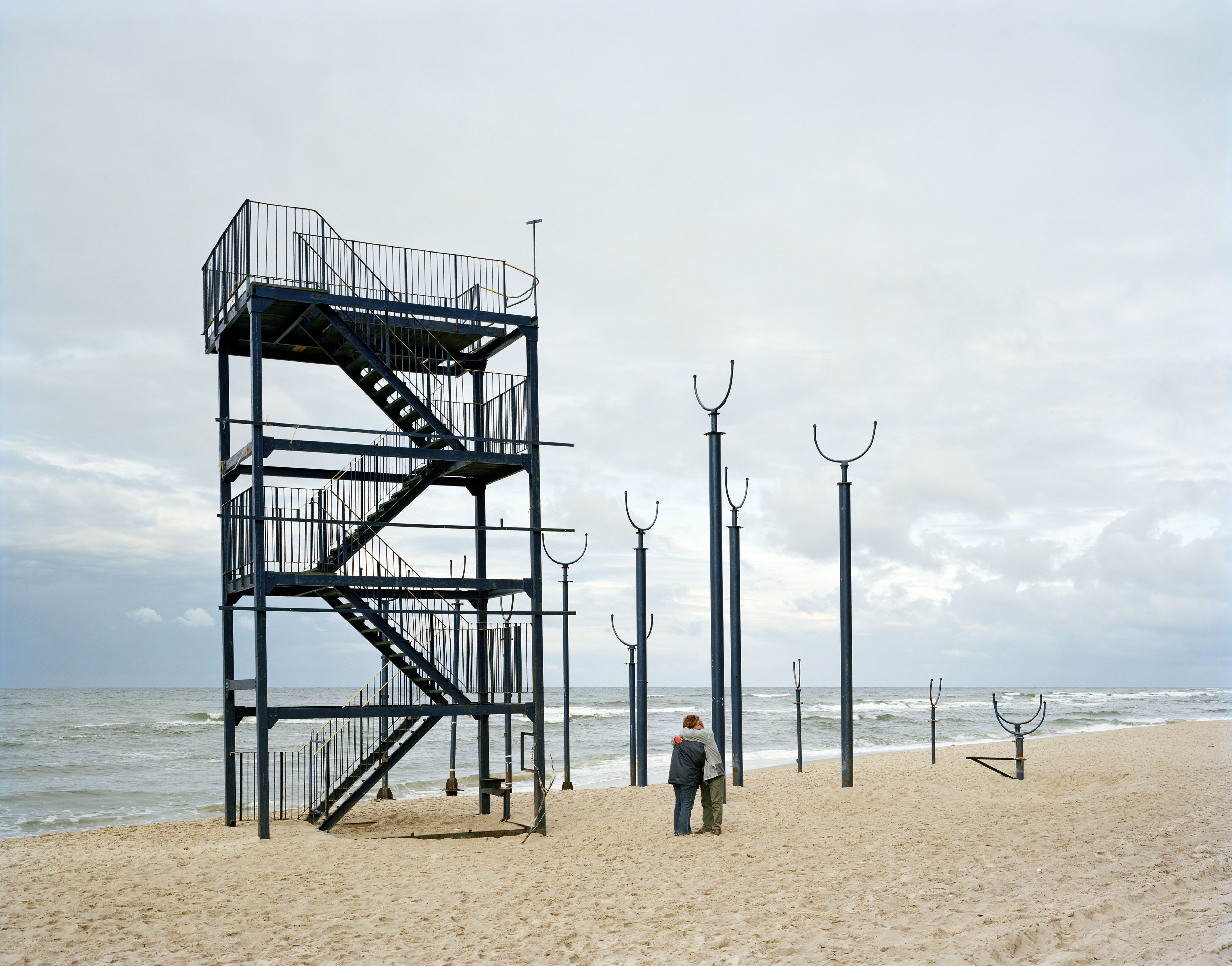
I tend to pursue long-term projects, which usually culminate in books. In these books, my pictures are very carefully sequenced, using subject, form, light and colour (if appropriate) as a basis for placing one image after another. So yes, it would be right to say that I “work in series, where each image is in context to the next”. However, I like to think that any/all my pictures can also exist outside of the context of a book or an exhibition, and instead stand alone.
Since I often give my pictures very little context (if they are captioned at all, then it’s usually only with place and date), this encourages the viewer, the reader or, indeed, the owner of a print to construct their own narrative, which may, or may not, be ’true’.
Photography’s somewhat slippery relationship to fact and fiction, reality and imagination, is a great strength. I try, whenever possible, to take advantage of this ambiguity. My picture in the Square Print Sale is, I think, a good example of this slipperiness, since it doesn’t immediately explain itself. What is this structure? Who are these people? Why is one hugging, while the other stands placidly, arms at their side? Why is one of them wearing a single, red glove? And on and on...
In my latest book, FASHION, there are no captions whatsoever. The pictures are taken out of context so that, most of the time, the reader has no idea what they’re looking at. Traditional concepts of time and place are blurred, and all that’s left are images. These, when sequenced with others, are like words in a sentence, but they are sentences without meaning, whimsical, nonsensical, yet intentional.
Lúa Ribeira
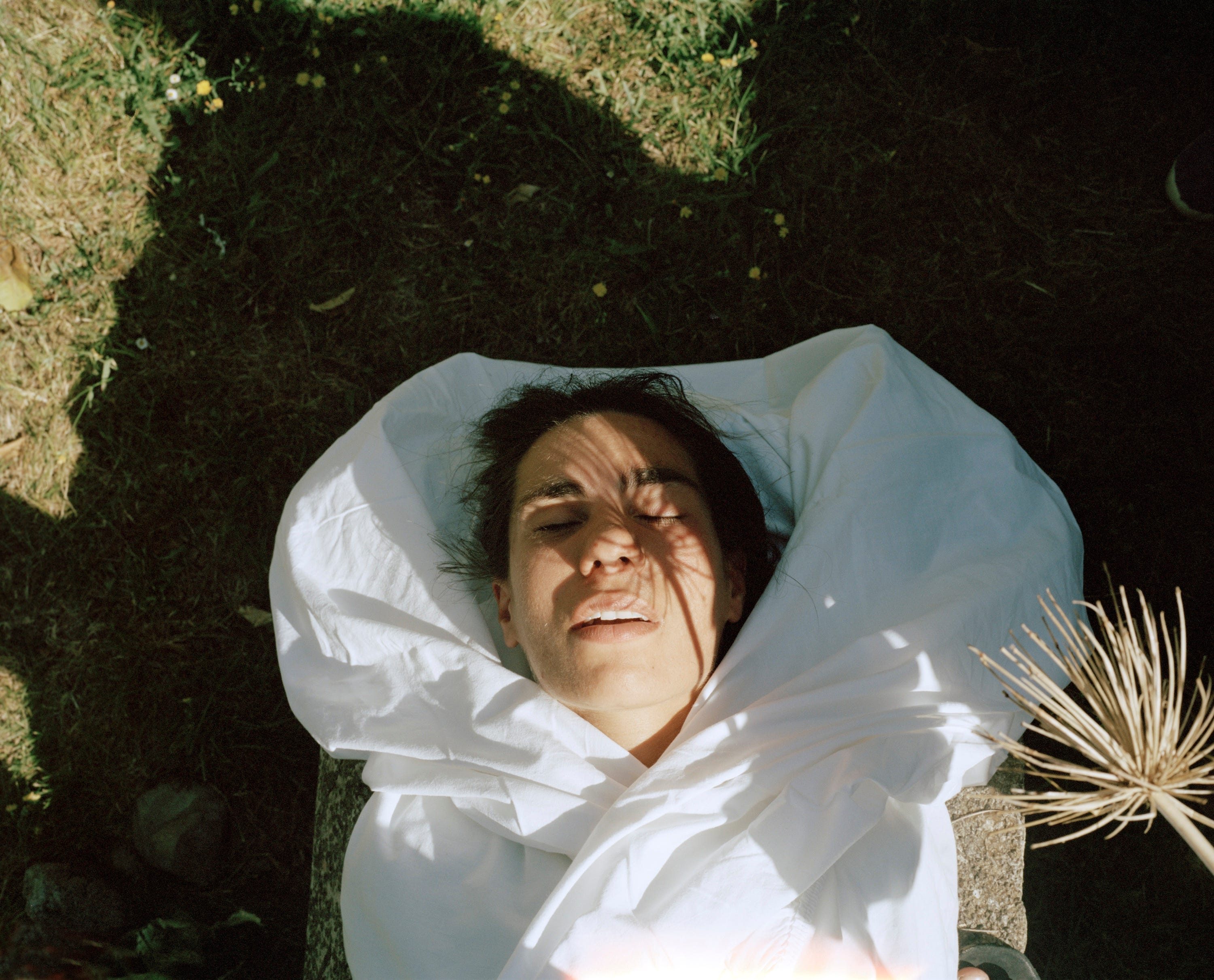
I work with groups of images, and I am interested in the universe that they can create all together. But I also believe in the strength of a standalone image. Some images you can almost enter and invite reflection rather than explanation. I enjoy ambiguity in images, instead of a closed meaning.
Mário Macilau
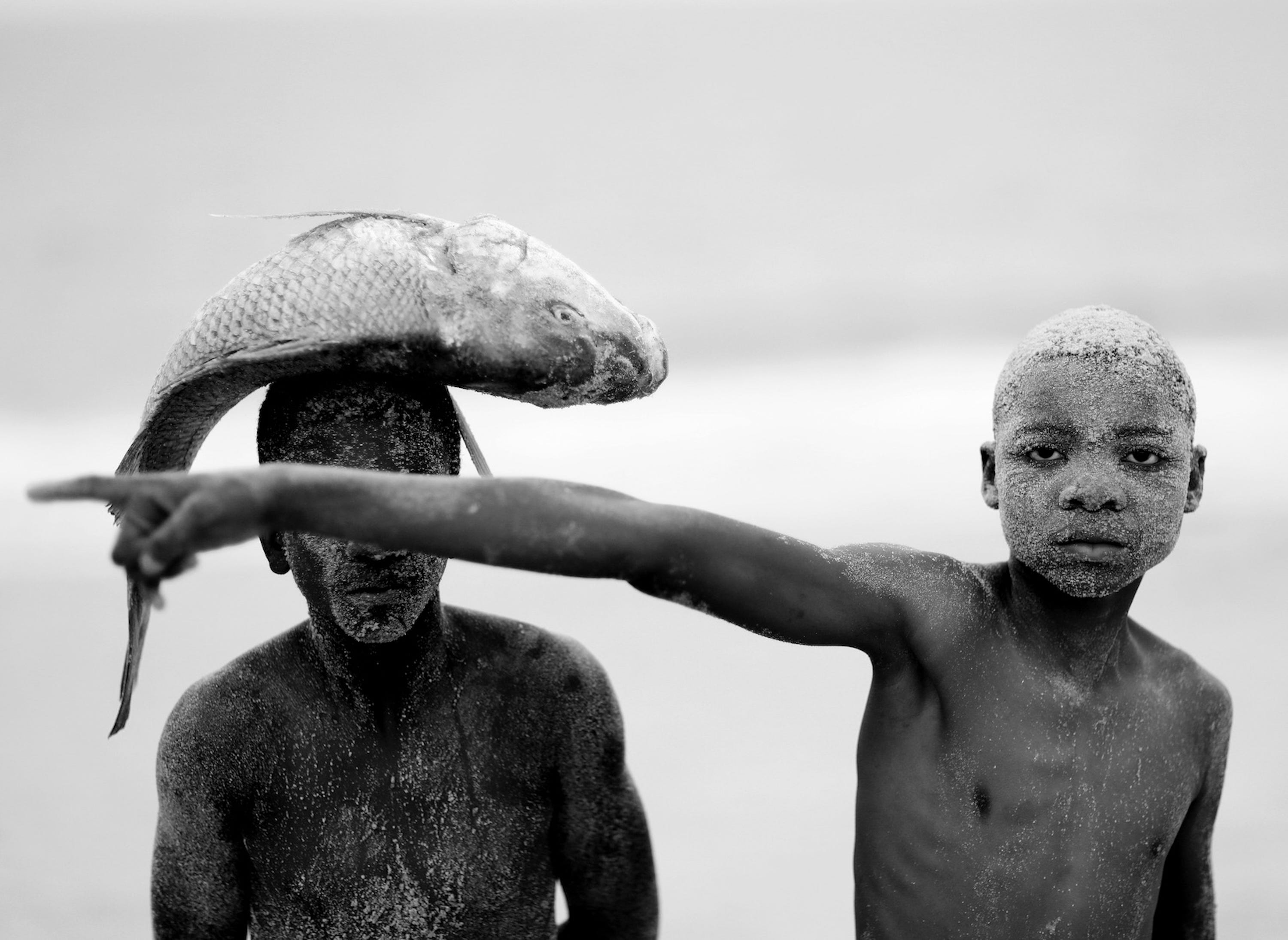
I usually work on long-term projects, building series that allow each photograph to gain deeper meaning through context and continuity. For me, the process is not about creating isolated images first and then trying to connect them later. It is the opposite. The series grows from a long engagement with people, places, and ideas. Through that process, each singular image becomes stronger.
Even so, I believe a single photograph can carry great power. One image can hold silence, tension, and emotion, and it can open space for reflection. It may not explain everything, but it can invite the viewer to look more carefully and to think beyond what is immediately visible.
In my practice, every photograph is part of a broader narrative, but it should still be able to stand on its own. A strong image carries the presence of the person, the atmosphere of the place, and the weight of that encounter.
So while I work primarily in series, my intention is always to build bodies of work where each photograph has its own voice and strength, and where the dialogue between images deepens their meaning rather than replacing it.
Emin Özmen
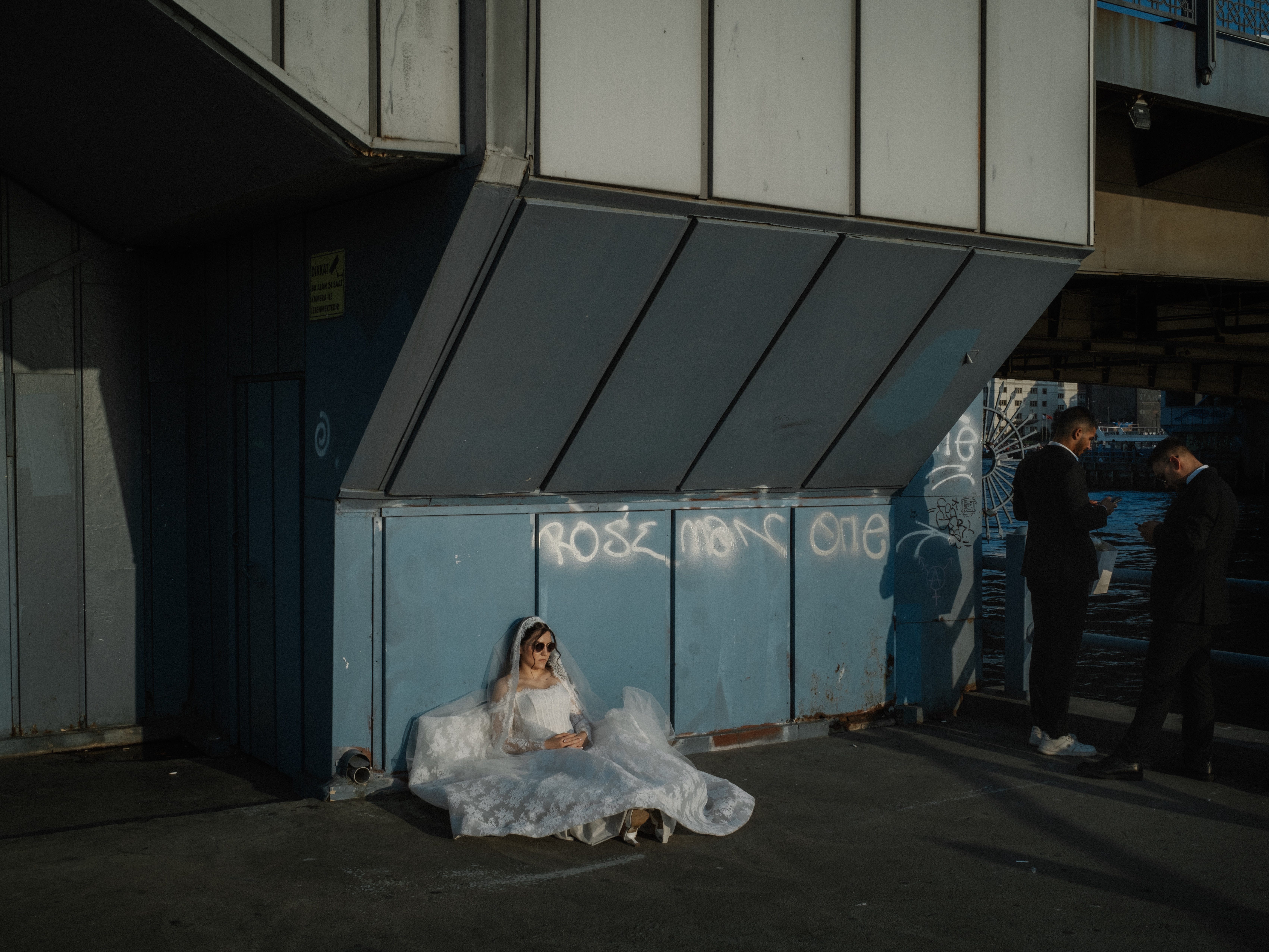
This single image is part of my long-term project about Istanbul, focusing mostly on water and its relationship with the Stamboulian identity. I have always seen Istanbul as an exceptional city, and I think ‘water’ is what characterises it best. Opening like a curtain between West and East, it connects and separates.
Seas and straits cross and embrace it. People and animals revel in it, nature often flourishes, and the boats pass by, connecting the shores and the humans to each other. Everything becomes one, a whole that is alternately surprising, mystical, poetic, funny, joyful, and melancholic. It brings people together, beyond differences and cultures, water offers infinite possibilities. A rather universal and rare feeling.
The Odyssey Square Print Sale ends this Sunday, 29 March.
George Lodger and Mario Macilau - I love both photos. I feel ambivalent about the bride photo. I know it isn't staged, but having returned from Marrakech a few days ago, this kind of imagery no longer appeals to me. It will probably pass. Thank you for another excellent article.
Would love to hear the story of the woman in the wedding dress. When I was in Istanbul I saw dress shops in an expensive neighbourhood using models - young women, not mannequins - to show off the dresses.