


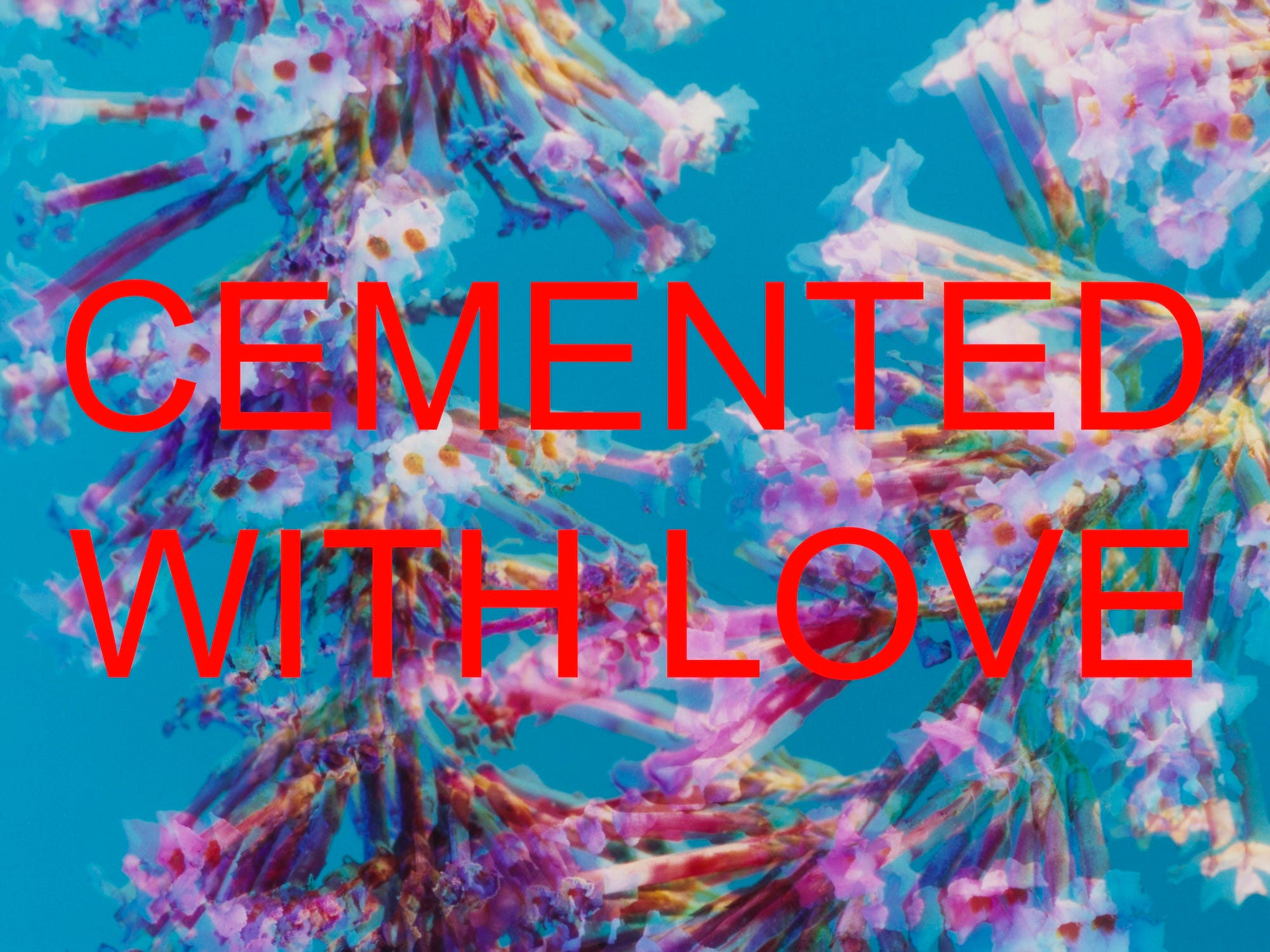
The word on the street1 is that people are putting typos into their prose to show that it hasn’t been written by AI. To be human is to be imperfect; only a machine spells every word correctly.2
This attitude is not new. Photographers have been wrestling with the necessity of imperfection for more than a hundred years. From the moment the world saw Daguerre’s crisp images on mirrored plates, photography become associated with objectivity. The artist’s intent — their emotional state — was considered secondary.
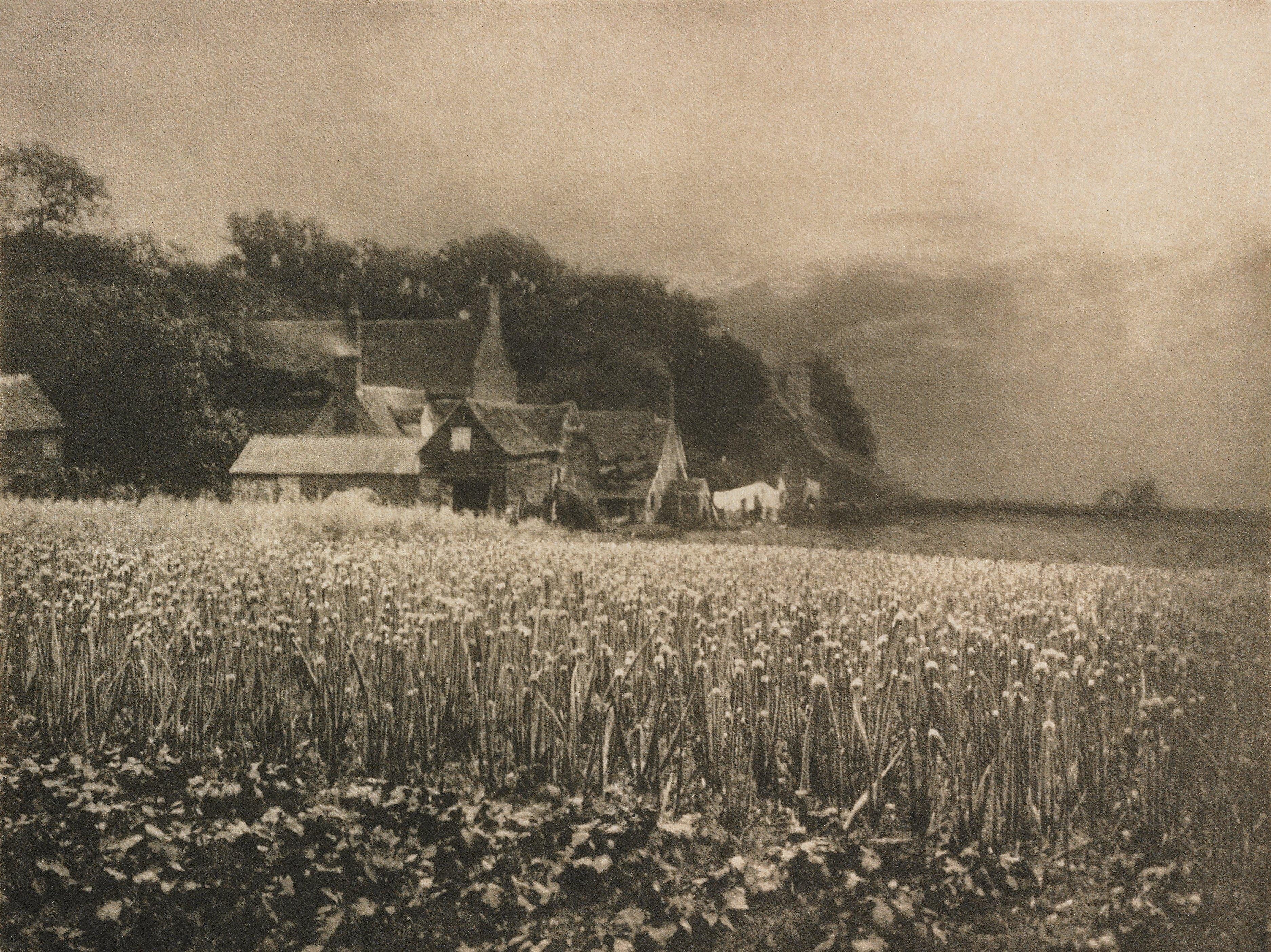
In 1890, George Davison’s blurry, impressionistic photograph of an old farmstead in Essex sparked controversy at the Photographic Society of Great Britain and helped launch the Pictorialist movement,3 an aesthetic that is becoming increasingly relevant in the age of AI.
While I haven’t been to see Tate Modern’s new Pictorialist survey, Light and Magic: The Birth of Art Photography,4 this week I attended the opening of Gareth McConnell’s new exhibition at Stills, which gives a modern spin to such aesthetic ambitions.
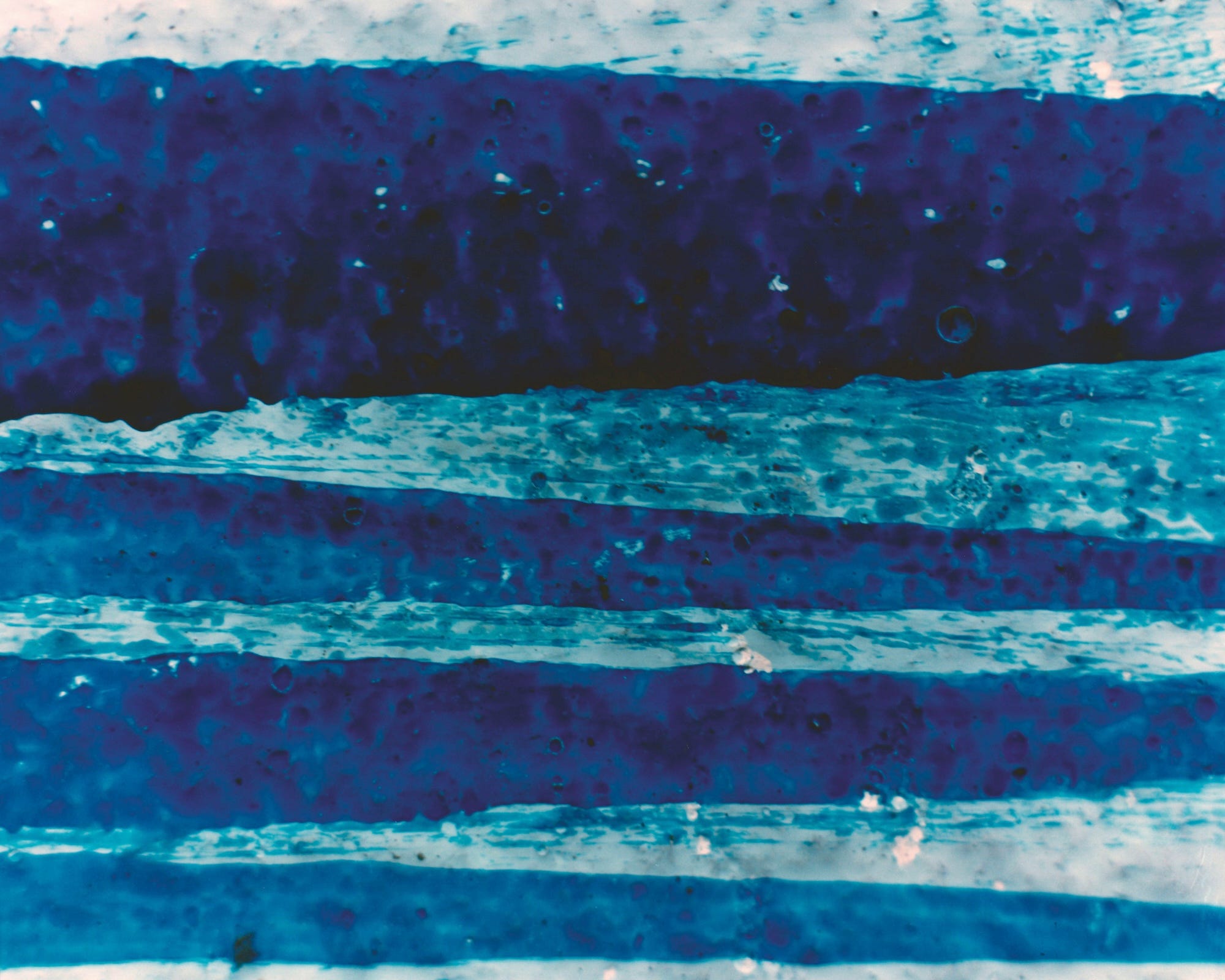
The show consists of two bodies of work, plus a new video. The first set of photographs are close-up details from sectarian murals in Northern Ireland from the time of the Good Friday Agreement. They turn pride and tribalism into abstractions, revealing that anything is beautiful if you zoom in close enough. I kept thinking of the line attributed to St Francis, popularised by Margaret Thatcher, “Where there is discord, may we bring harmony.”
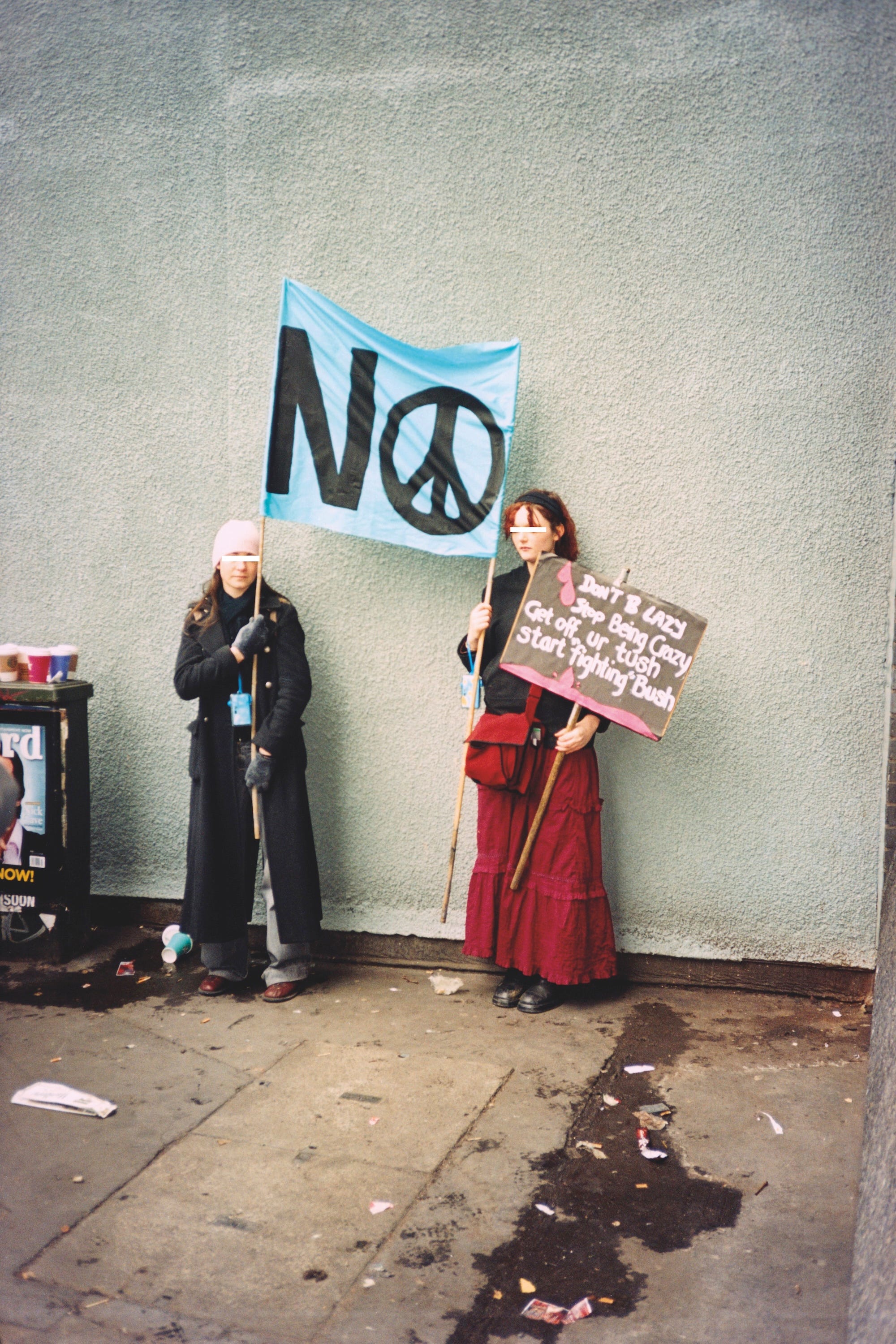
The reverse is true of the second project, which takes the harmony of youthful innocence and brings it into contact with the discord of the war on terror. In The Stop, McConnell revisits a lost roll of 35mm film from the 2003 Stop the War protests. He has redacted the eyes to comment on the fact that peaceful protesters have been arrested in recent years, some of them identified from social media footage.
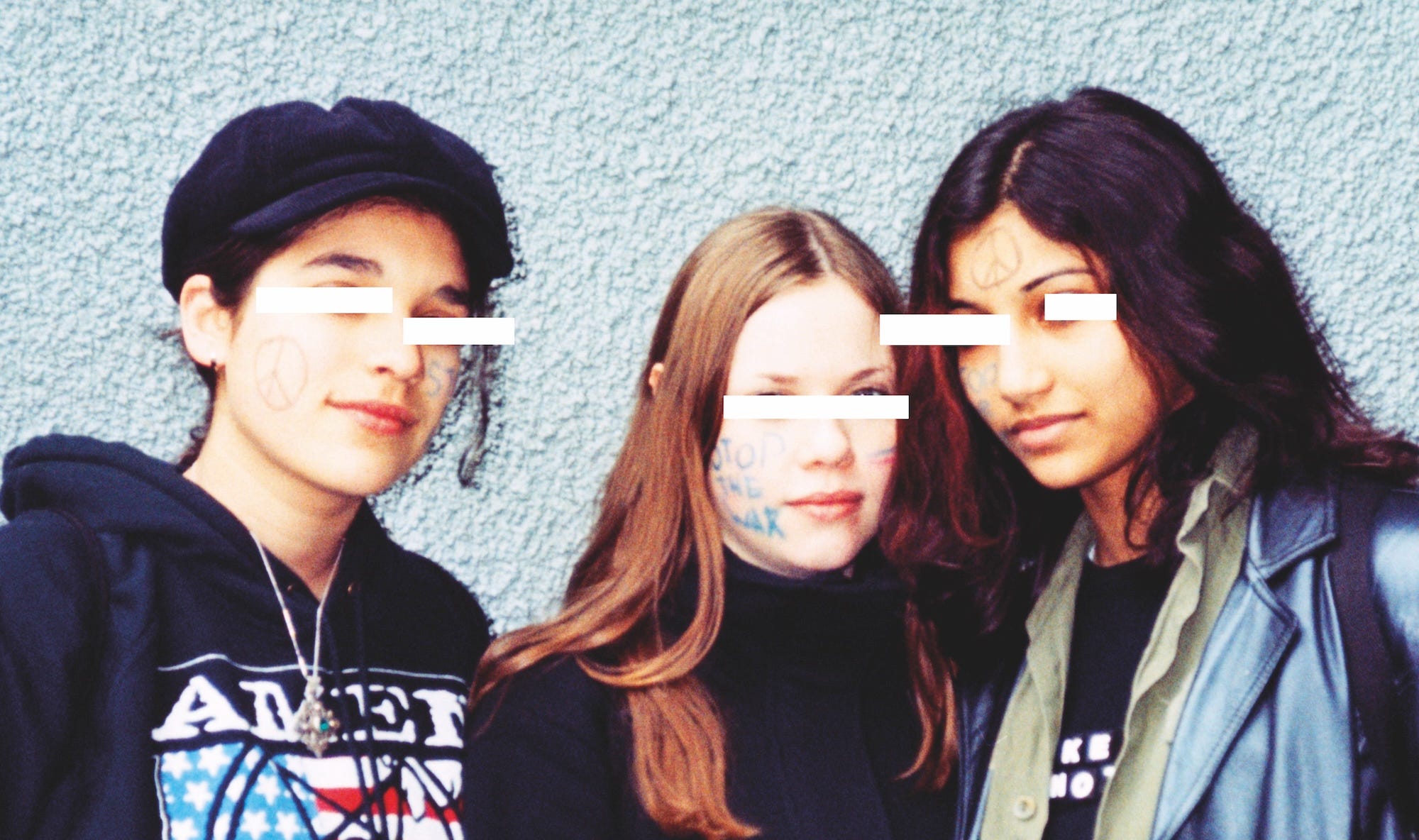
There were up to two million people at the Stop the War marches — many of whom became politicised for the first time — yet the war went ahead. There is a soft, hippyish innocence to the teenagers that doesn’t exist now that social media has sharpened how people present themselves at protests.
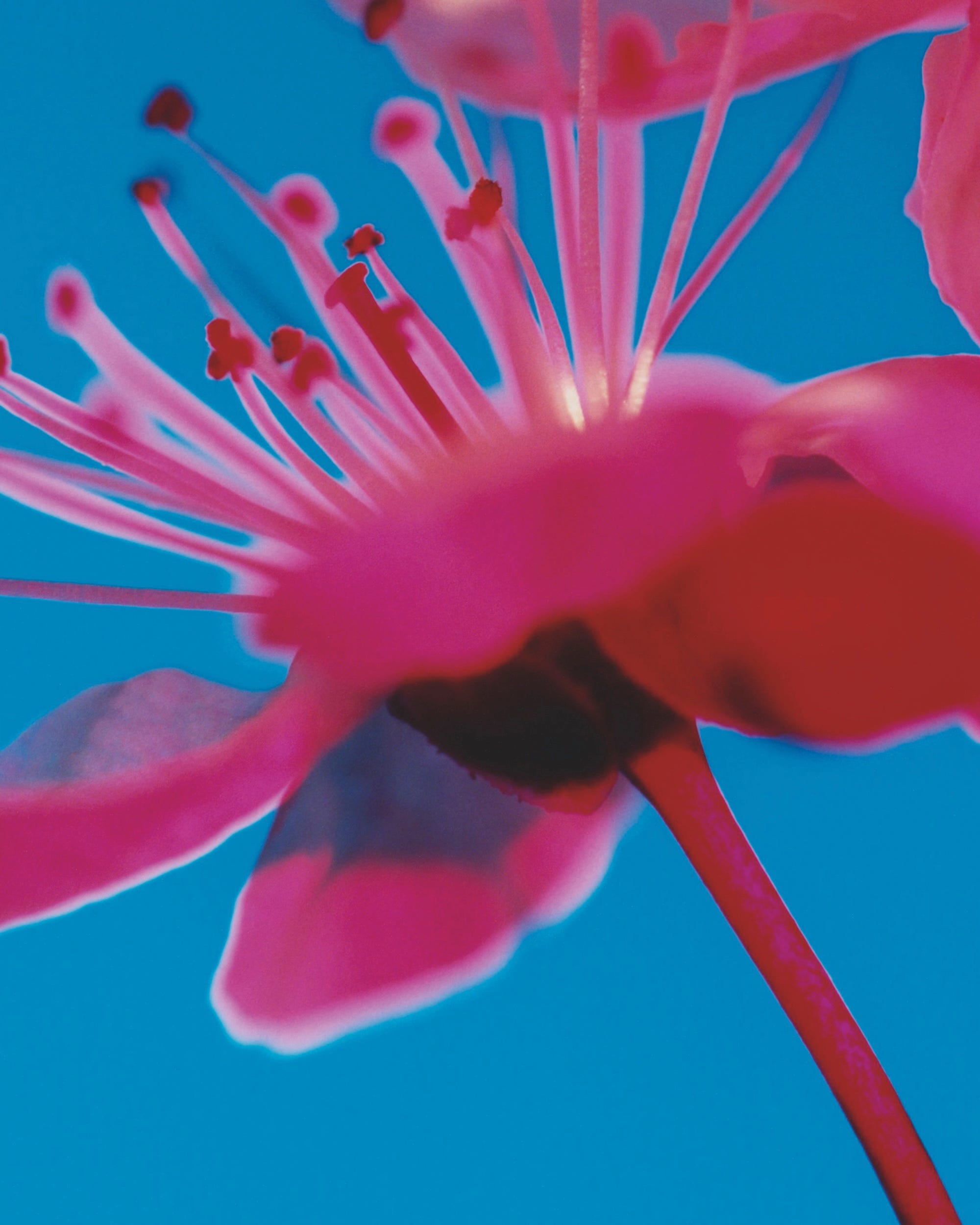
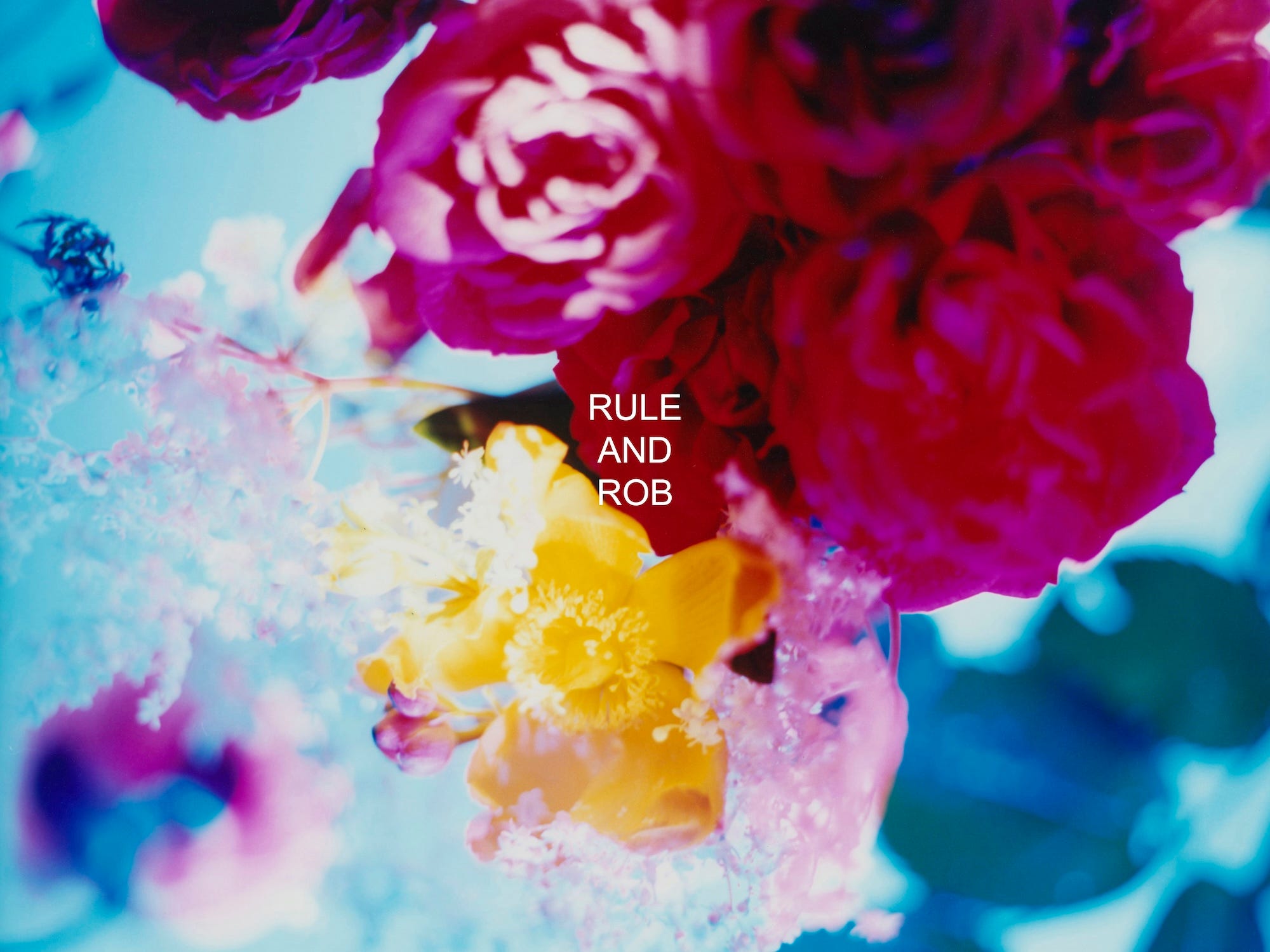
The teenagers are accompanied on the wall by McConnell’s more recent lush, colourful photographs of flowers, which have a contemporary pictorialist flair that emphasises youth’s radical bloom.
The framing of this show is extremely understated. There’s glass and paper held to the wall with pins, or simple white frames, plus one large print curling as it hangs. Curated by Stills director Vivienne Gamble, the show doesn’t try to dazzle or overwhelm the viewer. Instead, it provides context for An Illusion, shown on two square CRT monitors: a frenetic 30-minute career retrospective accompanied by Smagghe & Cross’s relentless techno beat. It’s raw, emotional, heady stuff.
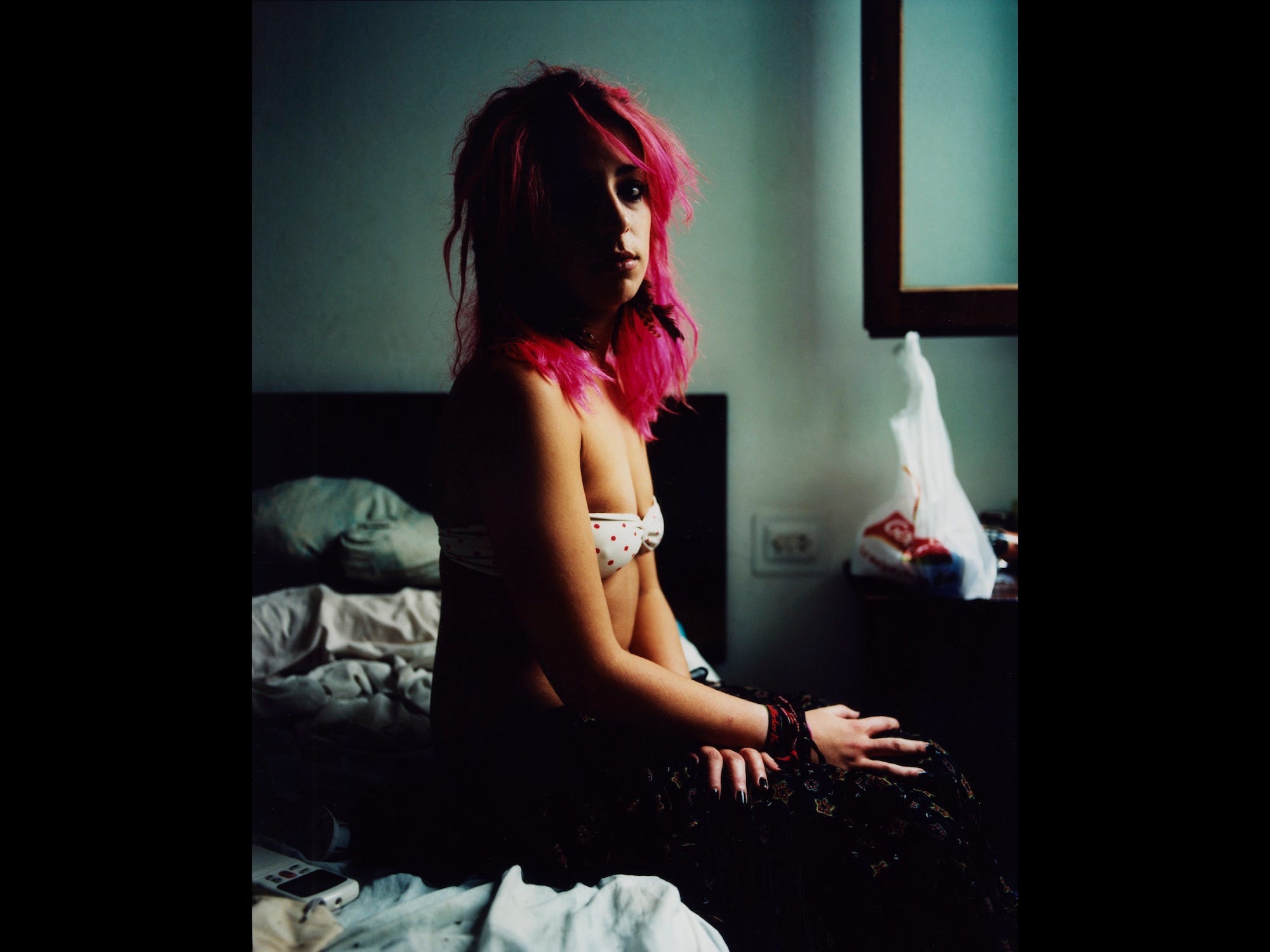
The video is by far the best thing in the show and draws on the years when McConnell was an addict, going where others dared not. Childbirth, despair, empty beds, lurid colours, drug haze — it’s all there. Now ten years sober, he appears to have brought harmony where once there was only discord. But the video shows that it is in discord that we find the human.
Gareth McConnell — An Illusion
Stills: Centre for Photography, 23 Cockburn Street, Edinburgh EH1 1BP
20 November 2026 – 27 February 2027
Tuesday–Saturday, 11am–5pm · Free entry
The street in question being Heather Parry’s Substack Notes:
I was going to introduce an ironic typo then, but I just can’t bring myself to do it.
Check out my scenius map of Pictorialism’s development, which benefitted from feedback by Dr Michael Pritchard FRPS.
Check out the reviews of Jon Nicholls and Pierre D’Alancaisez.