


Every photograph is, in part, a self-portrait. We can’t help but project our energy into the encounter. Our framing betrays our attitudes and biases; the final edit, our aspirations.
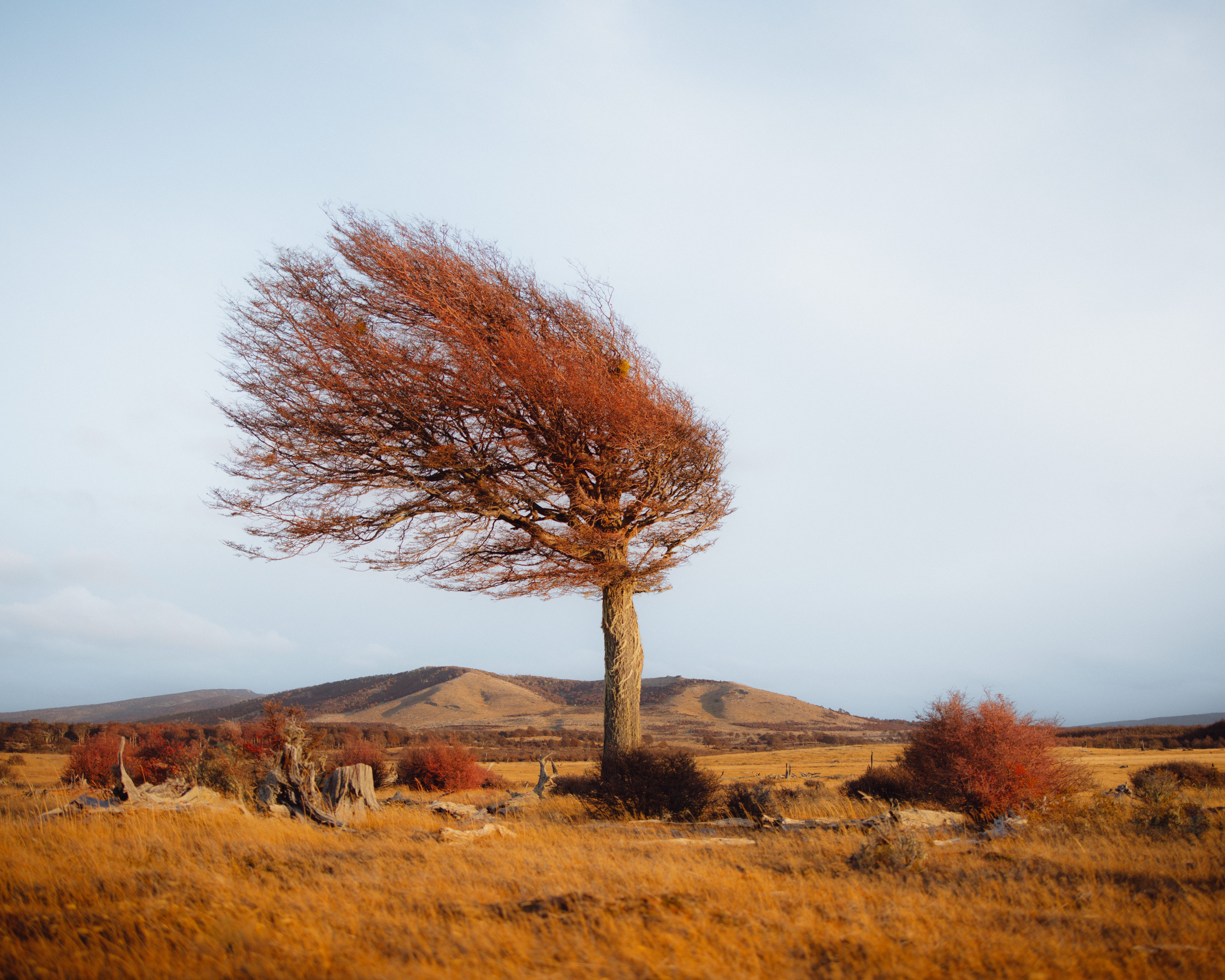
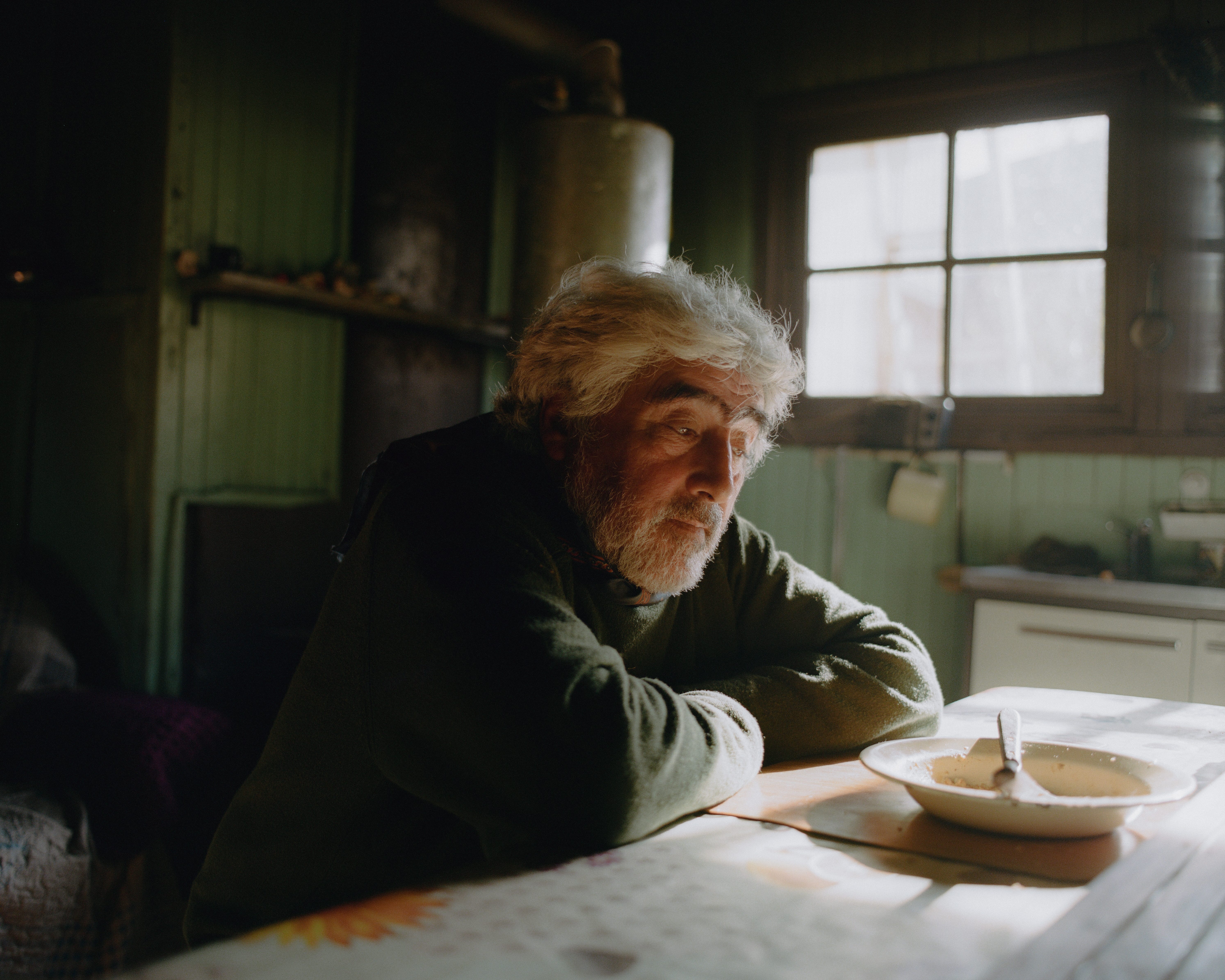
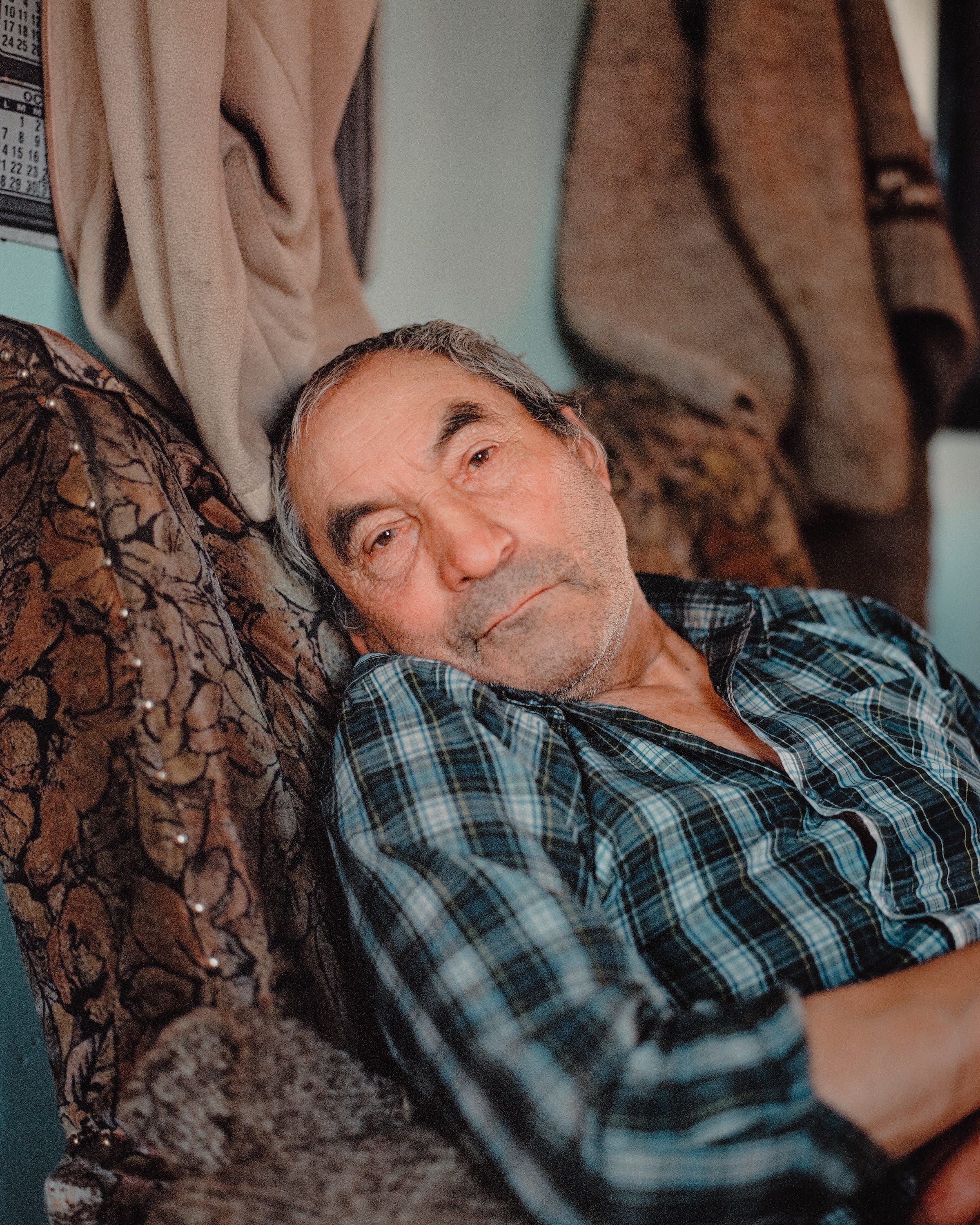
The Dutch photographer Pie Aerts spent six years visiting the puesteros, shepherds who work in isolated outposts of Patagonia, building the trust to photograph them. The result is Coirón, an exquisite monograph published by GOST Books.
At the 2026 BOP Bristol book fair, I was introduced to Pie Aerts at the GOST table. What started as a friendly chat about the book soon turned into an interview.
Photographs and captions courtesy of Pie Aerts and GOST Books.
Neil Scott: How did the book come about?
Pie Aerts: As a kid I never felt comfortable alone. When I was six or seven and my parents left the house, and my brother and I stayed behind, I’d cry at the window until they came back. That’s been weaving unconsciously through my whole life — therapy sessions and so on — until the making of this work.
My first concept was to photograph the mental consequences of living five decades alone, without social contact, which is the case for most of the men in this book. But by becoming friends with them, opening that stoic curtain and going deep into their personal lives, I saw so many parallels between them and me. I grew up in one of the most densely populated countries in the world. And I realised that for twenty years I’d been unconsciously stepping into my fear. My work happens in some of the most remote places on Earth, and I always work alone.
You never bring an assistant?
No, always alone. So I grew up fearing being alone, but I was working alone in places that would be the biggest fear for someone like that. It never made sense to me.
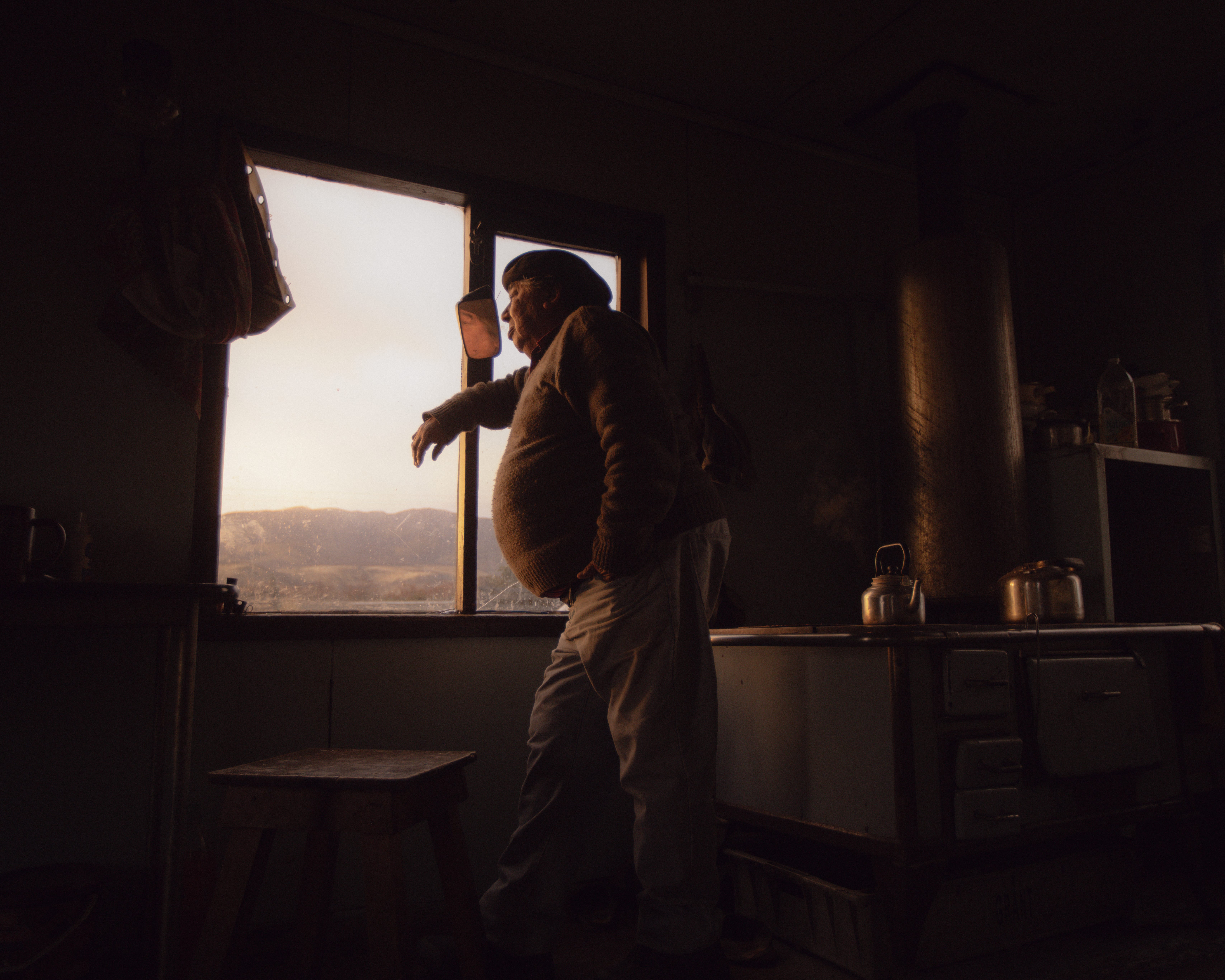
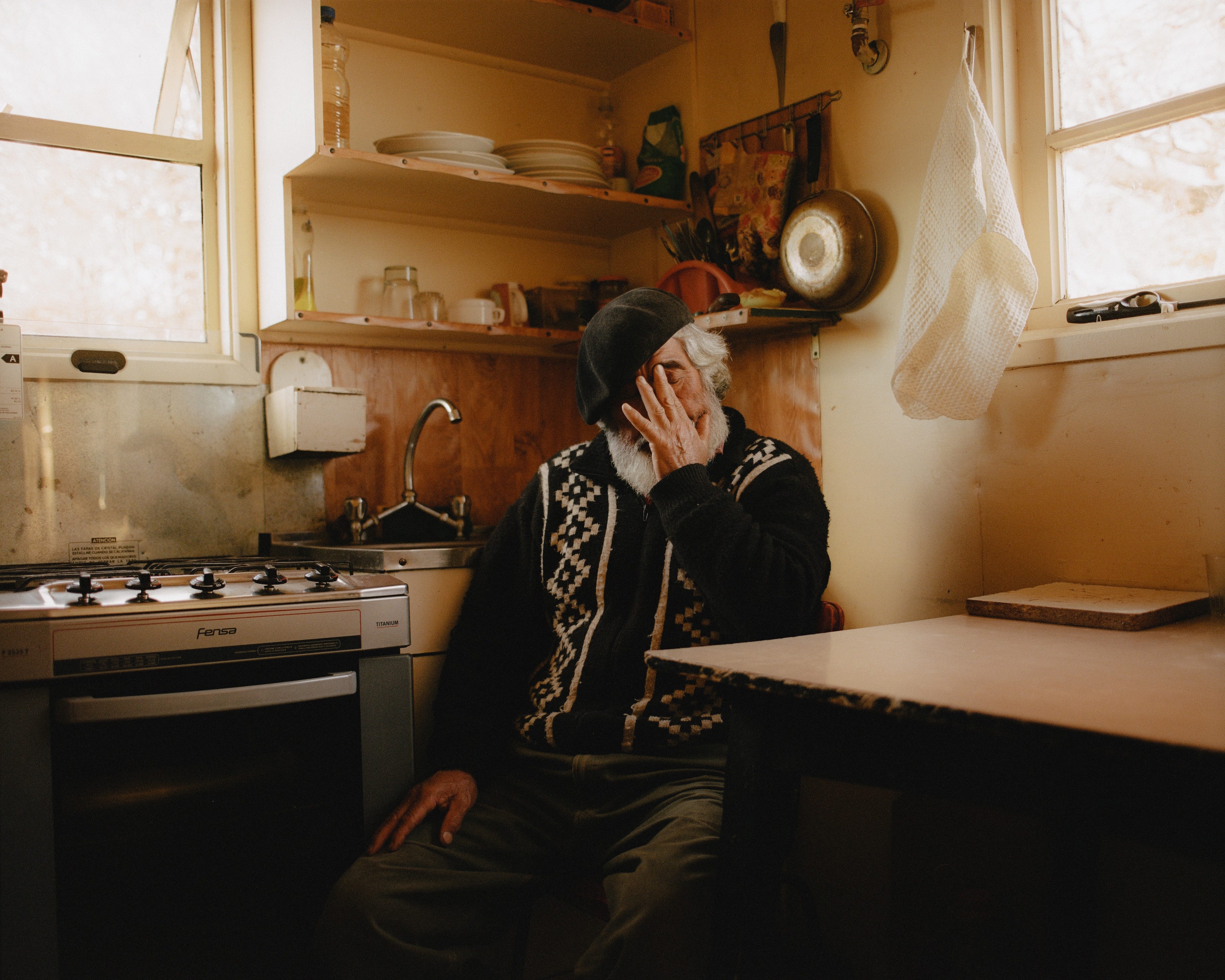
After being with the puesteros for years, I started to open up to the other side of aloneness. Where I’m from, there’s distraction every minute of the day. There’s always a void to be filled: something to do, something to learn, something to dream about, something to aim for. And I saw them existing in complete isolation, with their own thoughts, whether or not those thoughts have negative consequences. It opened up a whole different perspective. That’s where it became a mirror.
For decades, I’d tried to dig into those fears without finding an answer. Then, after being with them, the story became about that duality in isolation. But as the friendships deepened, that went into the background, and it became more about the relationships.
And they’re not online? You can’t send them an email?
Some are more connected than others.
I am fascinated by isolated people being drawn into the modern world. It’s very easy to imagine someone on their own, endlessly scrolling.
Well, some do, actually. More and more.
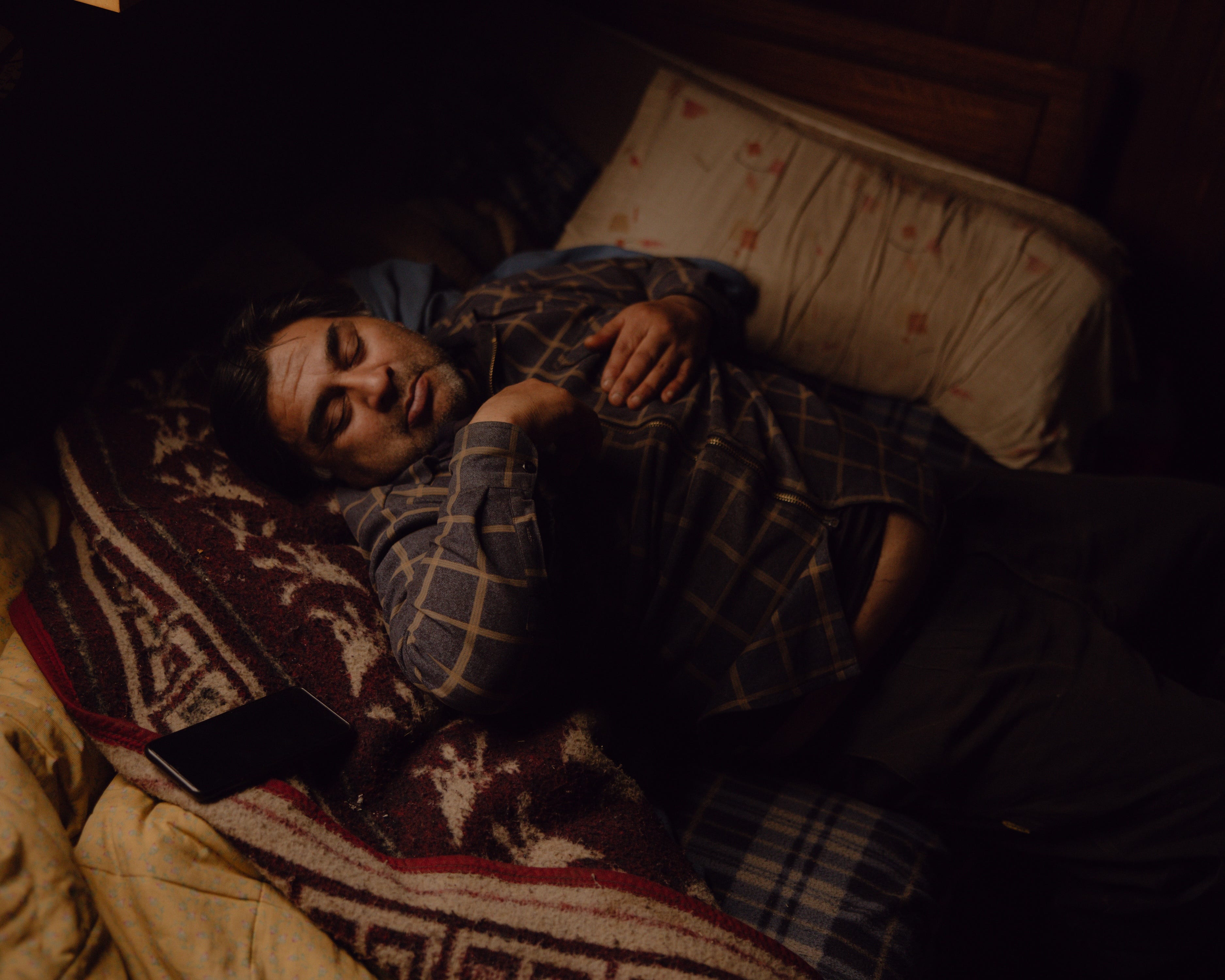
There’s incredible intimacy in these photographs. How long does it take to build that level of trust?
It took three, four years. In one year you have access. But being accepted is a whole different thing from access. Acceptance came three years after access. It’s a closed culture. None of these men are waiting to be photographed. The best images of the first two or three years were never taken because there was no consent, no trust. After three or four years of staying in their houses, sleeping next to them in their rooms, waking at the same time in the morning, for weeks and weeks every year, several trips a year, you get to a point where they forget you’re there to photograph. That’s when the work actually starts.
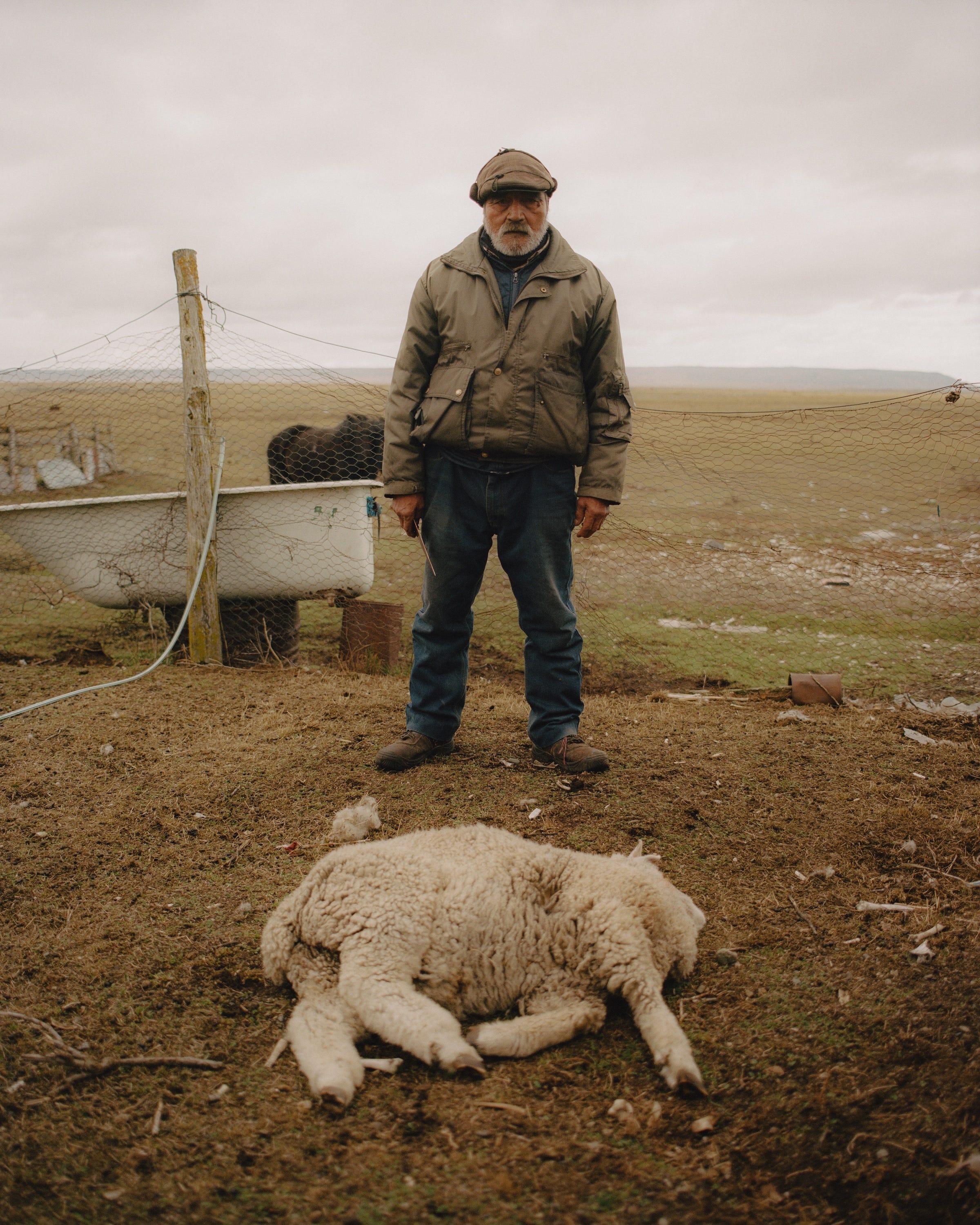
How collaborative was the project?
It’s been very collaborative. The whole book is shot on film, though, so I couldn’t show them the photographs in the field. But I went back several times a year, always with prints — we made beautiful frames for them — so in all their homes there are images from all those years. We tried to make them as much a part of the project as possible. Some are more camera-aware than others, and sometimes you feel they’re becoming too aware, so you show less. It’s a careful balance.
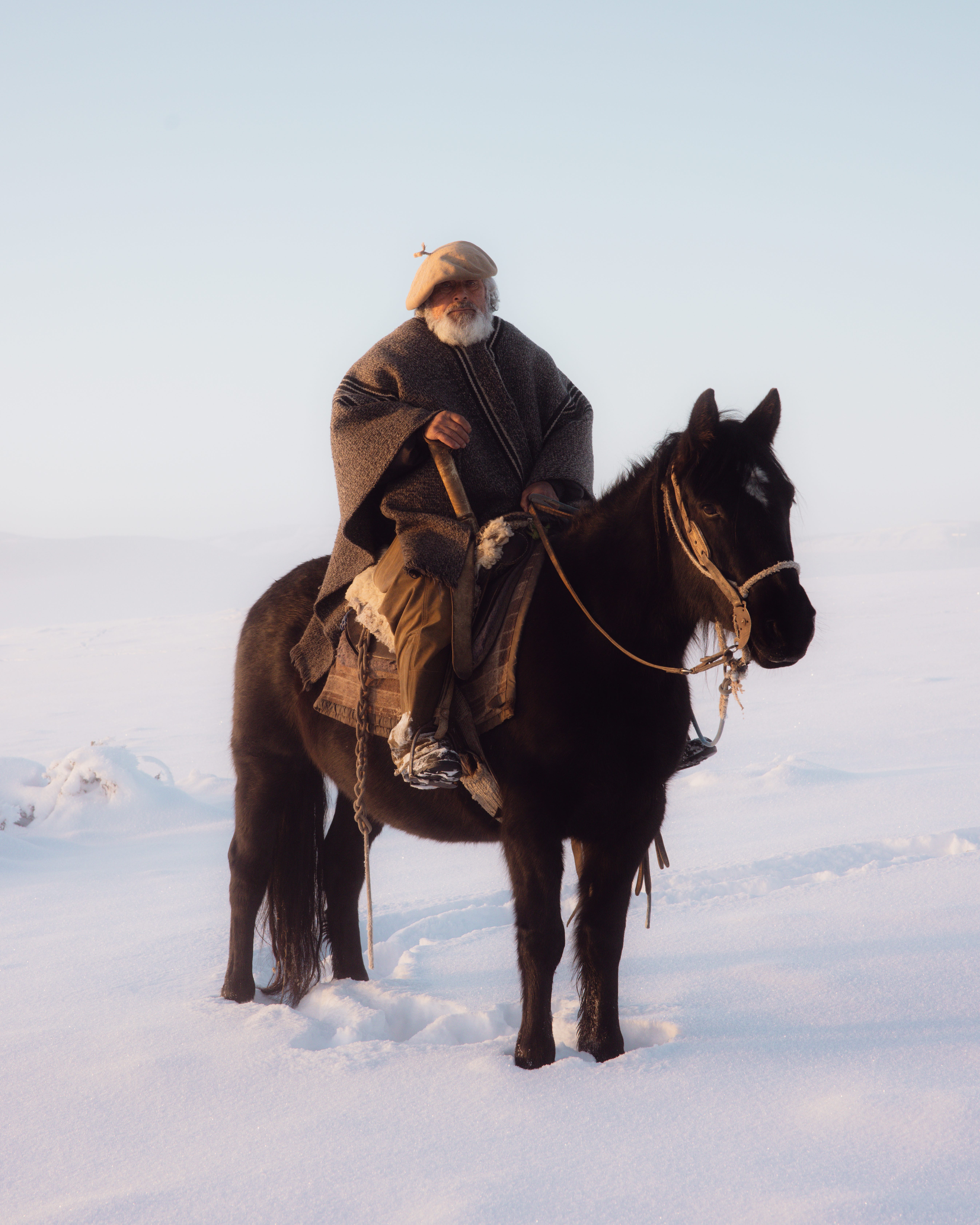
In documentary photography, there are a lot of debates about how photographers depict isolated communities. How do you approach these debates?
The absolute key is vulnerability. If we allow ourselves to be more vulnerable and have the conversation, instead of walking away because we don’t know how to respond. My answer to some of your questions is: I don’t really know. I try to answer from intuition. But vulnerability matters for everyone. It’s too easy to point at other people — you shouldn’t go there, you shouldn’t tell that story — and vice versa.
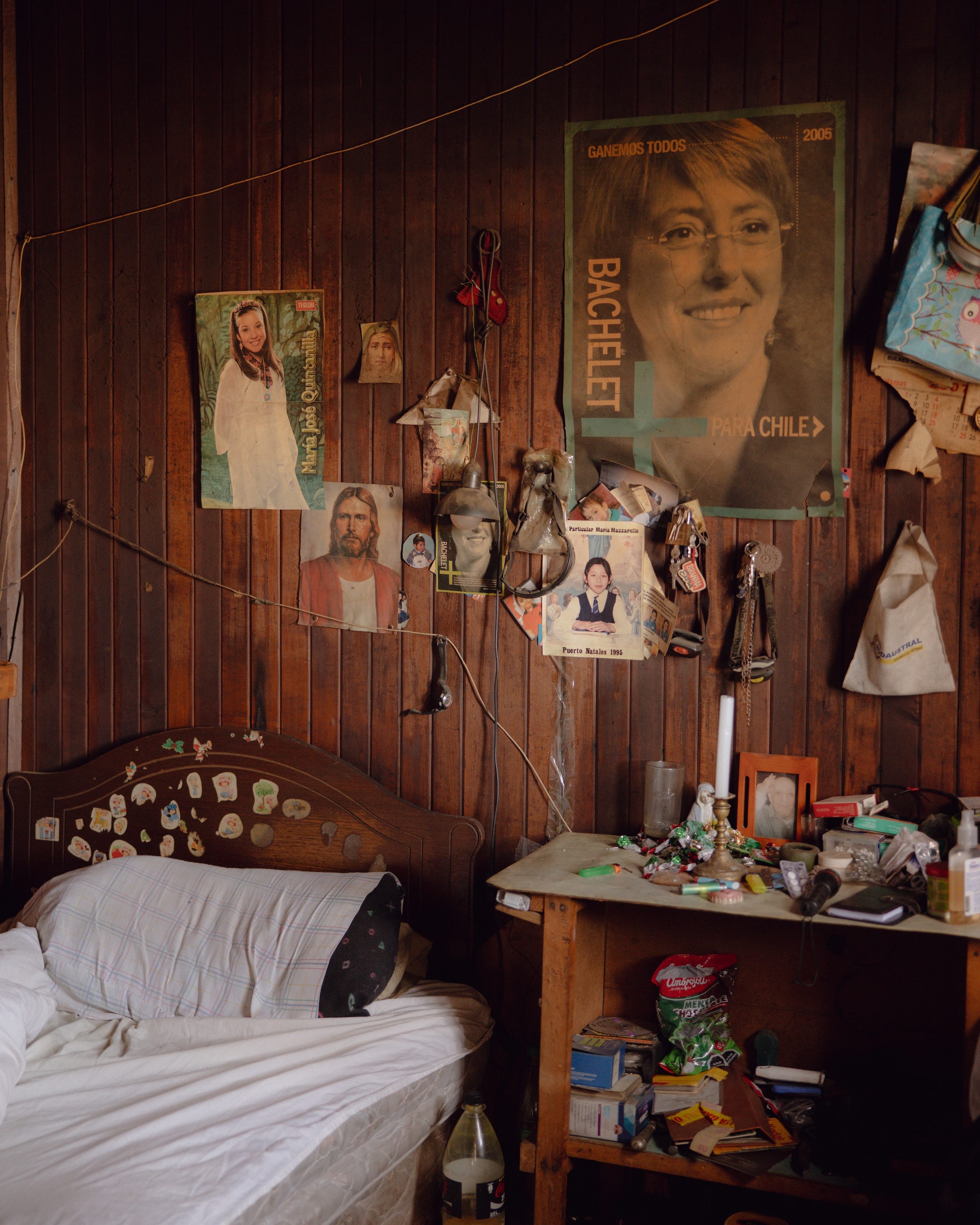
How much do you need to tell the reader about the context?
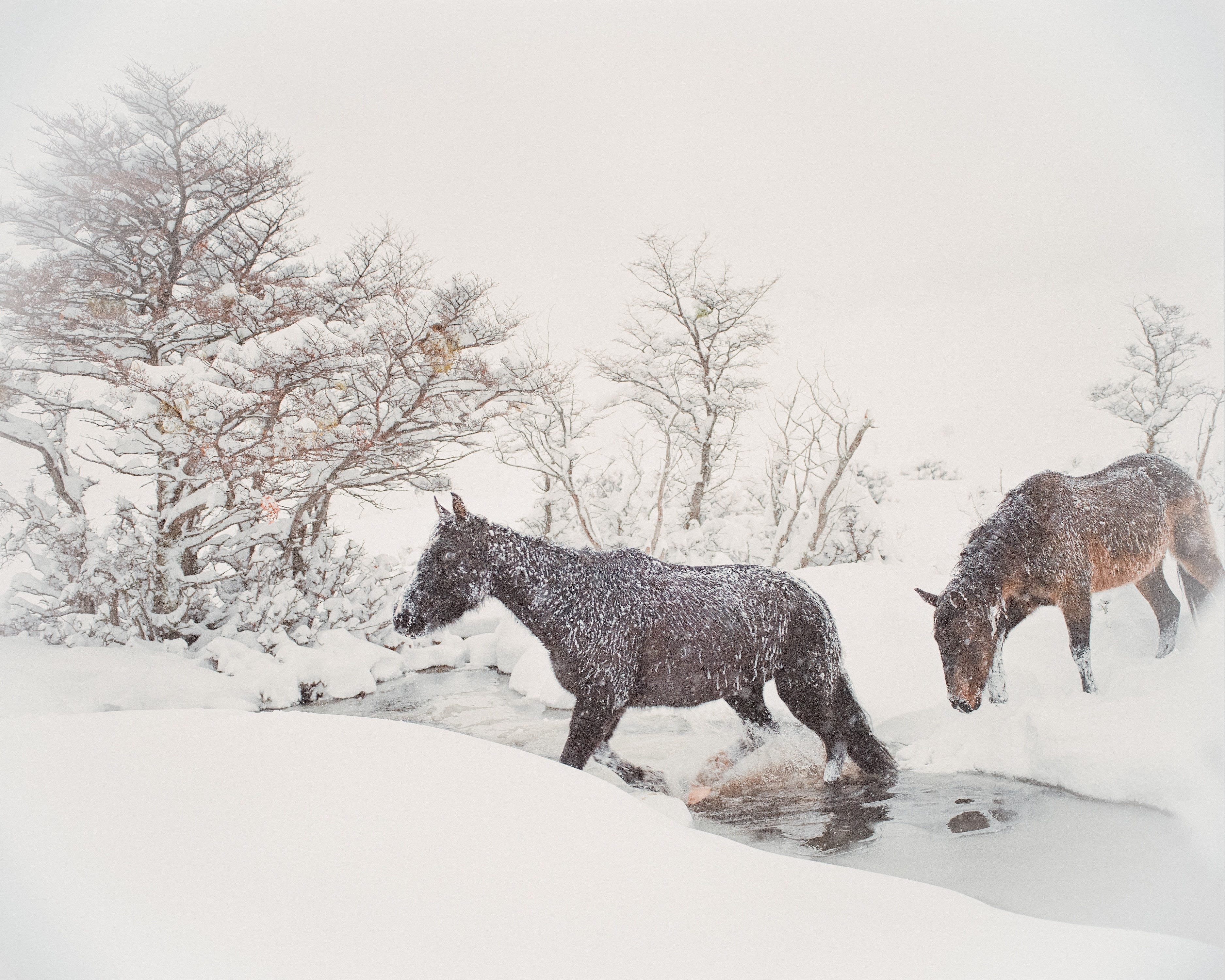
The book opens with a poem, and then there’s no text at all until the very end. We included an essay by a professor [Alberto Harambour] from the region. If you took out the essay, the book would make more sense to me, because the power lies in not knowing everything.
I try to press the shutter when I feel confused, not convinced. I don’t want to suggest a story. I want to leave space for you to go through the book and maybe see something of your own life in it — recognise your father, or your upbringing. Every turn of the page should leave space.
I could talk about this work all day, but the power is in putting it into the hands of the viewer. By page fifty you still have absolutely no clue where you are. People ask, “Is this Mongolia?” We don’t need to know everything. By the end you still probably don’t know what the book is about. If you want to know, you can read the essay, and you’ll know a little.
How long did it take to sequence the book?
Long. Very long. But I was lucky to work with Stu [Stuart Smith from GOST Books]. Because I’m so connected to the work, it was hard to get down to fifty-nine images. I wanted eighty or ninety. It took me a year to open up to doing it that way. Four or five visits to London, a lot of discussion and disagreement.
How many images did you start with?
We started with a selection of 250, but had to scrap that entire sequence because I went back to Chile one more time and brought back four images that are now in the book. Stu said: okay, we have to start all over again. We can’t drop one or two new images into a storyline that’s already been laid.
That made me aware that building the story is an art in itself. That’s why working with a curator or publisher is so valuable. Some of my favourite images didn’t make it into the book and will never see the light of day. I had to say goodbye to them. It’s a really hard thing. And some images that weren’t even in my top two thousand are now in the book.
You have to open up to someone’s external vision and trust them. Everybody I’ve shown the sequence to — people with a lot of understanding of photography, people with none, like my mother, top museum curators — all of them find it exciting. Everybody understands it. My edit would have been very different, and not as good.