


It has been said — most notably by Mark Fisher — that it’s easier to imagine the end of the world than the end of capitalism. This summer we don’t need to imagine; we can just look out of the window.
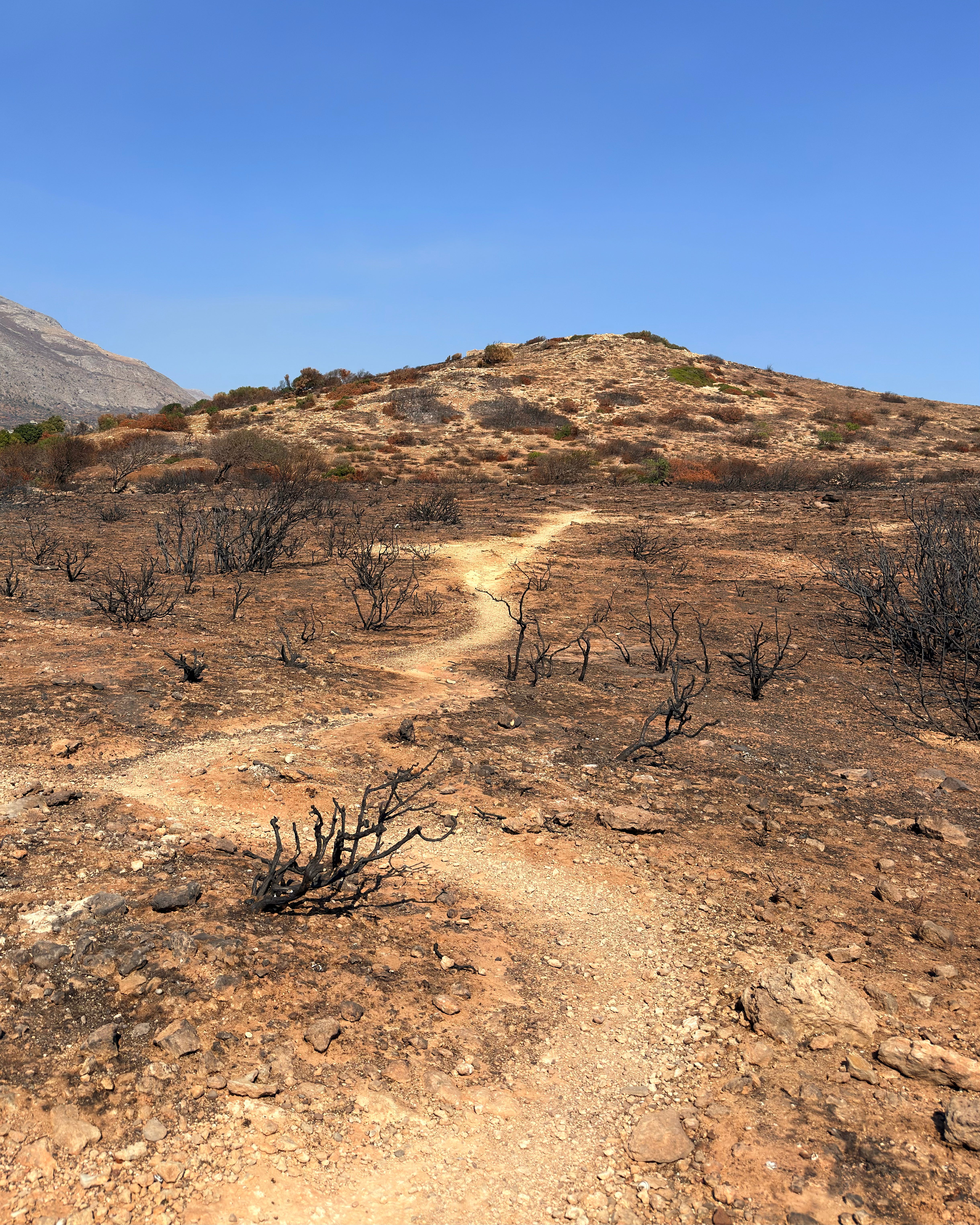
Drought, wildfires, intolerable heat, mudslides, worsening air quality — such has been our summer of climate change.
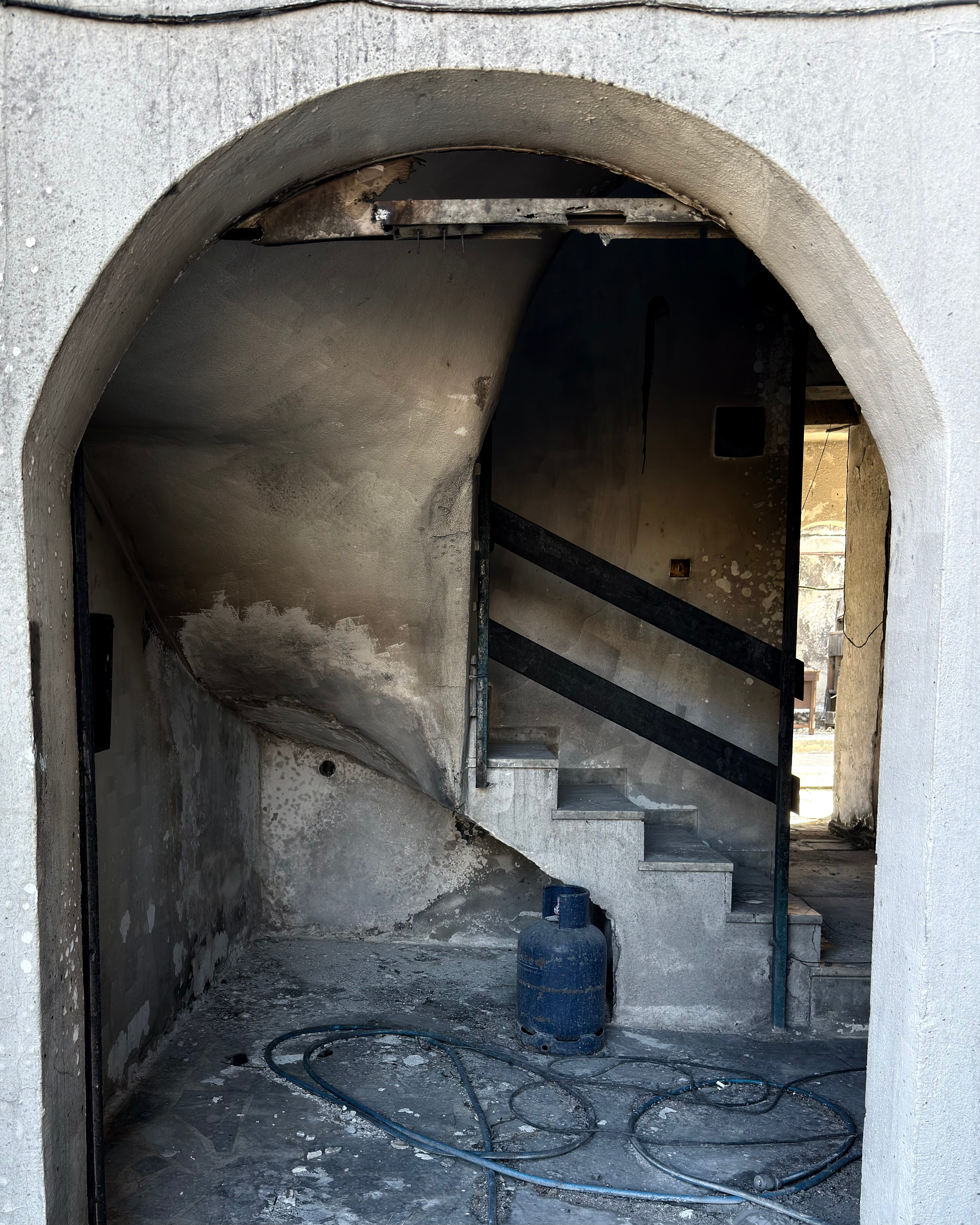
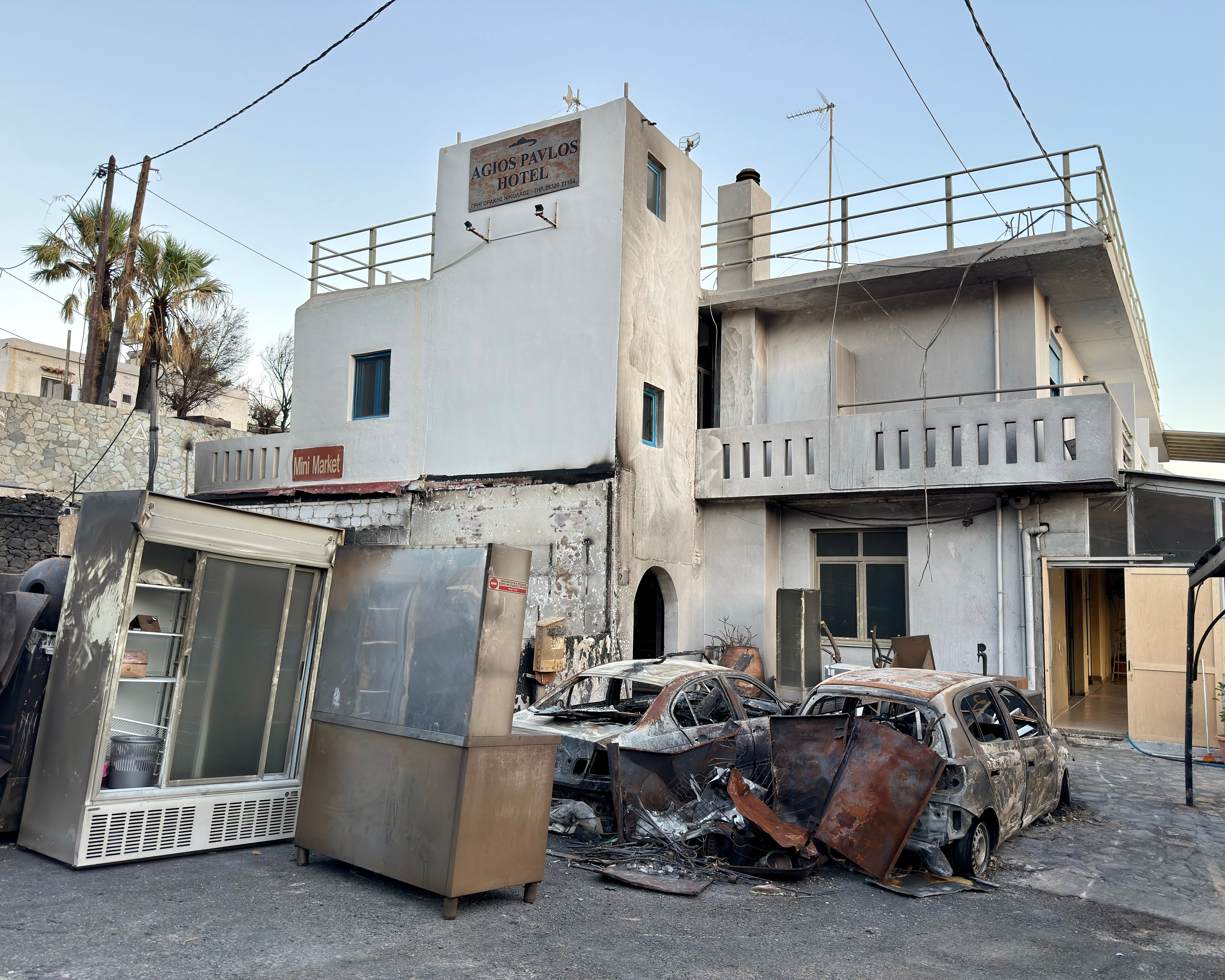
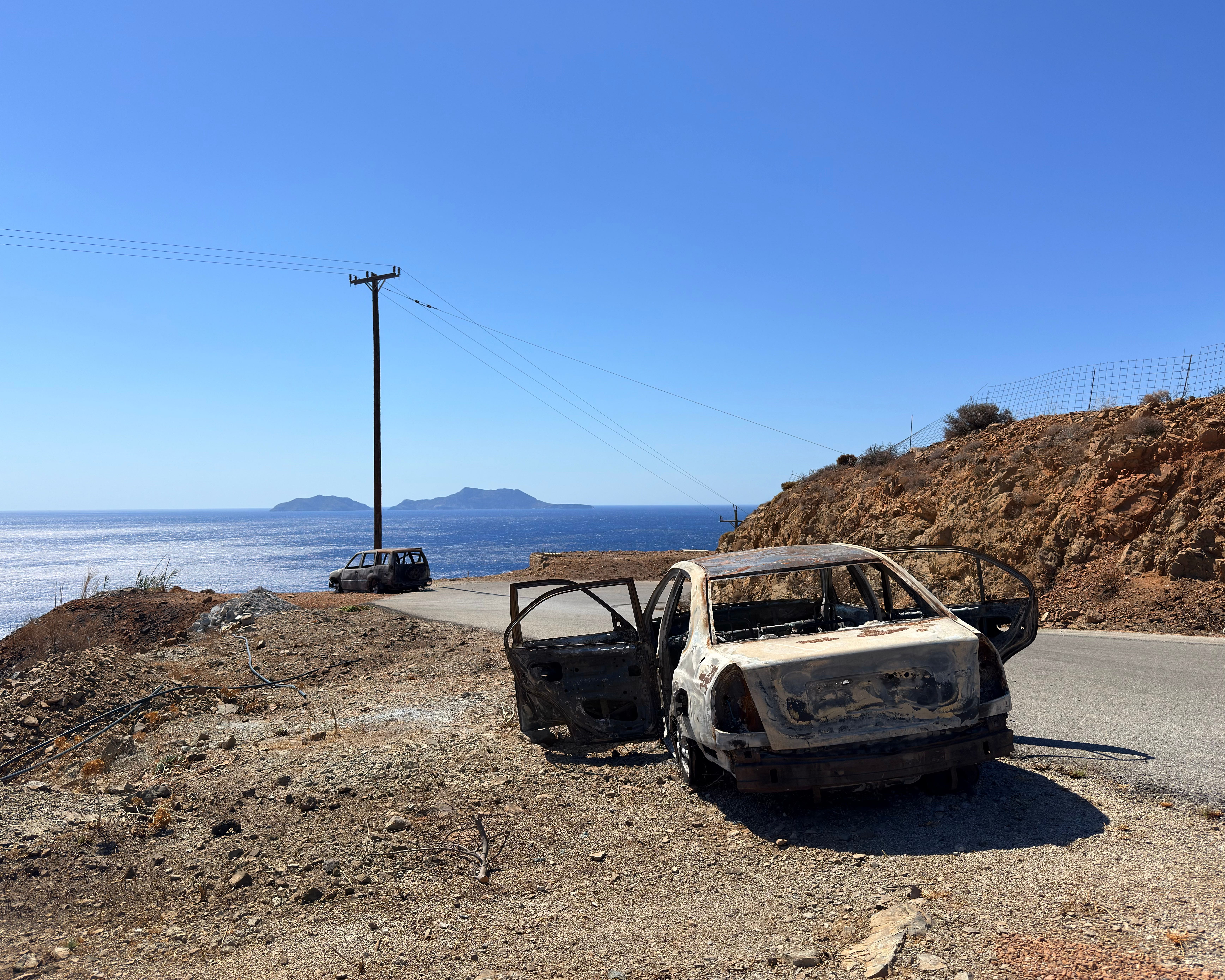
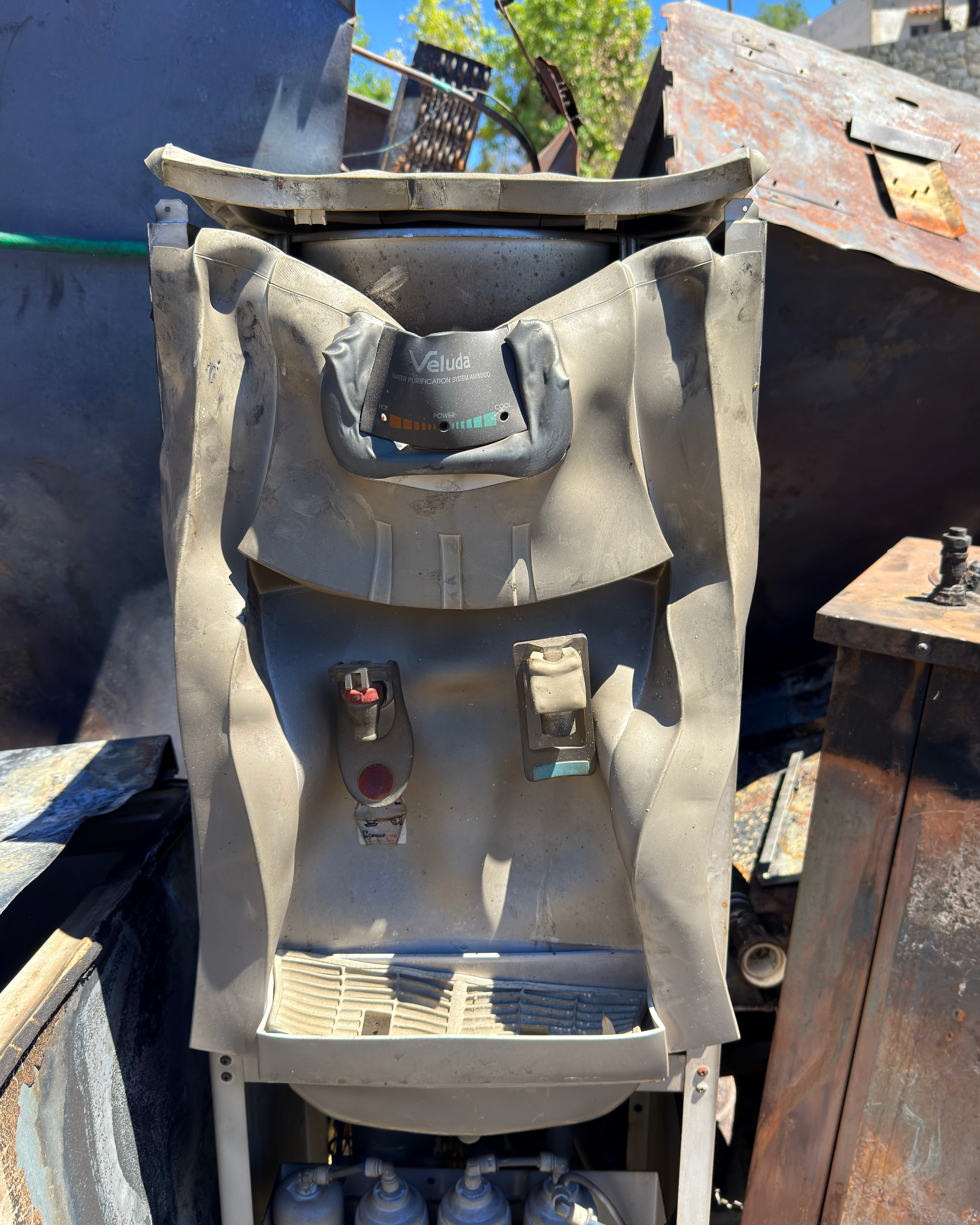
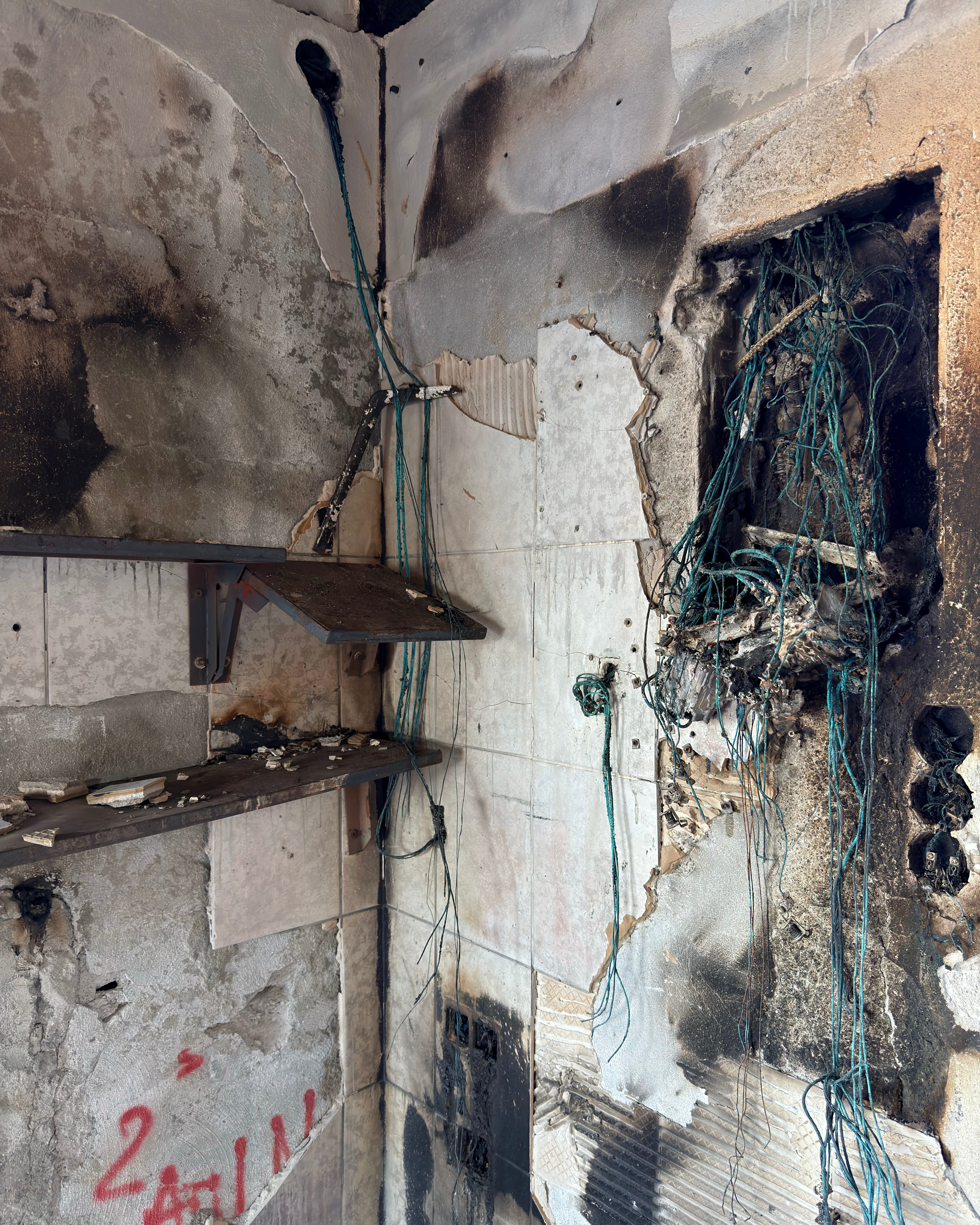
A few weeks before my wife was due to assist Kia Naddermier at a yoga retreat in a remote part of Crete, wildfires swept through the region, destroying anything that wasn’t made of rock or concrete. The hotel was still standing, but the reception was ruined after a gas tank exploded. Likewise, all that remained of a new restaurant was a corroded shell.
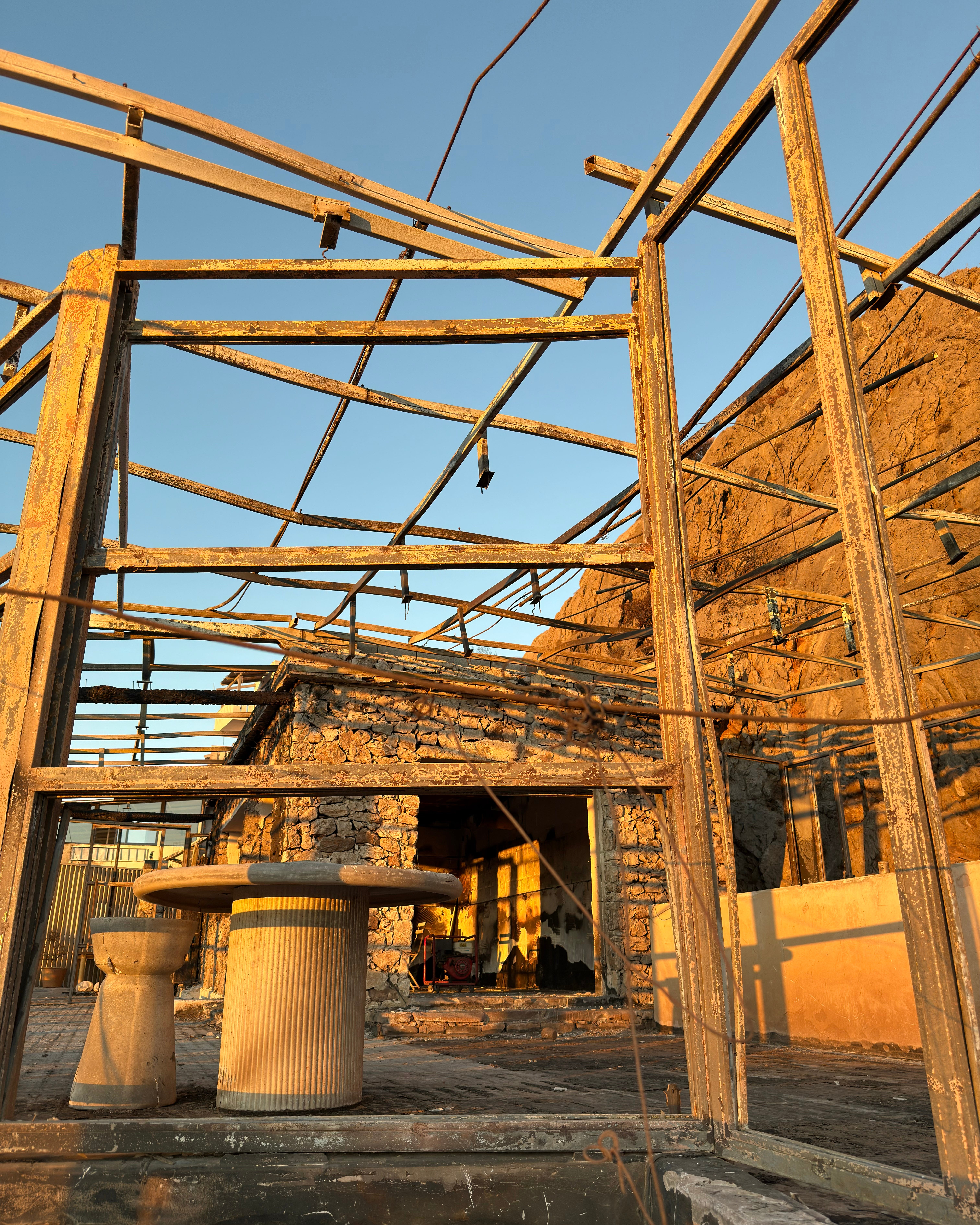
The owners have started to rebuild for the next season, but work proceeds in a desultory fashion. They are understandably devastated, and neither government support nor insurance cover has been straightforward.
Before Fisher used the line as a chapter heading in Capitalist Realism (2009),1 it had been alluded to by Slavoj Žižek in his 1994 essay The Spectre of Ideology [pdf]:
[T]oday, as Fredric Jameson perspicaciously remarked, nobody seriously considers possible alternatives to capitalism any longer, whereas popular imagination is persecuted by the visions of the forthcoming ‘breakdown of nature’, of the stoppage of all life on earth — it seems easier to imagine the ‘end of the world’ than a far more modest change in the mode of production, as if liberal capitalism is the ‘real’ that will somehow survive even under conditions of a global ecological catastrophe …
For both thinkers, the line sums up the scale of the challenge facing the left in a world dominated by neoliberalism.
Some of the most promising left-wing proposals from a decade ago were in Nick Srnicek and Alex Williams’s book Inventing the Future, which looks to Chile’s thwarted Cybersyn project as an example of how technology might be used for economic planning.
They envisioned computers being used to direct the economy so that humans could enjoy post-work abundance. In the era of AI, we might get something similar, except with techno-feudalists reaping most of the benefits.
The source of the quote is Fredric Jameson, who used it in a New Left Review essay, ‘Future City’ (2003) about contemporary architecture and science fiction:
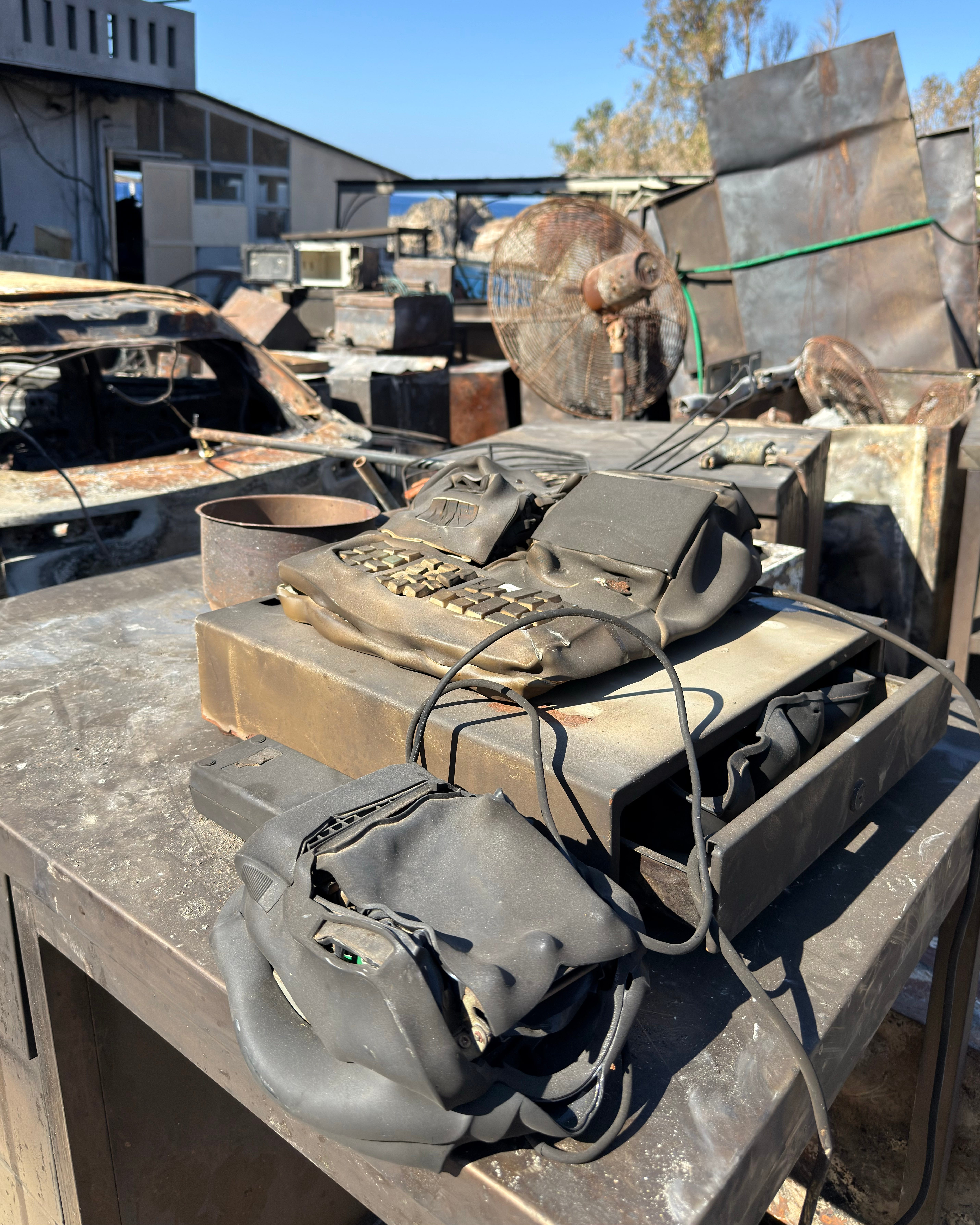
Le Guin once described the buildings ‘melting. They were getting soggy and shaky, like jello left out in the sun. The corners had already run down the sides, leaving great creamy smears.’ Someone once said that it is easier to imagine the end of the world than to imagine the end of capitalism.
After reading this, it felt uncannily symbolic to see a half-melted cash register amid the wreckage.
When Jameson writes “someone once said” in the preceding passage, he is slyly referring to his own preface to The Seeds of Time (published 1994, but delivered as Wellek Library Lectures in 1991):
It seems to be easier for us today to imagine the thoroughgoing deterioration of the earth and of nature than the breakdown of late capitalism; perhaps that is due to some weakness in our imaginations.
While less snappy, this version of the quote feels truer to what has been happening this summer.
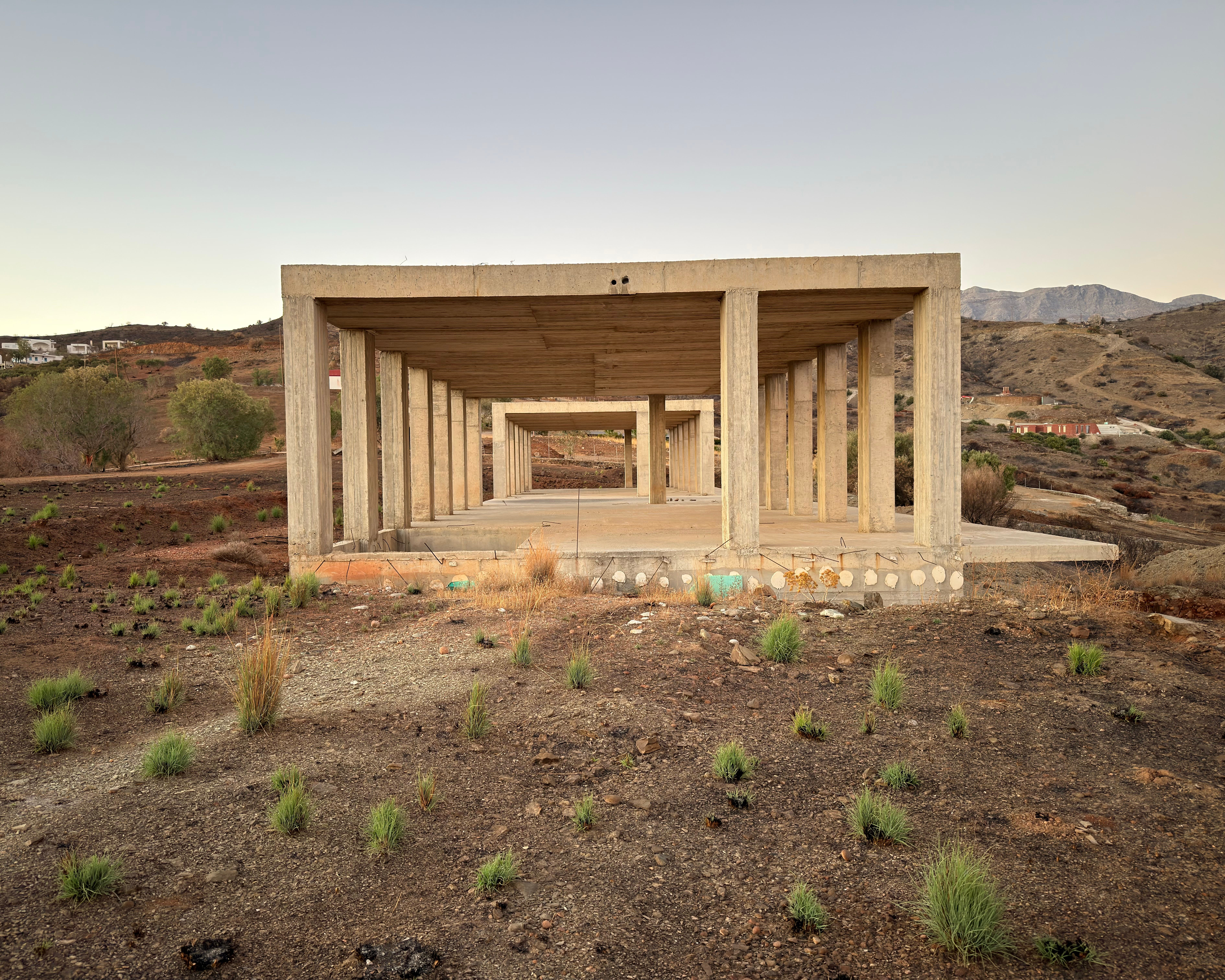
Yet life persists. Out of the burnt scrubland, verdant grass emerges. Hopefully these photos can help us imagine what comes next.
Four years before Capitalist Realism, Fisher mentioned the line in a review of an episode of Doctor Who.
Powerful set of photographs Neil. It breaks home the aftermath of such devastating events.
It’s getting easier to imagine a techno-fascist future. We may end up looking back on neoliberalism as the golden years. Your pictures look like stills from a science fiction epic.