


FASHION is an odd title for a fascinating photobook. Everyone I mentioned it to assumed it was a compendium of Mark Power’s work for luxury brands, akin to Martin Parr’s Fashion Faux Parr. As a respected documentary photographer and member of Magnum Photos, it’s not unreasonable to think that Power would occasionally be asked to lend his credibility to a Gucci or Chanel. But this is not that book.1
What Power actually means by fashion is the capacity to transform the world on an industrial scale. Perhaps acknowledging this ambiguity, the only text in the book is a brief, awkward dictionary definition:
FASHION [fash-uhn] v., transitive. (a) To make or construct (something) out of constituent parts; to put together. (b) To form, mould, or shape (something or someone); to make or create (something) by a process of shaping or moulding. (c) To give (something) a shape or form appropriate to or suitable for something; to adjust or adapt to a purpose, a situation, an outcome, etc. (Oxford English Dictionary).
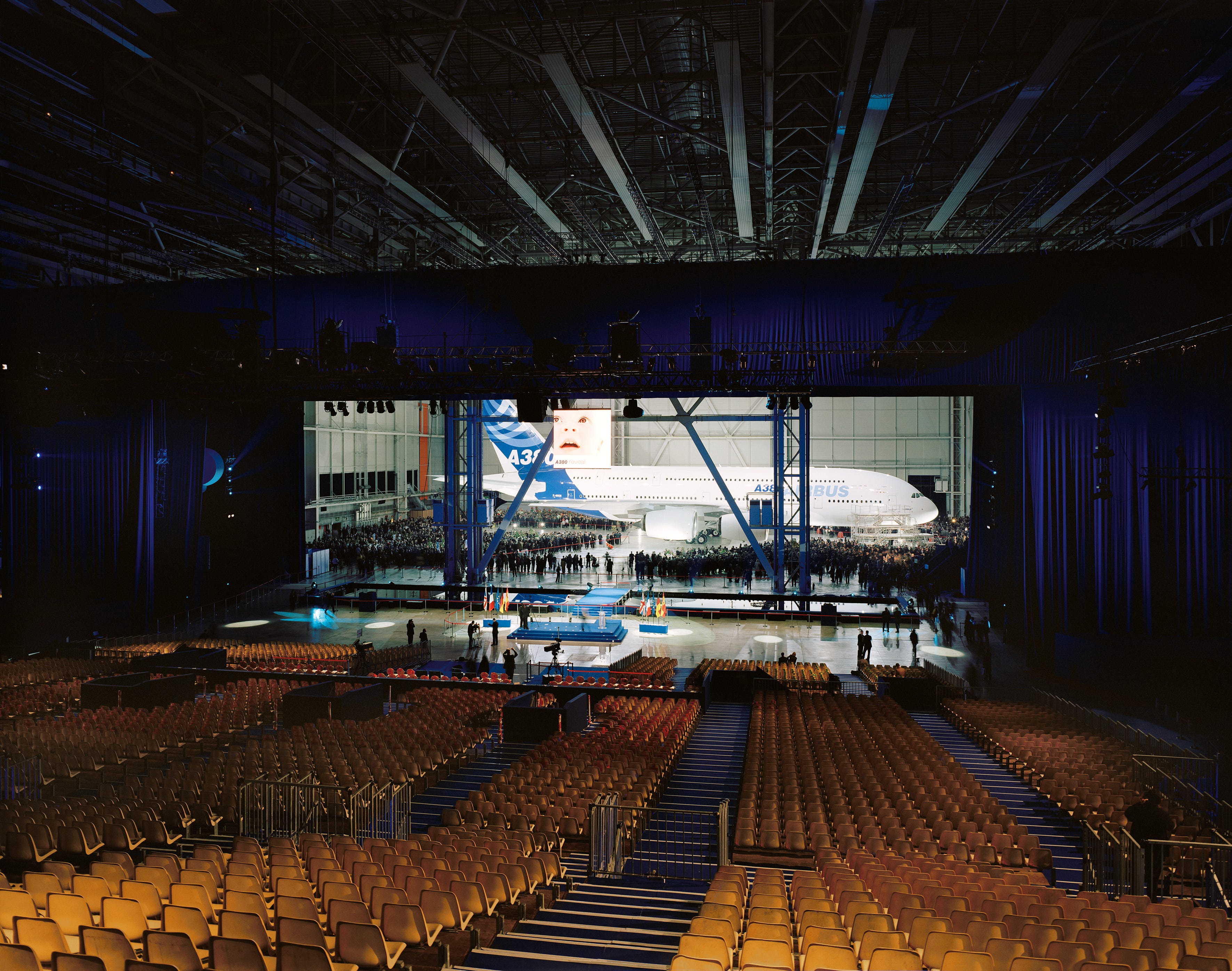
Without captions, dates, descriptions, or themes, leafing through the 288 images is a dizzying experience. Across 500-odd pages, they show the inhuman scale of modern industry. There are photographs of aircraft hangars, housing estates, building sites and factories. However, any sense of individual agency is crushed under the juggernaut of globalisation.
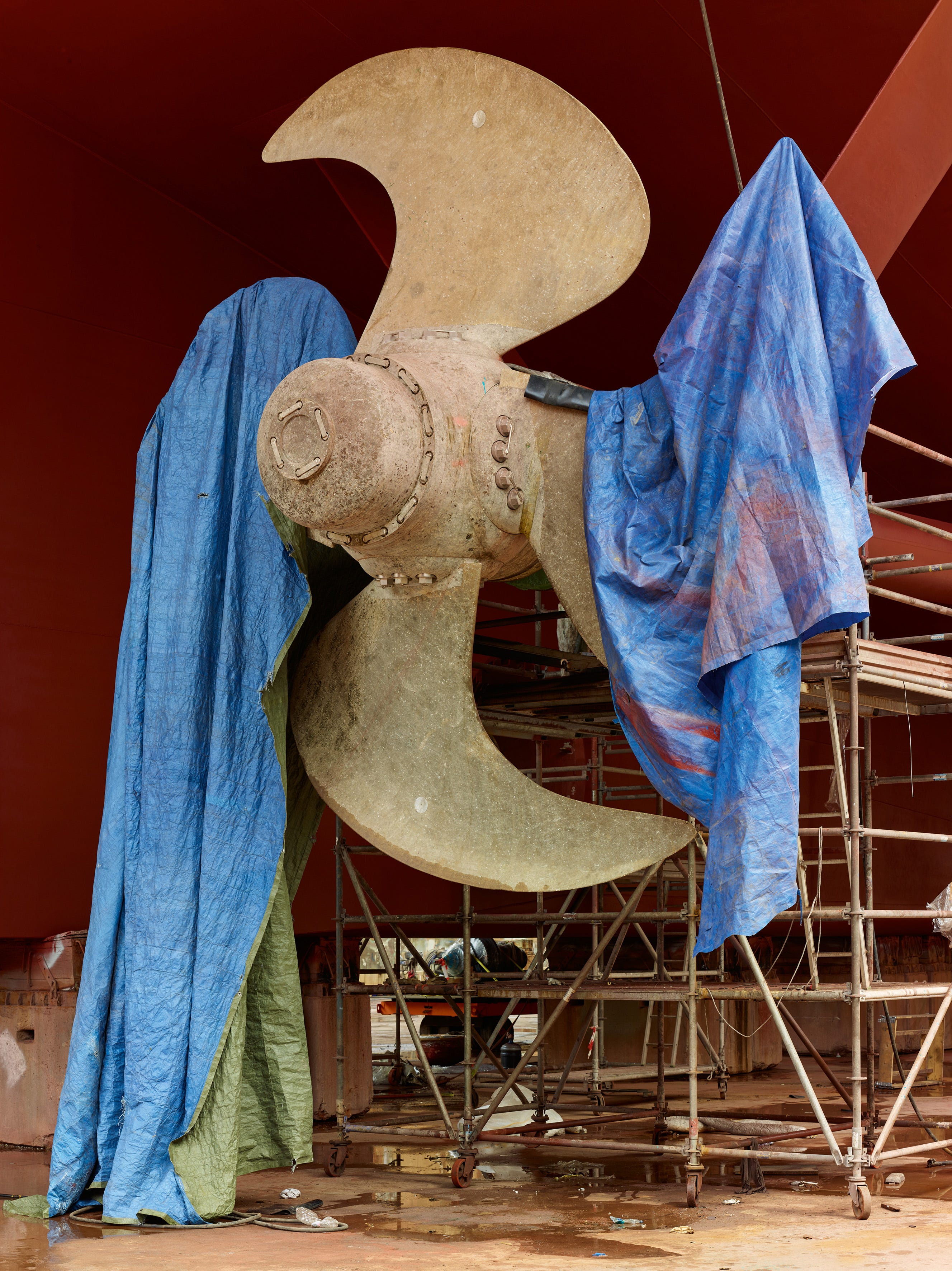
Much like the topics photographed, FASHION, as a book, is huge. At 3kg, it feels as solid as a shipping container. I was reminded of the quote often attributed to Stalin: “Quantity has a quality all its own.” The images are often striking and well-composed, but the subject matter is enough to induce a sense of reverence.
There are two types of photobooks: the first is planned or commissioned in advance; the second emerges retrospectively from connections in an artist’s oeuvre. This is the latter, yet there are glimpses of what the former looked like.
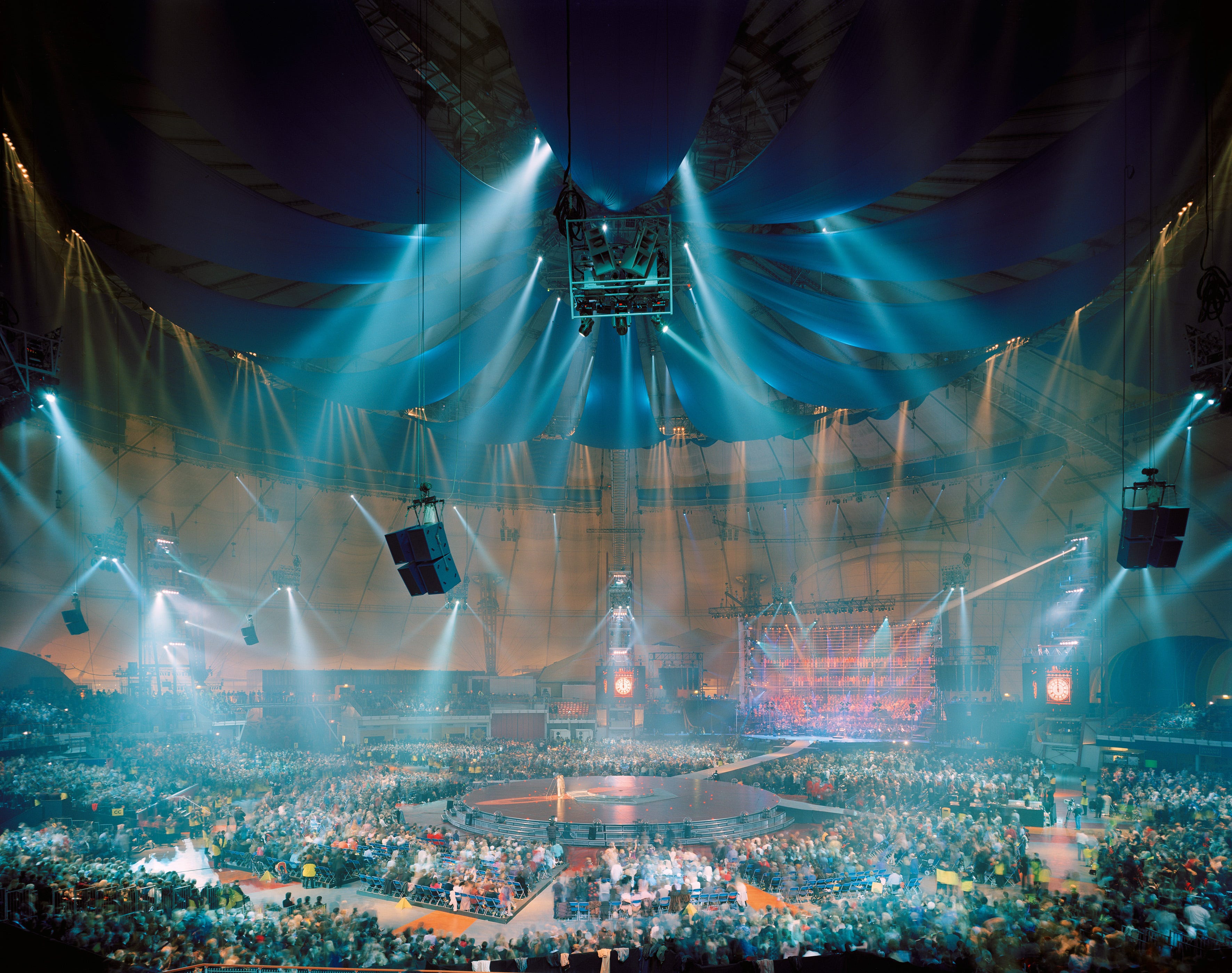
Despite the lack of captions, some locations are clearly identifiable. In the late nineties, Power was commissioned to document the construction of the Millennium Dome (now known as The O2), which was being built on a toxic wasteland in Greenwich. This was published as Superstructure in 2000. And it was with this project that Power found his mature register of making large-format colour photographs.
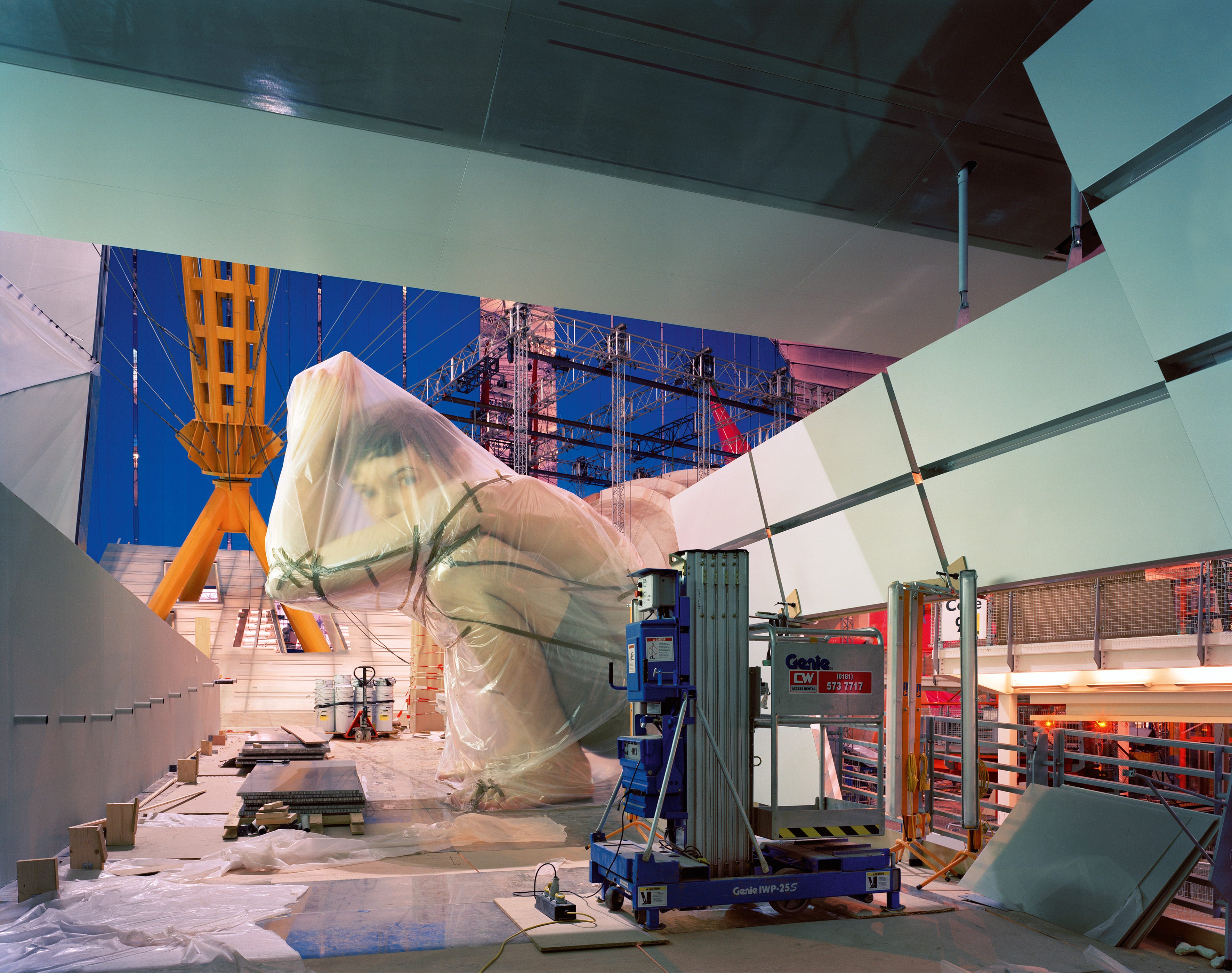
Before the Dome project, Power worked in black-and-white with a more humanistic approach, drawing on photographers like Tony Ray-Jones and Nick Hedges. With the Dome, he started a new way of working that rejected the impressionistic and subjective in favour of the monumental and seemingly objective.2 When you see a photograph in this book, you really know that it’s been photographed. It won’t need to be photographed again.
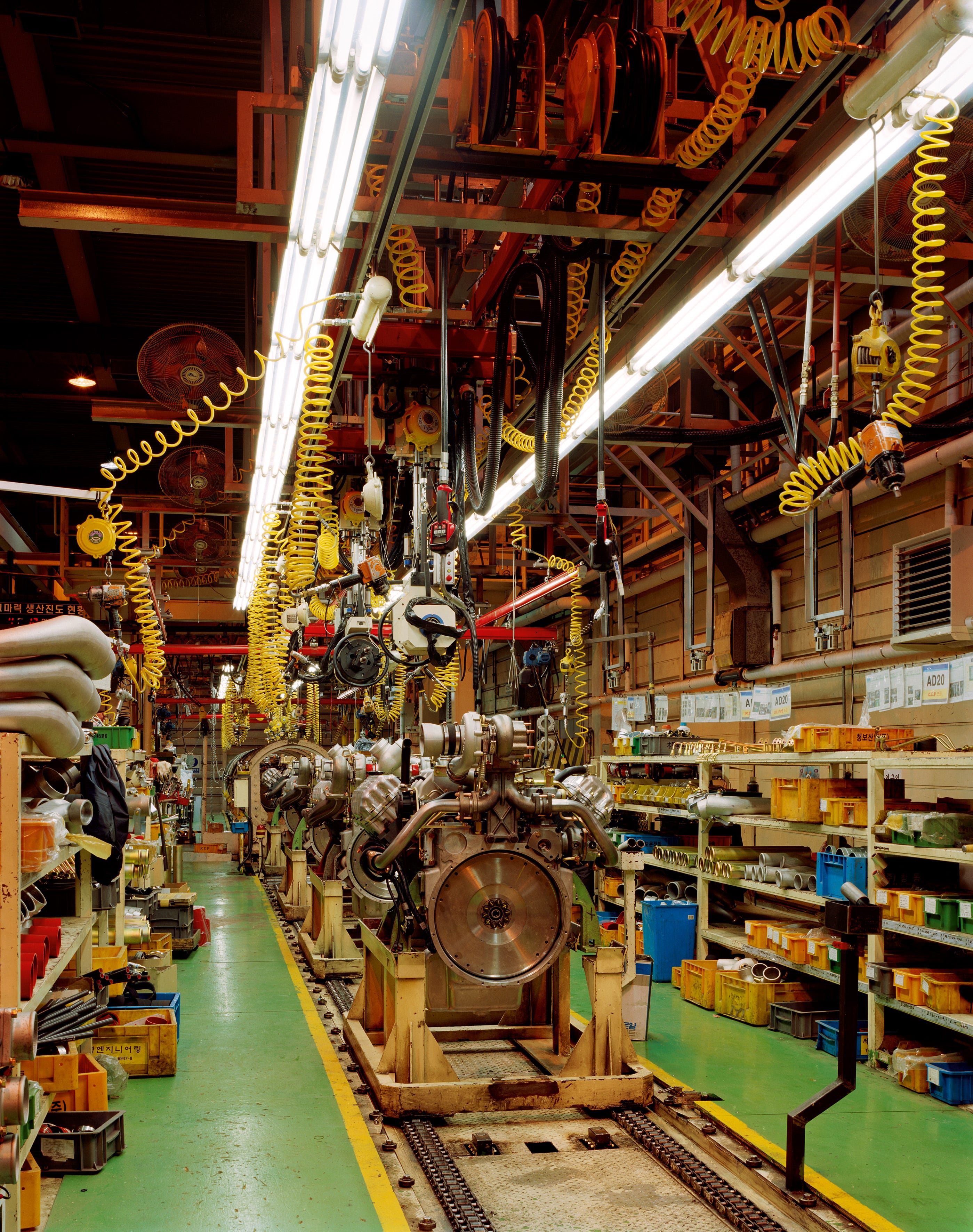
Power has described the way he sequences his photographs as being like “sentences without meaning, whimsical, nonsensical, yet intentional.” In this book, the vast industrial projects are broken up by images of wires, cords, tubes, and pipes. These are threads that suggest we could make all these things connect.
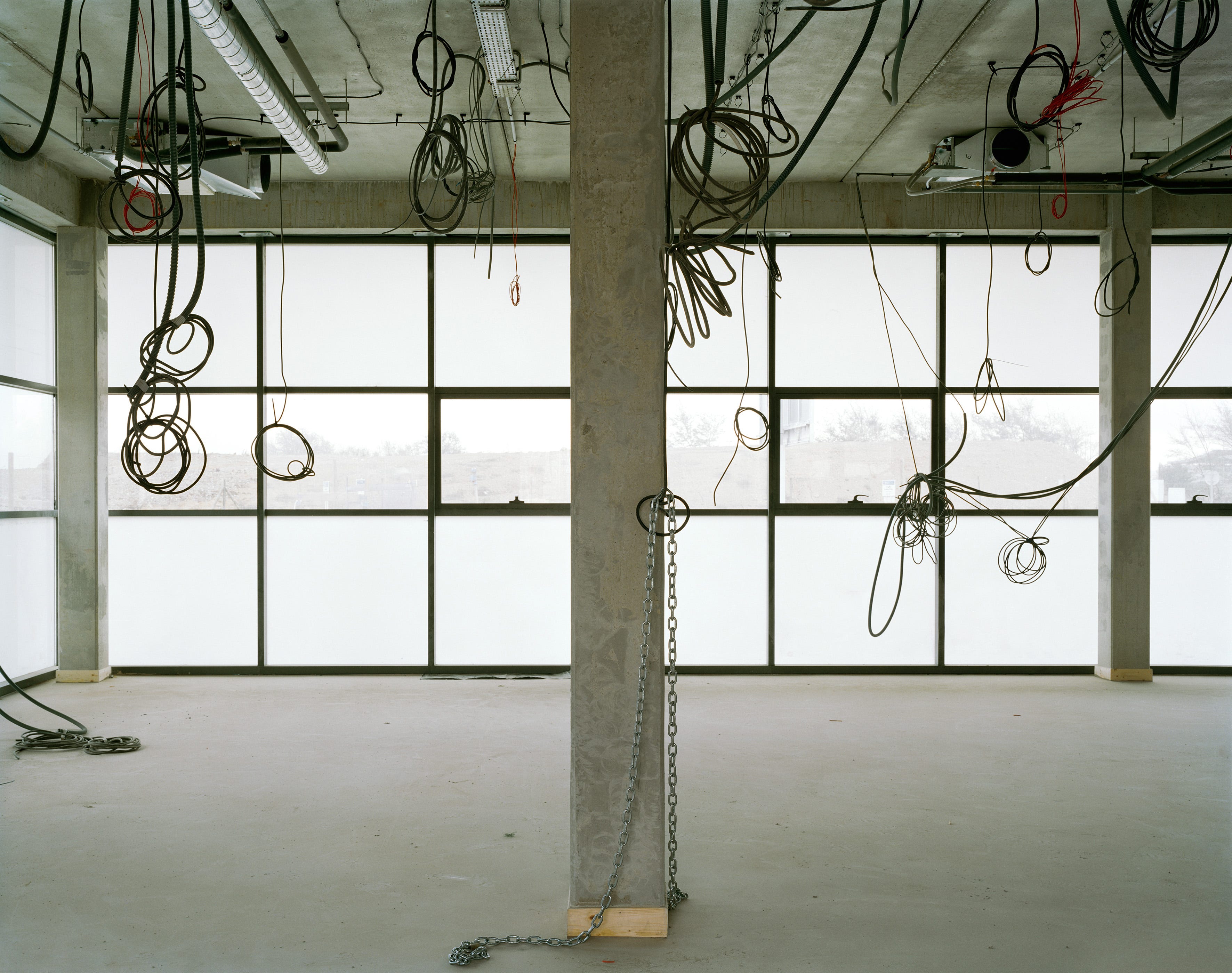
In 2005, the great advocate for the Millennium Dome, Tony Blair, made a notorious conference speech about globalisation:
What we can’t do is pretend it is not happening.
I hear people say we have to stop and debate globalisation. You might as well debate whether autumn should follow summer.
They’re not debating it in China and India. They are seizing its possibilities in a way that will transform their lives and ours.
FASHION captures the relentless inevitability of an era in which politicians lost control. As Blair implies, the best we can do is paddle faster to keep ahead of the flow. Interspersed among the large-scale industry are details like the hole in a man’s shoe: the human side of servicing the capitalist machine.
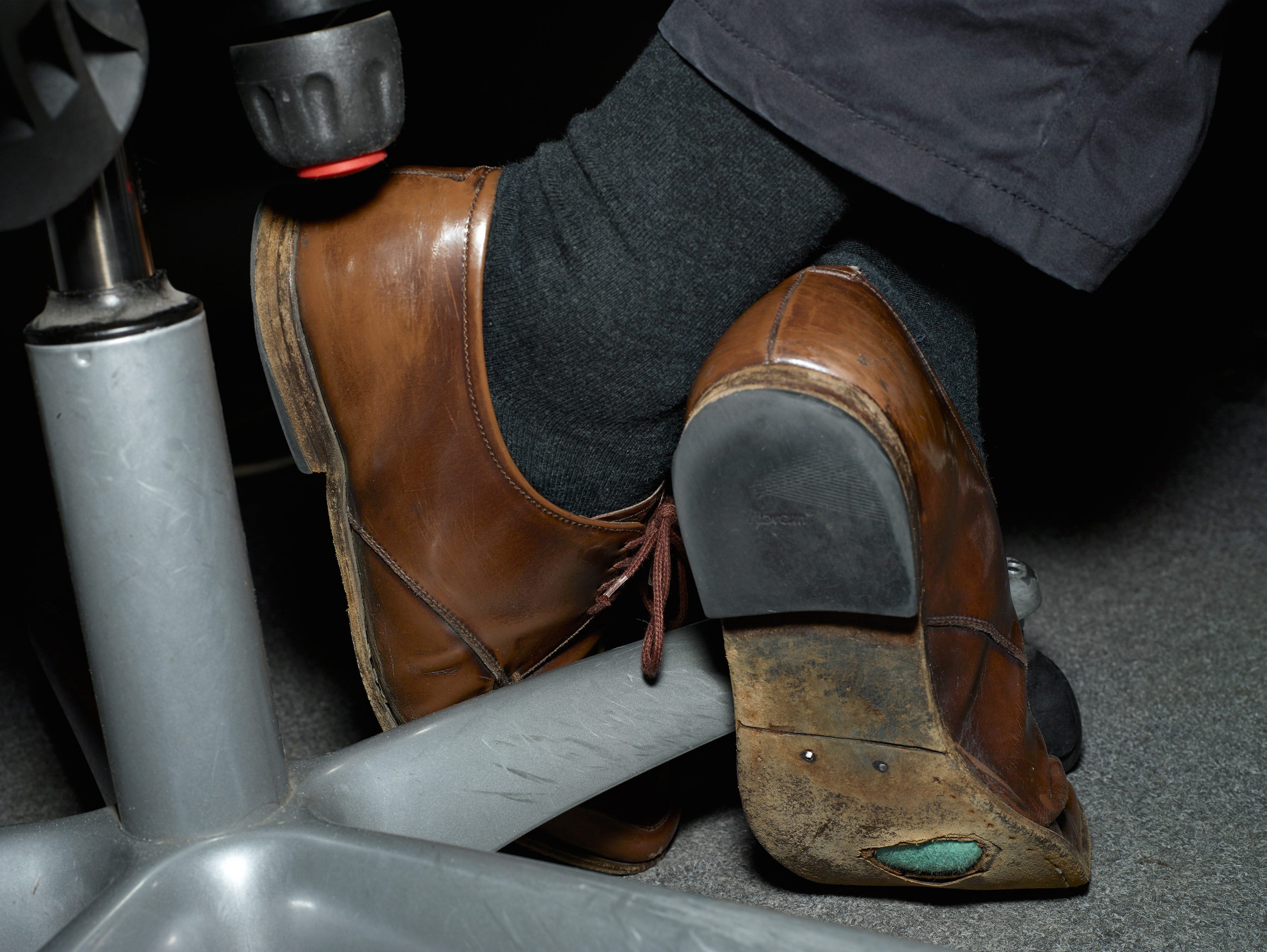
As Hamlet says: “What a piece of work is man! How noble in reason! How infinite in faculty! [...] And yet to me, what is this quintessence of dust?”
After checking I had the correct line, I discovered that Hamlet actually says, “What a piece of work is a man.” Like Neil Armstrong’s first words on the moon — “one small step for [a] man” — the removal of the ‘a’ lends extra gravity to the phrase. But it is notable that there are barely any individual humans in the book. This is industry abstracted beyond the individual scale.
And so, while FASHION is not a great title, perhaps it doesn’t matter when the author’s name is on the cover. There is, after all, a clear nominative determinism to the way Mark Power has been drawn to document commanding structures over the past 27 years.
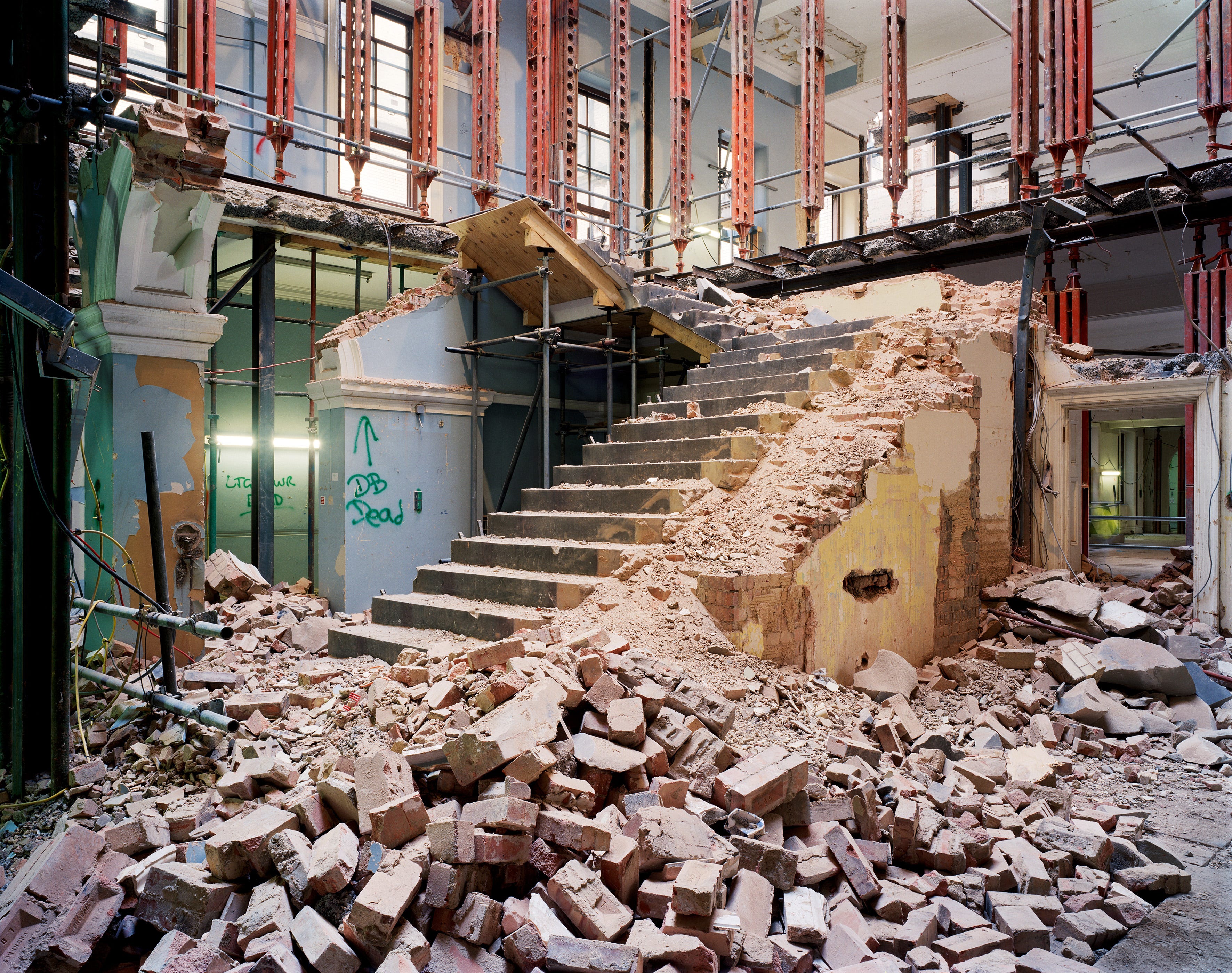
FASHION by Mark Power (Gost Books, December 2025)
Indeed, as far as I know, he has never undertaken such jobs for fashion brands.
However, it is worth noting that Power embraces a subjective approach:
Since I often give my pictures very little context, this encourages the viewer to construct their own narrative, which may or may not be ‘true’. Photography’s somewhat slippery relationship to fact and fiction, reality, and imagination, is a great strength. I try, whenever possible, to take advantage of this ambiguity.
Great review. I find this type of imagery too spectacular, a little like advertising. I guess many were made for corporate publications so have an inevitable formal sophistication and glossiness. The worn shoe is a nice counterpoint. I’m drawn to the shrouded propeller but not the vast structures. I do appreciate Power’s approach to captioning and sequencing. I must have a proper look at the book though so thank you for the prompt.
GOST makes beautiful books and I love Mark's work, so I am excited to check this out. I'm also a sucker for the whole "industrial sublime" genre. Hearing that the project was influenced by Mike Mandel and Larry Sultan’s Evidence bodes well too.