


When people asked me what I was doing at the weekend, I told them the same thing: I was going to the wall of death.
Their brows furrowed: what is a wall of death?
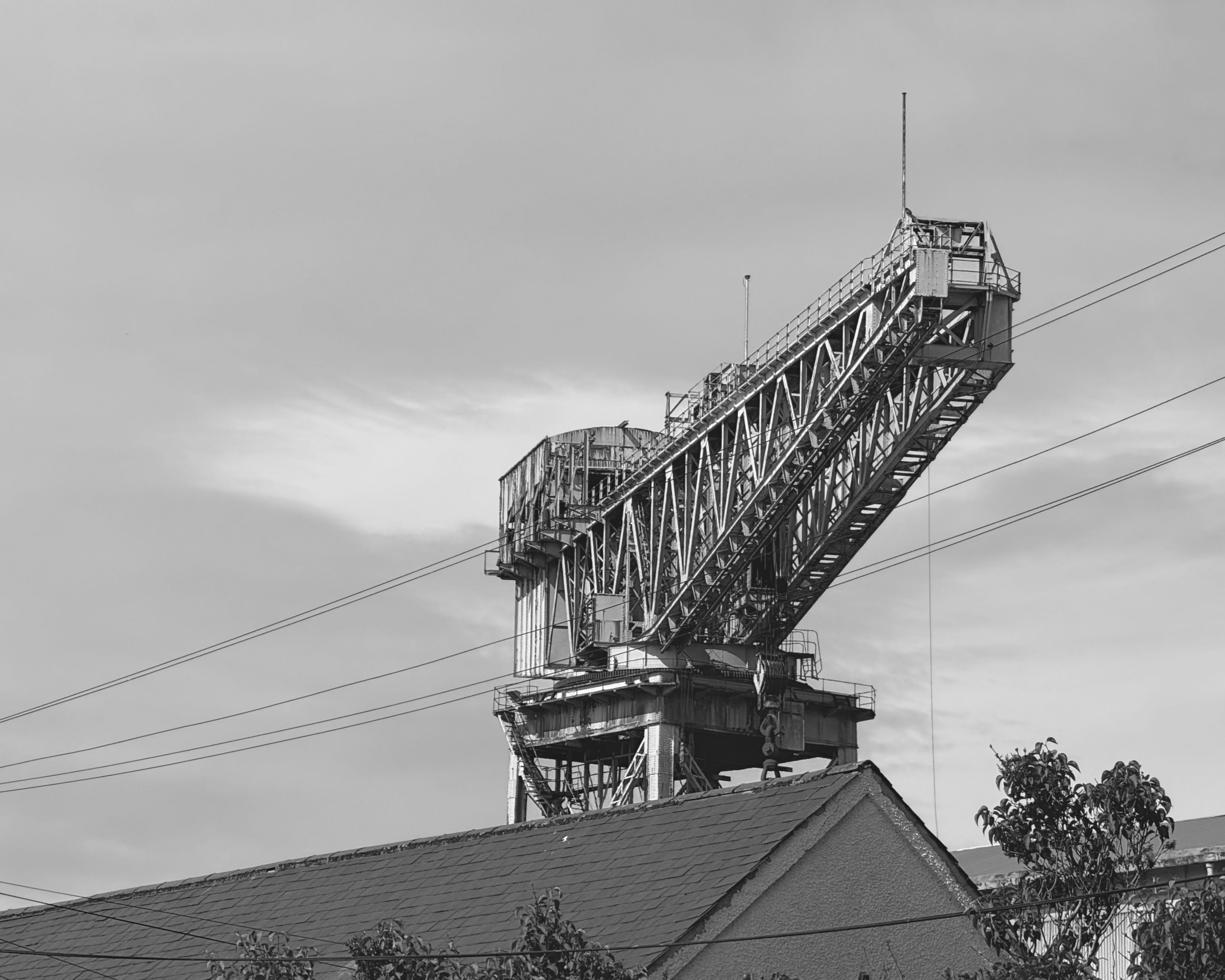
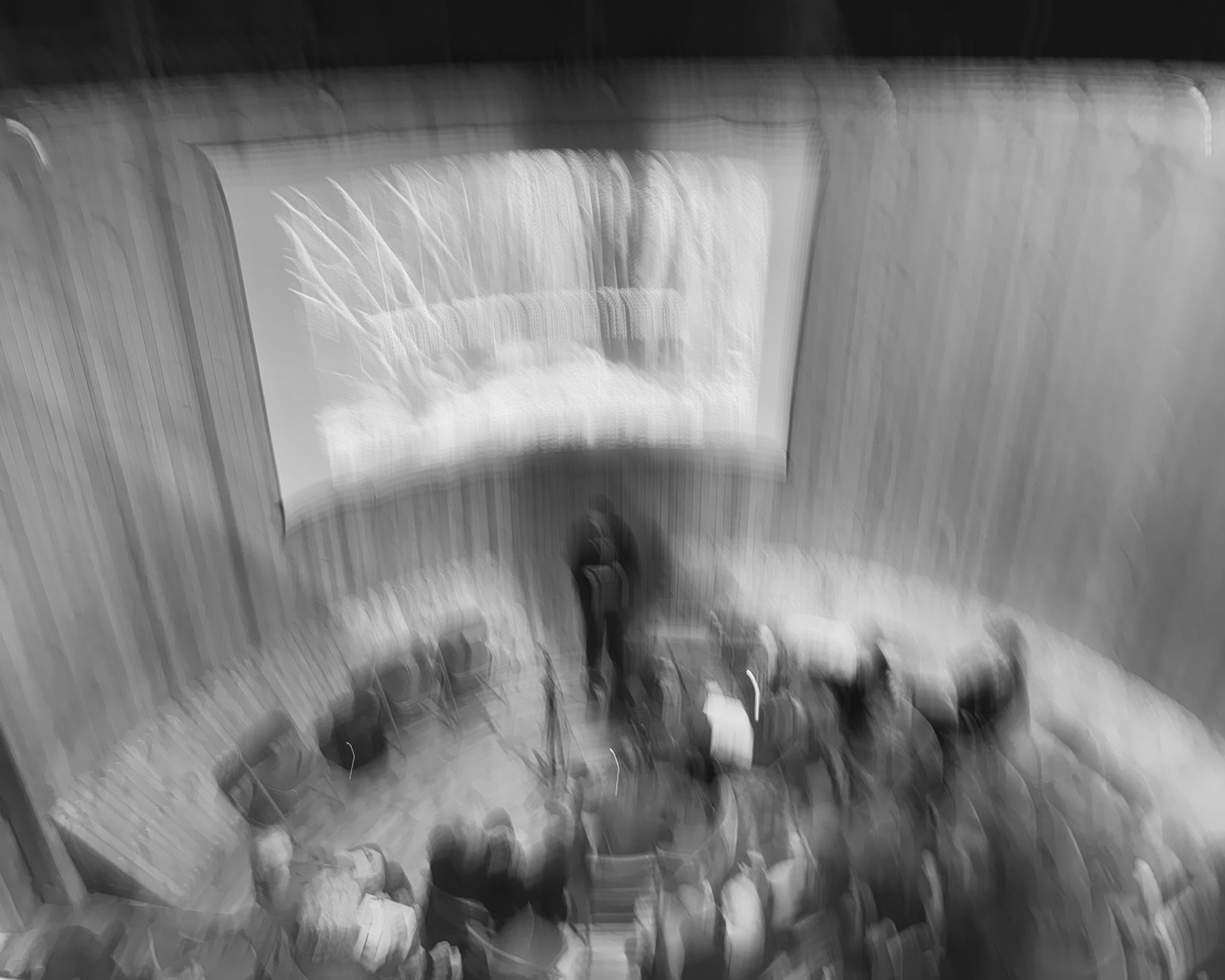
Traditionally, I explained, it was a fairground attraction in which daredevils on motorbikes would speed around a wooden cylinder until they were horizontal. But the one in Glasgow is an events space called the Revelator, located near the Barclay Curle Crane, and masterminded by the artist Stephen Skrynka.
Before the wall of death, I had my regular parkrun appointment. Although the nearest parkrun to the Revelator is in Victoria Park, I was running late and cycled to Elder Park in Govan — a few minutes shorter ride away.
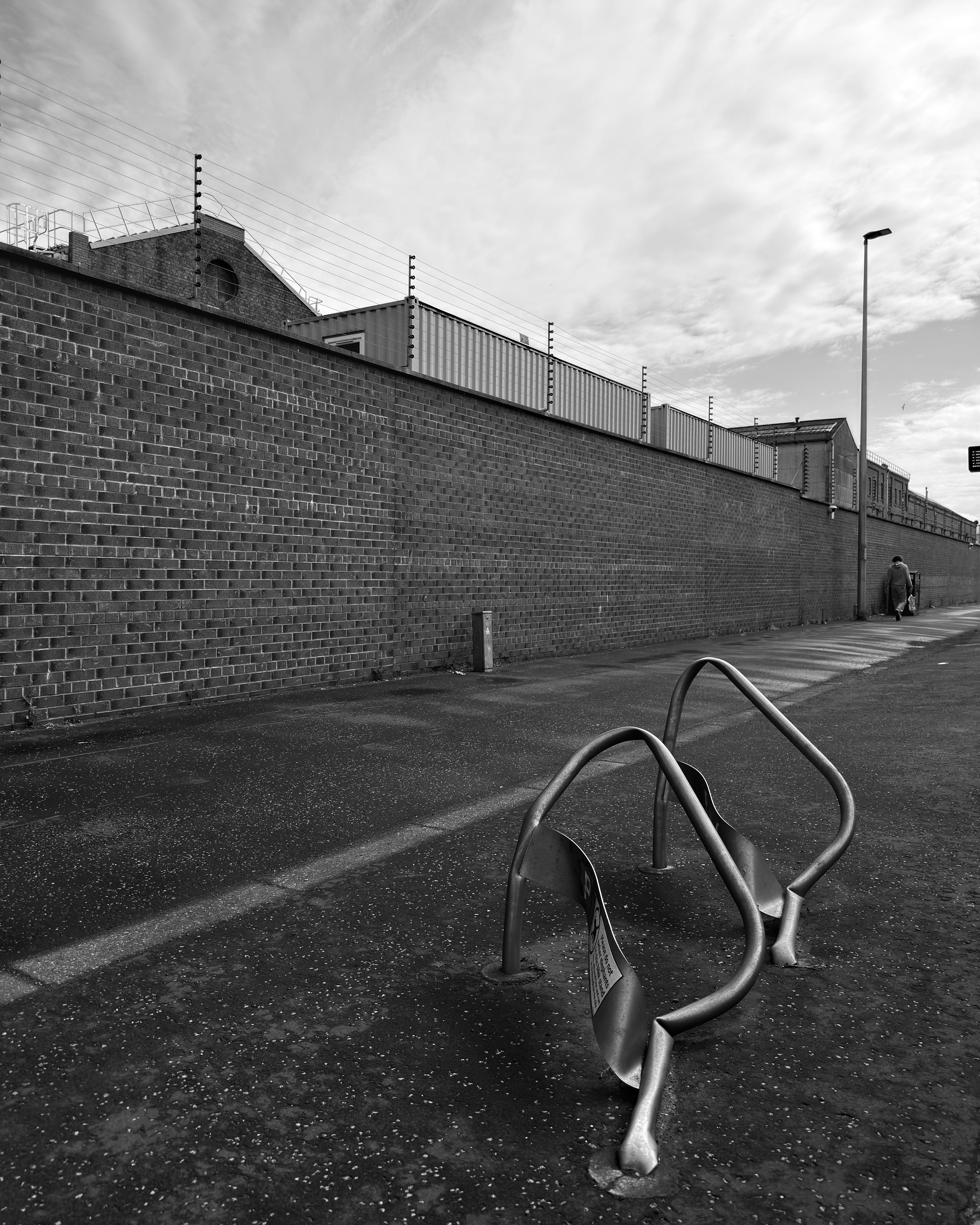
Looming over the park is BAE Systems yard — one of the last remnants of Glasgow’s shipbuilding past.
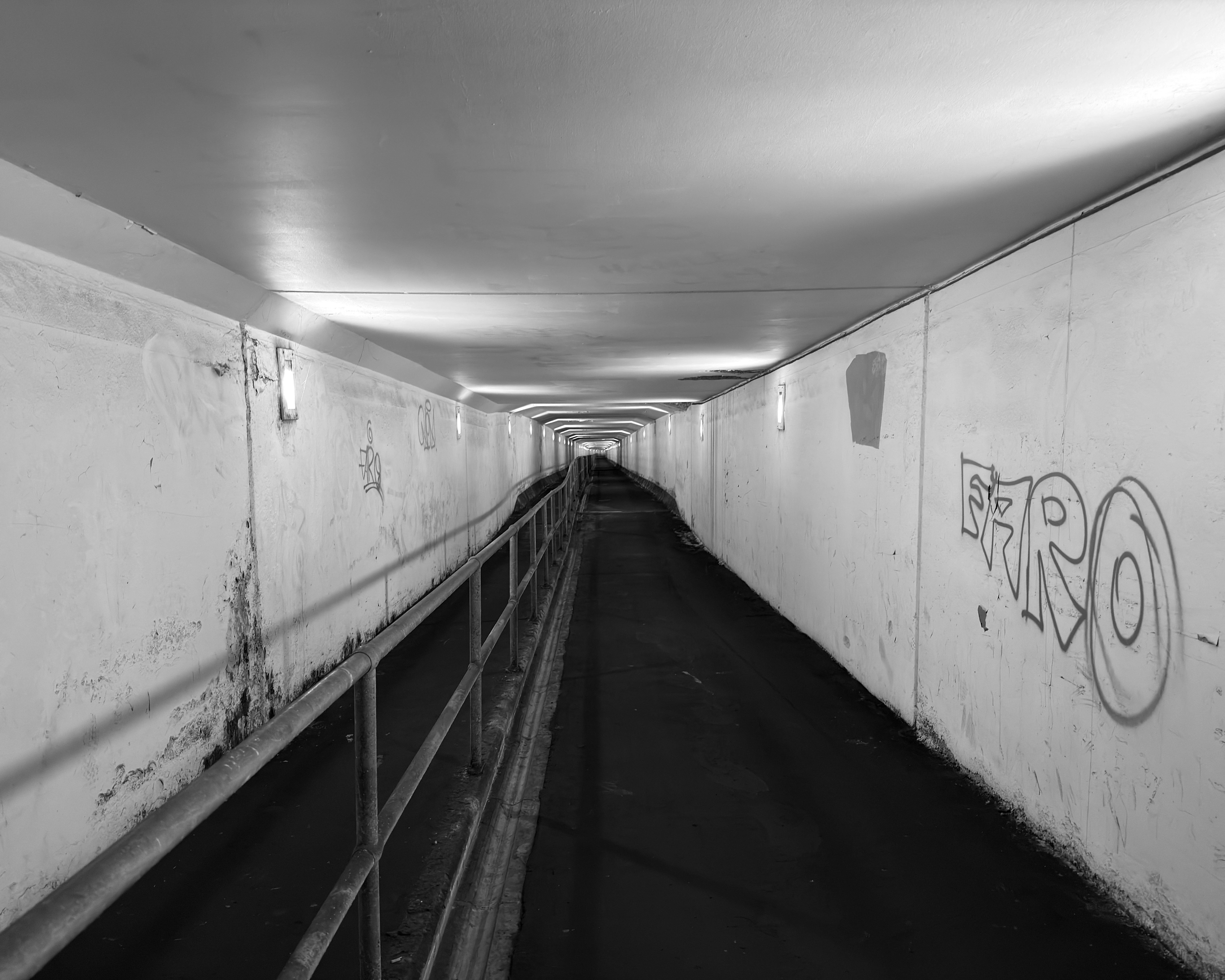
I’d also been wanting to revisit the Clyde Tunnel, the pedestrian/cycle part of which is one of the most dystopian places in Glasgow.
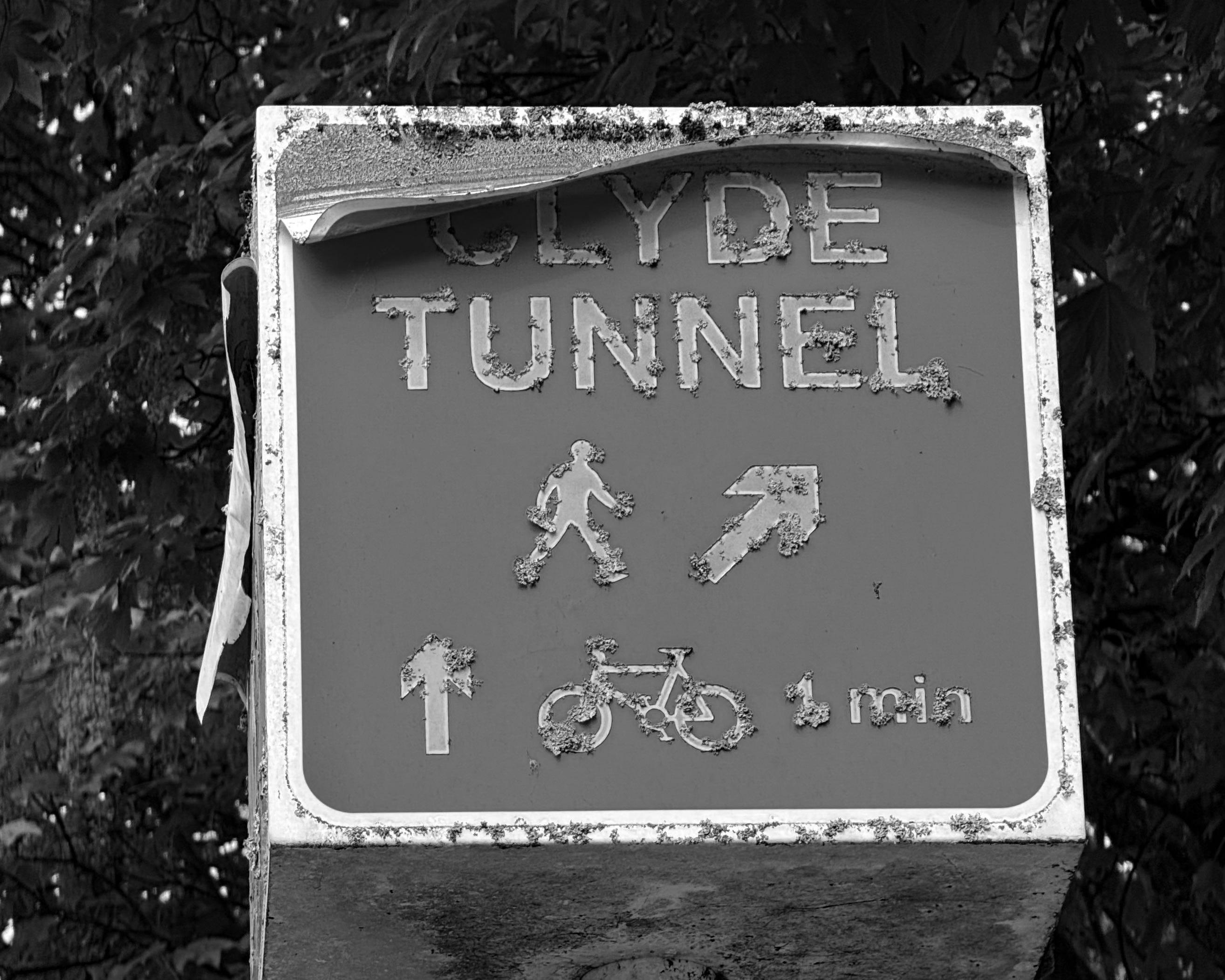
The adjacent road tunnel was greenlit in 1948 when large boats still sailed up the river. Nowadays, it is a shabby sight and has been largely neglected since the 1980s.
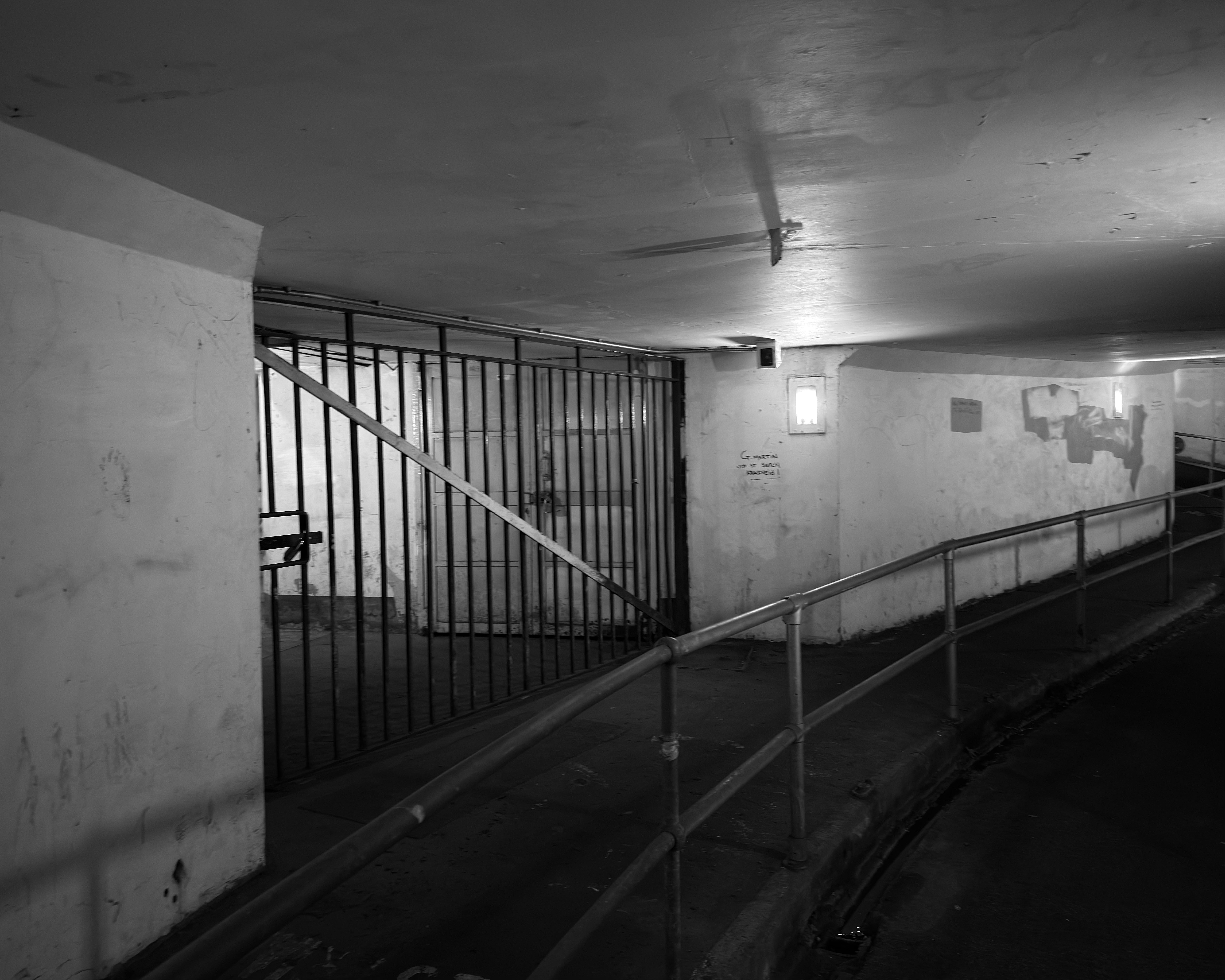
From the graffiti, it mainly seems to be used by the local gangs as a message board to inform the world who is a ‘grass’.
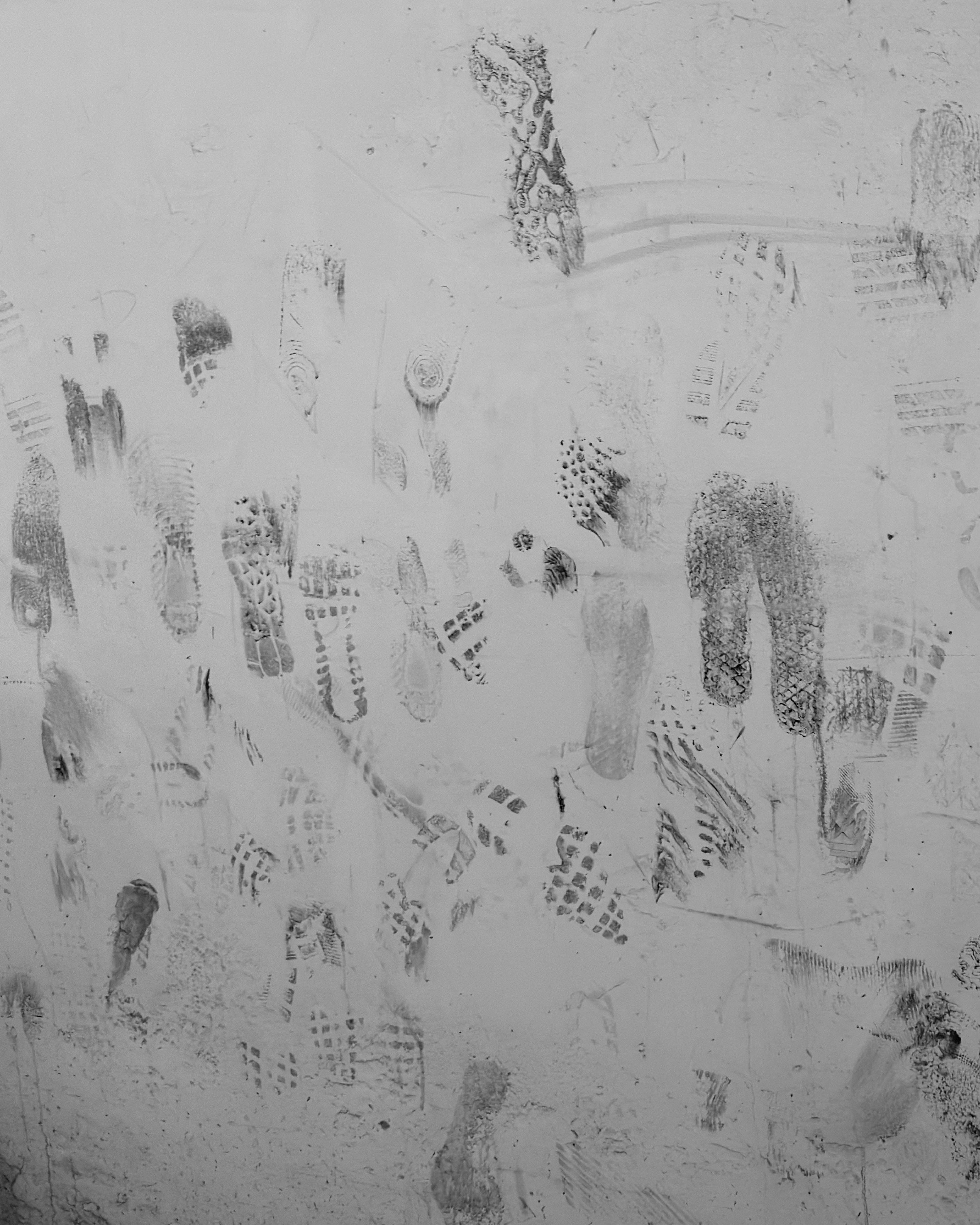
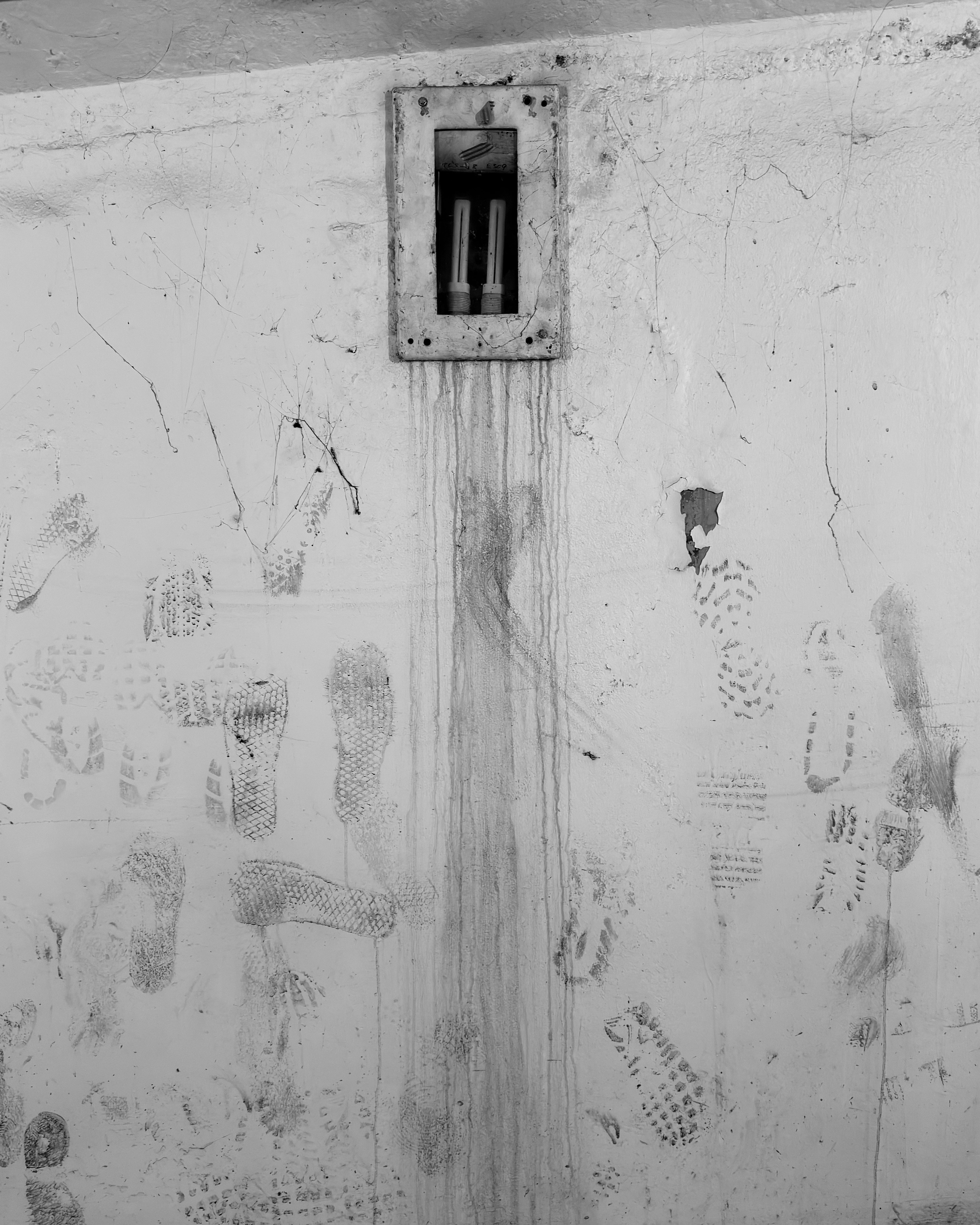
Trainer prints adorned the walls like handprints in Cueva de las Manos1.
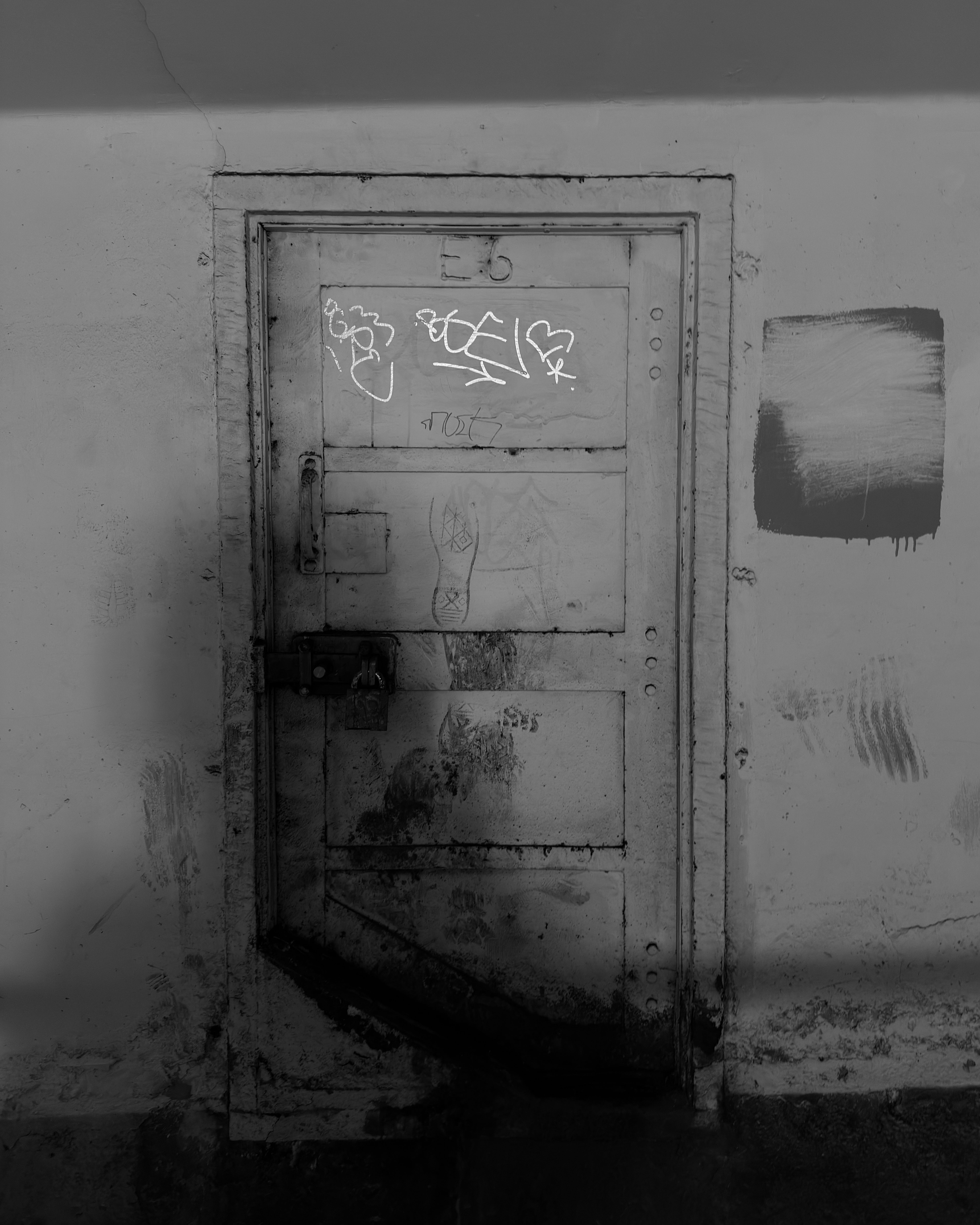
There were locked doors and gates separating pedestrians from the maintenance shafts.
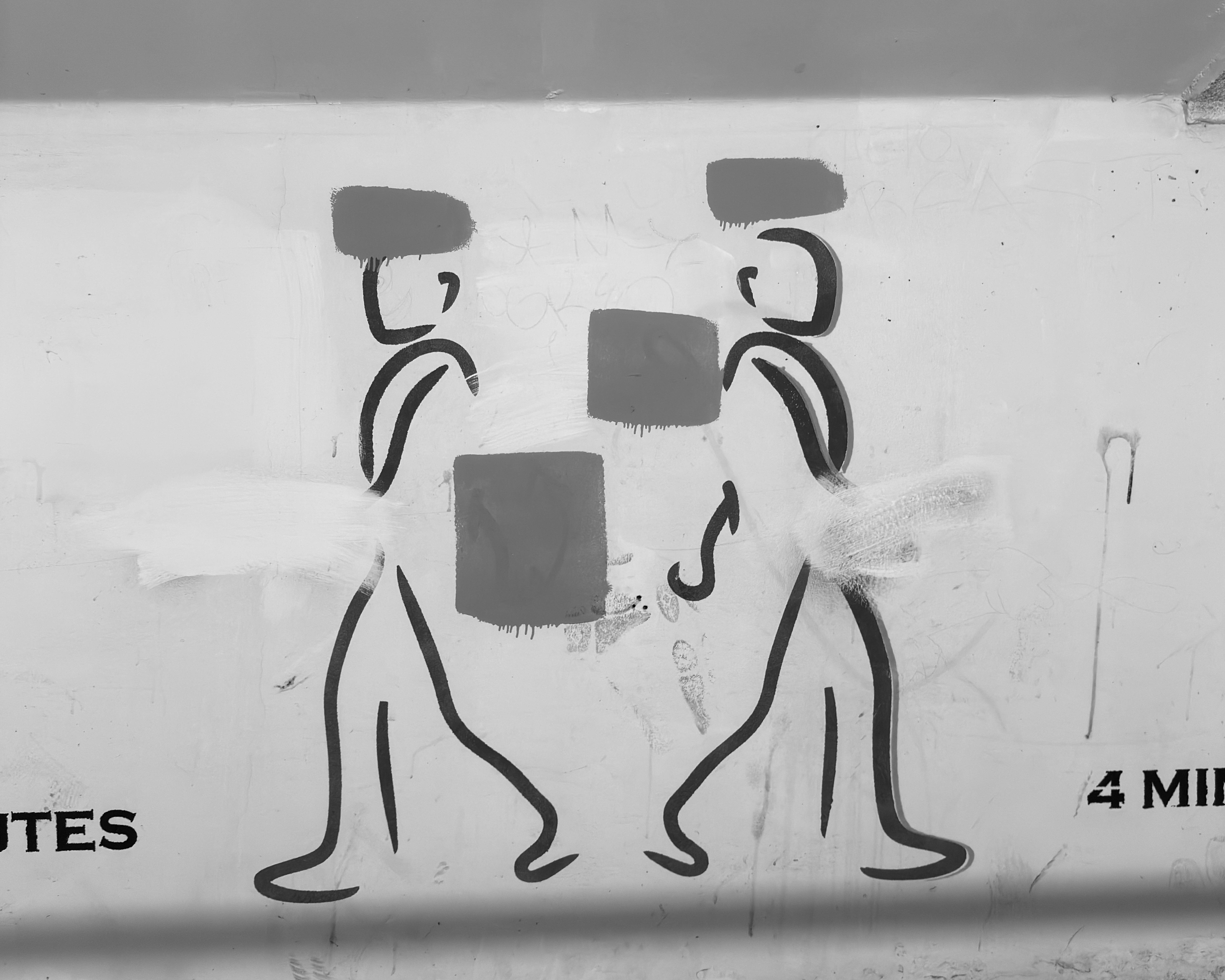
It was scary the first few times, but quiet on a Saturday morning in May.
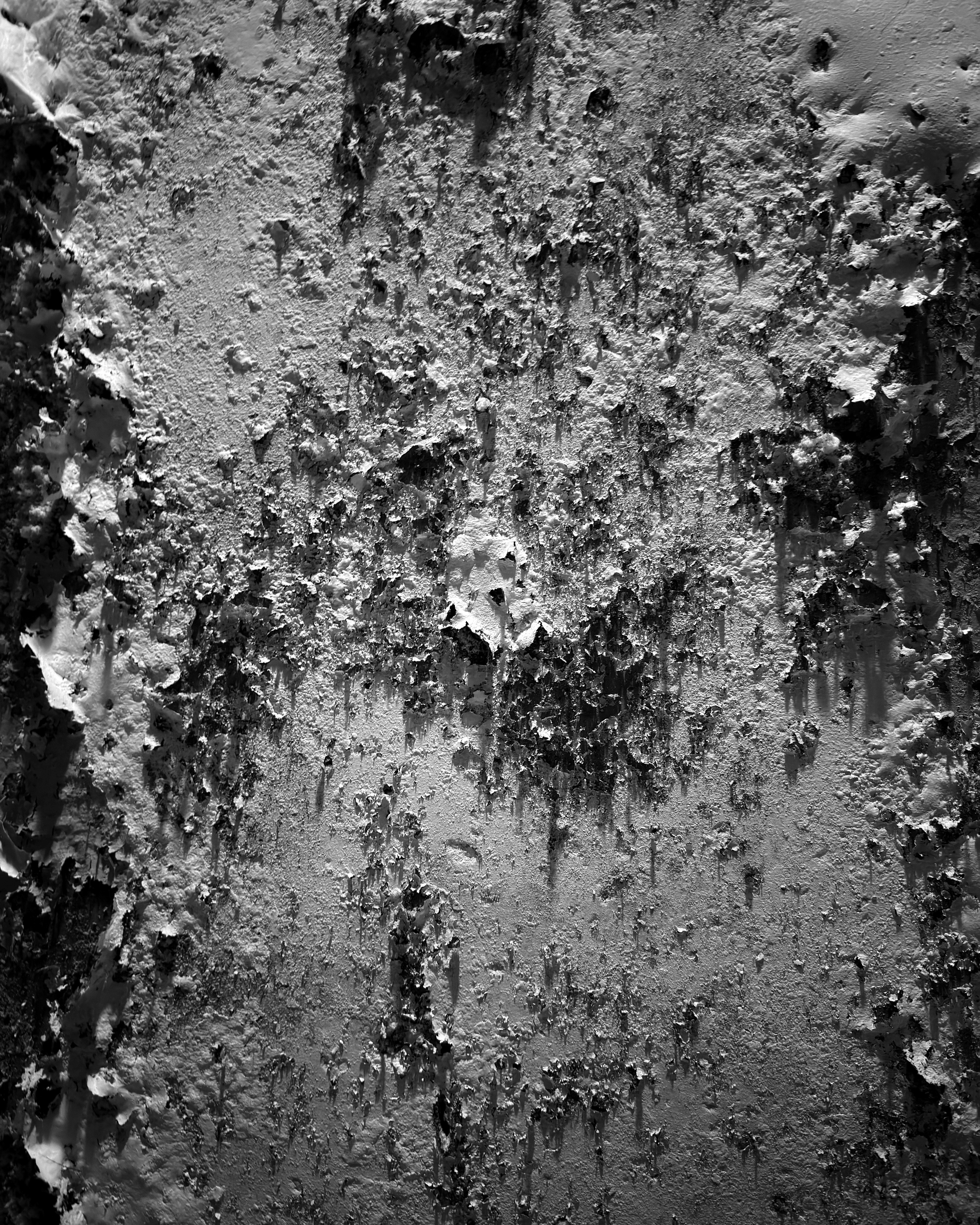
And although it was damp, and the paint was peeling, it didn’t feel like it was going to cave in.
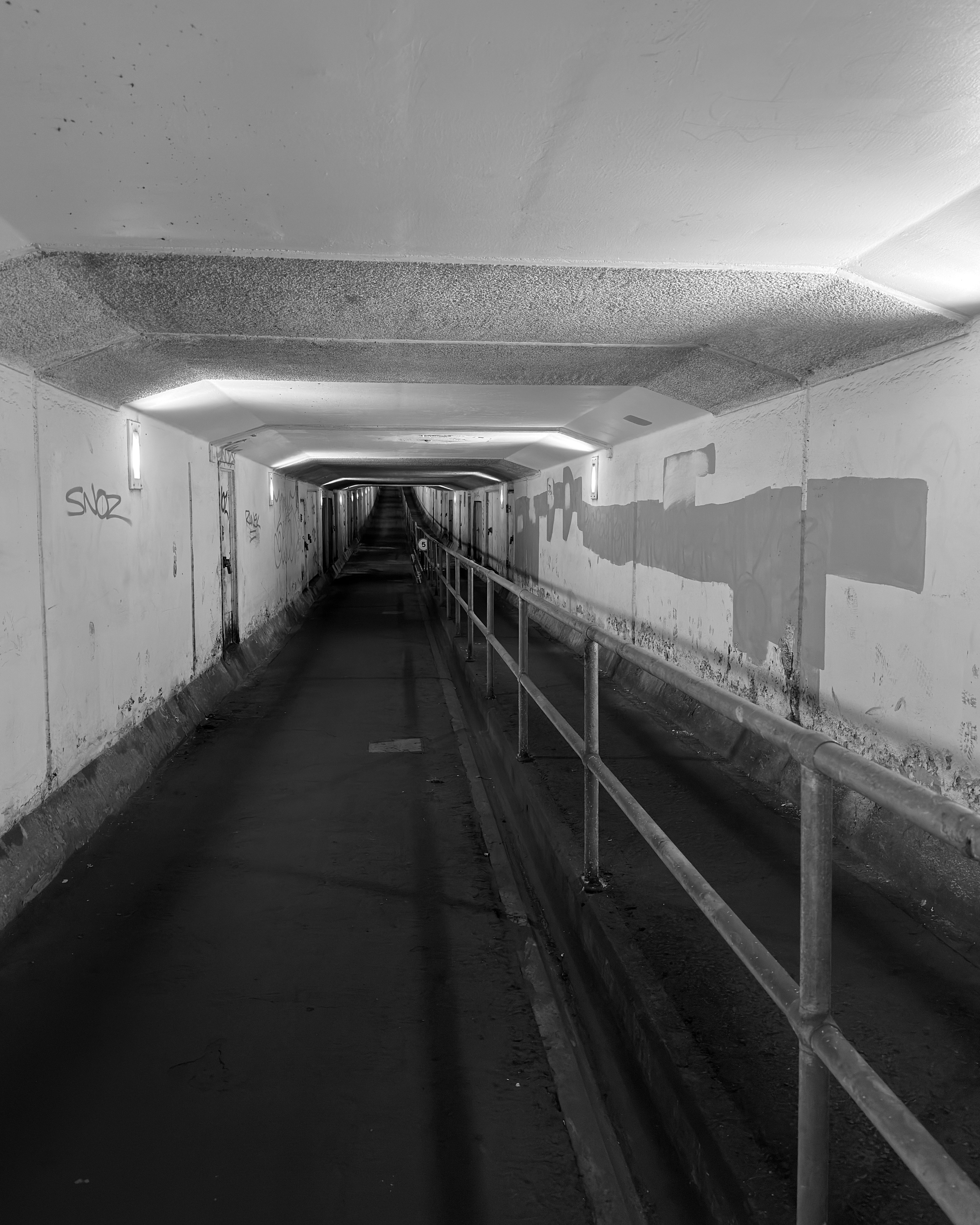
As the tunnel continued, I felt like a character from ancient Greek literature who had to take a journey to the underworld.
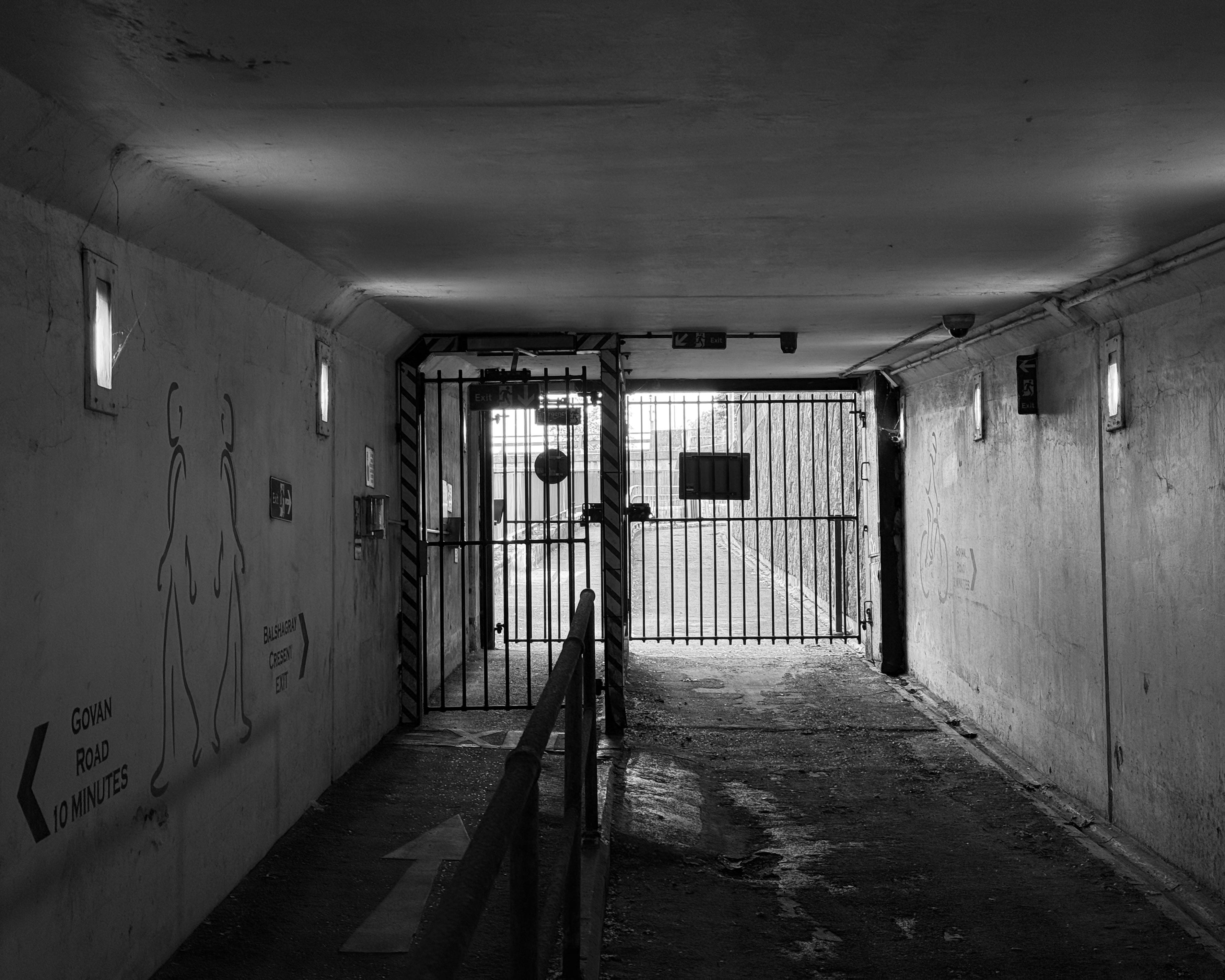
At the end of the tunnel, there was a barred gate that prevented people from exiting until they had buzzed the control centre. Presumably, this is a way to prevent anti-social behaviour; however, it summoned the vision of being stuck in the tunnel forever.
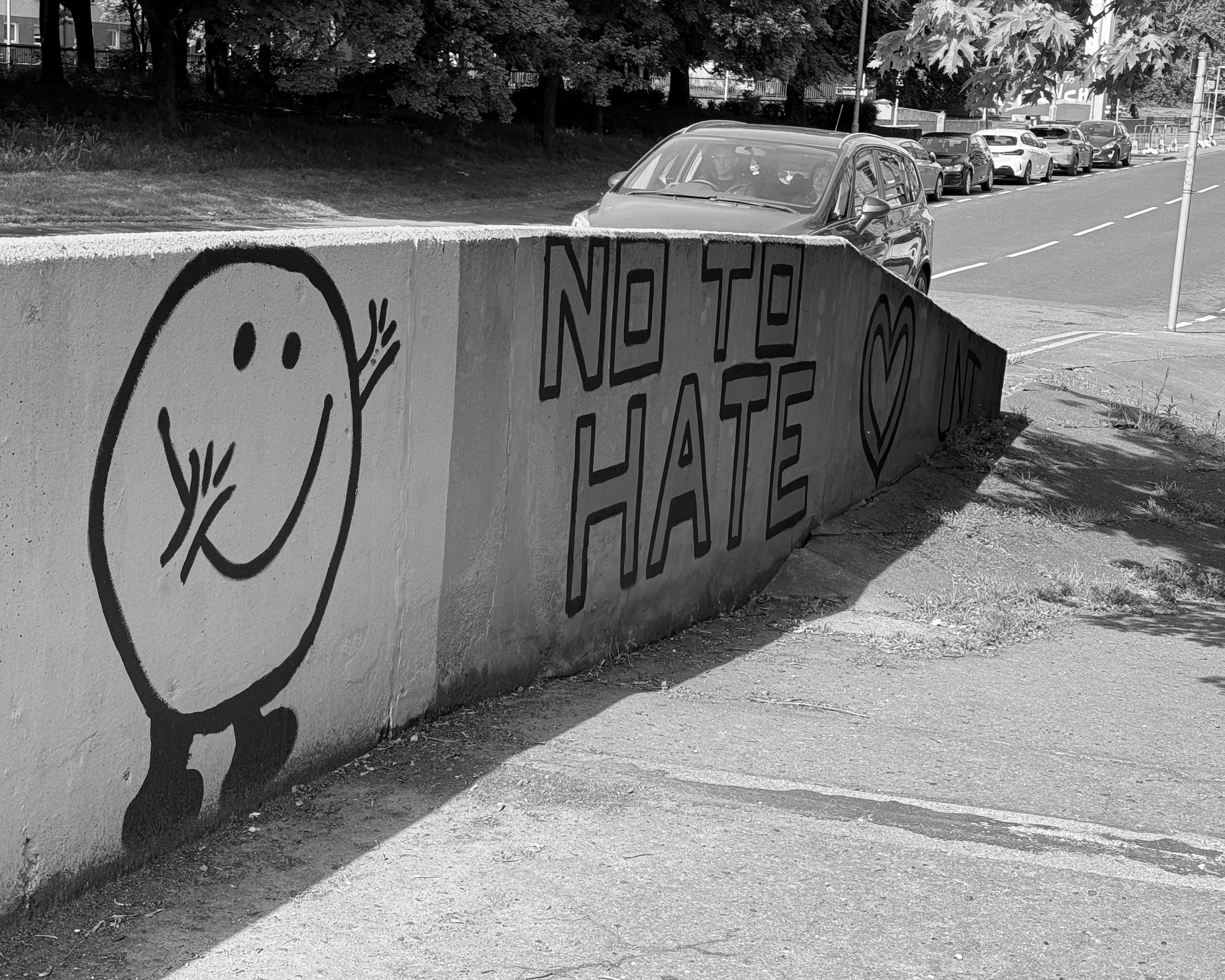
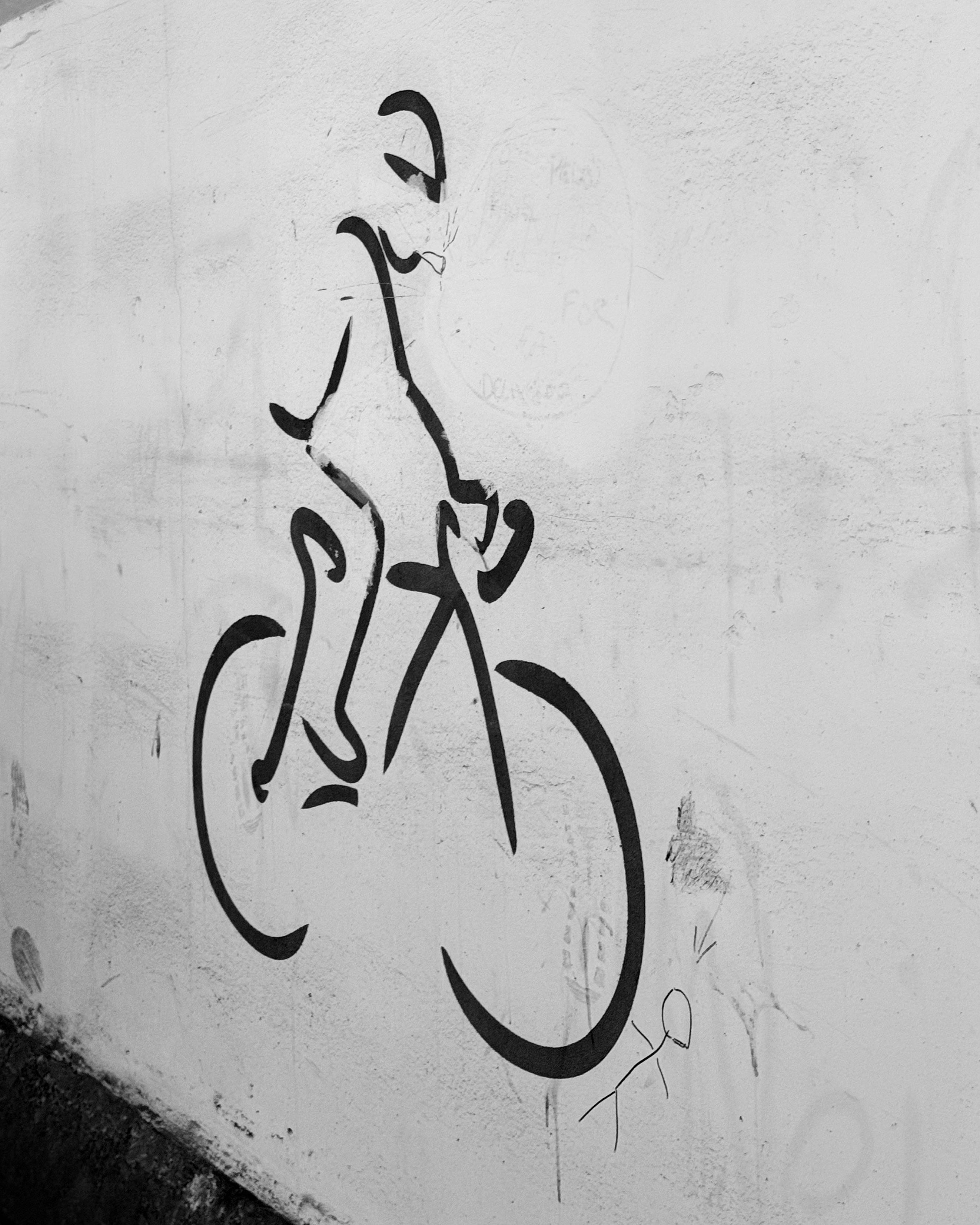
Emerging into daylight, I saw an instruction not to hate using Mr Happy, a figure who had been used in the famous Glasgow’s Miles Better campaign in the eighties.
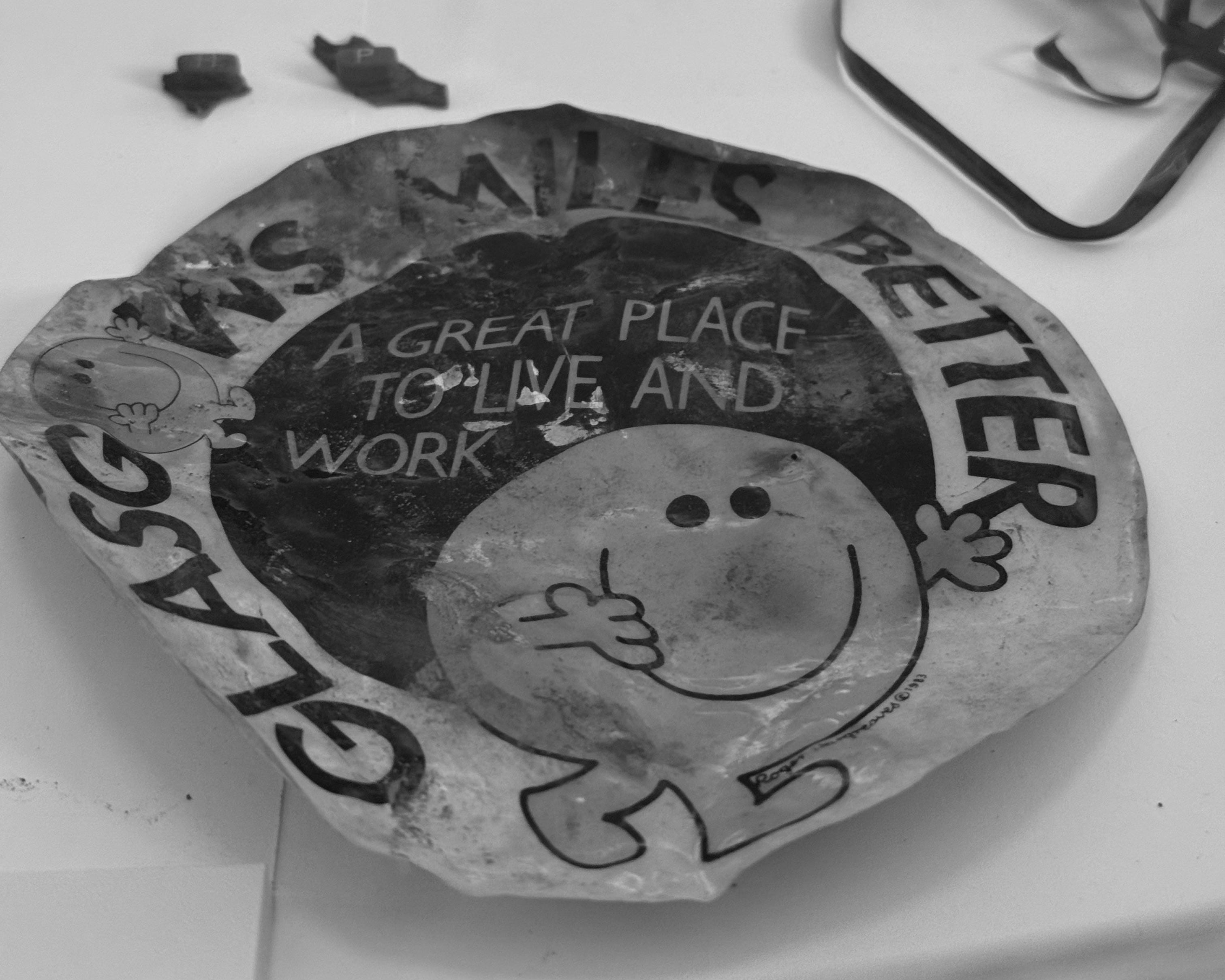
The previous night, the Glasgow City Heritage Trust had launched its new exhibition about the revived well at the heart of Glasgow Cathedral. In a vitrine, they displayed some of the things that had been thrown down the well in the previous decades, including a Mr Happy.
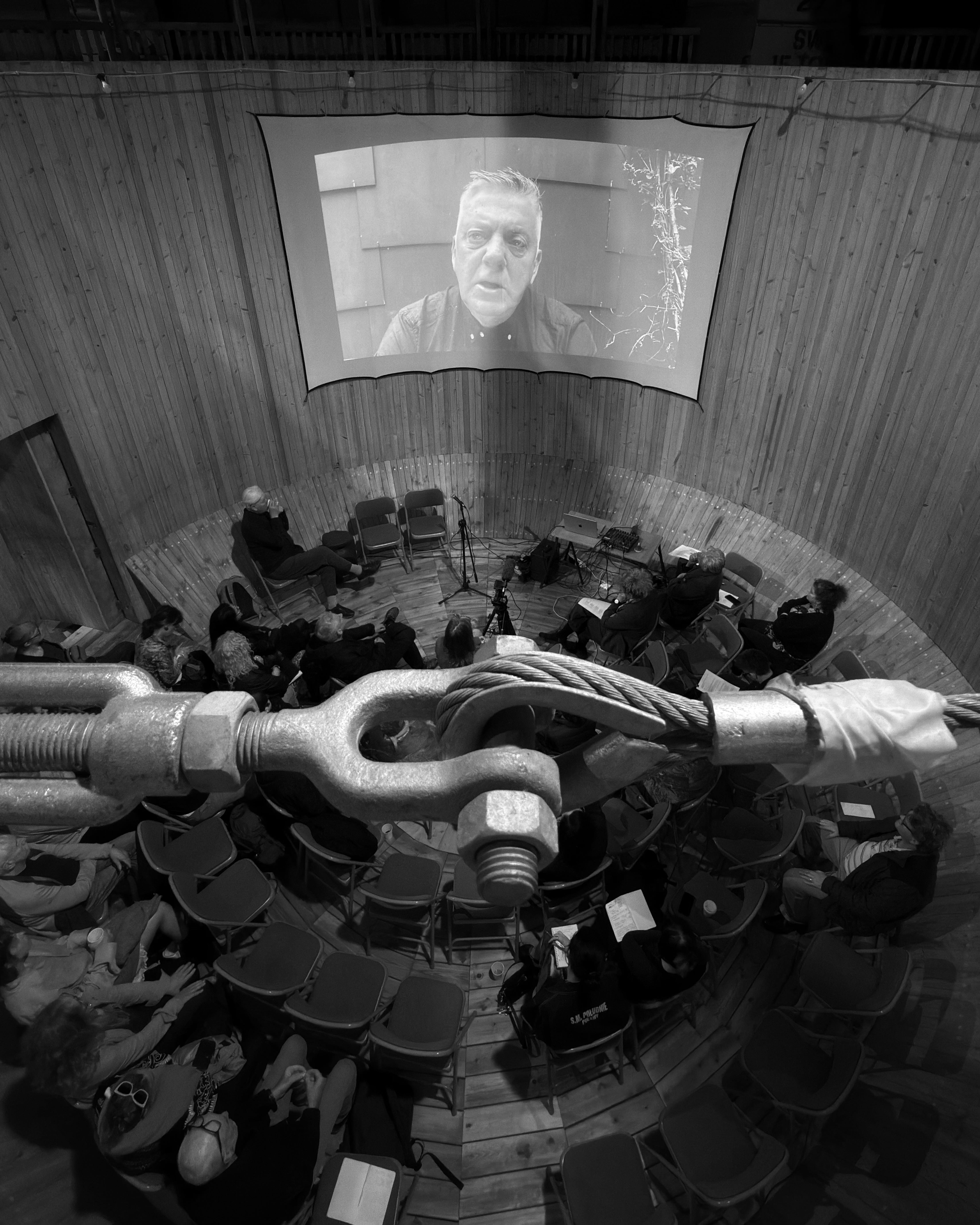
I arrived at the wall of death and heard Gordon Gibb lament the neglect of the Glasgow School of Art’s Mackintosh building. For Gibb, valuing architecture means preserving things for people to enjoy long after we have gone. I hope that the city can maintain the Clyde Tunnel — perhaps the closest we have in Glasgow to a journey to the underworld — for many years to come.
The cave art hand stencils from as far back as 7,300 BC found in Argentina:
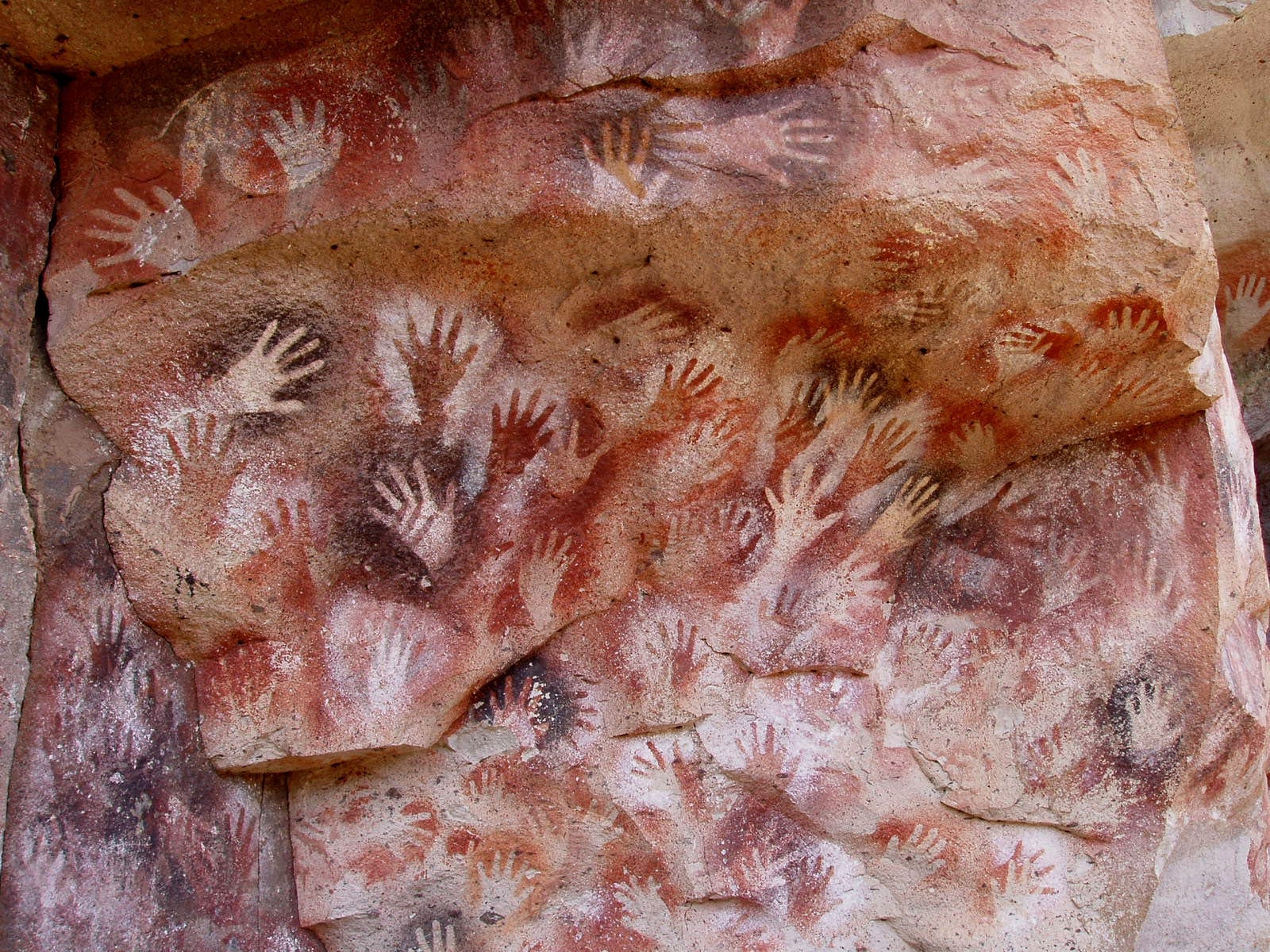
one of the takeaways: humans need to express an "I Have Been Here" with wall art will ever remain with us.
Interesting locale and history. Enjoyable post!